

 Travel Essentials
 Travel Essentials

Discover the filthiest areas on airplanes according to insiders, from seatback cards to lavatory fixtures, with tips to stay germ-free during flights.
 Travel Essentials
Air travel connects the world but also spreads invisible passengers: germs. With millions boarding flights daily, surfaces touched by countless hands accumulate bacteria and viruses. Flight attendants, who spend hours onboard, identify key areas rarely cleaned thoroughly between flights. This guide explores these hotspots, backed by crew experiences and studies, offering strategies to minimize exposure.
Planes operate on tight schedules, limiting deep cleans. Cleaning crews prioritize visible messes, but microscopic threats persist. A typical flight sees hundreds of passengers, each potentially carrying pathogens from airports or homes. Recirculated air and proximity amplify risks. Understanding high-touch, low-clean zones empowers travelers to act.
Health agencies note respiratory illnesses spread faster in confined spaces like cabins. Proactive hygiene reduces this risk significantly.
Insiders consistently rank these five spots as the filthiest, based on direct observations. They escape routine protocols, harboring residues from food, skin, and luggage.
These laminated guides, pulled out during safety briefings, top the list. Every passenger flips through them, adding fingerprints and germs. Unlike tray tables, they rarely see disinfectant. Flight attendant Josephine Remo notes they are overlooked entirely by crews.
Pockets themselves collect trash, tissues, and spills, creating a breeding ground. Studies confirm seatback areas host diverse bacteria from multiple sources.
Accessed by all to stow or retrieve bags, these bins bear the brunt of dirty wheels rolling across airport floors. Hands grasp latches repeatedly, transferring contaminants. Rarely wiped down, they accumulate grime visibly and invisibly.
Crew advise using a tissue or elbow when possible, as direct contact risks picking up E. coli or flu viruses.
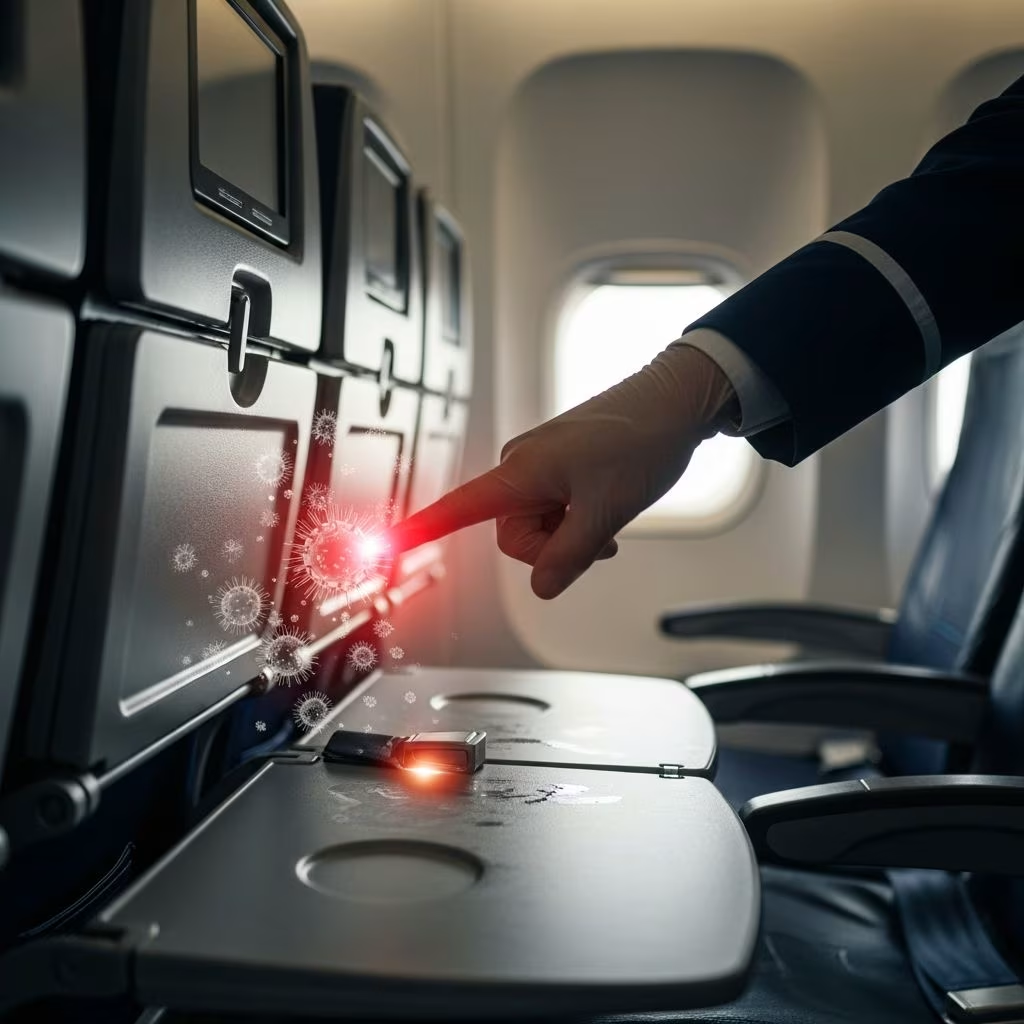
Versatile for meals, work, or naps, tray tables contact faces, food, and diapers. A 2015 study found them harboring eight times more bacteria per square inch than vents. Sue Fogwell, a veteran attendant, warns they exceed typical plane grime levels.
Parents changing babies mid-flight exacerbate issues, as wipes fail to reach crevices.
Directly against skin, these fabrics trap sweat, spills, and bodily fluids. Replacements occur only on complaints, and many incidents go unreported to avoid delays. Porous materials absorb contaminants, fostering mold or odors over time.
Visual checks miss embedded dirt; UV tests reveal shocking microbial loads.
While interiors get flushes and sprays, exterior handles and locks, touched post-use by unwashed hands, lag in cleaning. Remo highlights this discrepancy, noting sanitizer is essential afterward. Door handles topped a Washington Post germ ranking.
| Hotspot | Why Dirty | Crew Cleaning Frequency | Bacteria Risk Level |
|---|---|---|---|
| Safety Cards | Handled by all, never wiped | Never | High |
| Overhead Bins | Luggage wheels, mass touch | Rare | High |
| Tray Tables | Food, sleep, diaper changes | Sometimes | Very High |
| Seat Covers | Spills, unreported messes | On complaint | Medium-High |
| Lav Handles | Post-use contact, overlooked | Infrequent | High |
Besides anecdotes, research validates concerns. The Federal Aviation Administration oversees standards, but enforcement varies. A Washington Post analysis echoed tray tables and handles as top offenders. Airport floors teem with fecal matter, tracked onboard via wheels.
Recirculated air filters 99.97% of particles, yet surface transmission dominates. Viruses like norovirus survive hours on plastics, thriving in dry cabin humidity.
Armed with knowledge, travelers can intervene. Pack essentials: sanitizer (70% alcohol), wipes, tissues.
For families, baby wipes excel on hard surfaces. Long-haul? Refresh with towelettes mid-flight.
Post-flight, teams use EPA-approved disinfectants on high-touch zones like armrests and lavs. However, time constraints skip nooks. Some carriers deploy electrostatic sprayers for better coverage, but consistency varies.
Premium cabins often get deeper cleans. Passengers reporting issues prompt spot treatments, though delays deter some.
Beyond germs, hygiene boosts comfort. Clean surfaces mean fewer odors and irritations. Combine with hydration, movement to counter cabin staleness.
Yes, basic wipes occur, but thorough sanitizing targets complaints or schedules. Deep cleans happen overnight.
Tray tables edge out due to diverse uses; handles are consistent but predictable.
They trap particles effectively, but surfaces remain independent risks.
Not entirely—wipe hands after. Place bag feet-up to limit wheel contact.
Alcohol-based gels; sprays for surfaces. TSA allows under 3.4 oz.
Crew suggest standardized deep cleans, disposable covers, UV wands. Post-pandemic, some adopted touchless tech. Travelers voting with wallets push improvements.
Global standards from bodies like IATA could mandate bin wipes, card replacements. Until then, personal vigilance rules.
Empowered flying starts with awareness. Next boarding, scan for these spots—your health thanks you.
