

 Travel Essentials
 Travel Essentials

Explore the best U.S. states for spring hiking, featuring wildflower blooms, accessible trails, and diverse landscapes from deserts to mountains.
 Travel Essentials
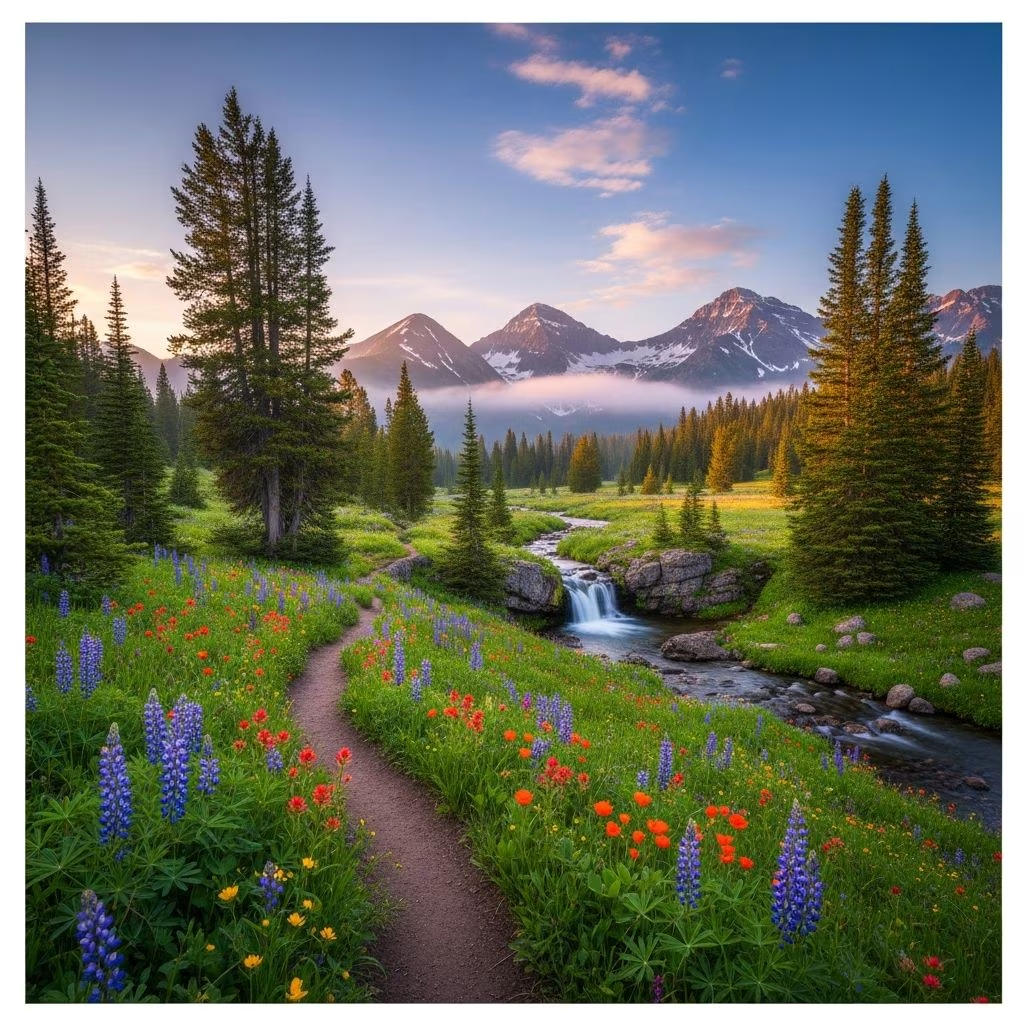
Spring transforms landscapes across the United States into vibrant playgrounds for hikers. With temperatures rising but not yet scorching, wildflowers carpeting trails, and snowmelt feeding cascading waterfalls, this season offers prime conditions for outdoor exploration. From arid deserts awakening with color to misty mountains bursting with greenery, the best states provide diverse terrain suitable for beginners and experts alike. This guide highlights standout destinations, drawing on natural features like national parks and state preserves that peak during March through May.
Spring avoids summer’s extreme heat and crowds while delivering milder weather ideal for long treks. In southern regions, daytime highs often hover in the 60s to 70s Fahrenheit, perfect for all-day adventures without overheating. Northern areas thaw from winter, revealing fresh greenery and flowing streams. Wildflower superbloom events, triggered by winter rains, add spectacular visuals—think carpets of poppies, lupines, and irises. Waterfalls roar at full force from snowmelt, and wildlife emerges, making sightings of deer, birds, and even bears more common. According to the National Park Service, visitation surges in spring at popular sites due to these optimal conditions, but strategic timing sidesteps peak crowds.
Arizona shines in spring as northern elevations offer comfortable 60s while southern deserts stay below 80s. This contrast allows hikers to chase wildflowers without battling intense heat. The state’s red rock formations and vast canyons provide dramatic backdrops, with trails accessible year-round but magical in spring.
Pack layers for variable microclimates and plenty of water—desert hikes demand hydration even in cool weather.
Utah’s spring allure lies in its five national parks, where sandstone spires and arches frame blooming prickly pear cacti. Temperatures climb into the 70s, but early mornings beat the crowds drawn to these iconic sites. Spring Break timing requires off-peak visits to quieter areas.
Permits for popular trails book fast; check recreation.gov. Sturdy boots handle slickrock terrain.
Late spring in Tennessee brings lush undergrowth to the Great Smoky Mountains, the most visited U.S. national park. Over 1,500 flowering plants bloom from February to June, with waterfalls at peak flow. Mild 60-70s weather suits multi-day explorations.
| Trail Name | Distance | Highlights |
|---|---|---|
| Laurel Falls | 2.6 miles | 80-foot cascade, easy access, wildflowers. |
| Alum Cave to Mount LeConte | 11 miles RT | Cliff overhangs, arches, 360-degree summit views. |
| Cades Cove Loop | 11 miles | Wildlife spotting, historic sites, rolling hills. |
| Rainbow Falls | 5.4 miles | 80-foot misty drop, LeConte Creek scenery. |
Free entry draws millions; arrive early. Bear spray recommended for backcountry.
California’s diversity spans nine national parks, from sea-level islands to 14,000-foot summits. Spring greens deserts, blooms coastal meadows, and thaws high country. Avoid Yosemite’s summer throngs by hitting lower-elevation gems.
Yosemite’s Upper Yosemite Falls (7.2 miles) offers vertigo-inducing views post-snowmelt.
Colorado’s Rockies emerge from snow in late spring, revealing aspen groves and columbine blooms. Lower trails around Aspen access 14ers without full winter gear.
Check for trail openings; microspikes may aid early snow patches.
Pacific Northwest springs feature fern-lined paths and roaring falls in old-growth forests. Oregon’s coast delivers rugged seascapes.
Rain gear essential; rhododendrons peak May-June.
Layer with moisture-wicking base, insulating mid, and waterproof shell. Trekking poles stabilize uneven terrain. Navigation apps like AllTrails plus paper maps prevent getting lost. Sunscreen, hat, and 3-4 liters water per person. Inform someone of plans; check weather. Wildlife: store food properly, make noise on trails.
Monitor park websites for conditions; apps like Gaia GPS track real-time updates.
April balances mild weather and blooms across most regions, though it varies by state—March for deserts, May for mountains.
Popular parks see Spring Break rushes; opt for weekdays or lesser-known trails like Canyonlands’ Maze.
Hiking boots, layers, rain jacket, hydration pack, headlamp for long days, and bear spray in wildlife areas.
National parks generally prohibit dogs; state parks vary—check rules.
Hydrate, ascend gradually, avoid alcohol; symptoms include headache—descend if severe.
