

 Travel Essentials
 Travel Essentials

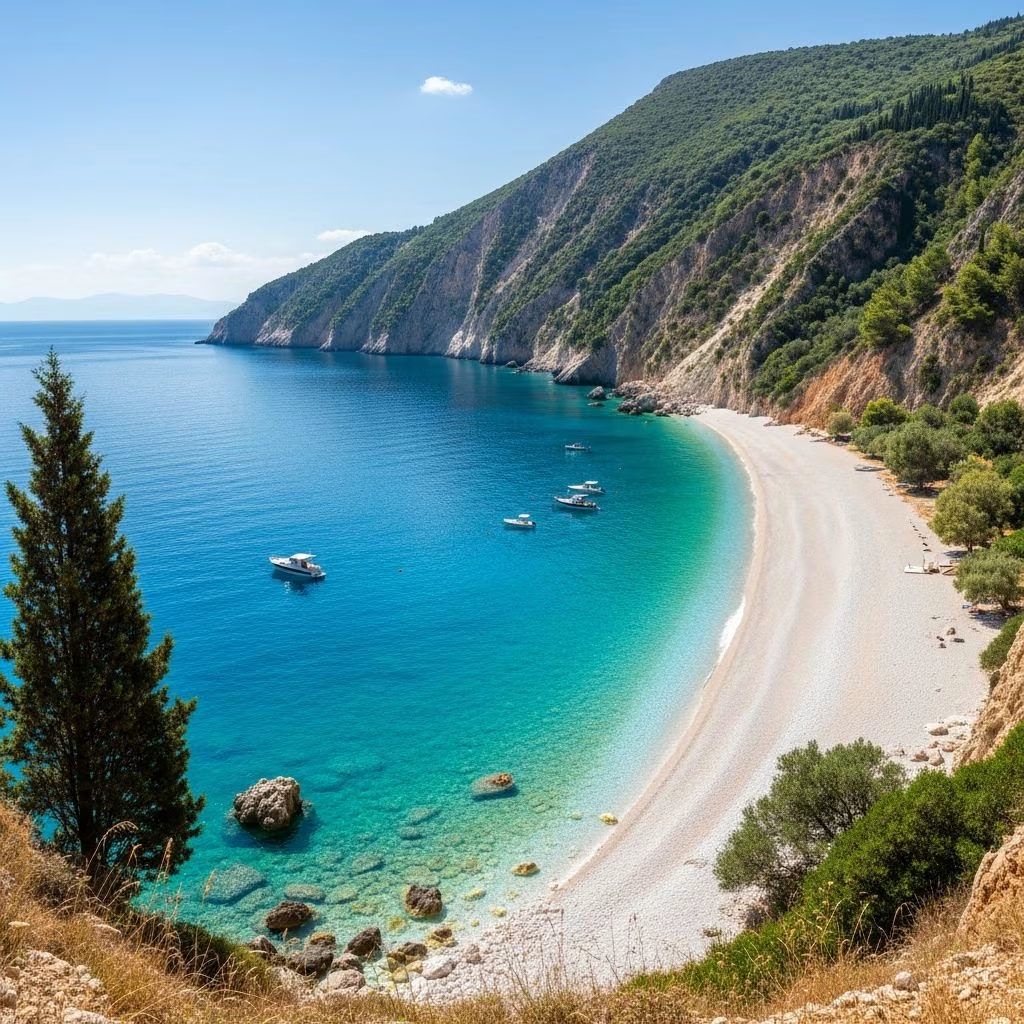
Explore Fteri Beach on Kefalonia, Greece—a secluded paradise with white cliffs and turquoise waters, ranked among the world's best beaches.
 Travel Essentials
Nestled on the northern coast of Kefalonia in Greece, Fteri Beach has garnered international recognition as one of the continent’s most extraordinary natural landmarks. This secluded sanctuary, surrounded by towering white cliffs and blessed with pristine turquoise waters, represents the epitome of unspoiled Mediterranean beauty. The beach’s recent accolades from global travel authorities have positioned it as a must-visit destination for discerning travelers seeking authentic coastal experiences away from commercialized resort environments.
Fteri Beach occupies a unique position within Kefalonia’s dramatic landscape, situated in a secluded cove that feels virtually isolated from the modern world. The Ionian island of Kefalonia, located on Greece’s western coastline facing Italy, is characterized by an intricate network of cliff-backed bays, limestone formations, and distinctive geological features that have shaped its reputation as a premier island destination.
The beach itself showcases nature’s remarkable artistry through its composition of white pebbles intermingled with fine sand, creating a distinctive surface that contrasts brilliantly against the azure waters. What truly distinguishes Fteri from other Mediterranean beaches is the majestic framework of white limestone cliffs that curve protectively around the cove, forming an almost amphitheater-like setting. These geological formations, combined with the clarity of the water and the beach’s limited accessibility, create an almost otherworldly atmosphere that photographers and nature enthusiasts find irresistible.
The international travel community has increasingly recognized Fteri Beach’s exceptional qualities. According to leading travel experts and influencers surveyed in recent rankings, Fteri Beach secured the fourth position globally among the world’s most exceptional beaches. In separate assessments, the beach has been positioned as the second-best beach in Europe, surpassing numerous competitors across the continent. These rankings underscore the beach’s exceptional appeal and its status as a preeminent destination within the Mediterranean region.
Among Greek beaches specifically, Fteri Beach outperforms other celebrated locations. The beach ranks ahead of other renowned Kefalonian beaches and surpasses iconic destinations found elsewhere in Greece, including famous beaches in Crete and the broader Aegean region.
The exclusivity of Fteri Beach stems partly from its intentionally challenging accessibility, which has preserved its pristine character and limited overcrowding compared to easily accessible beach destinations.
The primary overland route to Fteri Beach originates from the small village of Zola, situated on Kefalonia’s northwestern coast. This hiking trail requires approximately 40 minutes of traversing steep terrain, demanding appropriate footwear and a reasonable level of physical fitness. Travelers are advised to wear sturdy sneakers or hiking boots, as the rocky path presents considerable challenges and the white pebble surface of the beach itself requires protective footwear for comfortable walking. A local guide is highly recommended for navigating this demanding route safely, particularly for those unfamiliar with mountainous terrain.
For those preferring to avoid the lengthy hike, water taxi services operate from the port of Zola, transporting visitors directly to Fteri Beach in approximately 10 minutes. The standard fare for round-trip service is approximately 20 euros per person. These marine taxis operate throughout the day at regular intervals, with the busiest periods typically featuring departures every 30 minutes or more frequently during peak season.
Understanding seasonal patterns enables visitors to maximize their experience at Fteri Beach while managing expectations regarding weather conditions and crowd levels.
Mediterranean conditions at Fteri Beach remain optimal from June through October, during which the sea maintains exceptional calmness and water temperatures reach comfortable levels for swimming. This extended window provides the most favorable conditions for water activities and beach enjoyment. July and August represent the absolute peak of the European summer holiday season, resulting in significantly higher visitor concentrations and crowded conditions.
Experienced travelers recommend visiting Fteri Beach during early morning hours, specifically before water taxi operations commence their regular schedules. During these quiet periods, visitors often find the beach nearly deserted, allowing for peaceful communion with the natural environment. As taxi services begin regular operations and deposit successive groups of tourists, the beach becomes progressively busier throughout the day.
June and September emerge as ideal compromise periods, offering excellent weather conditions coupled with substantially reduced visitor populations compared to July and August peak season activity. These shoulder months provide the optimal balance between favorable weather and manageable crowd levels.
Multiple distinctive elements contribute to Fteri Beach’s exceptional visual appeal and the memorable experiences it provides to visitors.
The water surrounding Fteri Beach exhibits remarkable transparency and luminosity, displaying an intensely vibrant turquoise coloration that appears almost unreal in its intensity. This exceptional clarity results from the Ionian Sea’s pristine conditions and the beach’s protected cove location, which minimizes sediment disturbance and maintains water purity.
Towering white limestone cliffs frame the entire beach perimeter, creating a dramatic natural fortress that enhances the sense of seclusion and isolation. A notable cave formation carved into the rock on the far left side of the beach invites exploration and swimming for adventurous visitors, adding another dimension to the beach experience.
Unlike the sandy beaches common throughout many Mediterranean destinations, Fteri Beach consists primarily of white pebbles mixed with finer sand, creating a distinctive tactile experience. Visitors should bring appropriate footwear or be prepared to walk carefully across the pebbled surface, as bare feet can experience discomfort.
Visitors planning a day at Fteri Beach must understand that this destination deliberately lacks the amenities typical of developed resort beaches. This intentional absence of commercial infrastructure contributes significantly to the beach’s pristine character and serene atmosphere.
No beach bars, restaurants, or commercial refreshment stands operate at Fteri Beach. Toilet facilities are unavailable, requiring visitors to plan accordingly. The absence of beach umbrellas, sunbeds, or rental equipment necessitates that travelers bring all required supplies independently. Experienced visitors strongly recommend bringing adequate water supplies, non-perishable food items, umbrellas or sun protection equipment, and all personal necessities, as no services exist to purchase forgotten items.
Perhaps the most distinctive characteristic of Fteri Beach is the profound silence and acoustic environment. Visitors consistently report that the primary auditory experience involves only natural elements—the gentle lapping of waves against pebbles, the breeze through surrounding vegetation, and occasional bird calls. This absence of commercial noise, beach bar music, or human-generated activity creates a meditative atmosphere that deeply resonates with those seeking respite from modern life’s constant stimulation. This serene acoustic environment represents an increasingly rare experience in contemporary beach tourism.
| Beach Name | Global Ranking | European Ranking | Accessibility | Primary Features |
|---|---|---|---|---|
| Fteri Beach | #4 Worldwide | #1-2 Europe | Hike/Boat Only | White cliffs, turquoise water, seclusion |
| Voutoumi | — | #3 Europe | Boat Access | Sandy beach, developed amenities |
| Porto Katsiki | — | #5 Europe | Limited Access | Cliff formations, scenic views |
| Myrtos Beach | — | Top Ranked | Road Access | Long sandy stretch, famous location |
The challenging accessibility of Fteri Beach has created a natural conservation mechanism, limiting visitor numbers and reducing environmental impact compared to easily accessible destinations. However, recent increased recognition has prompted concerns regarding waste management and environmental degradation. Local residents and environmental advocates note that accumulating trash, particularly at areas frequented by visitors, requires enhanced cleaning initiatives and governmental support. Travelers are strongly encouraged to practice leave-no-trace principles, removing all personal waste and leaving the beach in pristine condition for subsequent visitors.
Fteri Beach has become increasingly popular among photography enthusiasts and content creators, with its dramatic geological features and exceptional lighting conditions providing compelling visual material. The contrast between white limestone cliffs, turquoise water, and white pebbles creates photographic opportunities throughout different times of day. The afternoon light particularly illuminates the cliffs, which appear to glow against the sky, creating visually stunning compositions.
The hiking route from Zola village typically requires approximately 40 minutes of continuous hiking over steep terrain. The duration may vary based on individual fitness levels and familiarity with mountainous hiking.
Water taxi services operate at approximately 20 euros per person for round-trip transportation, with journey duration of roughly 10 minutes each direction.
The optimal visiting window extends from June through October for favorable weather. Early morning visits before regular water taxi operations typically offer the most serene experience with minimal crowds.
Fteri Beach deliberately lacks commercial infrastructure. No restaurants, bars, toilets, or equipment rental services operate at this destination, requiring visitors to bring all necessary supplies.
The sheltered cove location provides relatively calm swimming conditions, particularly during the June-October period when Mediterranean seas remain gentle. However, visitors should exercise standard water safety precautions and be aware of changing conditions.
The challenging hiking route and lack of facilities make the beach less suitable for very young children. Families with older children capable of managing the hike or preferring boat transport may find the experience rewarding.
Fteri Beach represents a remarkable example of preserved natural beauty within the increasingly developed Mediterranean tourism landscape. Its combination of exceptional geological features, pristine water conditions, and intentional accessibility limitations has secured its position as one of Europe’s premier coastal destinations. Visitors who undertake the effort to reach this secluded cove discover an experience fundamentally distinct from commercialized beach environments, providing authentic connection with Mediterranean nature and the opportunity for genuine respite from contemporary life’s demands.
