

 Travel Essentials
 Travel Essentials

Comprehensive guide to gorilla trekking in Rwanda: permits, packing essentials, health prep, best lodges, and trek day tips for unforgettable wildlife encounters.
 Travel Essentials
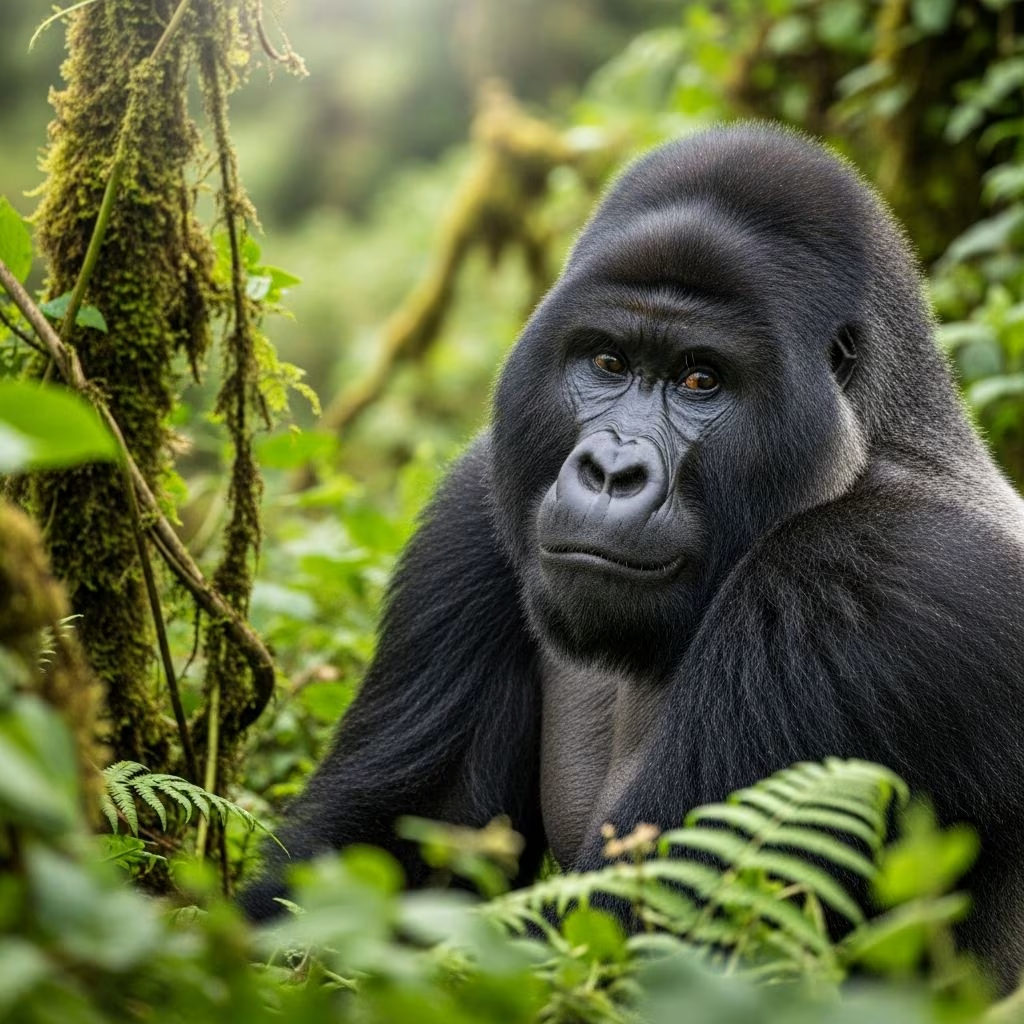
Encountering mountain gorillas in their natural habitat ranks among the world’s most thrilling wildlife experiences. Rwanda’s Volcanoes National Park offers access to over half of the remaining 1,000 mountain gorillas, making it a premier destination for this bucket-list adventure. This guide equips you with practical knowledge on preparation, logistics, and on-the-ground strategies to ensure a seamless journey.
Gorilla permits are the gateway to this exclusive activity, strictly limited to eight visitors per family group daily to minimize human impact. Priced at $1,500 per person, they must be booked well in advance—ideally 3-6 months ahead for peak seasons (June-September, December-February).
Permits are managed by the Rwanda Development Board (RDB). Contact authorized tour operators or visit official RDB channels for reservations. Availability fills quickly, especially for popular groups like Susa A, known for its long climbs. Golden monkey permits, at $100, offer a more affordable alternative in the same park.
Rwanda’s equatorial climate features two wet seasons (March-May, October-November) and two dry periods. Dry months provide easier trekking with less mud, though rain can occur anytime in the rainforest. Mornings start cool (around 10°C/50°F), warming to 20-25°C (68-77°F) by afternoon.
| Season | Weather | Trekking Conditions | Pros | Cons |
|---|---|---|---|---|
| June-September (Dry) | Mild, occasional showers | Firmer trails | Clearer views, fewer crowds mid-season | Higher permit demand |
| December-February (Dry) | Warm, low rain | Good traction | Holiday vibe, blooming flora | Peak pricing |
| March-May, Oct-Nov (Wet) | Frequent rain, misty | Muddy, slippery paths | Lower costs, lush greenery | Challenging hikes |
Shoulder seasons balance weather and crowds. Monitor RDB updates for any seasonal restrictions.
Packing prioritizes waterproofing, protection from nettles and insects, and lightweight mobility. Rwanda bans plastic bags, so opt for reusable alternatives. A 20-30L daypack is ideal; hire a porter ($10-15/day) to carry it, supporting locals.
Rent sticks/ponchos at park headquarters if needed, but bring fitted boots and layers.
Treks last 2-8 hours over steep, vegetated terrain up to 3,500m elevation. Moderate fitness suffices; porters ease the load. Consult a doctor 4-6 weeks prior for vaccines: yellow fever (mandatory for some borders), hepatitis A/B, typhoid, rabies if extended stays.
Altitude sickness risks increase above 2,500m—stay hydrated, ascend gradually. Malaria prophylaxis recommended; use nets at lodges. Rwanda is Ebola-free, but check CDC/WHO advisories.
Fly into Kigali International Airport (KGL). Domestic flights or 2.5-hour drive to Kinigi (park HQ). Pre-book transfers; roads improve but rainy seasons slow travel. Visa on arrival ($50) for most nationalities; e-visa advised.
Stay in Musanze (Ruhengeri) area night before trek. Park opens 7 AM briefing.
Luxury options blend volcano views with comfort:
Book with trek packages for seamless coordination.
Expect 5-7 AM pickup from lodge. 30-min drive to HQ for briefing: rules (1m distance, 1 hour max, no flash/eating). Match to group via fitness level. Scout trackers locate gorillas; hike begins—1-7 hours one-way.
Encounter: Sit quietly, observe silverbacks, mothers, playful juveniles. Return by 4 PM. Evening: Relax, debrief with rangers.
Moderate; anyone healthy can manage with porter help. Elderly/kids over 15 allowed; sedan chairs for mobility issues.
Not recommended pregnant or with heart/respiratory conditions due to exertion/altitude.
Treks proceed; ponchos provided. Muddy but gorillas don’t mind.
No refunds; rescheduling rare. Travel insurance covers cancellations.
Yes: Kigali genocide memorial, Lake Kivu, Akagera game drives, Nyungwe canopy walks.
| Item | Cost (USD) |
|---|---|
| Gorilla Permit | 1,500 |
| 3-Night Lodge Stay | 900-3,000 |
| Transfers/Meals | 200-400 |
| Drinks/Tips/Porter | 100-200 |
| Total (per person) | 2,700-5,100 |
Use USD/Euros; ATMs in Kigali/Musanze dispense RWF. Tip guides $20/day, porters $10-15.
Leave no trace: Biodegradable items only. Mute colors/voices in forest. Support communities via lodge purchases. RDB enforces anti-poaching; your fee funds conservation (85% to locals/park).
Post-trek: Share photos responsibly, advocate for gorilla protection.
