

 Travel Essentials
 Travel Essentials

Explore Popcorn Beach in Fuerteventura, Spain. Learn how to get there, what makes it special, and essential visitor tips for this viral destination.
 Travel Essentials
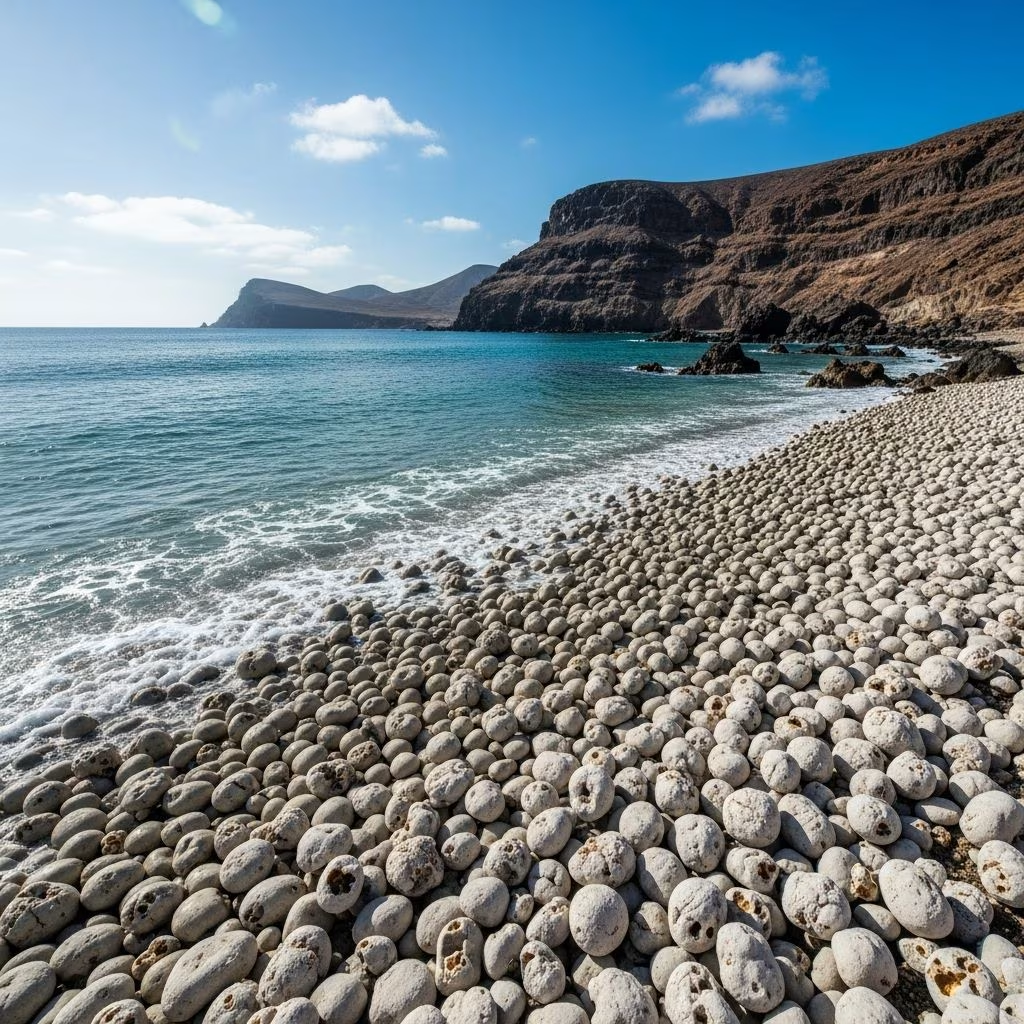
Nestled along the northern coastline of Fuerteventura, one of Spain’s Canary Islands, lies an extraordinary beach that has captivated travelers and nature enthusiasts from around the world. Known as Popcorn Beach or officially Playa del Bajo de la Burra, this remarkable destination combines stunning ocean vistas with geological formations that defy expectation. The beach’s distinctive appearance and pristine natural environment have earned it recognition as one of the most impressive natural attractions in the entire archipelago.
What distinguishes this location from typical sandy beaches is its composition of white, rounded formations that bear an uncanny resemblance to popcorn kernels. These geological features represent thousands of years of natural processes, creating a landscape that appears almost otherworldly to first-time visitors. The beach’s recent surge in popularity across social media platforms has transformed it from a well-kept local secret into an increasingly sought-after travel destination.
The signature white “popcorn” elements that give this beach its memorable name are not ordinary sand or shell fragments. Rather, they consist of fossilized calcareous algae, scientifically known as rhodoliths, which have been shaped and polished by the Atlantic Ocean’s powerful waves over countless centuries. This organic material originates from marine organisms and coral remnants that have washed ashore and undergone natural calcification processes.
The formation of these unique structures demonstrates the dynamic relationship between oceanic forces and geological composition. The constant movement of water, combined with the specific mineral content of the surrounding seabed, has created formations that appear remarkably uniform in size and shape. While visitors may encounter similar white calcified structures at other coastal locations worldwide, the concentration and quality of these formations at Fuerteventura’s Popcorn Beach represent one of the most visually striking examples available.
Popcorn Beach is situated on the northern coast of Fuerteventura within the municipality of La Oliva. The beach lies in close proximity to Corralejo, a well-established tourist destination that serves as an ideal base for exploring the region. The specific positioning on the island’s northern shoreline places it approximately 7 kilometers from Corralejo and roughly 4.5 kilometers from Majanicho, a small fishing village that adds to the area’s authentic character.
The broader region surrounding the beach features rugged coastal landscapes characteristic of Fuerteventura’s northern territory. Rocky outcrops, windswept terrain, and dramatic ocean views create an environment that feels removed from standard beach resort experiences. This isolation contributes significantly to the location’s appeal, offering visitors a sense of discovery and adventure rather than typical crowded beach tourism.
Reaching Popcorn Beach requires some planning, as the destination remains intentionally off conventional tourist routes. Several viable transportation methods exist, each offering distinct advantages depending on visitor preferences and physical capabilities.
For adventurous travelers, a scenic hiking trail connects Corralejo to Popcorn Beach, typically requiring approximately one hour of walking time. This route follows the coastline, providing continuous views of the Atlantic Ocean and the rugged northern landscape. The hiking option allows visitors to experience the terrain at a leisurely pace, with frequent opportunities to pause for photography. While the trail duration of one hour represents the standard timeframe, actual completion time varies significantly based on individual fitness levels and the number of photo stops undertaken during the journey.
Most visitors opt for vehicle transportation due to its convenience and accessibility. The drive from Corralejo typically requires approximately 15 minutes to reach the beach area. The route involves traveling west toward El Cotillo before turning toward Majanicho, the small fishing village adjacent to the beach. Visitors should prepare for unpaved road conditions, as the final section of the journey involves gravel tracks with uneven surfaces. Standard rental vehicles can navigate these roads, though careful driving remains essential.
For those seeking enhanced comfort and capability on rougher terrain, renting a 4×4 vehicle represents an advantageous option. This vehicle type handles the gravel roads more effectively and provides a smoother driving experience. All parking areas surrounding the beach are offered free of charge, allowing visitors to stop safely whenever desired.
Bicycle rentals available in Corralejo provide an environmentally conscious alternative to vehicular travel. This option transforms the journey to Popcorn Beach into a scenic coastal ride, permitting travelers to pause at multiple locations along the way. The moderate distance of approximately 6 kilometers makes cycling an achievable option for visitors with reasonable fitness levels.
Local taxi services operating from Corralejo offer another convenient transportation method. Given the relatively short distance to the beach, taxi fares remain reasonable, and local drivers possess detailed knowledge regarding the different sections of the popcorn beach complex.
Visitors should equip themselves with appropriate supplies before traveling to Popcorn Beach. Sun protection, including high-SPF sunscreen and hats, proves essential given Fuerteventura’s strong solar radiation and limited natural shade. Ample fresh water supplies help maintain hydration throughout the visit, though a small café operates on the beach premises offering refreshments and additional water availability.
Comfortable walking shoes rated for uneven terrain benefit visitors planning to explore the beach’s surface or hike the coastal trails. The calcified algae formations, while visually appealing, create an uneven walking surface that requires appropriate footwear. Lightweight layers accommodate changing wind conditions common along the northern coast.
A critical regulation governs visitor behavior at Popcorn Beach: collection of the popcorn formations is strictly prohibited. These materials, though appearing like decorative souvenirs, constitute protected ecological components essential to the local marine ecosystem. Violating this restriction results in substantial financial penalties. Respecting this regulation demonstrates appreciation for the natural environment and ensures the beach’s preservation for future visitors.
While swimming occurs at certain sections of traditional beaches on the island, portions of Popcorn Beach designated for viewing restrict swimming activity. Visitors should observe posted signage and inquire locally regarding safe areas for water activities.
Rather than existing as a singular location, Popcorn Beach comprises a collection of interconnected beach areas along Fuerteventura’s northern coast. The most frequently photographed section, Playa del Mejillón, sits approximately 6 kilometers from Corralejo and attracts the majority of visiting photographers seeking iconic imagery. This prominence in online photography has elevated Playa del Mejillón to primary recognition status among the popcorn beach groupings.
Adjacent beaches within the complex include Caleta del Barco, Playa El Hierro, and Bajo de la Burra, each offering distinct characteristics while sharing the signature white calcified algae formations. Visitors with flexible schedules benefit from exploring multiple locations within this beach system, discovering subtle variations in geological composition and landscape features.
Fuerteventura’s northern coast experiences consistent wind conditions due to its geographical positioning. Visitors should anticipate stronger breezes compared to sheltered southern beach locations. This wind characteristic, while initially surprising to some travelers, contributes to the landscape’s distinctive appearance and creates dynamic atmospheric conditions ideal for photography during specific times of day.
Year-round accessibility means that seasonal restrictions do not typically prevent visits to Popcorn Beach. However, summer months may bring increased visitor volumes and more intense solar exposure, while winter periods offer milder temperatures and potentially calmer ocean conditions suitable for those sensitive to wind exposure.
The beach’s remarkable geological formations make it exceptionally photogenic, particularly during golden-hour periods shortly after sunrise or before sunset. The white calcified formations create striking visual contrasts against blue ocean waters and dramatic sky backdrops. Visitors frequently pause for extended photography sessions, taking advantage of the natural lighting conditions and landscape diversity available throughout the beach complex.
| Travel Detail | Information |
|---|---|
| Location | Northern coast, municipality of La Oliva |
| Distance from Corralejo | Approximately 7 kilometers |
| Driving Time | Approximately 15 minutes |
| Hiking Duration | Approximately 1 hour |
| Parking Cost | Free |
| Road Type | Gravel roads with uneven surfaces |
| Facilities | Small café available |
The beach earned this distinctive name due to its surface composition of white, rounded fossilized algae formations that visually resemble popcorn kernels. These calcified structures, created over centuries of oceanic action, create an appearance strikingly similar to the popular snack food.
No. Collecting the calcified algae formations is strictly prohibited due to their ecological importance and protected status. Violations result in substantial financial penalties.
Portions of Popcorn Beach restrict swimming activity. Visitors should observe posted signage and inquire locally regarding safe areas for water activities before entering the ocean.
Standard rental vehicles can navigate the gravel roads with careful driving. Four-wheel-drive vehicles provide enhanced capability and comfort on rougher terrain sections.
A small café operates directly on the beach, offering snacks and beverages. Visitors should plan accordingly, as dining options remain limited in this remote coastal location.
Visitor volumes have increased due to social media popularity, particularly during summer months and peak tourism seasons. Off-season visits typically offer quieter experiences with reduced crowds.
Popcorn Beach represents more than merely another coastal destination in the Canary Islands. This geological marvel offers visitors an authentic encounter with natural processes, combining visual beauty with educational value regarding marine ecosystems and coastal formation dynamics. The beach’s deliberate remoteness, protected status, and unique characteristics create an experience distinct from conventional tourism offerings.
Whether traveling to Fuerteventura for relaxation, photography, nature appreciation, or adventure, Popcorn Beach provides memorable experiences that justify the effort required to reach this northern coastal location. The combination of accessibility through multiple transportation methods, fascinating geological formations, and environmental significance establishes this destination as an essential component of any comprehensive Fuerteventura itinerary.
