

 Travel Essentials
 Travel Essentials

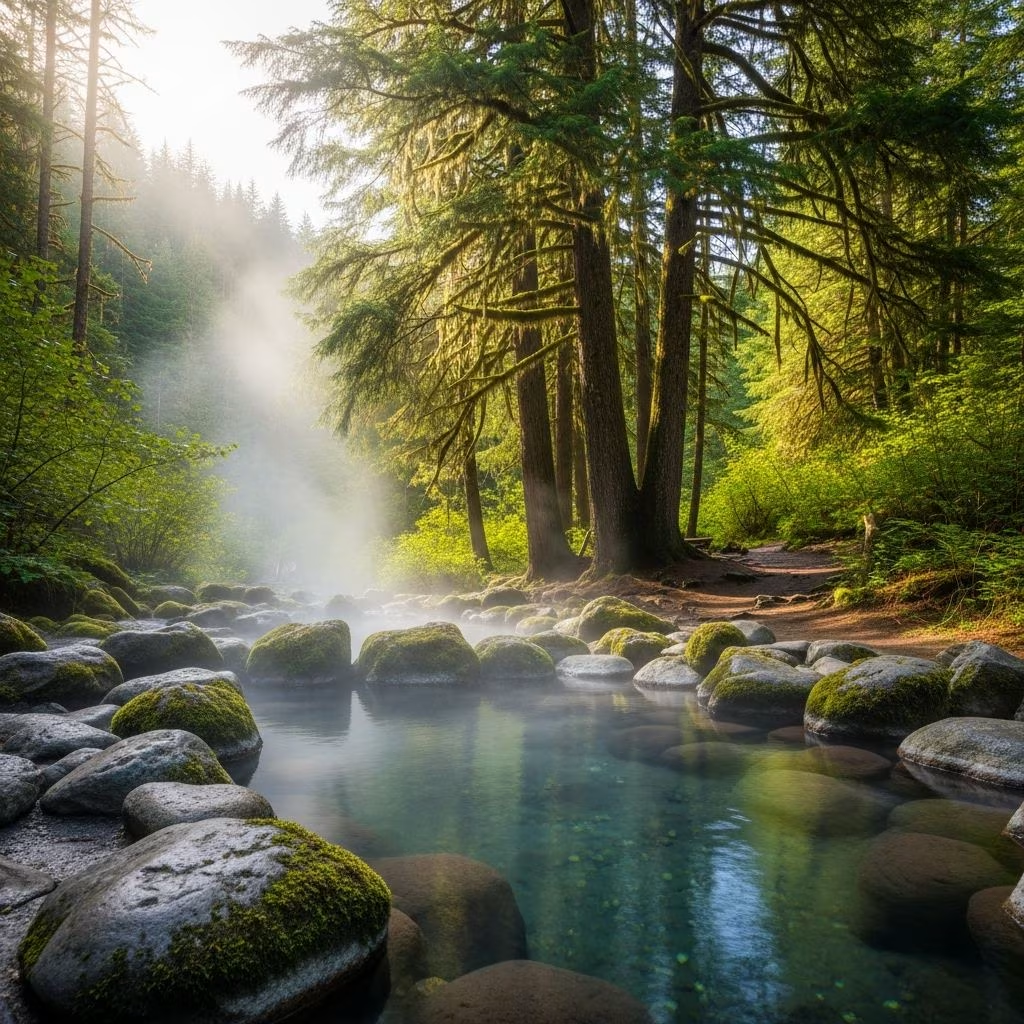
Explore Sol Duc Hot Springs in Olympic National Park, featuring natural thermal pools, scenic hiking, and a rich cultural heritage spanning over a century.
 Travel Essentials
Nestled within the expansive wilderness of Olympic National Park, Sol Duc Hot Springs represents one of the Pacific Northwest’s most distinctive natural attractions. These geothermal mineral springs have captivated visitors for generations, offering a unique combination of therapeutic waters, pristine natural surroundings, and outdoor recreation opportunities. Located approximately 40 miles west of Port Angeles along U.S. Highway 101, this remarkable destination has evolved from a modest tourist draw into a fully developed resort destination that continues to attract nature enthusiasts from around the globe.
The thermal waters at Sol Duc emerge from deep within the earth’s geological layers, where geothermal heat warms mineral-rich water before it bubbles to the surface near the Sol Duc River. This natural process has been occurring for millennia, creating the distinctive sulfurous waters that visitors experience today. The mineral composition of these springs gives them unique properties that have drawn people seeking relaxation and potential therapeutic benefits.
The name “Sol Duc” itself carries significant meaning, derived from the Quileute tribal language and translating to “sparkling water.” This designation reflects the visual character of the springs as they catch and reflect sunlight. Before 1992, the region was officially spelled “Soleduck,” but the Washington State Board on Geographic Names officially standardized the spelling to “Sol Duc” to honor the authentic indigenous terminology.
The resort infrastructure at Sol Duc began its remarkable journey on May 15, 1912, when the first resort opened to accommodate the growing number of visitors seeking the springs’ purported healing properties. This inaugural establishment was an extraordinarily elaborate structure for its time, reflecting the era’s optimism about thermal tourism. However, this grand facility met an unfortunate fate when it burned down in 1916, temporarily halting the resort’s operations.
Following this setback, a more modest resort structure was constructed in 1920 and operated relatively quietly for decades. By the 1980s, recognizing the enduring appeal of the location and the need to modernize facilities, a substantially remodeled resort was built. This contemporary version maintains the essential character of the destination while providing upgraded amenities and improved accessibility for visitors.
The historical significance of Sol Duc’s development cannot be overstated. During the early 1900s, when the first resort was operational, over 10,000 visitors annually came from around the world to experience the springs, despite the challenges of travel during that era. This remarkable visitation rate demonstrated the powerful draw these natural thermal waters held for travelers seeking wellness and adventure.
The contemporary Sol Duc Hot Springs Resort offers a comprehensive range of facilities designed to accommodate various visitor preferences and needs. The resort features three distinct mineral hot spring soaking pools alongside one freshwater pool, each offering different temperature profiles to suit individual preferences and comfort levels.
Beyond the pools themselves, the resort complex includes comfortable rental cabins for overnight visitors, a functioning campground for those preferring tent-based accommodation, a restaurant serving meals throughout the day, and a gift shop featuring an extensive collection of books and regional merchandise. Supporting amenities include changing rooms, shower facilities, and the option to purchase swimwear and towels for visitors who arrive unprepared.
The operational company, Aramark Parks and Destinations, manages the resort on behalf of Olympic National Park, ensuring that facilities meet national park standards while providing quality visitor experiences.
One of Sol Duc’s most compelling features is the dramatic natural setting that frames the resort experience. The facility sits within a valley carved by the Sol Duc River, surrounded by towering evergreen trees and mountain vistas. Visitors soaking in the thermal pools find themselves immersed in a landscape of old-growth temperate rainforest, with ancient trees creating a cathedral-like canopy overhead.
The Sol Duc Falls, located nearby, represents one of the most photographed waterfalls in the region. When snowmelt occurs in late spring and early summer, these cascades transform into spectacular torrents of water, creating a dramatic natural display. The region encompasses miles of established hiking and backpacking trails that traverse pristine forests, follow pristine waterways, and lead to high alpine lakes.
This remote location, situated far from major urban centers and highway corridors, has helped preserve the area’s authentic character and natural integrity. The relative isolation that once made Sol Duc challenging to reach has become one of its greatest assets, attracting visitors specifically seeking escape from developed areas.
The history of Sol Duc extends far beyond the 1912 resort opening. Native peoples, particularly the Quileute tribes, utilized these thermal springs long before European contact, recognizing their therapeutic properties and spiritual significance. The springs held important cultural meaning within indigenous communities, representing a place of healing and renewal.
A central element of Quileute cultural tradition surrounding Sol Duc involves a legendary narrative explaining the springs’ origins. According to tribal oral history, two powerful dragons inhabited separate valleys—one in the Sol Duc Valley and one in the Elwha Valley. Upon discovering each other’s existence atop the ridge separating these valleys, the dragons engaged in a fierce battle over territorial claims. The legend describes how the springs were formed from the tears of these warring dragons, with the mineral-rich waters representing nature’s response to their conflict.
This cultural narrative adds a layer of meaning to the visitor experience, transforming the simple act of soaking into a connection with indigenous storytelling and spiritual traditions. The legend endures as a compelling alternative explanation to the geological reality of geothermal heating, offering visitors both scientific understanding and cultural resonance.
Olympic National Park maintains a distinctive position among American national parks in recognizing and honoring indigenous sovereignty. The park remains home to native peoples who continue traditional practices and hold the legal right to close certain park areas for private ceremonies, demonstrating an evolved understanding of conservation that incorporates indigenous stewardship.
The resort is located at 12076 Sol Duc Hot Springs Road, accessible via U.S. Highway 101 approximately 40 miles west of Port Angeles, Washington. For visitors traveling from Seattle, the journey typically involves a ferry crossing followed by a scenic drive along the Olympic Peninsula. The drive from Port Angeles to Sol Duc provides increasingly dramatic views as travelers approach the park boundary and enter the temperate rainforest zone.
The pools operate seasonally, with expanded hours during peak summer months. Day-use access is available when the resort is operational, allowing visitors to enjoy the pools without overnight accommodation. Current entry fee structures adjust based on timing, with reduced rates implemented after evening hours to accommodate visitors with flexible schedules.
The resort complex maintains standards consistent with national park infrastructure, with all pools tested daily to ensure compliance with safety and health regulations. This commitment to visitor safety ensures that individuals of various ages and physical conditions can confidently enjoy the facilities.
Beyond soaking in the thermal pools, visitors to Sol Duc can engage in numerous recreational activities. The extensive trail system provides opportunities for day hikes ranging from casual walks to strenuous backcountry excursions. The half-mile walk from the campground to the hot springs pool complex itself offers a pleasant introduction to the surrounding forest environment.
Fishing enthusiasts find opportunities along the Sol Duc River, which runs adjacent to the resort facilities. Photographers discover endless composition possibilities, from intimate forest details to expansive mountain vistas. The changing seasons create dramatically different experiences, with spring wildflower displays, summer accessibility, autumn foliage transitions, and winter snow creating distinct atmospheres throughout the year.
| Accommodation Type | Best For | Features |
|---|---|---|
| Rental Cabins | Comfort seekers | Private spaces with modern amenities |
| Campground | Budget travelers and camping enthusiasts | Traditional camping experience in natural setting |
| Day Use Only | Regional travelers | Access to pools without overnight stay |
Visitors should note that cabin and campground reservations are essential during peak summer months, as availability becomes extremely limited. Advanced booking, sometimes several months ahead, increases the likelihood of securing preferred accommodation. Day-use visits offer flexibility for those unable to secure overnight accommodations.
The resort operates seasonally, with peak operations during summer months. Visitors should verify current operating schedules before planning visits, particularly during shoulder seasons or winter months.
The three mineral pools maintain temperatures ranging from 85 to 105 degrees Fahrenheit. The freshwater pool remains cooler, typically in the 75-80 degree range. Visitors can choose pools matching their preferred soaking temperature.
The distinctive sulfurous scent reflects the mineral composition that gives the springs their therapeutic qualities. Most visitors acclimate to the smell quickly, and many find it adds to the authentic natural experience.
Yes, one of the three thermal pools accommodates families with children, while the other two restrict access to older visitors. The freshwater pool welcomes all ages for swimming and recreation.
Miles of trails traverse the surrounding forest, ranging from easy walks to challenging backcountry routes. Sol Duc Falls trails offer popular moderate-difficulty options with spectacular waterfall views.
Sol Duc Hot Springs continues its century-long tradition of welcoming visitors seeking therapeutic relaxation, natural beauty, and outdoor adventure. Whether motivated by the legendary dragon tears of indigenous tradition or the scientific reality of geothermal mineral springs, visitors discover a remarkable destination where modern resort comfort combines with pristine wilderness character.
The springs represent more than merely a recreational facility; they embody the intersection of natural geological processes, indigenous cultural heritage, and human appreciation for therapeutic landscapes. As environmental consciousness evolves and travelers increasingly seek authentic natural experiences, Sol Duc’s position as a managed resort within a national park demonstrates a balanced approach to preservation and access.
Future visitors will continue discovering what earlier generations recognized over a century ago: the unique combination of mineral-rich thermal waters, dramatic natural scenery, and the restorative power of immersion in wilderness. Sol Duc Hot Springs stands as a testament to nature’s enduring appeal and humanity’s ability to respectfully share remarkable natural spaces.
