

 Travel Essentials
 Travel Essentials

Learn about frequent car rental errors that travelers make and discover practical strategies to protect yourself from unexpected fees and damages.
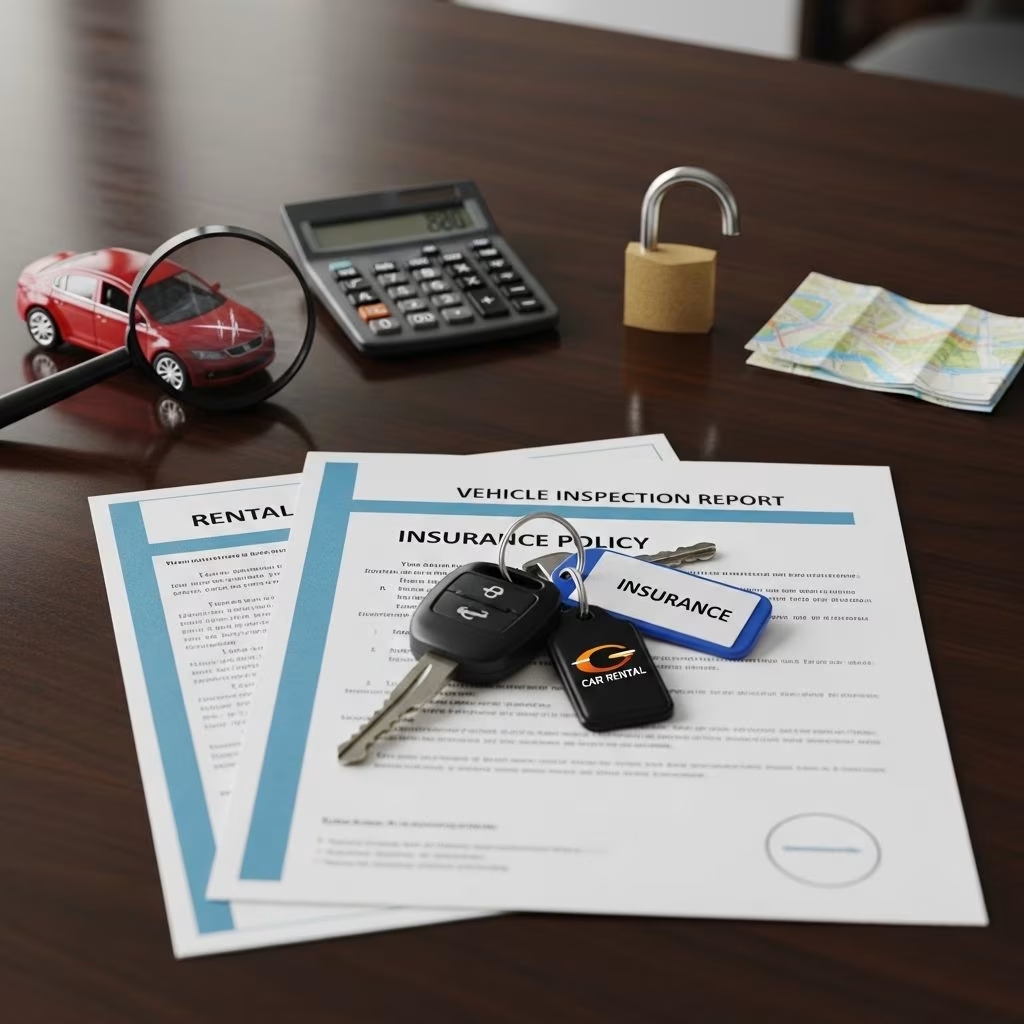 Travel Essentials
Renting a vehicle while traveling offers flexibility and independence, yet many tourists fall into traps that result in unexpected expenses and frustration. Whether you’re embarking on a weekend getaway or an extended cross-country adventure, understanding the pitfalls of car rental can save you hundreds of dollars and significant stress. This comprehensive guide explores the most frequent mistakes renters make and provides actionable solutions to protect your wallet and ensure a smooth travel experience.
The decision to rent a car often happens quickly, with travelers selecting the first available option or the cheapest price they find. This hasty approach frequently leads to regrettable outcomes. Conducting thorough research before committing to a rental is one of the most critical steps in avoiding unnecessary expenses.
Many travelers focus exclusively on the base rental rate without examining what lies behind that attractive headline price. Different rental companies apply vastly different fee structures, and comparing only the daily rate provides an incomplete picture. Taking time to read customer reviews on independent travel forums and review platforms reveals patterns about service quality, vehicle condition, and hidden charge practices specific to each company.
When evaluating rental options, examine the complete fee breakdown rather than just the advertised daily rate. Transparent pricing disclosure indicates a company’s commitment to customer satisfaction, while vague or unclear cost structures often signal problematic practices. Comparing multiple companies across the same dates and location typically uncovers significant price variations that extend well beyond the base rate.
Understanding your insurance obligations represents one of the most critical yet frequently overlooked aspects of vehicle rental. Many renters arrive at the counter without clarity on their existing coverage, leading to unnecessary expense or dangerous underprotection. Before visiting the rental location, contact your personal auto insurance provider and credit card company to determine what coverage already applies to rental vehicles. This simple step prevents redundant purchases and ensures adequate protection.
Rental companies typically offer several insurance tier options, each with different costs and coverage levels. The mandatory liability insurance covers damages you cause to other vehicles or property but does NOT protect your rental vehicle from damage. Understanding this distinction prevents the false belief that basic coverage provides comprehensive protection.
Damage waiver packages warrant careful consideration despite their additional cost. Although they increase your upfront expense, these comprehensive options shield you from potentially thousands of dollars in repair charges if accidents or significant damage occur. The decision between basic coverage and enhanced protection depends on your existing insurance policies, credit card benefits, and personal risk tolerance.
| Coverage Type | What It Covers | Typical Cost | Recommended For |
|---|---|---|---|
| Liability Only | Damages to third parties | Included | Already insured drivers |
| Collision/Damage Waiver | Rental vehicle damage | $15-25/day | High-risk drivers |
| Comprehensive Coverage | Theft, vandalism, weather | $10-15/day | Extended trips |
| Personal Effects Protection | Personal belongings theft | $5-10/day | Valuable cargo carriers |
Fuel policies represent another significant source of unexpected charges for unsuspecting renters. Rental companies employ different refueling models, and failing to understand which applies to your reservation often results in inflated bills at return time.
The full-to-full policy offers the fairest arrangement, where you receive the vehicle with a complete fuel tank and return it in the same condition. This straightforward approach ensures transparent costs with no surprises. The full-to-empty option, conversely, typically favors the rental company. You pay for a full tank upfront but return the vehicle with whatever fuel remains, essentially purchasing unused gas at premium rental rates.
Fixed fuel policies require returning the vehicle at a predetermined fuel level. Understanding the exact expected return level prevents disputes and unexpected charges. Before driving away from the rental location, clarify which policy applies and photograph the fuel gauge to establish baseline documentation.
Strategically planning fuel stops and calculating required quantities based on vehicle efficiency helps avoid the low-fuel penalty charges that rental companies impose even for minimal shortages. Some companies charge significantly inflated per-gallon rates for fuel they add, making this one of the easiest avoidable expenses.
Rushing through the pickup process often results in missing pre-existing damage that rental companies later attribute to your use. Thorough vehicle inspection before accepting the rental protects you from fraudulent damage claims.
Systematically examine the entire vehicle exterior for scratches, dents, chips, and discoloration. Check all lights, including headlights, taillights, brake lights, and turn signals. Inspect the interior for upholstery damage, equipment functionality, air conditioning performance, and multimedia system operation. Test windshield wipers, locks, and other features that might malfunction during your rental period.
Document every existing imperfection using photographs or video recordings, ensuring that rental staff acknowledge these marks on your contract. This documentation becomes invaluable if disputes arise about damage responsibility. Many modern smartphones capture excellent detail in photos, but video recordings showing you pointing out damage while rental staff acknowledge it provides even stronger protection.
Check tire condition and verify that the spare tire is present and functional. For trips involving remote areas or mountainous terrain, confirm that specialized equipment like snow chains are included if necessary. These verification steps prevent mid-trip complications and liability disputes.
Rental agreements contain numerous policies beyond the basic daily rate, yet many travelers sign without reading these critical details. Mileage restrictions, geographic boundaries, additional driver fees, and equipment charges accumulate quickly without careful contract review.
Mileage limits vary considerably among rental companies and vehicle types. Unlimited mileage options ensure freedom for long trips without worrying about overage penalties that can reach 25 cents per mile or higher. For extended travel plans, unlimited mileage typically proves more economical than closely monitored limited packages.
Geographic restrictions prevent driving into specific regions or countries, with violations resulting in substantial penalties or contract termination. Understanding these boundaries before accepting the rental prevents violations and disputes.
Additional driver fees, equipment charges for GPS or child seats, and toll payment system costs represent easily overlooked expenses that multiply over rental periods. Bringing your own smartphone-based navigation and appropriate child safety equipment eliminates these avoidable costs entirely.
Selecting a vehicle without considering your actual travel needs creates operational challenges and often leads to inadequate performance for your intended purposes. A compact economy car may seem like a budget-friendly choice but proves impractical for mountain terrain, off-road exploration, or travel with large groups.
Assess your journey requirements comprehensively before selecting a vehicle class. Consider passenger count, luggage volume, terrain characteristics, weather conditions, and road conditions expected during your trip. Mountainous regions, remote beaches, and unpaved areas benefit significantly from vehicles offering higher ground clearance and four-wheel drive capabilities.
Climate considerations also factor into vehicle selection. Winter travel in snowy regions demands appropriate traction and handling characteristics that compact vehicles cannot provide. Summer trips involving highway driving with multiple passengers and luggage require spacious vehicles that prevent cramped, uncomfortable conditions.
While premium vehicle classes cost more daily, they often prevent the headaches and limitations that undersized vehicles create. Matching your car selection precisely to your travel circumstances ensures comfortable, safer, and ultimately more economical outcomes.
Returning rental vehicles to different locations than where you picked them up seems convenient until you discover the substantial surcharges applied to such arrangements. One-way rental fees vary dramatically based on distance, availability, and company policies.
Returning a vehicle fifty miles from the pickup location can double or triple your rental costs compared to same-location returns. Long-distance one-way rentals become even more expensive, with some companies charging premium fees based on their need to reposition vehicles. Obtaining accurate one-way quotes during the booking process prevents surprises at return time.
Some rental companies offer better one-way pricing than others, making comparison shopping essential when your itinerary requires different pickup and return locations. Certain companies provide door-to-door service within specific regions, potentially offering better value than traditional drop-off fees. Planning your travel route to accommodate same-location returns typically remains the most budget-friendly approach.
Online travel aggregators and third-party booking platforms frequently advertise attractive rental discounts that mask hidden complications. While these services offer competitive base rates, booking through intermediaries rather than directly with rental companies eliminates customer protections and loyalty program benefits.
Direct bookings with established rental companies provide superior customer service recourse if problems arise. You gain direct access to company representatives who can resolve disputes, address vehicle issues, or accommodate special requests. Third-party platforms force you to work through intermediaries, adding delays and complications to problem resolution.
Loyalty program points, elite member benefits, and preferred customer advantages accumulate only through direct bookings. These perks provide valuable discounts and upgrades that offset the slightly higher base rates charged by major rental companies. Over multiple rental experiences, direct relationships prove significantly more economical than sporadic third-party bookings.
Small pricing discrepancies between what third-party platforms quote and what rental companies charge create billing disputes that become difficult to resolve. Direct booking ensures transparency and eliminates these reconciliation headaches.
Rental companies profit significantly from optional add-ons including GPS navigation systems, child car seats, WiFi hotspots, and satellite radio. While these conveniences seem worthwhile, they frequently cost substantially more than alternatives.
Built-in vehicle GPS systems rent for daily fees that accumulate into significant expenses across week-long rentals. Modern smartphones equipped with offline mapping applications provide equivalent functionality without additional charges. Pre-downloading maps for areas with limited cell coverage ensures reliable navigation without rental company fees.
Child car seat rentals command daily charges that families can avoid by bringing appropriate safety seats from home or purchasing inexpensive seats at local retailers. Returning with the seat eliminates the need to transport a bulky item through your remaining travels.
Toll payment systems offered by rental companies apply administrative surcharges on top of actual toll expenses. Using cash-based toll payment or obtaining your own transponder prevents these profit-driven intermediary charges.
Contact the rental company immediately to report damage discovered after pickup. Document the damage with photos and written descriptions. Ensure the company acknowledges the new damage in writing to prevent future disputes about responsibility. Some companies provide damage incident procedures outlined in your rental agreement.
Most major rental companies have standardized pricing for daily rates and insurance options, though occasional promotional discounts exist. Loyalty membership status sometimes qualifies you for reduced rates. Independent rental agencies occasionally provide more negotiation flexibility than corporate chains. Booking during off-peak seasons typically yields better pricing than peak travel periods.
Airport rental locations typically charge higher fees due to facility costs and convenience premiums. Off-airport locations sometimes offer comparable rates without these surcharges. Some travelers benefit from renting at city center locations after arriving at airport destinations, then returning the vehicle before departure.
Late returns typically trigger per-day or per-hour charges that can equal or exceed daily rental rates. Some companies offer grace periods of 29 minutes before charging begins. Late return charges are among the most avoidable expenses through simple time management.
Many premium credit cards include rental car insurance that covers collision damage and theft. Verify your credit card’s specific coverage terms before purchasing rental company insurance. Coordination between your personal auto insurance, credit card coverage, and rental company options prevents both gaps and expensive duplication.
Successfully avoiding car rental mistakes requires comprehensive pre-trip planning and careful attention during every rental stage. Begin your preparation weeks before travel by researching companies, comparing pricing, and understanding your insurance coverage situation.
Create a comprehensive checklist covering contract review requirements, vehicle inspection procedures, fuel policy verification, and documentation protocols. This systematic approach ensures nothing gets overlooked during the rental process.
Arriving early to the rental counter allows adequate time for thorough vehicle inspection and unhurried contract review. Rushing this process virtually guarantees missed details that create problems later.
By implementing these strategies and maintaining awareness of common pitfalls, travelers can transform car rental from a stress-filled expense into a straightforward component of their journey. The modest time investment in proper planning yields substantial financial savings and peace of mind throughout your travels.
