


 Food & Culture
Food & Culture
10 Drinks to Avoid at the Bar for Health, Calories, and Quality
Discover which drinks pose health risks, require excessive preparation time, or compromise quality at bars. Learn what seasoned bartenders actually order instead.
 Food & Culture
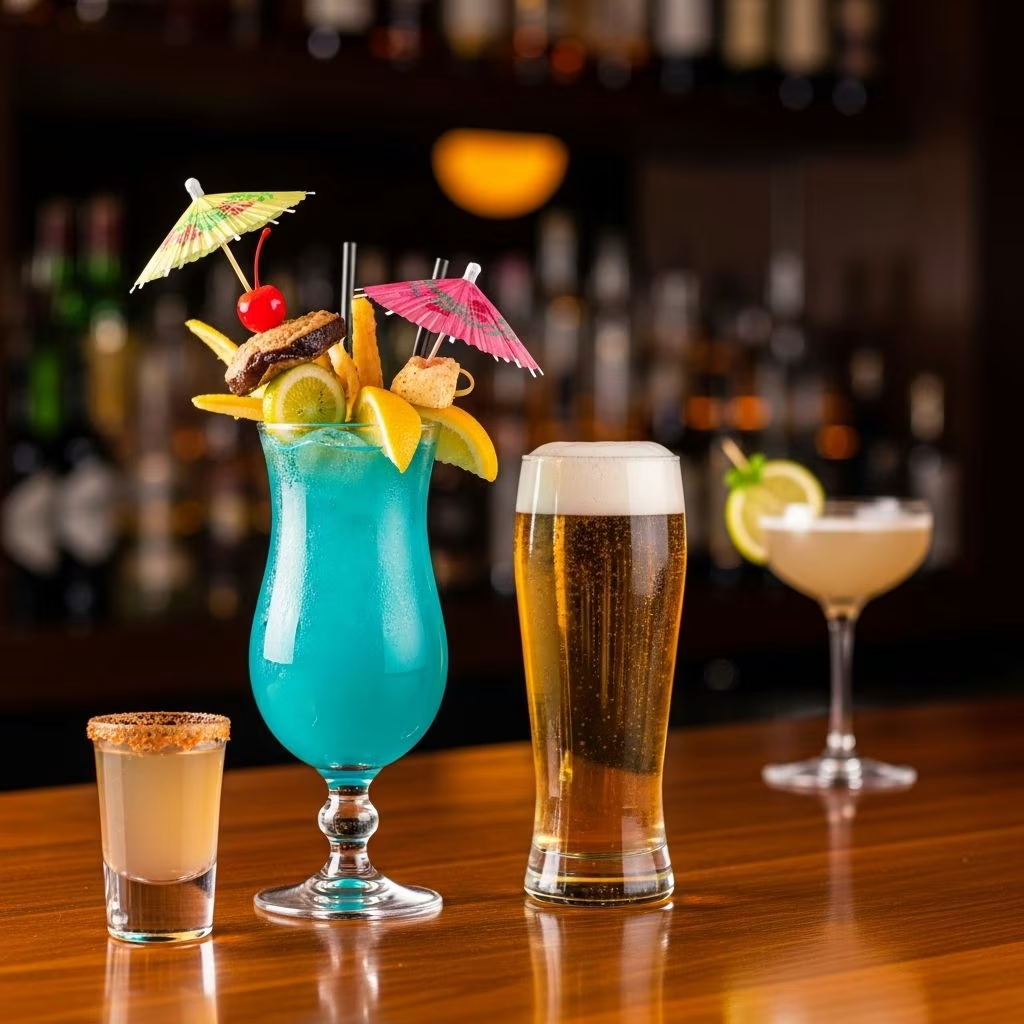
When you step into a bar, the extensive menu of beverages can feel overwhelming. While many drinks look appealing or sound intriguing, not all cocktails are created equal. Some come with legitimate health concerns, others require such complex preparation that they’re prone to mistakes, and several carry reputations among bartenders as poor choices. Understanding which drinks to avoid can enhance your bar experience, protect your health, and ensure you receive a quality beverage prepared by your bartender without unnecessary frustration.
Health-Related Concerns in Popular Cocktails
The Hidden Dangers in Mojito Orders
The mojito presents an interesting paradox. This drink projects an image of sophistication and refreshment, yet it harbors a significant concern related to freshness and food safety. The central issue involves the mint leaves used as garnish and a primary ingredient in the cocktail. Most bars do not order mojitos in sufficient volume to maintain a steady supply of fresh mint leaves. Fresh mint has a limited shelf life of approximately one week before it begins to deteriorate and can develop bacterial growth. When a bar receives a mojito order infrequently, the mint sitting in storage may be well past its prime, potentially exposing you to contaminated botanical matter that could cause digestive upset or foodborne illness.
Energy Drink Mixers and Their Effects on Alcohol Consumption
Combining alcohol with energy drinks creates a dangerous physiological deception. The stimulant properties of caffeine mask the depressant effects of alcohol, fundamentally altering how your body processes intoxication. According to nutritional research, caffeine directly counteracts the signals your nervous system uses to recognize drunkenness, leading consumers to underestimate their alcohol consumption and drink significantly more than they should. This combination can result in overconsumption before you realize the extent of your intoxication, creating serious health and safety consequences.
The Spice Overload Problem with Hot Sauces
Bloody Marys and similar drinks incorporating Tabasco sauce or other hot sauces present another health consideration. Bartenders, even experienced ones, may not have received proper training in measuring hot sauce additions to cocktails. An overly generous pour can overwhelm digestive systems, particularly for individuals with sensitive stomachs or gastrointestinal conditions. What starts as a seemingly harmless brunch drink can turn into an uncomfortable afternoon.
Calorie and Nutritional Content Surprises
Understanding Hidden Calories in Common Mixers
Many people assume that choosing certain mixers represents a health-conscious decision at the bar. Gin and tonics serve as a prime example of this misconception. While tonic water appears similar to plain water or soda water, it actually contains substantial added sugar—approximately 124 calories per serving. For those monitoring caloric intake, this hidden sweetness significantly contributes to overall daily consumption without providing nutritional benefit.
The Caloric Complexity of Multi-Liquor Cocktails
Cocktails combining multiple types of alcohol with sugary mixers can contain surprising amounts of calories. Long Island iced teas exemplify this category, potentially reaching 780 calories or more depending on the bar’s recipe. When you’re consuming a single drink that represents a substantial portion of a typical daily caloric allotment, you may not realize the nutritional impact until later.
Preparation Complexity and Quality Concerns
Drinks That Demand Excessive Preparation Time
Certain cocktails require such elaborate preparation that they should be avoided during busy periods, and some bartenders simply skip them altogether. The Ramos Gin Fizz stands as the quintessential example, earning the nickname “Bartender’s Nightmare.” This drink demands vigorous shaking for 10 to 15 minutes, incorporating egg whites that must reach a precise consistency. When a bar is crowded, ordering such a drink creates tension between you and your bartender while potentially resulting in a compromised final product.
Dishes Requiring Specialized Ingredients Bartenders Don’t Stock Regularly
Specialty ingredients like Green Chartreuse, a complex herbal liqueur protected by Carthusian monks since 1605, are sometimes stocked at bars but rarely ordered. When these ingredients do appear in drinks ordered by customers, they often sit unused for extended periods, potentially degrading in quality or becoming oxidized. Additionally, these drinks are often so potent and intensely flavored that they don’t complement typical social drinking occasions.
The Problem with Pre-Batched and Pre-Bottled Options
Some bars attempt to streamline service by pre-batching cocktails or using pre-bottled juice mixers. While this approach speeds up ordering, it typically results in compromised quality. Pre-batched cocktails may have been prepared hours earlier, leading to oxidation and separation of ingredients. Pre-bottled juices never match the quality and flavor profile of fresh-squeezed alternatives, resulting in a noticeably inferior product compared to drinks made to order.
Bartender Preferences and Professional Insights
What Industry Professionals Actually Order
Bartenders themselves provide valuable insights into beverage selection. When ordering for themselves, most bartenders choose simple, elegant drinks that showcase quality spirits without unnecessary complexity. A classic approach involves a spirit served neat, with ice, or combined with a basic mixer like soda water. This preference reflects both their appreciation for quality ingredients and their understanding of which drinks allow the base spirit to shine.
The Minimalist Movement in Bartending
Professional bartenders increasingly advocate for drinks containing five or fewer ingredients. These simpler cocktails allow each component to be tasted distinctly, reduce the potential for preparation errors, and can be executed perfectly even during busy service periods. Orders like a simple vodka soda or rum and Coke prompt satisfaction from bartenders rather than the eye-roll that accompanies ingredient-heavy requests.
Spirits Education and Professional Standards
According to spirits education professionals, certain drinks represent poor choices because they fail to showcase quality ingredients or craftsmanship. A basic vodka soda, for instance, merely serves as a delivery mechanism for alcohol, stripped of flavor complexity or mixology skill. This perspective explains why professionals in the industry gravitate toward drinks that demonstrate technique, balance, and ingredient quality.
Context-Specific Ordering Challenges
Crowded Bar Environments and Order Complications
The atmosphere and crowd level at a bar should influence your drink selection. During peak hours, ordering complicated cocktails becomes problematic not only for you but for the entire bar operation. When a bartender spends 10 minutes crafting a single drink, others in line experience delays. Choosing drinks that require minimal preparation shows consideration for staff and fellow patrons.
Specialty Margaritas and Execution Requirements
Drinks like spicy margaritas, while delicious when properly prepared, require careful execution and attention to detail. During busy service, most bartenders cannot dedicate the necessary focus to these specialized preparations. The likelihood of receiving a subpar version increases significantly in crowded conditions, making the drink experience disappointing.
Alcohol Content Overload in Multi-Spirit Cocktails
Long Island iced teas represent perhaps the most egregious example of excessive alcohol content in a single serving. These drinks combine multiple types of spirits in quantities that far exceed recommended hourly alcohol consumption guidelines. Beyond the health implications, ordering such drinks in professional or social settings may project an image inconsistent with your desired impression.
Comparison Table: Drinks to Reconsider
| Drink Category | Primary Concern | Recommended Alternative |
|---|---|---|
| Mojito | Potentially spoiled mint leaves | Daiquiri or Rum and Soda |
| Alcohol + Energy Drink | Masks intoxication, overconsumption | Spirit with Tonic or Mixer |
| Bloody Mary | Excessive hot sauce causing digestive upset | Mimosa or Bloody Shame |
| Gin and Tonic | Hidden sugar calories in tonic | Gin with Soda Water |
| Long Island Iced Tea | Excessive alcohol and calories | Single-Spirit Cocktail |
| Ramos Gin Fizz | Requires 10-15 minute preparation | Classic Martini |
Frequently Asked Questions
Why do bartenders dislike making certain drinks?
Bartenders develop preferences based on preparation time, ingredient availability, and whether the drink showcases their skills. Drinks requiring excessive shaking, rare ingredients, or egg whites create friction during service, particularly when bars are busy. Additionally, drinks that don’t highlight quality spirits or bartender expertise feel less rewarding to prepare than balanced, well-crafted cocktails.
Are all mojitos unsafe to consume?
Not necessarily. Mojitos prepared at high-volume bars where mint is regularly replaced present less risk. The concern primarily applies to establishments that don’t frequently order this drink, allowing mint to age and potentially develop bacterial growth. Requesting a mojito at a busy establishment known for tropical drinks is generally safer than ordering one at a neighborhood sports bar.
What should I order to ensure a quality drink experience?
Opt for drinks containing five or fewer quality ingredients, preferably featuring the bar’s premium spirits. Simple combinations like bourbon with a single mixer, a classic martini, or a daiquiri made with fresh ingredients ensure both quality and reasonable preparation time. Asking your bartender for a recommendation based on your taste preferences often yields excellent results.
How can I order responsibly without appearing unsophisticated?
Sophistication in drinking relates to knowledge and intentionality, not complexity. Ordering a well-made old fashioned or a properly executed martini demonstrates greater understanding of cocktail culture than ordering an overly complicated drink. Bartenders respect customers who understand their preferences and make deliberate choices.
Does environment affect drink recommendations?
Absolutely. At a busy nightclub or crowded bar, simple drinks reign supreme. At a quieter, craft-focused establishment, ordering complex cocktails becomes appropriate and appreciated. Understanding the bar’s pace and atmosphere allows you to make requests that bartenders can execute with care and attention.
Making Informed Choices at the Bar
Your drink selection at a bar involves multiple considerations beyond personal preference. Health implications, preparation requirements, ingredient freshness, and bartender expertise all contribute to the overall experience. By understanding which drinks present concerns—whether related to food safety, hidden calories, excessive alcohol content, or unreasonable preparation demands—you empower yourself to make choices that result in quality beverages while respecting the professional environment of the bar.
The next time you find yourself scanning a cocktail menu, consider these insights. Ask your bartender for recommendations suited to the current crowd level. Choose drinks that allow the bar’s quality spirits to shine. Avoid unnecessarily complicated orders that tax bartender resources and may not deliver exceptional results. Your thoughtful approach to beverage selection enhances not only your experience but the experience of everyone else in the establishment.
References
- Bonci, Lesli. “Alcohol and Caffeine Interactions.” — Pittsburgh-based Registered Dietitian Nutritionist, Sports Dietetics Specialist. Cited in Money.com article on bar drinks, 2024. https://money.com/drinks-order-bar-unhealthy/
- Levy, Adam. “The Alcohol Professor: Beverage Safety and Preparation Standards.” — The Alcohol Professor blog. Referenced in multiple sources discussing mojito mint freshness and Tabasco safety concerns, 2024. https://money.com/drinks-order-bar-unhealthy/
- Caporale, Anthony. “Spirits Education Standards and Cocktail Philosophy.” — Director of Spirits Education, Institute of Culinary Education. Cited in Delish article on bartender beverage preferences, 2024. https://www.delish.com/food/a69149289/drinks-bartenders-never-order/
- Robinson, Jamie. “Bartender Insights on Crowded Bar Service.” — Former Bartender and Assistant Food & Beverage Manager, OUTRIGGER Reef Waikiki Beach Resort. Referenced in discussions of Long Island iced tea preparation complexity, 2024. https://news.outrigger.com/2024/06/06/10-drinks-you-should-never-order-in-a-crowded-bar/
- Duran, Zulay. “Specialized Cocktail Preparation During Peak Service.” — Executive Bartender, Taste My Aruba. Cited regarding spicy margarita execution requirements, 2024. https://www.businessinsider.com/drinks-not-to-order-crowded-bar-bartenders-2026-3
- Braddock, Jenna. “Nutritional Content of Cocktails.” — Registered Dietitian and blogger at Make Health Easy. Referenced for Long Island iced tea caloric content analysis, 2024. https://money.com/drinks-order-bar-unhealthy/
On This Page
Health-Related Concerns in Popular Cocktails Calorie and Nutritional Content Surprises Preparation Complexity and Quality Concerns Bartender Preferences and Professional Insights Context-Specific Ordering Challenges Comparison Table: Drinks to Reconsider Frequently Asked Questions Making Informed Choices at the Bar← Previous
The Sitio Opens at Atlantic Park in Virginia Beach
Next →
Busiest Airports in the US: Top 10 by Passenger Traffic
Related Reading
More in Food & Culture
Food & Culture Food & Culture
 Food & Culture
Best Places to Eat in Rome: Neighborhood Dining Guide
 Food & Culture
 Food & Culture