


 Food & Culture
Food & Culture
10 Hidden Food and Drink Experiences Across Europe
Explore lesser-known culinary gems in Europe, from secret markets to unique drinks and dishes that offer genuine tastes of regional cultures.
 Food & Culture
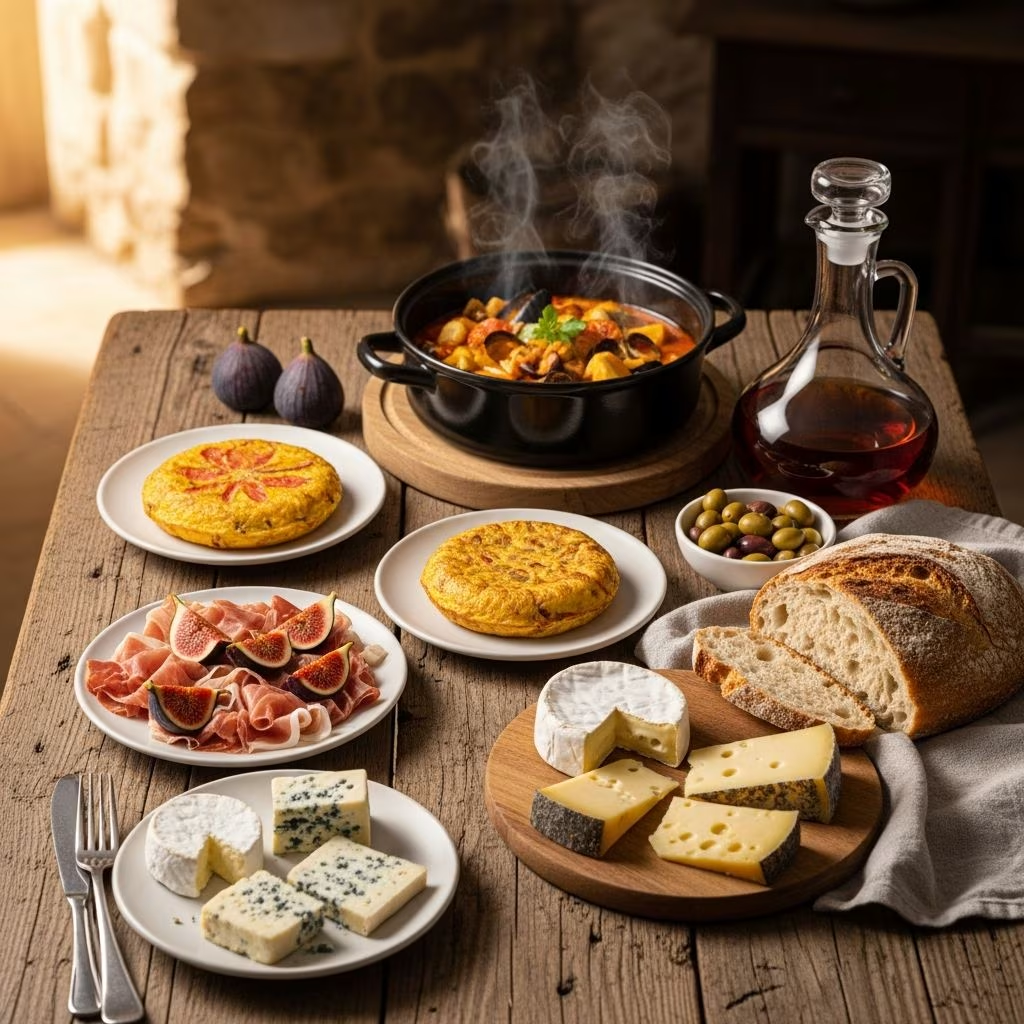
Europe’s culinary landscape extends far beyond tourist menus, offering a wealth of understated delights that locals cherish. These hidden gems provide immersive experiences into regional identities through flavors, techniques, and communal rituals often overlooked by guidebooks. This article delves into ten remarkable food and drink discoveries across the continent, each revealing layers of history and hospitality.
Why Seek Out Europe’s Secret Eats
Standard tourist fare can satisfy basic hunger, but true gastronomic adventures lie in the unpretentious spots frequented by residents. These locations emphasize fresh ingredients, time-honored methods, and social bonds, transforming meals into memorable events. Travelers who venture off main paths encounter not just superior taste but also stories embedded in every bite and sip.
- Authenticity: Away from crowds, dishes reflect daily life rather than commercialization.
- Affordability: Local haunts offer premium quality at modest prices.
- Connection: Interactions with vendors and chefs foster cultural exchange.
1. Budapest’s Ruin Bars with Craft Palinka
In Budapest’s Jewish Quarter, derelict buildings have evolved into vibrant ruin bars, where Hungarian palinka—a potent fruit brandy—takes center stage. These spaces blend bohemian aesthetics with potent spirits distilled from plums, apricots, or pears, boasting alcohol contents up to 70%. Sipping palinka here, amid eclectic decor, introduces visitors to Hungary’s distilling heritage, which dates back centuries. Pair it with simple bar snacks for an authentic evening.
2. Porto’s Natural Wine Havens
Porto’s cozy wine bars specialize in pet-nats, naturally sparkling wines from small Portuguese producers. These effervescent bottles, fermented in the bottle without added yeast, showcase indigenous grapes like rabigato. Tastings in dimly lit cellars highlight minimal-intervention winemaking, a growing trend in the Douro Valley. This experience contrasts with port wine fame, offering fresh, funky alternatives.
3. Georgian supra Feasts in Tbilisi
Tbilisi’s private dining rooms host supra banquets led by tamada toastmasters. These elaborate meals feature khachapuri cheese breads, khinkali dumplings, and churchkhela walnut candies, accompanied by flowing qvevri wines aged in clay vessels. The tamada’s speeches weave hospitality with folklore, making each supra a theatrical celebration of Georgian abundance.
4. Amsterdam’s Cheese Tasting Rituals
Beyond markets, Amsterdam’s specialized shops offer blind tastings of raw-milk gouda aged up to four years. Artisans explain maturation processes, from grassy young wheels to crystalline old ones. Pairings with local beers reveal how Dutch cheesemaking, rooted in 12th-century monasteries, pairs perfectly with everyday brews.
5. Sicilian Cannoli Hideaways
In Palermo’s back alleys, family workshops craft cannoli shells fried to order, filled with ricotta sweetened by pistachios or chocolate. Ricotta must be whipped fresh daily for silkiness, a rule in these no-frills spots. Eating amid locals underscores Sicily’s Arab-influenced pastry tradition.
6. Warsaw’s Vodka Heritage Tours
Warsaw’s clandestine bars pour flavored vodkas infused with bison grass, pepper, or honey, echoing Poland’s 15th-century distilling prowess. Guided tastings pair shots with pickles and sausage, illustrating communal ‘picnics’ that accompany spirited gatherings.
7. Albanian Bunker Breakfasts
Scattered across Albania, repurposed Cold War bunkers serve petulla fried dough balls with honey or yogurt for breakfast. These fluffy pastries, paired with raki, transform concrete relics into cozy eateries, symbolizing resilience and resourcefulness.
8. Croatian Island Truffle Hunts
On remote Adriatic isles like Mljet, foragers hunt black truffles year-round, grating them over fresh pasta or eggs in seaside konobas. This earthy delicacy thrives in oak groves, offering a wilder alternative to Istria’s famed whites.
9. Romanian Sarmale Gatherings
In Transylvanian villages, community kitchens roll sarmale cabbage rolls stuffed with spiced pork and rice, slow-cooked in sauerkraut juice. Shared during festivals, they embody Ottoman influences blended with local foraging.
10. Cretan Mountain Taverna Escapes
Crete’s hillside tavernas slow-roast kid or lamb in wood ovens, serving with wild greens and raki digestifs. These spots, reached by winding roads, preserve Minoan-era grilling techniques amid olive groves.
Practical Advice for Culinary Explorers
To maximize these discoveries, prioritize shoulder seasons for fewer crowds and optimal produce. Learn basic phrases for ordering, and embrace communal tables. Apps for local reviews help, but serendipity often yields the best finds.
| Destination | Signature Item | Best Time | Cost Estimate |
|---|---|---|---|
| Budapest | Palinka | Evening | €5/drink |
| Porto | Pet-nat | Anytime | €8/glass |
| Tbilisi | Supra feast | Night | €30/person |
| Amsterdam | Gouda tasting | Morning | €15/session |
| Palermo | Cannoli | Afternoon | €3/piece |
Frequently Asked Questions
What makes these food secrets special?
They represent uncommercialized traditions, providing deeper cultural insights than mainstream options.
Are reservations needed?
For supras or tastings, yes; for street eats, spontaneity works best.
How to find these spots?
Use local recommendations, avoid heavy tourist zones, and follow sensory cues like aromas.
Vegetarian options available?
Many adapt; specify preferences upfront for tailored dishes like cheese-focused plates.
Best season for food travel?
Spring and fall align with harvests and festivals.
Planning Your Food-Focused Itinerary
Combine these into routes: Eastern Europe for spirits (Budapest-Warsaw-Tbilisi), Mediterranean for pastries and truffles (Palermo-Crete-Mljet). Budget €50-80 daily for immersive meals. Sustainability matters—support family-run venues to preserve these traditions.
These treasures remind us that Europe’s table is richest when shared intimately. Venture forth to taste the continent’s soul.
References
- Top 10: Foods From Europe — Betel Nut Backpackers. 2024-03-30. https://www.betelnutbackpackers.com/blogs/top-10-foods-from-europe
- 11 Must-try European Dishes for First-time Visitors — Getours. N/A. https://www.getours.com/expert-travel-advice/food-drink/11-must-try-european-dishes
- Uncovering Europe’s Hidden Culinary Gems — Eat and Drink Like a European. N/A. https://www.eatanddrinklikeaeuropean.com/uncovering-europe-s-hidden-culinary-gems-your-guide-to-secret-food-and-drink-experiences/
- 10 Most Unusual European Foods — YouTube (Wolters World). N/A. https://www.youtube.com/watch?v=ZE2kILCdfrM
- Favorite Food and Best Meals in Europe — Rick Steves. 2021-02-15. https://www.ricksteves.com/travel-tips/travel-classes/monday-night-travel/favorite-food-in-europe
- 10 Of The Best Foods To Eat While Travelling In Europe — UTracks. N/A. https://www.utracks.com/Blog/7-of-the-best-foods-to-eat-while-travelling-in-europe
On This Page
Why Seek Out Europe's Secret Eats 1. Budapest's Ruin Bars with Craft Palinka 2. Porto's Natural Wine Havens 3. Georgian supra Feasts in Tbilisi 4. Amsterdam's Cheese Tasting Rituals 5. Sicilian Cannoli Hideaways 6. Warsaw's Vodka Heritage Tours 7. Albanian Bunker Breakfasts 8. Croatian Island Truffle Hunts 9. Romanian Sarmale Gatherings 10. Cretan Mountain Taverna Escapes Practical Advice for Culinary Explorers Frequently Asked Questions Planning Your Food-Focused Itinerary← Previous
12 Unique Things to Do in Italy in Summer
Next →
Maui Honeymoon Guide: Best Romantic Things to Do for Couples
Related Reading
More in Food & Culture
Food & Culture Food & Culture
 Food & Culture
Best Places to Eat in Rome: Neighborhood Dining Guide
 Food & Culture
 Food & Culture