

 Travel Essentials
 Travel Essentials

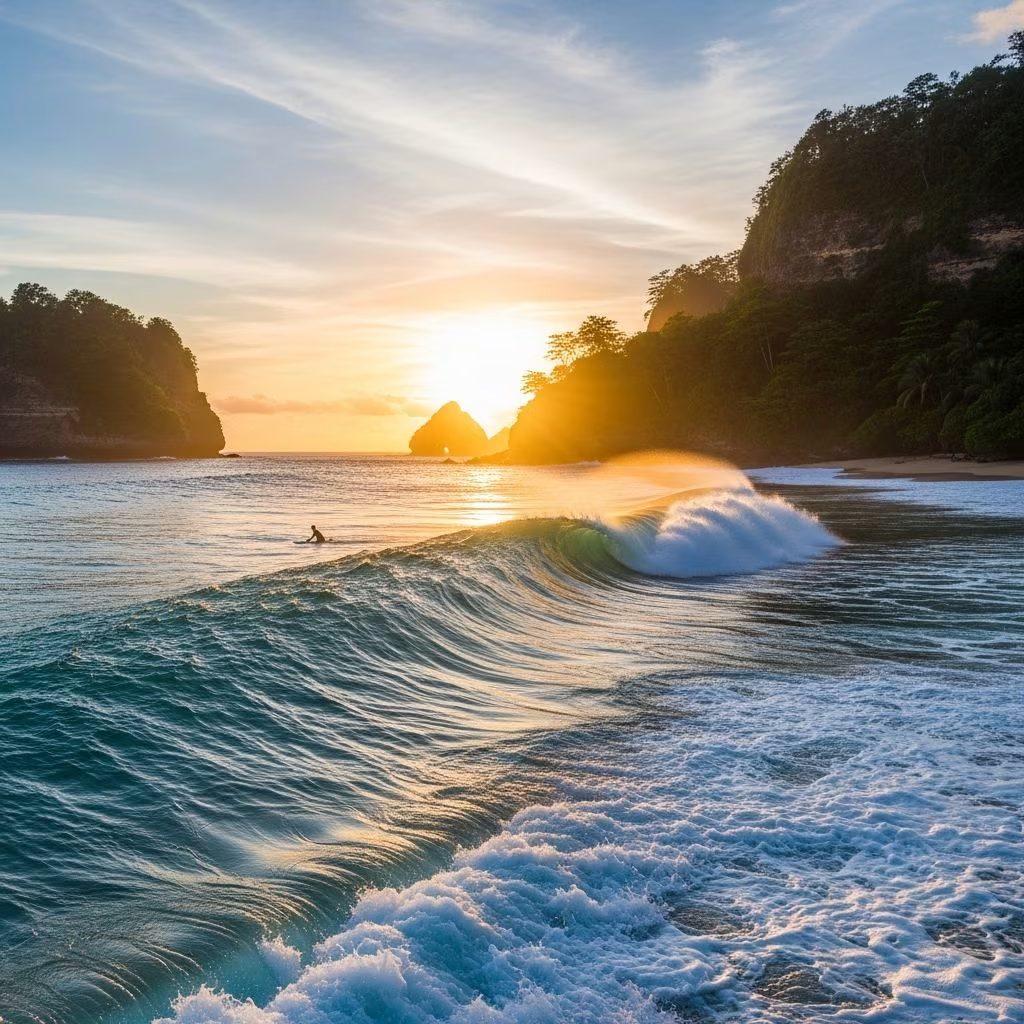
Discover top under-the-radar surf spots offering epic waves without the crowds, from Namibia's Skeleton Bay to Peru's Panic Point and beyond.
 Travel Essentials
Surfers constantly chase the perfect wave in solitude, far from packed lineups and tourist hordes. These lesser-known destinations deliver thrilling rides amid stunning, untouched landscapes. Drawing from global surf explorations, this guide highlights prime locations where quality swells meet minimal interference, ideal for adventurous riders seeking pure ocean connection.
Overcrowded popular spots like Hawaii’s North Shore or Indonesia’s Bali often diminish the joy of surfing. Remote areas preserve wave quality, foster wildlife encounters, and offer cultural immersion. Factors like difficult access, seasonal weather, and rugged terrain keep crowds at bay, ensuring longer sessions and bigger barrels. Expert surfers prioritize these for their raw power and exclusivity.
Namibia’s Skeleton Coast stretches as one of Earth’s harshest yet most captivating shorelines, where towering dunes crash into the Atlantic. Skeleton Bay stands out with its legendary left-hand beach break, capable of delivering barreling waves over a kilometer long—among the planet’s longest rideable rides. The eerie, shipwreck-dotted beach amplifies the wild atmosphere, with sand-spitting tubes that challenge even pros.
Access demands commitment: charter flights or overland treks through Skeleton Coast National Park. Best from May to September during southern swells, when consistent 10-15 foot faces form under offshore winds. Hazards include strong currents and shark presence, so local guides are essential. Nearby breaks like Luderitz and Walvis Bay provide variety for multi-day trips.
In northern Peru, Cabo Blanco earns the nickname “Peru’s Pipeline” for its hollow, powerful reef breaks. Dubbed a hardcore haven, it contrasts with the party scene in nearby Mancora. Panic Point, the crown jewel, unleashes left-hand reef perfection during peak swells, with fast takeoffs and wrapping walls ideal for aerial maneuvers.
December through March marks prime time, aligning with southern hemisphere summer swells. Fishermen-dominated villages offer basic lodging, emphasizing the authentic vibe. Swells from distant storms in the Pacific build consistent 6-12 foot sets. Respect local fishermen sharing the water, and watch for rocky reefs and urchins.
| Aspect | Details |
|---|---|
| Optimal Swell Direction | Southwest |
| Tide Preference | Mid to high for Panic Point |
| Stay Options | Local posadas, surf camps |
| Travel Tip | Fly to Talara, then drive |
Oaxaca’s Salina Cruz on Mexico’s southern Pacific coast hides a playground of world-class point breaks. Unlike Baja’s bustle, this region evokes timeless fishing villages with warm waters and reliable swells. Chivo Point delivers long, rippable right-handers peeling down the line for 200+ meters, perfect for carving and speed runs.
May to September brings southern hemisphere pulses, firing 4-10 foot waves under light trades. Boat access from Puerto Escondido or local launches keeps it exclusive. The area’s diversity includes multiple points like La Punta and Zicatela for heavier days. Cultural perks: fresh seafood tacos post-surf.
Venture 100 miles offshore from San Diego to Cortes Bank, an underwater seamount birthing colossal waves up to 80 feet. This big-wave frontier demands jet-ski support and safety crews, producing some of the globe’s most massive rideable faces. North Pacific swells amplify over the shallow pinnacle, creating adrenaline-fueled drops.
Winter storms from October to March trigger the action, with windows of 20-40 foot monsters. Only for elite big-wave surfers; tow-ins are standard. Historical feats include Greg Long’s record rides here. Logistics involve boats from San Diego harbors.
Indonesia’s Sumbawa island shelters uncrowded perfection beyond Bali’s chaos. Scar Reef and Lakey Peak offer reeling lefts and rights over reefs, with dry-season consistency from April to October. Boat charters unlock private sessions, while beachfront warungs provide cheap stays. Swells from Australian low-pressure systems deliver 4-8 foot peelers daily.
Portugal’s west coast boasts Peniche, a surf hub with Supertubos—a hollow beach break rivaling the world’s best. Nearby Ericeira, a World Surfing Reserve, features Ribeira d’Ilhas and Coxos for barreling reefs. October to March sees North Atlantic swells lighting up 6-15 foot waves. Cobblestone streets and fresh seafood enhance the vibe. Taghazout in Morocco nearby offers winter rights.
San Juan del Sur serves as basecamp to Nicaragua’s southern breaks like Playa Maderas and Hermosa. Beach breaks range from beginner-friendly to barreling beasts. Dry season November to April brings steady southwest swells. Boat trips access outer reefs for solitude.
Fiji’s outer reefs, accessible via resorts like Matanivusi, host uncrowded left and right-handers. Samoa’s south coast delivers powerful beach breaks. Year-round tropical warmth, May to October optimal for cleaner conditions. Eco-luxury meets empty lineups.
Isla de Santa Marina near Santander, Spain, hides consistent beach breaks. Portugal’s Praia da Amoreira in Algarve offers rivermouth rights. Mild climates and short flights from Europe make them accessible secrets.
Preparation is key: check swell forecasts via Magicseaweed or Surfline, secure travel insurance covering remote evacuations, and pack booties for rocky entries. Respect locals, leave no trace, and prioritize safety with partners. Visas, health checks, and gear rentals vary by spot.
5/4mm fullsuits, booties, and hoods combat chilly Atlantic waters.
Mostly advanced; seek guided camps for novices in places like Nicaragua.
Travel off-peak, use boats, and monitor webcams.
Surfline, Windy, and Magicseaweed provide real-time data.
Pack out trash, support marine conservation initiatives.
