


 Food & Culture
Food & Culture
10 Hidden U.S. Wine Regions Worth Discovering
Explore lesser-known American wine regions from New York's Finger Lakes to Texas Hill Country. Find world-class wines, unique terroir, and authentic vineyard experiences beyond mainstream destinations.
 Food & Culture
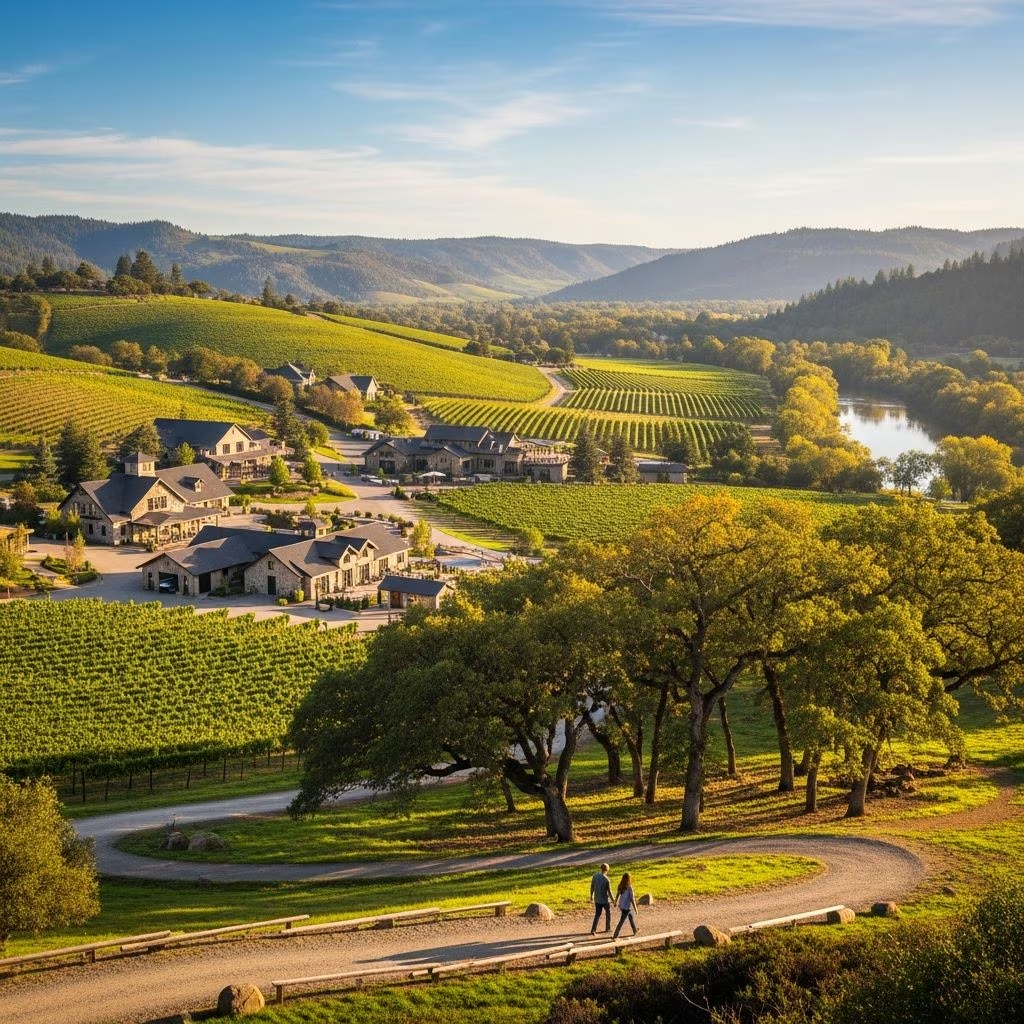
While Napa Valley and Sonoma County have long dominated the American wine conversation, a new generation of travelers and wine enthusiasts are venturing beyond these well-trodden paths to discover equally compelling—and often superior—wine regions that remain refreshingly under-the-radar. The United States boasts remarkable viticultural diversity across its geographies, with regions producing world-class wines that rival their famous counterparts, often at more accessible price points and with significantly fewer crowds.
The evolution of American winemaking extends far beyond California’s iconic valleys. From the glacier-carved landscapes of New York to the windswept plateaus of Texas, and from the rugged coastlines of Northern California to the mountain slopes of North Carolina, these emerging destinations represent the future of domestic wine culture. Each region possesses distinct environmental characteristics that shape its wines’ flavor profiles, creating opportunities for discovery that appeal to both novice wine drinkers and seasoned collectors seeking new perspectives.
The Finger Lakes: New York’s Alpine Wine Sanctuary
Nestled in central-western New York State, the Finger Lakes region spans approximately 9,000 square miles defined by eleven glacially carved lakes that resemble slender, finger-like formations. This distinctive geography creates a microclimate particularly suited to cool-weather grape cultivation, positioning the region as one of North America’s premier locations for aromatic varietals.
The Finger Lakes AVA gained significant recognition during the 1980s and has since evolved into a sophisticated wine destination. Today, approximately 130 vineyards operate throughout the region, collectively producing approximately 90 percent of New York’s wine. Visitors encounter diverse grape varieties including riesling, gewürztraminer, and cabernet franc, alongside less commonly encountered American varietals such as zweigelt, lemberger, and seyval.
What distinguishes the Finger Lakes from other emerging regions is its multifaceted appeal. Beyond exceptional wines, the landscape offers natural attractions including over 200 waterfalls and charming waterfront lodges that complement the tasting experience. Five distinct wine trails guide visitors through participating vineyards, with more than 130 establishments providing varied experiences from intimate family operations to larger production facilities.
Texas Hill Country: The Lone Star Wine Frontier
Texas wine production has undergone remarkable expansion, with the Texas High Plains region now accounting for over 80 percent of the state’s total wine grape production. However, Texas Hill Country represents a distinctly different terroir, offering visitors an alternative experience characterized by Tuscan-inspired architecture and scenic beauty.
The region extends across multiple counties, featuring wineries with distinctive architectural styles that enhance the tasting experience. Facilities such as Augusta Vin showcase 60 acres of sloping vineyards overlooking the Pedernales River, while Becker Vineyards combines classical German stone barn architecture with lavender fields and established production practices. Grape Creek emphasizes old-world methodologies, producing classically styled wines in a grand Tuscan-style facility while operating a sister brand, Heath Sparkling Wines, specializing in méthode champenoise bubblies.
The region’s warm days and moderate nights create ideal conditions for producing full-bodied wines that express the local terroir authentically. Beyond wine tasting, Hill Country’s combination of rural landscapes and cultural attractions makes it an increasingly popular destination for extended wine country visits.
Mendocino County: California’s Sustainable Wine Sanctuary
Located immediately north of renowned Napa and Sonoma regions, Mendocino represents a distinctly different California wine experience. This quietly unassuming county cultivates an atmosphere of authentic, sustainable viticulture paired with genuine pride in its regional heritage.
Stretching across some of California’s most rugged and untouched coastline, Mendocino distinguishes itself through a commitment to environmental stewardship and independent-spirited winemaking philosophy. The region resists the commercialization that characterizes some neighboring areas, instead fostering a rebellious, authentically rooted wine culture that emphasizes quality over volume.
Visitors to Mendocino encounter family-owned operations that have maintained generational commitments to sustainable practices. The combination of maritime influences and diverse microclimates produces wines with distinctive characteristics, offering wine enthusiasts opportunities to experience California viticulture outside mainstream commercial frameworks.
Southern California’s Quieter Gem: Temecula Valley
Positioned approximately 80 miles south of Los Angeles, Temecula Valley comprises Southern California’s largest wine-producing region by volume, encompassing 33,000 acres of which approximately 2,500 are planted with wine grapes. Despite its production scale, Temecula remains largely unknown outside regional wine circles, offering visitors authentic experiences without the tourist infrastructure of more famous destinations.
The region currently operates over 40 wineries throughout its American Viticulture Area, complemented by more than 80 independent growers who farm throughout the valley. This diversity of production approaches creates varied wine styles and tasting experiences. Visitors discover light, crisp white wines, delicate rosés, butter-forward Chardonnays, age-worthy reds, and classic-method sparkling wines alongside sweet and fortified selections.
The Blue Ridge Mountains: North Carolina’s Emerging Viticulture
Only 30 minutes south of the mountain town of Asheville lies Hendersonville, a quintessential Blue Ridge Mountain community historically known for apple orchards and pastoral landscapes. Recent federal designation as the Crest of the Blue Ridge AVA in summer 2019 formally recognized the region’s viticultural potential.
The combination of warm days, cool evenings, and sandy loam soil creates ideal conditions for cultivating Vitis vinifera grapes. Seven wineries now operate in the region, each producing Old World-style vintages while overlooking sweeping Blue Ridge vistas. Recommended establishments include Souther Williams Vineyard, Marked Tree Vineyard, and Stone Ashe Vineyard, each offering distinctive approaches to regional winemaking while capitalizing on mountain scenery.
North Carolina wine country represents an emerging destination for visitors seeking mountain landscapes combined with developing wine culture. The region’s relatively recent formalization as an AVA means ongoing innovation and experimentation with grape varieties and production techniques.
Georgia’s Mountain Wine Country
Georgia’s wine country operates eight destination vineyards alongside seven tasting rooms situated on the historic town square. Each vineyard maintains distinctive grape selections, cultivated specifically to express individual tasting profiles that diverge from traditional Southern wine stereotypes.
Standout establishments include Wolf Mountain Vineyards and Frogtown Cellars, each representing contemporary approaches to regional winemaking. Montaluce Winery offers private wine hiking experiences that combine viticulture education with mountain recreation, while Cavender Creek Vineyards incorporates farm animals into the visitor experience, creating multifaceted agricultural tourism opportunities.
The region’s positioning within Appalachia creates architectural and cultural contexts that distinguish it from other American wine destinations. Accommodations range from historic hillside mansions to Appalachian-style lodges, each contributing to the authentic regional experience.
Carmel-by-the-Sea: Europe Meets the California Coast
This one-square-mile seaside village boasts an unexpectedly thriving wine scene that combines European aesthetic traditions with California wine culture. The entire village features Charles Dickens-inspired architecture that creates a charming, walkable environment.
Carmel-by-the-Sea houses 17 wine tasting rooms, wine bars, and bottle shops that showcase Monterey County wines in intimate settings. The complimentary Carmel-by-the-Sea Wine Walk provides a mobile guide system allowing self-directed exploration of local winemakers’ offerings. This pedestrian-friendly approach to wine tasting eliminates driving concerns while encouraging extended village exploration.
The region produces exceptional Pinot Noirs that rival coastal Sonoma and Santa Barbara offerings, particularly those from Monterey County’s Santa Lucia Highlands AVA. Acclaimed producers like Hahn Estate, Scheid Vineyards, and Wrath Wines all maintain operations within the broader region, making Carmel-by-the-Sea an excellent base for exploring diverse local productions.
Eastern Pennsylvania’s Bucks County Wine Heritage
Positioned between Philadelphia and New York City, Bucks County represents a secret wine lovers’ retreat that serves the northeastern metropolitan corridor. The Bucks County Wine Trail spans hundreds of acres of vineyards, offering visitors distinct regional grape varieties combined with beautiful pastoral views.
The region benefits from geographic positioning that captures maritime influences while maintaining continental characteristics. This climatic balance creates opportunities for cultivating diverse grape varieties that express distinctive terroir characteristics.
The Columbia Gorge: A Two-State Wine Experience
Straddling the Oregon-Washington border, the Columbia Gorge region encompasses approximately 50 wineries distributed across two states. The area remains famous for juicy stone fruits including pears, apples, cherries, and peaches alongside wine production.
In Oregon, the 35-mile Fruit Loop guides visitors through superb wineries including Marchesi Vineyards, recognized for Italian varietals, and Stave & Stone, both situated in the shadow of Mount Hood’s snowcapped 11,249-foot peak. This combination of agricultural diversity, wine production, and dramatic natural scenery creates a distinctive visitor experience that extends beyond traditional wine-tasting frameworks.
California’s Gold Country: Ancient Vines and Historic Mining Heritage
California’s Gold Country encompasses a nine-county expanse of spirited mountain towns that prospectors colonized following the fabled 1849 gold rush. Today, the region offers some of California’s most compelling alpine scenery alongside celebrated wineries in the Eastern Sierras.
The defining grape variety is zinfandel, an inky, densely concentrated wine whose ancient gnarled vines cover acres of sunny slopes, particularly in Amador and El Dorado counties. These established vineyards often represent multi-generational family operations, creating opportunities to taste wines from vines planted decades or centuries ago.
Rogue Valley Wine Country: Southern Oregon’s Overlooked Treasure
Approximately 150 miles south of Oregon’s famous Willamette Valley lies Rogue Valley Wine Country, an increasingly prestigious but still under-hyped destination. The region extends from Grants Pass, known for salmon and steelhead fishing, through Jacksonville, a 19th-century gold rush-era village, to Ashland, home to the celebrated Oregon Shakespeare Festival.
Recommended establishments include Wooldridge Creek Winery, which combines wine production with on-site goat cheese fabrication, and Red Lily Vineyards, recognized for Spanish-style tempranillo and verdejo alongside an engaging summer concert series. This combination of wine production with cultural and agricultural activities creates diverse reasons for extended regional visits.
Michigan’s Peninsular Wine Traditions
Michigan’s wine regions encompass two distinctive peninsulas featuring different scales and characteristics. The Old Mission Peninsula extends approximately 20 miles north, housing beloved wineries including Bonobo and long-established Chateau Grand Traverse.
The Leelanau Peninsula represents a larger, more extensive region, with its western sections dominated by the gorgeous Sleeping Bear Dunes National Lakeshore. Shady Lane Cellars operates in this region, specializing in French oak barrel-aged cabernet franc that demonstrates the peninsula’s capacity to produce age-worthy red wines.
Comparison of Regional Characteristics
| Region | Primary Grape Varieties | Number of Wineries | Key Characteristics |
|---|---|---|---|
| Finger Lakes, NY | Riesling, Gewürztraminer, Cabernet Franc | 130+ | Glacial lakes, cool climate, five wine trails |
| Texas Hill Country | Mixed varieties, Sparkling wines | Multiple | Architectural heritage, Tuscan styling |
| Mendocino, CA | Mixed varieties | Multiple | Sustainable practices, rugged coastline |
| Temecula Valley, CA | Diverse whites, reds, sparkling | 40+ | 33,000 acres, less commercialized |
| Rogue Valley, OR | Tempranillo, Verdejo | Multiple | Gold rush heritage, cultural events |
Planning Your Hidden Wine Region Adventure
Visiting emerging wine regions requires different planning considerations than established destinations. Many facilities operate by appointment during off-season periods, requiring advance contact to ensure access. Regional wine trails and cooperative marketing efforts typically provide detailed visitor information and seasonal event calendars.
Budget considerations favor emerging regions, as wines often cost significantly less than comparable quality from established appellations. Accommodations range from rustic farmstays to upscale resort properties, depending on regional development levels.
Seasonal timing affects experience quality. Spring and fall offer ideal weather for outdoor tasting, while winter presents opportunities for uncrowded exploration. Summer months, while warm and pleasant, often attract peak visitor volumes.
The Future of American Wine Discovery
Emerging American wine regions represent the frontier of domestic viticulture innovation. As established regions face climate pressures and increasing commercialization, newer areas demonstrate adaptive approaches to sustainability and authenticity. Wine enthusiasts who explore these emerging destinations today position themselves as early advocates for wines and regions that will inevitably gain broader recognition.
The diversity of American wine production extends far beyond regional stereotypes. From New York’s mineral-driven rieslings to Texas’s Old World expressions to North Carolina’s mountain varietals, each region contributes distinctive perspectives to the national wine conversation. These hidden destinations offer opportunities to experience authentic winemaking communities before tourism infrastructure fundamentally transforms their character.
References
- Secret wine regions in the US — Time Out USA. 2024. https://www.timeout.com/usa/travel/secret-us-wine-regions
- Best undiscovered wine regions in the US — The Points Guy. 2024. https://thepointsguy.com/travel/undiscovered-us-wine-regions/
- Hidden Terroir: Exploring America’s Underrated Wine Regions — All Roads North. 2024. https://www.allroadsnorth.com/underrated-american-wine-regions/
On This Page
The Finger Lakes: New York's Alpine Wine Sanctuary Texas Hill Country: The Lone Star Wine Frontier Mendocino County: California's Sustainable Wine Sanctuary Southern California's Quieter Gem: Temecula Valley The Blue Ridge Mountains: North Carolina's Emerging Viticulture Georgia's Mountain Wine Country Carmel-by-the-Sea: Europe Meets the California Coast Eastern Pennsylvania's Bucks County Wine Heritage The Columbia Gorge: A Two-State Wine Experience California's Gold Country: Ancient Vines and Historic Mining Heritage Rogue Valley Wine Country: Southern Oregon's Overlooked Treasure Michigan's Peninsular Wine Traditions Comparison of Regional Characteristics Planning Your Hidden Wine Region Adventure The Future of American Wine Discovery← Previous
Best Free Things to Do in Sacramento, California
Next →
Sustainable Travel Tips for Greener Earth Day Journeys
Related Reading
More in Food & Culture
Food & Culture Food & Culture
 Food & Culture
Best Places to Eat in Rome: Neighborhood Dining Guide
 Food & Culture
 Food & Culture