

 Travel Essentials
 Travel Essentials

Explore high-UV travel spots like Dubai and Honolulu, learn why they burn easily, and get proven tips to shield your skin on vacation.
 Travel Essentials
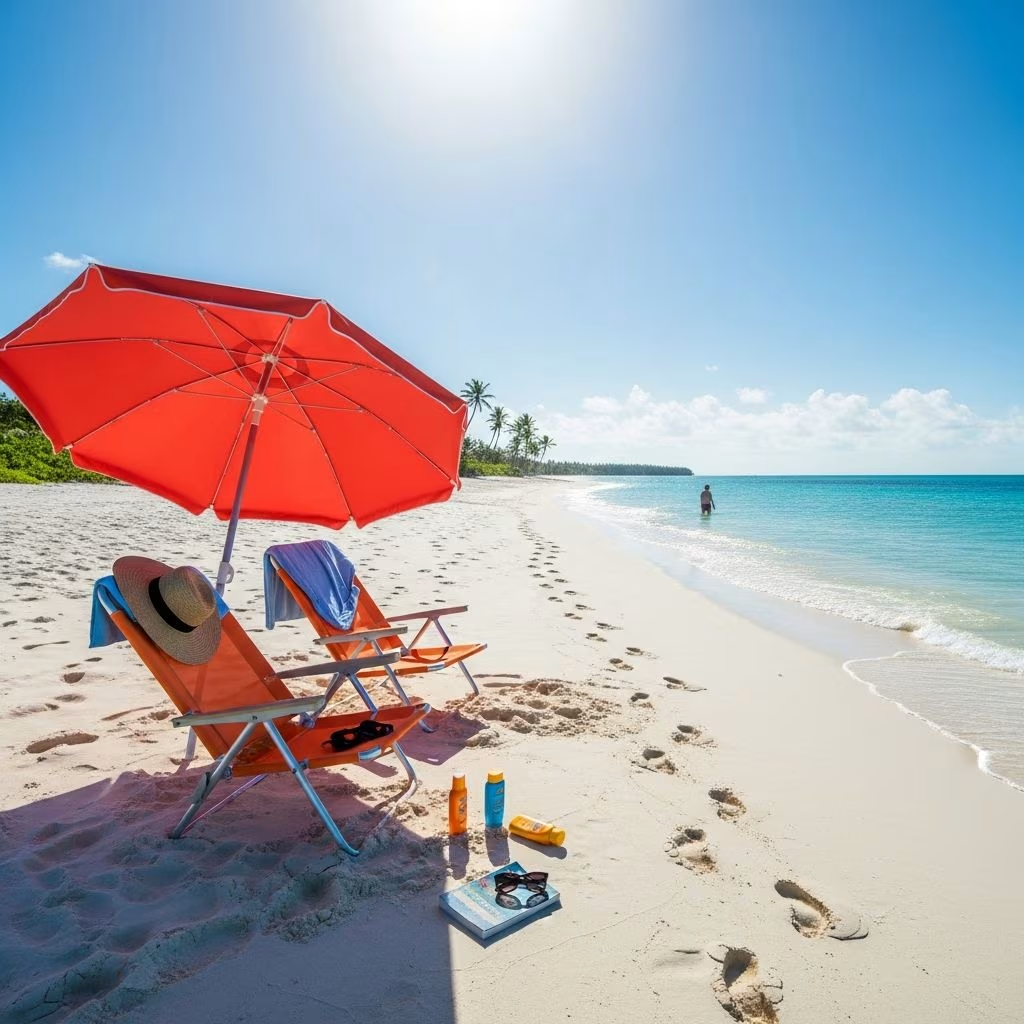
Traveling to sun-drenched destinations promises relaxation and adventure, but many popular spots pose significant sunburn risks due to elevated ultraviolet (UV) radiation levels. Factors like proximity to the equator, high altitudes, reflective surfaces, and extended daylight hours amplify exposure, making skin protection crucial for vacationers.
Ultraviolet radiation from the sun consists primarily of UVA and UVB rays. UVB rays are the main culprits behind sunburns and skin cancer, peaking between 10 a.m. and 4 p.m., especially near the equator or at higher elevations. UVA penetrates deeper, contributing to premature aging and also heightening cancer risks over time. Features like sand, snow, and water can reflect up to 80% of UVB, intensifying exposure in beach or desert environments.
Skin cancer ranks as the most common cancer in the United States, largely driven by excessive UVR. Vacationers face heightened dangers, with studies showing beachgoers receiving 500% more UVR than needed for a burn. International travelers to sunnier, lower-latitude spots encounter even greater threats during outdoor pursuits.
Several environmental elements converge to create sunburn hotspots:
Global studies rank destinations by combining UV exposure data with sunlight duration, pinpointing areas where unprotected skin burns fastest.
Analysis from comprehensive UV studies highlights these top locations where travelers must prioritize protection. Ranked by combined UV intensity and sunlight hours, they demand vigilance.
| Rank | Destination | Key Risk Factors | Avg. Peak UVI |
|---|---|---|---|
| 1 | Dubai, UAE | Desert climate, relentless sun, urban heat | 11+ |
| 2 | Doha, Qatar | Gulf heat, clear skies, coastal reflection | 11+ |
| 3 | Honolulu, Hawaii | Tropical beaches, ocean reflection, trade winds | 10-12 |
| 4 | Las Vegas, USA | Desert elevation, poolside partying, dry air | 10-11 |
| 5 | Crete, Greece | Mediterranean sun, island breezes masking heat | 9-11 |
| 6 | Los Angeles, USA | Coastal urban sprawl, beach culture, smog-free days | 9-10 |
| 7 | Perth, Australia | Southern hemisphere intensity, pristine beaches | 10-11 |
| 8 | Petra, Jordan | Ancient rock canyons reflecting UV, arid highs | 10+ |
| 9 | Cairo, Egypt | Nile Valley heat, desert winds, historical sites | 11+ |
| 10 | Malaga, Spain | Andalusian coast, high summer UV, resort vibes | 9-11 |
These spots often see UVI levels of 11 or higher during peak seasons, where unprotected fair skin burns in under 10 minutes.
Despite warnings, many travelers skip safeguards. Resort studies reveal vacationers at pools and beaches apply sunscreen more often but neglect cover-ups or shade. Only about 50% use hats or seek shadows consistently. Environmental designs—like open pools without umbrellas—hinder protection. With 60% of U.S. adults vacationing out-of-town and dedicating 75% of leisure to outdoors, this complacency spikes risks.
Effective defense combines behavioral shifts and gear. Public health experts outline these steps:
For high-risk areas, rash guards and lip balms with SPF add layers of safety.
Intense, dry heat fools the body into underestimating burn speed. Opt for loose, long clothing mimicking local styles, and use high-SPF face shields. Explore sites pre-dawn or post-sunset.
Water reflections double UV. Rent UPF beach tents, and alternate swimming with shaded lounging. Hawaii mandates reef-safe sunscreens since 2018.
Urban pools and hikes amplify risks. Pool parties demand hourly reapplications; desert trails need arm sleeves.
Not all sunny spots are equal. Consider these with milder UV profiles:
These allow enjoyment without extreme precautions.
Sunburn signals DNA damage, elevating melanoma odds—the deadliest skin cancer. Chronic exposure accelerates wrinkles, cataracts, and immune suppression. Short vacation bursts pack outsized harm, linking sunny trips to long-term issues across studies on three continents.
UVI 8+ requires protection; 11+ demands full coverage, even briefly.
No—even SPF 30 filters 97%; combine with clothing for best results.
Yes, up to 80% of UV penetrates clouds.
They burn slower but still suffer damage and cancer risks.
Wait until healed; repeated burns compound harm.
Prioritize skin health to maximize trip joys. Research UV forecasts, pack smart, and embrace shaded adventures. Safe travels yield lasting memories without the pain.
