 Stays
StaysStays
10 Unusual Hotels in Germany for a One-of-a-Kind Stay
Explore Germany's most creative and unconventional accommodations, from Alpine igloos to artistic boutiques, offering travelers memorable alternatives to standard hotels.
 Stays
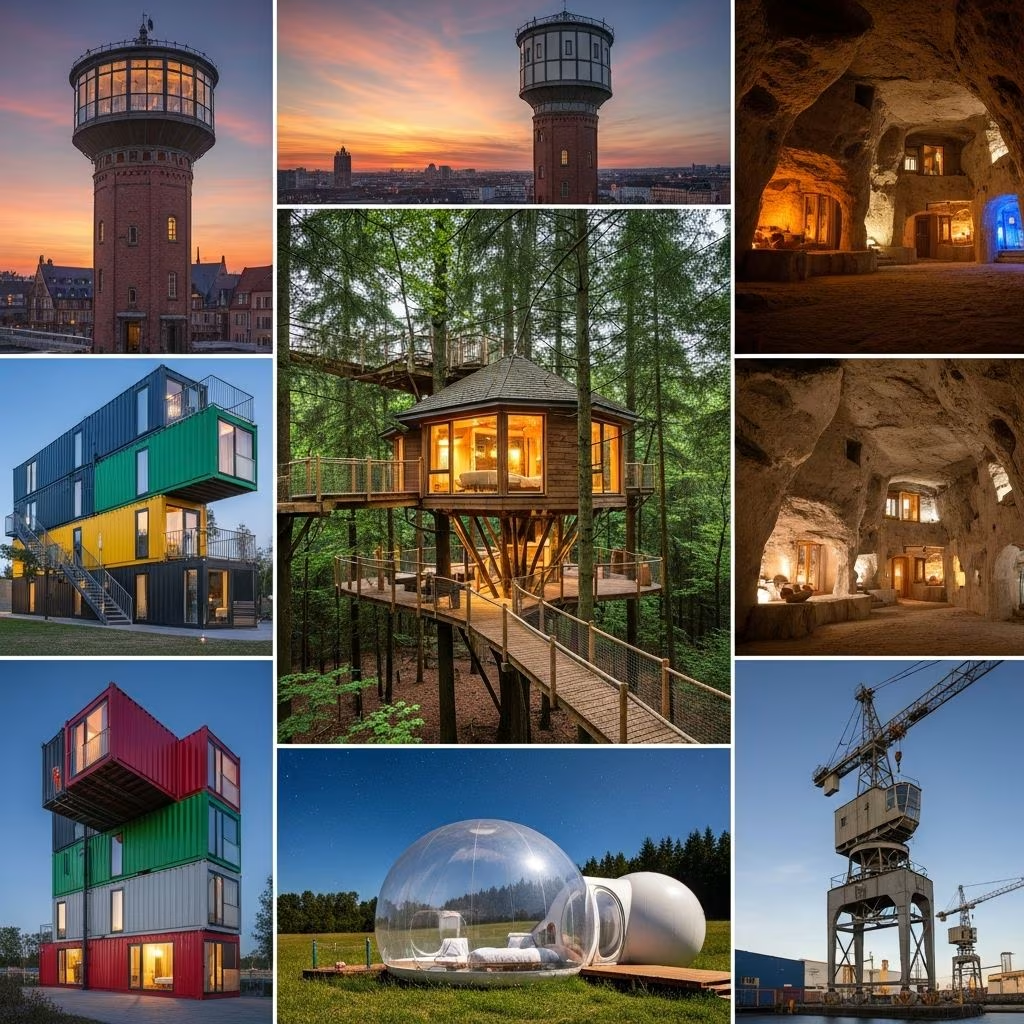
StaysGermany has established itself as a destination for travelers seeking more than standard hotel experiences. Throughout the country, innovative property owners and creative entrepreneurs have transformed ordinary structures into extraordinary sleeping destinations that challenge conventional notions of hospitality. These accommodations range from repurposed industrial buildings to nature-integrated retreats, each offering distinctive environments that turn a night’s stay into an unforgettable adventure.
Alpine Peaks and Winter Wonderlands
High atop Germany’s most famous mountain stands an accommodation that captures the essence of alpine enchantment. The Zugspitze, towering at 2,962 meters, hosts a seasonal settlement of interconnected ice structures that redefine mountain hospitality. This elevated retreat allows guests to experience genuine alpine culture while maintaining modern comfort through innovative heating and facility management.
The village operates on a seasonal cycle, with structures reconstructed annually using a unique methodology. Workers deploy inflatable balloons as structural cores, then pile natural snow accumulation across these forms to create durable walls and ceilings. Most units accommodate romantic couples, though larger configurations sleep up to six occupants. Amenities include thermal facilities for warming and relaxation, though guests embrace the trade-off of limited water infrastructure in exchange for surreal mountain vistas spanning multiple countries.
The experience represents a deliberate disconnection from urban convenience, attracting adventurers and couples seeking isolation paired with natural grandeur. Bundled fur coverings and hand-sculpted ice features transform functional sleeping quarters into theatrical environments.
Artistic Expression and Surreal Architecture
Berlin’s contribution to unconventional hospitality draws inspiration from literary imagination and architectural rebellion. One prominent establishment channels visionary narratives into physical space, with each room representing a distinct artistic universe. Guests navigate environments designed to challenge spatial perception and comfort conventions.
The property’s design philosophy embraces controlled chaos—accommodations might feature inverted sleeping surfaces, sensory-enriched wall treatments, or furniture arrangements that disorient and delight simultaneously. Designers incorporate materials not traditionally associated with hospitality, creating installations that function as both sleeping spaces and immersive art installations. The establishment attracts creative professionals, artists, and travelers fatigued by standardized corporate hotel aesthetics.
Nearby institutions have similarly embraced artistic transformation. Another Berlin-based property emerged from artist collective foundations and maintains its countercultural DNA while serving contemporary guests. These establishments position themselves as alternatives to hospitality’s conventional trajectory, prioritizing authentic creative expression over standardized comfort protocols.
Nature Integration and Forest Retreats
Near Germany’s eastern border, a property demonstrates how architectural imagination can harmonize with woodland environments. Nine individual structures perch within tree canopies, each designed to minimize environmental disruption while maximizing occupant connection to natural surroundings. The development incorporates whimsical naming conventions, referencing mythological creatures and folkloric traditions that celebrate the forested setting.
Construction prioritizes structural integrity and guest safety while maintaining the visual and psychological impact of genuine tree-based living. These dwellings appeal to guests seeking environmental consciousness alongside novelty—the accommodations emphasize their light footprint and sustainable integration into existing ecosystems. Multi-generational families and groups of friends appreciate the communal possibilities while maintaining individual space.
The property positions itself as destination itself rather than convenient launching point, encouraging extended stays and full immersion in woodland rhythms. Guests typically abandon conventional distractions, embracing natural cycles and forest atmosphere.
Industrial Repurposing and Automotive Heritage
A distinctive property demonstrates how industrial heritage transforms into memorable hospitality. An automotive-themed establishment features accommodations constructed almost entirely from salvaged vehicle components and related materials. Original tools, signage, and mechanical elements appear throughout, while furniture crafted from reclaimed automotive parts creates functional art pieces.
The property caters to transportation enthusiasts, mechanical history buffs, and guests valuing sustainability through material reuse. Each accommodation incorporates different automotive traditions and eras, from classic East German vehicles to iconic American designs. Thematic consistency extends beyond mere decoration—environmental design elements reinforce conceptual coherence throughout occupancy.
A premium option provides access to a former airport control structure, redesigned as an elevated residential suite. This conversion preserves architectural character while introducing contemporary luxury—private sauna facilities and terrace space offer refined counterpoint to industrial aesthetics surrounding them.
Viticultural Experiences and Rhine Valley Traditions
Along the Rhine River valley, wine country hospitality takes unconventional form through historic wooden vessels. A riverfront establishment offers guests sleeping accommodations within massive barrels previously used for wine storage and aging. These cylindrical chambers, converted thoughtfully while preserving original wooden construction, create deeply intimate environments that connect guests to regional viticultural heritage.
The accommodation appeals simultaneously to wine enthusiasts seeking immersion in production culture and travelers desiring unusual experiences. The physical containment within barrel walls creates psychological distinctiveness—compact dimensions paradoxically enhance perceived comfort through environmental definition. Many guests coordinate their stays with local wine festival schedules or harvest seasons, deepening their engagement with regional traditions.
The establishment maintains regular guest accommodations alongside its distinctive barrel offerings, allowing various comfort preferences while maintaining distinctive identity.
Automotive Repurposing and Period Aesthetics
A unique establishment features accommodated vintage vehicles, each with individualized thematic decoration and furnishing. A film production sculptor directed interior design, ensuring period-accurate details and cohesive aesthetic experience within each mobile unit. Different vehicles embrace different eras and cultural references—retro 1950s American transportation sits adjacent to iconic Eastern European automobiles representing socialist manufacturing heritage.
Guests select accommodations based on preferred historical period or transportation tradition. Pink-upholstered interiors celebrate entertainment culture, while garden gnome-adorned chambers reference hunting traditions. A classic silver Airstream honors American road-culture mythology, while restored Eastern vehicles preserve mechanical history and manufacturing heritage.
The establishment transforms vehicle nostalgia into functional hospitality, attracting transportation enthusiasts, history buffs, and guests seeking conversation pieces and unique photography opportunities.
Urban Redevelopment and Neighborhood Transformation
Within a historically overlooked Berlin neighborhood, creative hospitality efforts deliberately drove local redevelopment and cultural revitalization. Thematically designed accommodations—ranging from corn-field-inspired chambers to Golden Age-period rooms with romantic furnishings—transformed neighborhood perception and attracted cultural tourism.
The property’s success, evidenced through extensive guest correspondence and successive expansions, demonstrates how distinctive accommodations function as neighborhood anchors. Strategic touring partnerships extend economic benefits throughout surrounding communities, leveraging unique hospitality as cultural catalyst.
Each accommodation incorporates artistic flourishes and period details that transcend typical decorator choices, creating environments that justify dedicated travel rather than functioning as interchangeable commercial spaces.
Comparative Accommodation Features
| Accommodation Type | Primary Location | Seasonal Availability | Ideal Guest Profile | Distinctive Features |
|---|---|---|---|---|
| Alpine Ice Structures | Zugspitze Summit | Winter | Adventure seekers, couples | Multi-country views, thermal facilities |
| Artistic Installations | Berlin | Year-round | Creatives, art enthusiasts | Immersive design, surreal environments |
| Forest Dwellings | Eastern Border Region | Year-round | Nature lovers, families | Tree-based living, minimal footprint |
| Automotive Conversions | Multiple Locations | Year-round | Enthusiasts, nostalgic travelers | Recycled materials, thematic consistency |
| Wine Barrel Chambers | Rhine Valley | Year-round | Wine enthusiasts, couples | Regional heritage, intimate spaces |
Planning Your Unconventional Stay
Selecting among Germany’s distinctive accommodations requires evaluating personal priorities and travel timing. Seasonal properties demand advance planning—Alpine ice villages operate during winter months only, while permanent installations offer year-round accessibility. Budget considerations vary significantly; artistic installations and automotive conversions typically command premium pricing, reflecting design investment and operational complexity.
Accessibility and physical comfort represent important practical considerations. Forest accommodations involve external access and potential climbing; guests with mobility limitations should inquire specifically about infrastructure. Wine barrel chambers and automotive conversions offer limited spatial dimensions—travelers requiring substantial room or those prone to claustrophobia should communicate preferences during booking.
Guest reviews and direct property communication provide invaluable information regarding actual conditions and suitability. Many distinctive properties attract guests with specific interests and values—matching personal priorities with community expectations enhances satisfaction.
Frequently Asked Questions
Are unconventional accommodations comfortable for extended stays?
Most distinctive properties balance novelty with functional comfort, though extended stays may reveal spatial or amenity limitations. Shorter visits—typically 1-3 nights—maximize appreciation while minimizing discomfort from compromised convenience.
Do these accommodations require special physical abilities?
Accessibility varies considerably. Some properties involve outdoor access, climbing, or confined spaces. Direct contact with proprietors clarifies specific requirements and potential limitations prior to booking.
What booking platforms list these properties?
Direct property websites often provide most accurate information. Specialty platforms emphasizing distinctive accommodations aggregate options, while conventional hotel sites may underrepresent or misrepresent unconventional properties.
Are these accommodations appropriate for families with young children?
Suitability depends on specific accommodations and child ages. Forest dwellings and automotive conversions typically accommodate families; artistic installations or cramped spaces may present challenges. Direct proprietor consultation confirms family appropriateness.
How far in advance should reservations be made?
Seasonal properties require months of advance booking, particularly during peak periods. Year-round accommodations often accept shorter notice, though popular options fill quickly during tourist season.
The Philosophy Behind Distinctive Hospitality
Germany’s unconventional accommodations represent deliberate rejection of standardized hospitality formulas. Rather than replicating corporate hotel templates across multiple locations, these properties invest in distinctive design, regional authenticity, and creative vision. This philosophy recognizes travelers’ increasing desire for authentic, memorable experiences transcending conventional luxury.
These establishments demonstrate that exceptional hospitality emerges from distinctive vision rather than expanded amenities. Guests willingly compromise certain conveniences—running water, spatial dimensions, climate control—in exchange for genuine novelty and authentic experience. This trade-off fundamentally redefines value within hospitality sector, challenging assumptions about comfort and satisfaction.
References
- Quirky sleeps: Germany’s top 10 unusual hotels — Lonely Planet. Accessed April 2026. https://www.lonelyplanet.com/articles/quirky-sleeps-germanys-top-10-unusual-hotels
- 12x unusual overnight stay in Bavaria – Discover Germany — Discover Germany Tourism Board. Accessed April 2026. https://entdecke-deutschland.de/en/bundeslaender/bayern/12-extraordinary-sleeping-places/
- 8 Unusual Hotels in Germany — Atlas Obscura. Accessed April 2026. https://www.atlasobscura.com/things-to-do/germany/hotels
On This Page
Alpine Peaks and Winter Wonderlands Artistic Expression and Surreal Architecture Nature Integration and Forest Retreats Industrial Repurposing and Automotive Heritage Viticultural Experiences and Rhine Valley Traditions Automotive Repurposing and Period Aesthetics Urban Redevelopment and Neighborhood Transformation Comparative Accommodation Features Planning Your Unconventional Stay Frequently Asked Questions The Philosophy Behind Distinctive Hospitality← Previous
Best Day Trips from Riga: Beaches, Nature, and Historic Sights
Next →
Liverpool Beatles Statues: Pier Head & Mathew Street Guide
Related Reading