


 Food & Culture
Food & Culture
12-Day Japan Itinerary for Food, Culture & Hot Springs
A curated 12-day journey through Japan highlights Tokyo's vibrant markets, Kyoto's serene temples, Hakone's steaming onsen, and regional delicacies like Hida beef and okonomiyaki.
 Food & Culture
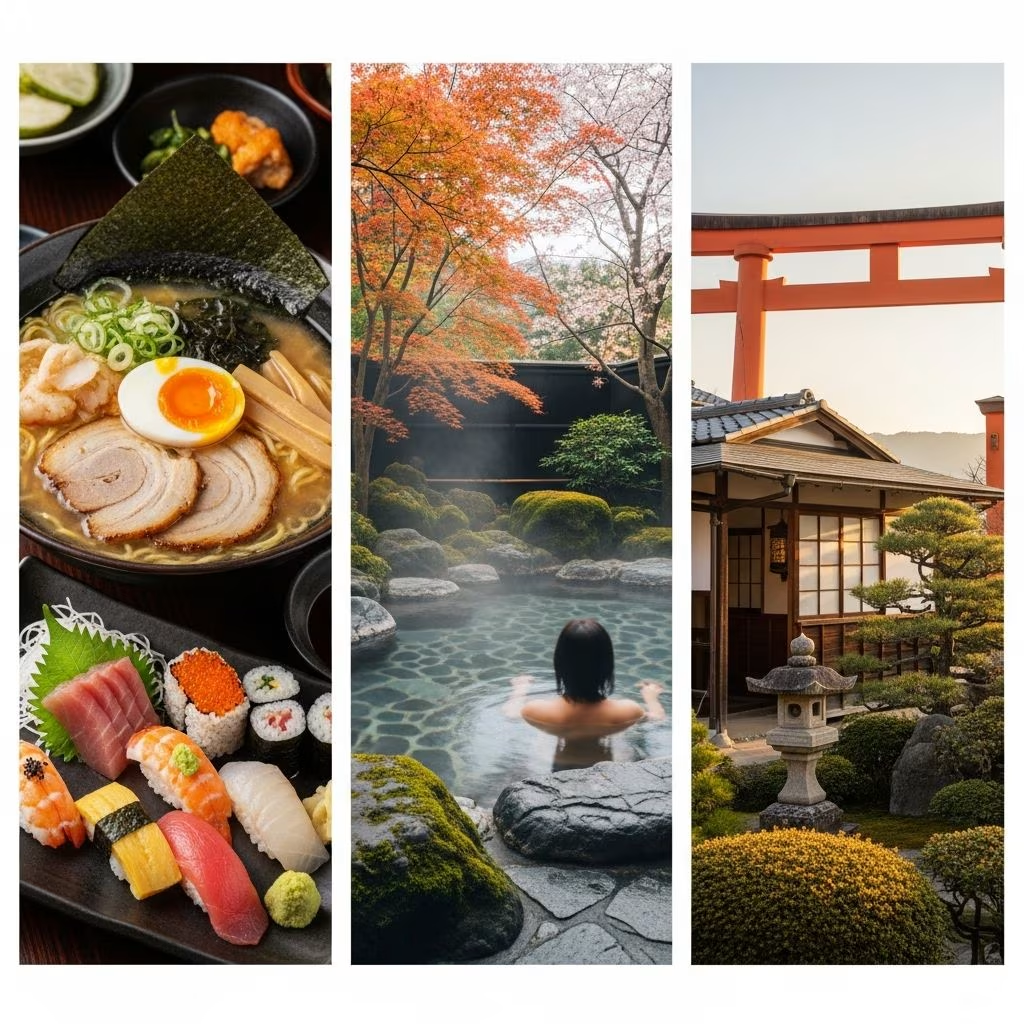
Japan captivates with its seamless blend of futuristic cities and ancient rituals, offering endless opportunities to savor exquisite cuisine, unwind in geothermal baths, and engage with profound cultural practices. This 12-day itinerary is designed for newcomers, guiding you through iconic destinations while prioritizing hands-on culinary workshops, therapeutic hot spring retreats, and serene temple explorations. From the neon buzz of Tokyo to the misty peaks of Hakone and the poetic lanes of Kyoto, expect a rhythm of discovery that balances excitement with tranquility.
Why This Itinerary Stands Out
Unlike rushed tours, this path emphasizes depth over breadth, allowing time to master sushi techniques, taste aged sake varieties, and meditate in Zen gardens. You’ll travel efficiently via Japan’s legendary shinkansen bullet trains, minimizing transit fatigue while maximizing immersion. Culinary highlights include market-fresh seafood, wagyu beef specialties, and seasonal kaiseki feasts, paired with onsen soaks that rejuvenate body and spirit. Cultural touchpoints range from geisha districts to samurai-era villages, revealing Japan’s layered history.
Days 1-3: Urban Energy and Seafood Mastery in Tokyo
Arrival in Tokyo sets the stage for sensory overload. Base yourself in the historic Asakusa neighborhood, where modern hotels overlook Senso-ji Temple, Tokyo’s oldest shrine dating back to 645 AD. Stroll Nakamise-dori, a vibrant arcade lined with sweet treats like ningyo-yaki (filled sponge cakes) and traditional crafts since the Edo era.
Day 2 dives into Shibuya’s iconic scramble crossing, the world’s busiest pedestrian junction, handling up to 3,000 people per cycle. Nearby, Harajuku’s colorful streets buzz with street fashion and crepe stands. Ascend Tokyo Skytree for panoramic views from its 634-meter observatory. Lunch in a depachika—elaborate basement food halls stocked with artisanal bento boxes and fresh sashimi.
On Day 3, Tsukiji Outer Market awaits with its labyrinth of stalls brimming with uni (sea urchin) and tamagoyaki (sweet omelets). Join a sushi-making class, learning to select fish, balance rice vinegar, and slice with precision. Your instructor, often a third-generation artisan, shares tips on wasabi grating and soy dipping etiquette. Afternoon free for Ginza’s luxury boutiques or retro kissaten cafes serving thick matcha parfaits.
- Key Eats: Yakitori skewers, tempura assortments, handmade soba.
- Pro Tip: Book sushi classes early; spots fill fast.
Day 4: Volcanic Wonders and Black Eggs in Hakone
Board the Romancecar train to Hakone, a volcanic haven famed for onsen. Ride the aerial tram over Owakudani valley, where sulfurous fumes rise from active craters. Sample kuro-tamago—eggs boiled in mineral waters, blackened shells promising seven extra years of life per legend. Clear skies reveal Mount Fuji, Japan’s 3,776-meter sacred peak.
Check into a ryokan with private rotenburo (outdoor baths), ideal for tattooed travelers avoiding public onsen restrictions linked to yakuza history. Evening kaiseki dinner features sukiyaki with premium wagyu or sashimi platters, served in tatami rooms overlooking gardens.
Days 5-6: Mountain Villages and Beef Delights
Transfer to Takayama, a preserved Edo-period town in the Japanese Alps. Wander Sanmachi Suji’s preserved merchant quarter, with sake breweries and miso shops. Hida beef, from cattle raised in crisp highlands, stars in sushi and skewers—its marbling rivals Kobe, tracing lineage to a legendary bull.
Day 6 includes a brewery tour in nearby Shirakawa-go, a UNESCO village of gassho-zukuri farmhouses with steep thatched roofs. Learn sake production from polished rice fermentation, tasting nascent spring brews versus matured autumn reserves. Group dinner of grilled oysters and okonomiyaki, customizable savory pancakes stuffed with cabbage, pork, and bonito flakes.
| Destination | Highlight Dish | Unique Activity |
|---|---|---|
| Hakone | Sukiyaki | Onsen soak |
| Takayama | Hida beef sushi | Sake tasting |
| Shirakawa-go | Okonomiyaki | Village walk |
Days 7-9: Temples, Tea, and Geisha in Kyoto
Kyoto, ancient capital, houses over 2,000 temples. Start at Fushimi Inari Taisha’s vermilion torii gates snaking up Mount Inari. Afternoon tea ceremony introduces chanoyu rituals: whisking matcha, bowing, and savoring wagashi sweets symbolizing impermanence.
Day 8 explores Arashiyama Bamboo Grove and Tenryu-ji Temple, a Zen masterpiece. Evening geisha performance in Gion reveals maiko dances and shamisen music. Day 9: Kinkaku-ji’s golden pavilion reflects in its pond, followed by a kaiseki meal at a historic ryokan with seasonal ingredients like bamboo shoots and cherry blossoms.
- Must-See: Philosopher’s Path for cherry blossoms (seasonal).
- Cultural Note: Remove shoes before entering temples.
Days 10-11: Hiroshima’s History and Miyajima Island
Shinkansen to Hiroshima for poignant Peace Memorial Park and Museum, commemorating 1945’s atomic bombing. Ferry to Miyajima, where Itsukushima Shrine’s floating torii gate is a tidal marvel. Feast on grilled oysters and anago-meshi (conger eel rice), local specialties.
Day 11: More Hiroshima exploration, perhaps okonomiyaki at Okonomi-mura village, birthplace of the dish dubbed Hiroshima’s soul food.
Day 12: Return to Tokyo and Reflections
Final shinkansen back to Tokyo for last-minute shopping or a skytree revisit. Depart with memories of flavors that dance on the palate and onsen warmth lingering in your bones.
Practical Travel Essentials
Transportation: Japan Rail Pass covers shinkansen (buy pre-trip). ICOCA cards for local transit.
Accommodations: Mix hotels, ryokans. Expect futons and communal baths.
Budget: $3,000-$5,000 USD per person, excluding flights. Food: $50-100/day.
Best Time: Spring (sakura) or autumn (foliage).
Packing: Yukata for onsen, comfortable shoes, adapter plugs.
Frequently Asked Questions (FAQs)
Is 12 days enough for Japan?
Yes, it covers highlights efficiently without exhaustion. Focus on Tokyo-Kyoto-Hiroshima loop.
What if I have tattoos?
Choose ryokans with private baths; many welcome inked guests.
Vegetarian options?
Abundant: shojin ryori (temple cuisine), tofu kaiseki. Inform guides ahead.
Train tips?
Reserve seats; bento boxes onboard elevate the ride.
COVID rules?
Check JNTO site; masks common indoors.
Insider Tips for Deeper Immersion
Engage locals via apps like HelloTalk. Try konbini (convenience stores) for onigiri. Respect etiquette: no eating while walking, quiet on trains. For foodies, hunt depachika for souvenirs like kitkats in matcha flavor.
This itinerary transforms travelers into temporary locals, weaving through Japan’s tapestry of taste, thermal waters, and timeless heritage. Prepare for transformative encounters that redefine serenity and indulgence.
References
- The Best 12-Day Japan Itinerary for First-Time Visitors — AFAR. 2023. https://www.afar.com/journeys/12-days-in-japan-with-food-culture-and-hot-springs
- 12 Day Japan Itinerary – The Ultimate Trip Planning Guide — Going Awesome Places. 2023. https://goingawesomeplaces.com/japan-itinerary-12-days/
- 12 Days in Japan – 6 Unique Itinerary Ideas — kimkim. 2024. https://www.kimkim.com/c/12-days-in-japan-unique-itineraries
On This Page
Why This Itinerary Stands Out Days 1-3: Urban Energy and Seafood Mastery in Tokyo Day 4: Volcanic Wonders and Black Eggs in Hakone Days 5-6: Mountain Villages and Beef Delights Days 7-9: Temples, Tea, and Geisha in Kyoto Days 10-11: Hiroshima's History and Miyajima Island Day 12: Return to Tokyo and Reflections Practical Travel Essentials Frequently Asked Questions (FAQs) Insider Tips for Deeper Immersion← Previous
8-Day Jordan Itinerary: Petra, Wadi Rum & the Dead Sea
Next →
7-Day Southern Italy Hiking Tour: Naples, Capri, Vesuvius & Amalfi Coast
Related Reading
More in Food & Culture
Food & Culture Food & Culture
 Food & Culture
Best Places to Eat in Rome: Neighborhood Dining Guide
 Food & Culture
 Food & Culture