

 Travel Essentials
 Travel Essentials

Explore breathtaking floral destinations across continents, from tulip fields to cherry blossoms, with seasonal guides and travel tips.
 Travel Essentials
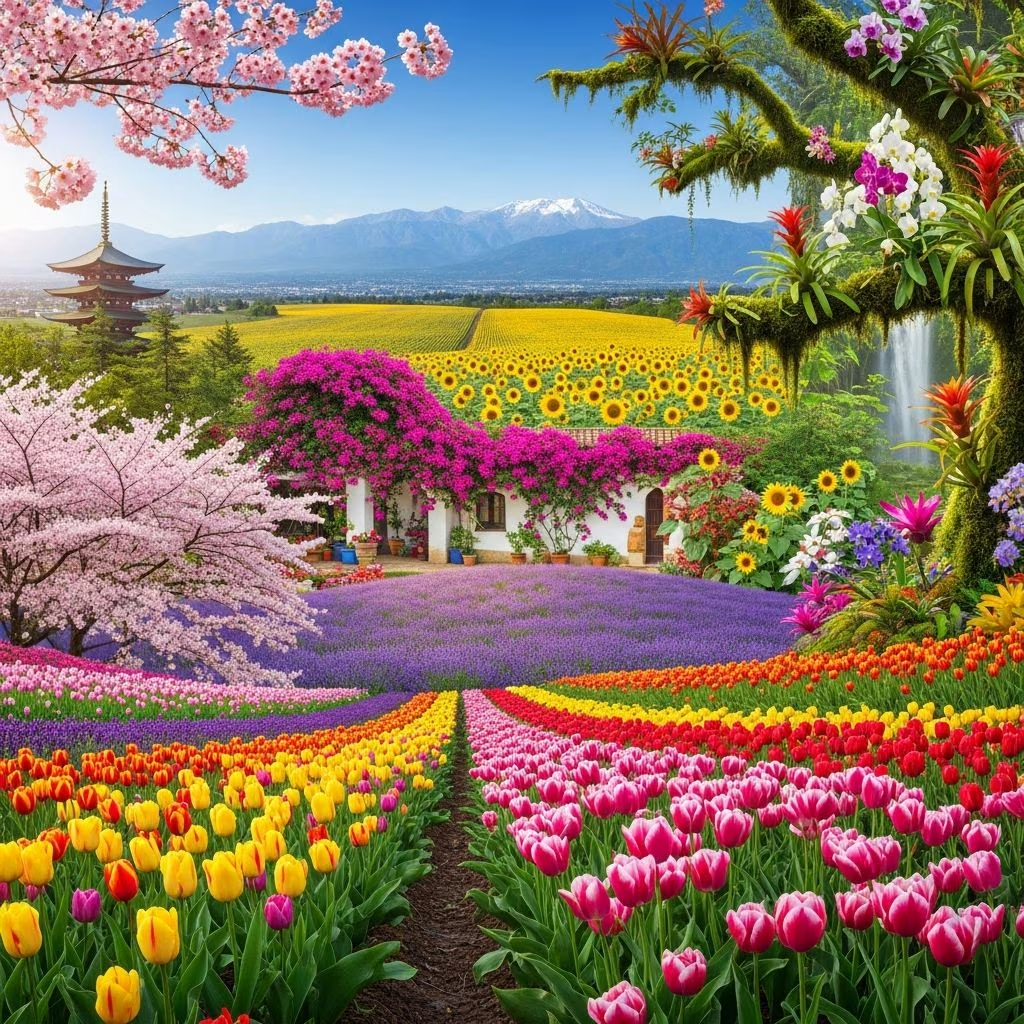
Travelers around the world are increasingly drawn to destinations renowned for their extraordinary floral displays. These locations offer more than just picturesque scenery; they provide transformative experiences that connect visitors with the natural rhythms of the seasons. Whether you’re captivated by vast fields of cultivated flowers or delicate wildflower carpets across untamed landscapes, the following destinations showcase nature’s most magnificent botanical offerings.
The phenomenon of traveling specifically to witness flower blooms represents a fascinating intersection of nature appreciation, photography culture, and mindfulness tourism. Visitors seek these destinations to experience transient beauty, capture memorable images, and immerse themselves in environments that inspire creativity and contemplation. The temporary nature of blooms adds urgency and intentionality to these journeys, making them particularly memorable.
Planning a flower-focused trip requires careful attention to seasonal timing, as peak bloom periods often span only a few weeks. Many travelers build their entire vacation schedules around these narrow windows, demonstrating the powerful draw these natural spectacles exert.
The Netherlands stands as a global epicenter for tulip cultivation and display, with the nation producing approximately 90% of the world’s tulips. The Bollenstreek Route, a scenic 25-mile pathway through North Holland, winds through countryside landscapes dominated by vibrant flower fields. This route, often called the Flower Route, provides accessible access to rural floral farms and market gardens.
For a more curated experience, Keukenhof Gardens in Lisse represents one of the world’s largest and most comprehensive flower exhibitions. This 79-acre botanical complex hosts seven million tulips, daffodils, hyacinths, and complementary spring bloomers during its limited annual opening. The garden’s design creates multiple themed zones, each highlighting different flower varieties and horticultural traditions.
Optimal visiting window: Late March through early May
Planning considerations:
The French countryside offers two distinct floral experiences. Provence’s lavender fields, particularly around Valence and Drôme regions, create purple-hued landscapes from late June through July. Early morning visits and golden hour evening light provide the best photographic opportunities while minimizing crowds.
Giverny, in northern France, preserves Claude Monet’s personal gardens exactly as the Impressionist artist maintained them. The grounds feature two distinct garden sections: a structured French garden surrounding Monet’s house, complete with bulb flowers and orchard spaces, and a contemplative Japanese water garden across the street. These gardens inspired many of Monet’s most famous paintings and continue to captivate modern visitors.
Kew Royal Botanic Gardens in London comprises 300 acres housing 27,000 plant species, making it a UNESCO World Heritage Site and the UK capital’s largest botanical preserve. Spring season brings flowering cherries, peonies, poppies, and extensive tulip displays. The gardens offer more than aesthetic beauty; visitors can participate in online educational courses about plant identification and horticultural science.
Japan’s cherry blossoms represent one of earth’s most culturally significant floral events. The Shibazakura Festival at Mount Fuji’s base occurs during April and May, when electric-pink phlox flowers blanket meadows below the iconic mountain. This festival attracts crowds who experience the blooms while enjoying traditional Japanese food offerings and local cultural celebrations.
Beyond Mount Fuji, Japan offers wisteria tunnel experiences. Kawachi Wisteria Garden in Kitakyushu features two remarkable wisteria tunnels that converge into a flower dome formation, creating immersive color experiences. Due to space limitations, the garden requires advance reservations.
Unlike destinations with seasonal limitations, Singapore provides orchid viewing opportunities throughout the year. The Singapore Botanic Gardens showcase the tremendous diversity of orchid species and hybrids, while Gardens by the Bay offers spectacle-focused displays. Visitors are encouraged to examine orchid structures closely, as their intricate formations reveal remarkable evolutionary adaptations.
Nestled within the Himalayas in Uttarakhand, the Valley of Flowers represents both a National Park and UNESCO World Heritage Site. This six-mile expanse contains approximately 1,000 different flower species, including daisies, poppies, rhododendrons, and alpine lavender varieties. Trekking through the valley connects visitors with rare, protected wildlife while traversing waterways and pastures blanketed in spring blooms. Visitors should remain alert for Himalayan black bears, which inhabit the region.
The Atacama Desert in Chile periodically experiences extraordinary wildflower blooms following rare rainfall, transforming arid landscapes into botanical spectacles. These events occur unpredictably, making them particularly sought-after by adventurous travelers who view successful bloom-viewing as a significant achievement.
Within the United States, several locations showcase distinctive desert and mountain wildflowers. Great Smoky Mountains National Park, spanning Tennessee and North Carolina, earns recognition as the Wildflower National Park, hosting more than 1,500 flowering plant species. An annual wildflower pilgrimage offers guided hikes and educational workshops during April and May peak bloom seasons.
Anza-Borrego Desert State Park in California displays white and purple wildflower displays during March peak bloom. Death Valley, while primarily known for extreme desert conditions, occasionally produces remarkable wildflower displays under favorable moisture conditions.
Western Australian wildflower displays transform vast landscapes with native species during spring months. These regions support unique endemic plants found nowhere else on Earth.
Mexico’s Day of the Dead celebrations feature marigold flowers as integral ceremonial elements, transforming Mexican communities into golden-hued landscapes. This cultural-botanical intersection offers travelers opportunities to witness flowers within their deepest social and spiritual contexts.
| Destination | Primary Flowers | Peak Season | Key Consideration |
|---|---|---|---|
| Netherlands (Keukenhof) | Tulips, Daffodils, Hyacinths | Late March–Early May | Book accommodations months in advance |
| Mount Fuji, Japan | Phlox (Pink) | April–May | Festival crowds require early arrival |
| Provence, France | Lavender | Late June–July | Early morning or golden hour for photos |
| Singapore | Orchids | Year-round | No seasonal restrictions; flexible planning |
| Valley of Flowers, India | Alpine varieties (Poppies, Rhododendrons, Daisies) | Spring/Summer | Bear safety awareness essential |
| Great Smoky Mountains | Native wildflowers (1,500+ species) | April–May | Annual pilgrimage offers guided experiences |
Successful flower destination travel requires strategic planning. Accommodations near popular destinations often reach capacity months in advance during peak bloom seasons. Consider booking lodging six to twelve months ahead, particularly for European and Japanese destinations.
Transportation choices significantly impact the experience. Renting vehicles provides flexibility for exploring rural flower farms and discovering less-visited viewing locations. Public transportation systems in European cities like Amsterdam effectively connect travelers to countryside destinations.
Travel insurance becomes particularly valuable for flower-specific trips, given the unpredictability of bloom timing. Weather events and climate variations can compress or extend bloom periods, potentially affecting carefully planned itineraries.
As flower tourism increases, visitors should adopt practices that preserve these destinations for future travelers. Many popular locations, particularly private gardens, establish specific behavioral guidelines. Remaining on designated pathways, avoiding flower picking, and respecting posted signage protects delicate ecosystems and maintains garden aesthetics.
Supporting local communities through accommodation, dining, and activity bookings ensures that flower-based tourism generates economic benefits for host regions. Visiting during less-famous bloom periods or selecting lesser-known destinations distributes visitor impact more equitably across multiple locations.
Timing varies by destination and hemisphere. Northern Hemisphere spring (March–May) offers peak opportunities in Europe, North America, and Asia. Southern Hemisphere destinations peak during September–November. Tropical and subtropical regions like Singapore support year-round flower viewing.
Popular destinations require six to twelve months advance booking for accommodations. Flexible travelers can sometimes find last-minute opportunities by monitoring weather forecasts and bloom reports starting four to six weeks before intended travel.
No absolute guarantees exist; weather variations affect bloom timing. Choosing established botanical gardens over wild meadows increases reliability, as gardens actively manage conditions to extend bloom periods.
Costs vary significantly. European botanical gardens charge modest entry fees (typically €10–20), while accommodations represent the largest expense. Flights, meals, and local transportation add substantially to overall trip costs.
Many destinations accommodate various fitness levels. Botanical gardens offer relatively flat, accessible pathways suitable for all ages and abilities. Mountain and hiking-based destinations like the Valley of Flowers demand higher fitness levels and altitude acclimatization.
