

 Travel Essentials
 Travel Essentials

Discover Tulum’s best free and low-cost experiences, from public beaches and cenotes to ruins, murals, and local culture.
 Travel Essentials
Tulum has earned a reputation as a luxury destination, attracting travelers with deep pockets seeking upscale resorts and trendy beach clubs. However, this charming coastal town on Mexico’s Yucatan Peninsula offers far more than what credit cards can buy. Visitors willing to venture beyond the resort zones discover that some of Tulum’s most memorable experiences cost nothing at all. From untouched stretches of Caribbean shoreline to ancient Mayan ruins perched on cliffsides, budget-conscious travelers can experience the true essence of this destination without depleting their savings.
The primary barrier to enjoying Tulum’s beaches involves navigating through privately owned resort properties. Many hotels control beach access, creating the misconception that enjoying the sand and sea requires expensive day passes or meal purchases at their establishments. However, strategic visitors can discover genuine public beach areas that remain completely free.
Playa Las Palmas stands out as one of Tulum’s most accessible public beaches, located just north of the Mezzanine hotel along the beach road. This stretch features the wide white-sand beaches and brilliant turquoise waters that define Caribbean paradise, with no entrance fees or hidden charges. Visitors will notice bicycles and vehicles parked along the roadside, marking this popular access point. The beach provides everything one expects from a tropical destination: soft sand, clear water for swimming, and stunning views of nearby archaeological sites looming in the distance.
Playa Pescadores offers another outstanding option for those seeking free beach access. This public area welcomes visitors at no cost and maintains the same natural beauty as premium resort beaches. Throughout the day, the atmosphere transforms as beach clubs begin operating their music and vendors start selling refreshments and rental equipment. The juxtaposition of natural serenity and commercial activity creates an authentic glimpse into how local communities and tourism coexist in Tulum. Snorkeling equipment and boogie boards are available for rental at reasonable prices, allowing visitors to enhance their beach experience without committing to expensive club memberships.
Early morning or late afternoon visits provide the most pleasant experience, as midday heat and increasing crowds can make the experience less enjoyable. Visitors should bring their own shade solutions, as natural shelter remains limited along these public stretches.
Renting a bicycle transforms the Tulum experience, providing independence and unveiling hidden locations that organized tours never reach. The beach road presents an ideal cycling route, offering gradually changing scenery as riders venture north and south from the town center.
Northbound journeys lead past luxury hotels and commercial areas before revealing access points to the southern beaches. These locations often feature atmospheric restaurants and bars where visitors can purchase affordable drinks while enjoying oceanfront settings. The key advantage of cycling is the freedom to stop at any appealing location without time pressures or guide schedules.
Southern expeditions carry dedicated cyclists into progressively wilder terrain. Cenote Encantado appears as a refreshing waypoint during longer rides, offering cool freshwater swimming in a natural sinkhole surrounded by jungle vegetation. The landscape gradually transitions into the Sian Ka’an Biosphere Reserve, characterized by minimal development and sparse crowds. This protected area encompasses tropical forests, mangroves, and marshes teeming with indigenous wildlife.
Bicycle rentals throughout Tulum remain remarkably affordable, with many accommodations providing bikes complimentary to guests. Even budget hotels often include this service, making it an economical choice for transportation and exploration.
The Tulum Ruins represent one of the region’s most significant archaeological sites, offering visitors a tangible connection to Mayan civilization. What makes this attraction particularly accessible is its modest entrance fee of approximately $3.25, making it one of the region’s most affordable major attractions.
The site’s positioning on a 40-foot cliff overlooking the Caribbean creates an unparalleled setting for ancient structures. El Castillo, the most imposing building within the complex, commands attention as it towers above the landscape like a sentinel watching over the sea. This positioning held strategic importance centuries ago, as traders arrived in 50-foot canoes laden with goods including honey, salt, and amber, converting Tulum into a vital commercial and cultural hub.
The ruins remain relatively compact compared to other Mesoamerican sites, making them navigable within a few hours. Arriving at opening time helps visitors avoid afternoon crowds while enjoying the site in cooler morning temperatures. Swimmers should bring bathing suits, as small beaches below the ruins invite refreshing dips in the Caribbean after exploring the archaeological structures.
Cenotes, those breathtaking natural sinkholes filled with turquoise water, have become synonymous with Yucatan travel. Most cenotes charge entrance fees ranging from moderate to expensive, and many require transportation beyond downtown Tulum. For budget travelers, this creates frustration, as these geological wonders represent genuine highlights of any Yucatan visit.
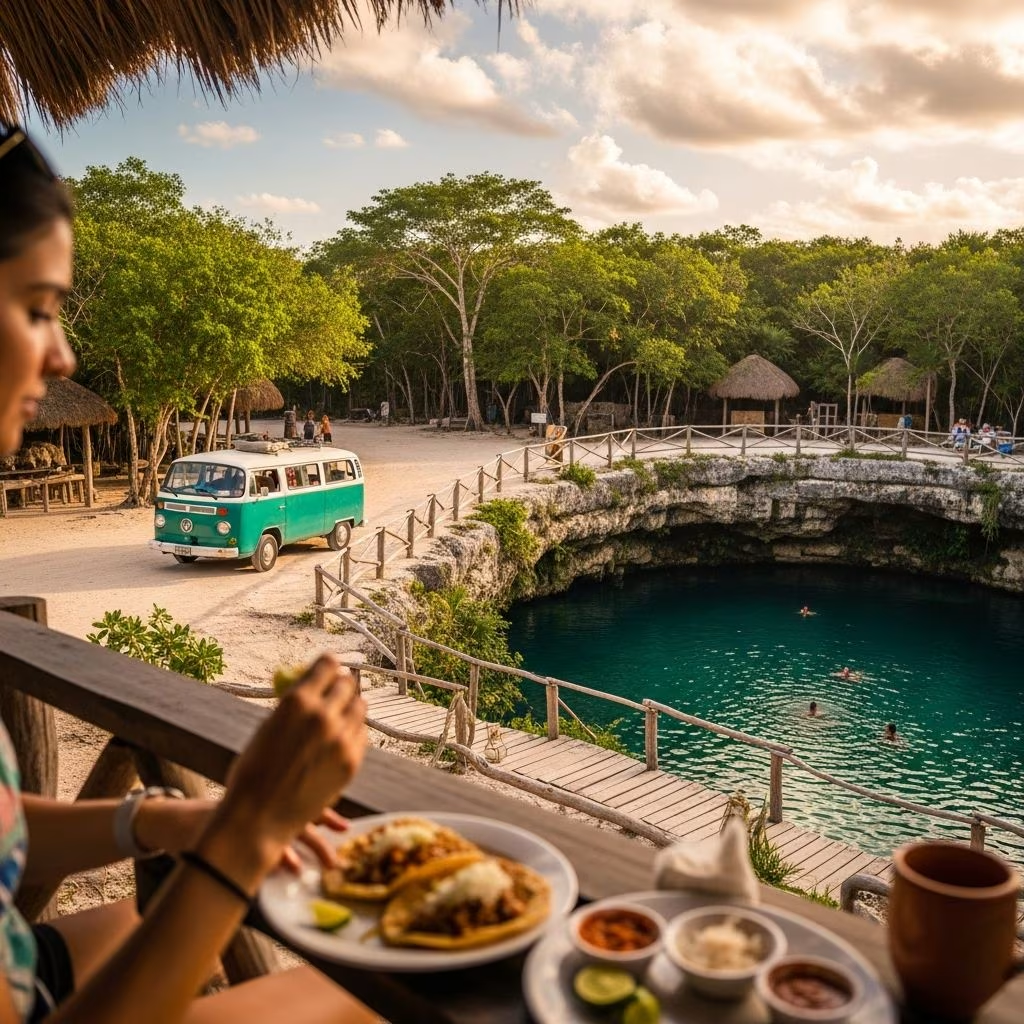
Cenote Aldea Zama breaks this pattern, offering free entry to visitors willing to explore local streets away from main tourist corridors. This modest-sized cenote maintains stunning beauty despite its smaller scale, providing an authentic swimming experience surrounded by locals rather than tour groups. The site opens officially at 9 AM but operates informally throughout the day without strict closing times.
Timing proves crucial at this location. Early morning arrivals before 10 AM provide the most serene experience, with minimal crowds and plenty of space. As midday approaches, local families arrive for weekend recreation, transforming the cenote into a lively community gathering place. While sharing space with enthusiastic local children creates different energy than solitary exploration, it authentically represents how Tulum residents interact with their natural landscape.
The journey to Cenote Aldea Zama requires navigating local streets and may involve asking for directions, but this minor inconvenience comes with the reward of experiencing a completely free natural attraction.
Tulum’s cultural landscape extends beyond beach and nature activities into vibrant artistic expression. Radio Tulum exemplifies this creative energy, offering a substantial leafy courtyard within downtown Tulum where performances happen almost nightly. The venue hosts diverse entertainment including live music concerts, spoken word performances, DJ sets, and theatrical presentations. Entry remains free or includes the cost of a meal from the on-site Indian restaurant, allowing visitors to engage with Tulum’s bohemian culture affordably.
The sensory experience encompasses more than performance art. The aroma of Indian cuisine mingles with creative energy as audiences sit in mismatched chairs, creating an eclectic atmosphere that captures Tulum’s countercultural essence. On specific evenings, guitarists accompany Tibetan singing bowls during meditative performances, attracting spiritual seekers seeking meaningful connection.
The Central Plaza (Parque Tulum) serves as another cultural intersection where locals gather daily. This gritty downtown block transforms at sundown when food cart vendors appear, offering authentic Mexican street food. Traditional items including marquesitas (crispy crepes stuffed with savory or sweet fillings) and elote (grilled corn smothered with mayo, chile powder, and cheese) represent iconic tastes of Tulum. The plaza atmosphere includes casual recreation—pickup basketball games, couples strolling arm in arm, and occasional folkloric dance performances. Experiencing this unscripted local activity costs nothing but provides immeasurable cultural insight.
Tulum’s artistic identity extends beyond formal venues into public spaces where murals and street art flourish. Wandering the town center reveals creative expressions painted across buildings and walls, offering constant visual interest. Early mornings or early evenings present ideal exploration times, as midday heat makes extended walking unpleasant.
The Holistika Tulum Resort features a dedicated Art Walk through jungle surroundings, showcasing murals and sculptures positioned throughout the property. This experience remains free and open to public visitors, though the location requires transportation via bicycle, taxi, or determined walking. The combination of artistic installations and jungle environment creates immersive cultural experience distinct from typical tourist activities.
Tulum’s calendar continuously features free and low-cost events that vary throughout the year. Discovering these opportunities requires accessing local information networks that reach beyond traditional travel guidebooks. The Tudu Tulum app serves as the primary resource for identifying current free events, live music venues, yoga classes, and community activities occurring throughout town.
Downloading this application before arriving ensures visitors remain informed about entertainment options during their stay. Event listings change regularly, reflecting Tulum’s dynamic cultural scene that evolves with seasons and traveling performers. This approach allows flexibility in daily planning, enabling visitors to discover unique experiences suited to their interests rather than following predetermined itineraries.
The Sian Ka’an Biosphere Reserve, located approximately one hour south of Tulum, extends exploration opportunities into protected natural environments. This UNESCO World Heritage site encompasses tropical forests, mangroves, and marshes intersected by barrier reef systems. Over 300 bird species inhabit this area alongside terrestrial wildlife, creating exceptional opportunities for nature observation.
While access requires transportation and potential guide services, the reserve offers perspectives impossible to gain from beach-focused activities. The landscape diversity provides visual contrast for travelers spending extended periods in coastal environments. Organized tours provide the most reliable access, though independent cycling expeditions into the reserve remain possible for adventurous travelers.
| Activity | Cost | Location | Best Time |
|---|---|---|---|
| Playa Las Palmas Beach | Free | Northern Beach Road | Early morning |
| Playa Pescadores Beach | Free | Central Beach Area | Sunrise/Sunset |
| Tulum Ruins | $3.25 USD | Clifftop Site | Opening time |
| Cenote Aldea Zama | Free | Downtown Area | Before 10 AM |
| Radio Tulum Performances | Free | Downtown | Evening hours |
| Street Art Tour | Free | Town Center | Early morning |
| Bicycle Rental | $3-5 USD/day | Multiple Locations | Anytime |
The low season from May through October offers discounted accommodations and fewer crowds, though heat and occasional rain occur during this period. Late September through October provides a balance of lower prices and improving weather conditions.
While accommodations require payment, many budget hotels offer complimentary bicycle rentals, which enables free access to beaches and exploration routes. Free activities include beach visits, street art viewing, and plaza observation.
Yes, solo travel in Tulum presents no significant challenges. Public beaches welcome individuals, rental bicycles provide independence, and communal spaces like Radio Tulum and the central plaza attract diverse visitors.
Yes, locals regularly swim at Cenote Aldea Zama. The water remains clean and refreshing. Early morning visits provide calmer conditions than midday when crowds increase.
Most visitors spend two to three hours exploring the archaeological site, including time for photography and reading interpretive signage. Physical fitness and photography interests affect individual duration.
Tulum’s reputation for luxury should not discourage budget-conscious travelers. The destination offers exceptional value for visitors prioritizing authentic experiences over resort amenities. Beaches, cultural venues, archaeological sites, and natural attractions remain accessible regardless of accommodation choices or spending capacity. Strategic planning, local knowledge, and willingness to explore beyond main tourist corridors reveal the true character of this remarkable coastal destination.
