

 Travel Essentials
 Travel Essentials

Explore lesser-known gems in Eastern Europe, from pristine coastlines and mountain retreats to historic towns offering crowd-free cultural immersion.
 Travel Essentials
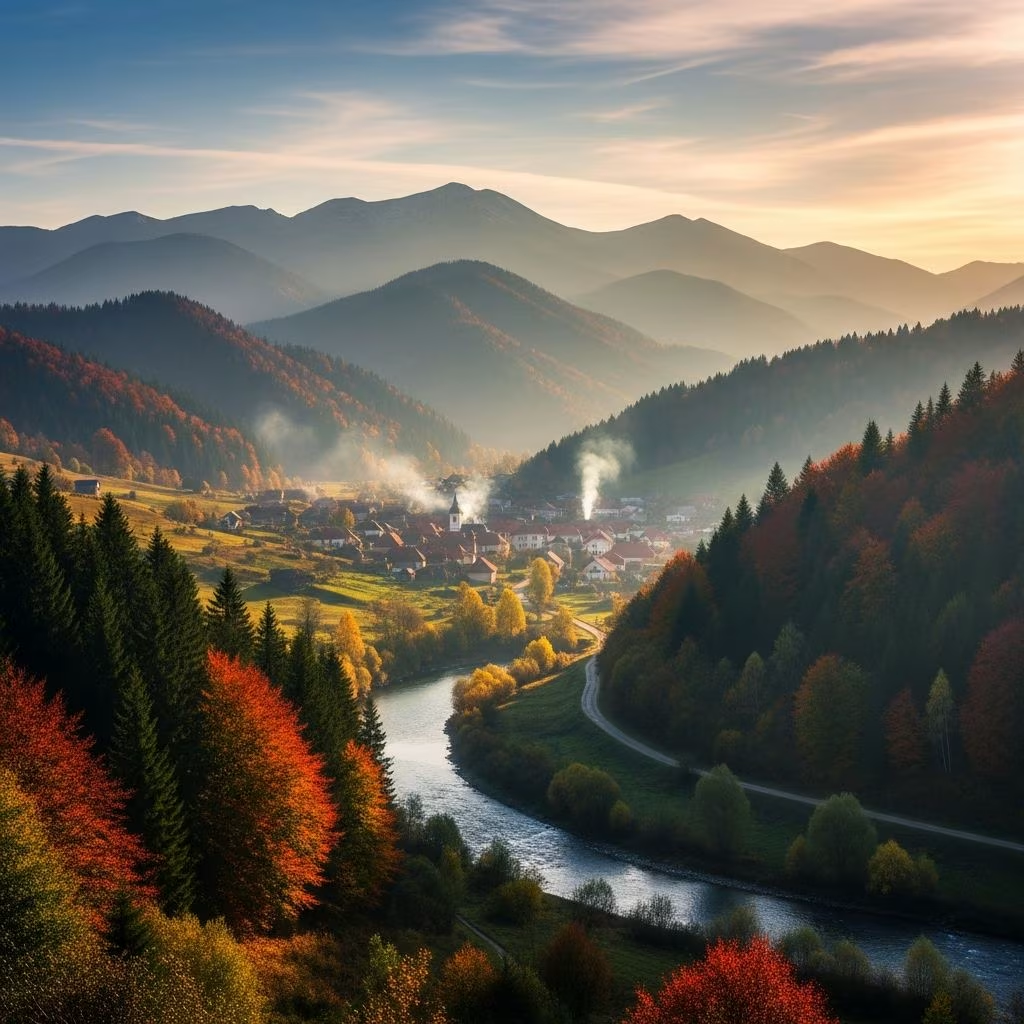
Eastern Europe holds a treasure trove of destinations that deliver profound experiences without the bustle of overtourism. These spots combine stunning natural beauty, rich cultural heritage, and warm local hospitality at budget-friendly prices, making them ideal for travelers seeking genuine connections in 2026.
The region’s appeal lies in its diversity: rugged coastlines, towering mountains, medieval villages, and vast forests remain largely undiscovered by mass tourism. Unlike popular hotspots, these areas preserve authentic traditions and landscapes, offering solitude amid natural wonders and historical sites. Affordability enhances the draw, with meals, lodging, and activities costing a fraction of Western European equivalents.
Travelers report immersive encounters, from hiking uncrowded trails to dining in family-run eateries, fostering a sense of discovery that’s increasingly rare in Europe.
Albania’s Riviera stands out as a pristine escape along the Ionian Sea, featuring crystal-clear waters, pebbled beaches, and dramatic cliffs unmarred by commercial development. Towns like Himara and Dhermi boast hillside villages with Ottoman-era architecture and fresh seafood shacks serving local specialties.
Nearby, Butrint National Park reveals layered ruins from Greek, Roman, and Byzantine eras, a UNESCO site explorable in peaceful solitude. Venture to Ksamil for lagoon-like beaches backed by karst mountains, perfect for kayaking or simply unwinding. Spring and fall avoid peak heat, revealing Albania’s Riviera as Europe’s last authentic coastal frontier.
The High Tatras in Slovakia deliver alpine splendor with jagged peaks, glacial lakes, and dense pine forests, rivaling the Alps minus the crowds. Tatranská Lomnica serves as a base for cable car rides to Lomnický štít, offering panoramic vistas at 2,634 meters.
Hike trails like the Tatranská Magistrála for wildflower meadows and chamois sightings. In winter, uncrowded ski slopes cater to all levels. Nearby, thermal spas in Poprad provide mineral-rich relaxation. This range exemplifies Eastern Europe’s accessible outdoor paradise.
| Season | Best For | Temperature Range |
|---|---|---|
| Summer | Hiking, Lakes | 15-25°C |
| Winter | Skiing, Spas | -5 to 5°C |
| Spring/Fall | Wildlife, Foliage | 5-15°C |
Latvia’s capital, Riga, hides gems beyond its famous old town. The Central Market, in repurposed Zeppelin hangars, brims with artisanal cheeses, smoked fish, and Latvian honey—Europe’s largest such market remains a local hub.
The Ethnographic Open-Air Museum recreates rural life with wooden farmhouses and craft demos amid pine groves by Lake Jugla, providing cultural depth without queues.
Estonia’s Tallinn captivates with its intact Old Town, featuring Toompea Castle and cobblestone lanes evoking fairy tales. Lahemaa National Park offers bog hikes, manor houses, and Baltic beaches for a wild contrast. Kadriorg Palace, a Baroque gem by Peter the Great, hosts art collections in serene gardens.
These Baltic spots blend urban vibrancy with nature, ideal for slow-paced itineraries.
Transylvania’s misty hills and fortified churches offer atmospheric exploration. Bran Castle, linked to Dracula lore, perches dramatically, while Turda Salt Mine astounds with underground lakes and Ferris wheels 120 meters below.
Maramureș region’s wooden villages feature UNESCO-listed gates symbolizing prosperity, with horse-drawn carts and festivals preserving traditions. Hike painted monasteries in Bukovina or explore the Apuseni Mountains’ bear habitats for immersive rural Romania.
Montenegro’s Kotor nestles in a dramatic bay, its UNESCO Old Town winding through Venetian palaces and cathedrals. Ascend 1,350 steps to St. John’s Fortress for sweeping views—a rewarding challenge yielding solitude. Perast nearby features island churches reached by boat.
Bosnia and Herzegovina’s interior reveals Ottoman bridges like Stari Most in Mostar (less crowded off-season) and Kravica Waterfalls for swimming in emerald pools. Jajce’s waterfalls and Pliva Lakes offer picnics amid history. Rakitnica Canyon provides rafting adventures in pristine gorges.
Slovenia’s Lake Bled icons a church island and cream cake tradition, but nearby Lake Bohinj provides identical beauty with fewer visitors—hike Vogel peak via cable car for Julian Alps panoramas.
Croatia’s Plitvice Lakes National Park cascades 16 turquoise lakes via boardwalks, home to diverse birdlife including ospreys. Arrive early or late to wander freely. Inland, Risnjak National Park shelters lynx and dense forests.
Opt for shoulder seasons (April-May, September-October) for mild weather and local festivals. Use regional trains or budget flights into secondary airports like Skopje or Cluj-Napoca. Embrace slow travel: base in one area, day-trip via rental car or bus.
Sustainable practices matter—support local economies, stick to trails, minimize plastic. Budget: $50-80/day covers lodging, food, transport. Visas are straightforward for most; check EU entry rules.
Yes, with standard precautions; low crime rates in rural areas enhance security.
Spring and fall balance weather and crowds, avoiding summer peaks.
Expect 40-60% lower costs for accommodations and dining.
Layered clothing, sturdy shoes for hikes, swimwear for coasts and lakes.
Albanian byrek, Latvian rye bread, Romanian sarmale—fresh, hearty local fare.
