

 Travel Essentials
 Travel Essentials

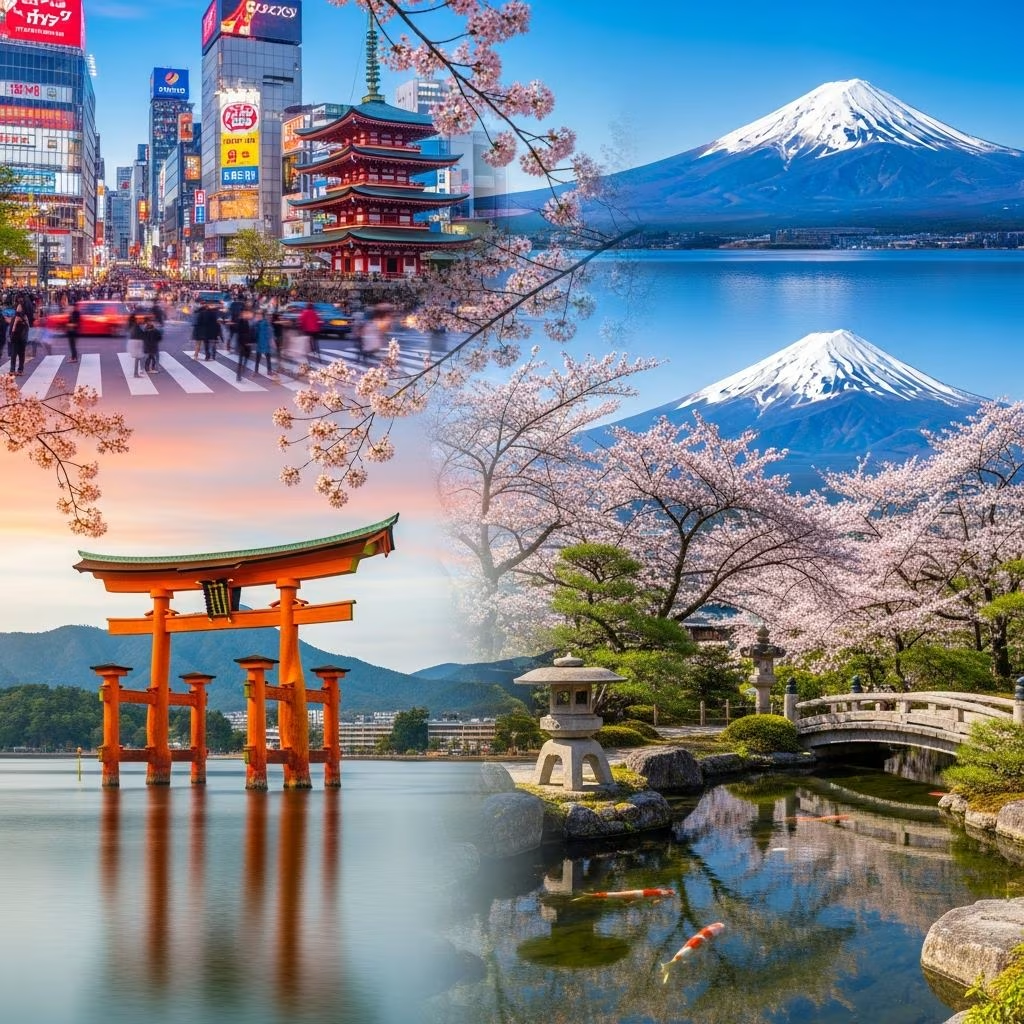
Explore Japan's most captivating spots, from ancient temples in Kyoto to serene islands like Miyajima, blending nature, culture, and history in one unforgettable journey.
 Travel Essentials
Japan captivates travelers with its seamless blend of ancient traditions and modern innovation, set against dramatic landscapes from snow-capped mountains to tranquil coastlines. This guide highlights some of the country’s most mesmerizing locations, offering insights into their unique attractions, best times to visit, and practical travel advice. Whether seeking serene temples, vibrant festivals, or pristine nature, these spots promise transformative experiences.
Tokyo stands as Japan’s pulsating heart, where towering skyscrapers coexist with historic enclaves. Beneath the neon glow, neighborhoods like Asakusa preserve centuries-old charm. Wander Nakamise Street, lined with traditional shops selling sweets and souvenirs, leading to Sensoji Temple, the city’s oldest religious site dating back to 645 AD. The temple’s massive red lantern and five-story pagoda draw millions, especially during cherry blossom season.
Beyond the bustle, Tokyo offers peaceful escapes such as the Imperial Palace gardens, where manicured lawns and moats evoke samurai eras. For panoramic views, ascend Tokyo Skytree, the world’s tallest tower at 634 meters. Night markets and izakayas provide culinary delights from sushi to ramen, making Tokyo an ideal starting point for any Japan itinerary.
Nestled in the Fuji-Hakone-Izu National Park, Hakone enchants with geothermal wonders and Mount Fuji vistas. The area’s hot springs, or onsen, have soothed visitors since feudal times. Hakone Shrine, perched lakeside, features a striking crimson torii gate emerging from Lake Ashi’s misty waters—a photographic icon symbolizing spiritual passage.
Ride the aerial tramway over Owakudani Valley, where sulfurous fumes rise from active vents, and sample black eggs boiled in hot springs, believed to extend life by seven years. Hiking trails wind through cedar forests, offering glimpses of wildlife and seasonal foliage. Winter brings snow-dusted peaks, while autumn paints the landscape in fiery hues. Stay in a ryokan for an authentic onsen immersion complete with kaiseki dinners.
Former imperial capital Kyoto houses over 2,000 temples and shrines, safeguarding 20% of Japan’s national treasures, many UNESCO-listed. Higashiyama district’s cobblestone paths and teahouses evoke geisha eras. Arashiyama’s bamboo grove creates an ethereal tunnel of swaying stalks, best at dawn to avoid crowds.
Fushimi Inari Taisha’s thousands of vermilion torii gates form a surreal hiking trail up Mount Inari. Philosopher’s Path, lined with cherry trees, blooms vibrantly in spring. Participate in tea ceremonies or kaiseki meals to delve deeper into traditions. Kyoto’s preservation of machiya townhouses and zen gardens underscores its role as Japan’s cultural epicenter.
In Kyoto Prefecture’s rolling hills, Wazuka nurtures Japan’s premier matcha tea fields, tracing origins to 12th-century imports from China. Verdant terraces ripple under morning mist, inviting bike tours or farm stays. Harvest seasons in May and September allow hands-on picking and processing lessons.
Visit historic teahouses for earthy matcha tastings paired with wagashi sweets. Trails lead to overlooked shrines amid bamboo clusters. Wazuka’s low tourist footprint offers authentic rural life—think farm-fresh meals and stargazing. It’s a perfect day trip from Kyoto for nature lovers seeking tranquility.
Hiroshima transcends its WWII history, embodying renewal through the Peace Memorial Park and Museum. The iconic Atomic Bomb Dome stands as a poignant UNESCO relic. Nearby, the Children’s Peace Monument honors Sadako Sasaki’s paper cranes, symbolizing hope.
Extend to Miyajima Island via ferry, where Itsukushima Shrine’s floating torii gate appears to hover at high tide—another UNESCO marvel. Hike Mount Misen for deer encounters and sea views. Hiroshima’s okonomiyaki pancakes highlight its street food scene. Visiting fosters reflection on humanity’s endurance.
North of Tokyo, Nikko’s Toshogu Shrine complex dazzles with ornate carvings, including the famous “see no evil” monkeys. UNESCO-recognized, it honors Tokugawa Ieyasu amid cedar forests. Nearby, Kanmangafuchi Abyss features stone Jizo statues along a gorge waterfall, a hidden gem for serene walks.
Rinnoji Temple’s gardens shift colors seasonally. Kegon Falls plunges 97 meters into Lake Chuzenji. Autumn foliage peaks in October, rivaling Kyoto’s. Nikko National Park offers multi-day treks with onsen pitstops, blending spirituality and wilderness.
In Aomori Prefecture, Hirosaki Castle moats explode with over 2,600 cherry trees during late April festivals, claiming Japan’s densest bloom concentration. Lantern-lit night views create magical reflections. The castle, a rare original structure, hosts samurai exhibits.
Fujita Memorial Garden complements with weeping cherries. Less crowded than urban hanami spots, Hirosaki suits authentic festivals with taiko drums and picnics. Cider from local apples adds regional flavor.
Nara Park’s 1,200 free-roaming deer bow for treats, mingling near Todaiji Temple’s Great Buddha— the world’s largest bronze statue at 15 meters. Kasuga Taisha’s 3,000 lanterns illuminate forest paths.
Explore Nara’s preserved streets and kofun tombs. Spring and fall draw crowds, but early mornings offer solitude. It’s an easy Kyoto day trip revealing Japan’s Heian-era roots.
Nicknamed “White Egret,” Himeji Castle exemplifies Edo-period fortification with its elegant curves and mazelike defenses. Surviving earthquakes, its six-story keep offers 83 rooms to roam. UNESCO-listed, spring cherry blossoms frame its moats.
Adjacent Kokoen gardens feature nine styles. Visit pre-10 AM to beat lines. Nearby samurai districts add historical depth.
On Kyushu, Fukuoka merges urban energy with heritage. Fukuoka Castle ruins overlook parks, while Tocho-ji Temple houses a massive wooden Buddha. Hakata Gion Yamakasa Festival in July races ornate floats.
Uminonakamichi Seaside Park provides beaches and blooms. Yatai stalls serve tonkotsu ramen. Canal City offers shopping spectacle.
| Destination | Best Season | Key Activity | Travel Tip |
|---|---|---|---|
| Tokyo | Spring/Fall | Temple visits | Use JR Pass |
| Hakone | Autumn/Winter | Onsen soaking | Check Fuji views |
| Kyoto | Spring | Bamboo grove | Book geisha tours |
| Miyajima | All year | Torii viewing | High tide timing |
| Nikko | Fall | Shrine hikes | Overnight stay |
Japan’s efficient rail network connects these gems via Shinkansen. A 14-day itinerary might start in Tokyo, loop to Hakone and Nikko, immerse in Kyoto-Nara, detour to Hiroshima-Miyajima, and end in Fukuoka. Pack layers for variable weather, respect etiquette like quiet trains, and secure visas if needed.
Spring (March-May) for cherry blossoms and fall (September-November) for foliage offer mild weather and peak scenery across most sites.
Yes, for multi-city travel; it covers Shinkansen between Tokyo, Kyoto, Hiroshima, and more, saving significantly over individual tickets.
Popular areas like Kyoto peak in spring; opt for early mornings, weekdays, or shoulder seasons for fewer tourists.
Tokyo ramen, Kyoto kaiseki, Hiroshima okonomiyaki, Hakone black eggs, and Fukuoka tonkotsu—diverse regional specialties abound.
Absolutely; Hakone and Nikko excel in both, with hikes to shrines amid stunning landscapes.
