

 Travel Essentials
 Travel Essentials

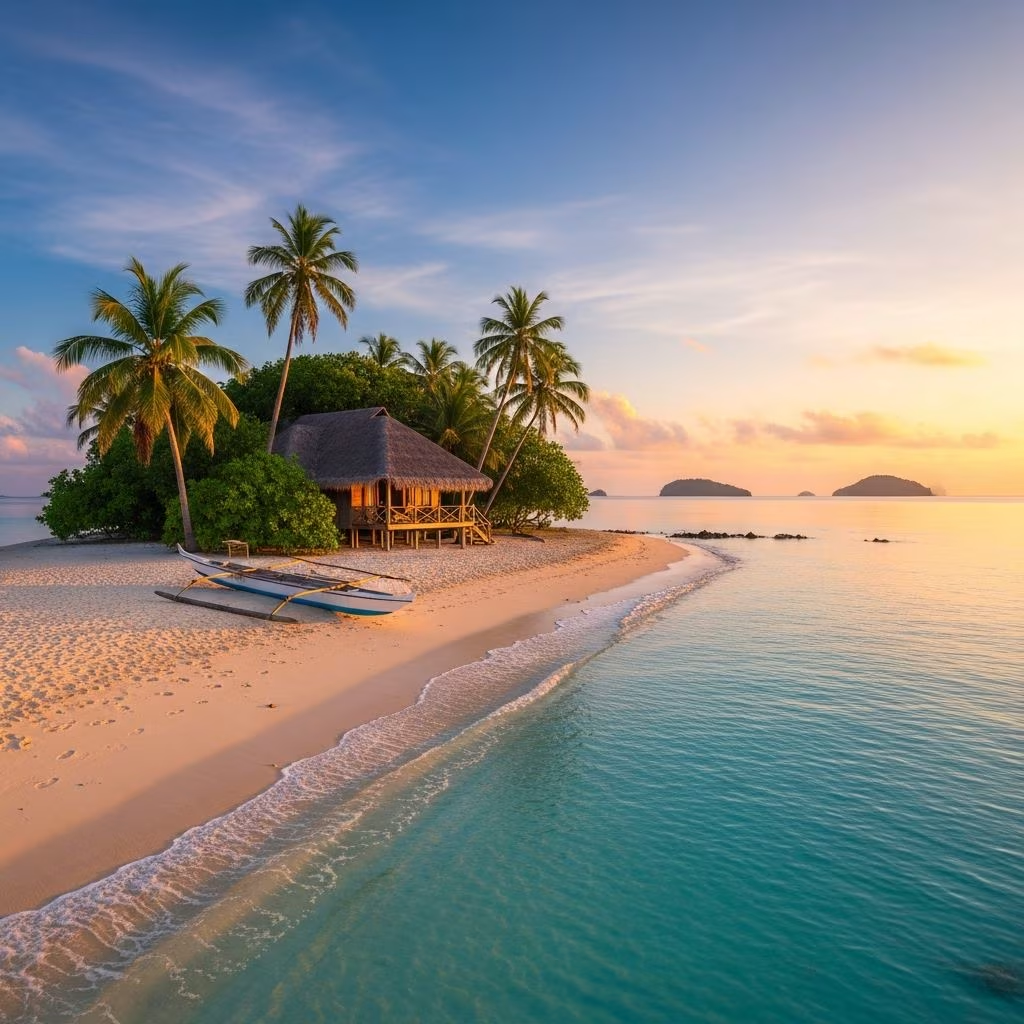
Explore remote islands offering solitude, stunning landscapes, and unique cultures, from volcanic peaks to coral paradises, perfect for off-grid travelers.
 Travel Essentials
Remote islands captivate adventurers seeking respite from crowded tourist spots. These destinations promise pristine environments, unique wildlife, and profound solitude, accessible yet challenging to reach. This guide highlights top secluded havens, detailing their allure, travel logistics, and immersive experiences.
Isolation transcends mere distance from continents; it encompasses sparse populations, limited infrastructure, and scarce visitor numbers. Such places lack luxury resorts, often featuring no roads, ATMs, or reliable internet, fostering genuine connections with nature and locals. Travelers embrace multi-day voyages or infrequent flights, rewarded by starlit skies and unspoiled vistas.
Nestled in the South Atlantic, Tristan da Cunha holds the title of the world’s most remote inhabited island. Home to about 250 residents, it spans volcanic landscapes with dramatic cliffs and abundant seabirds. Access requires a six-to-seven-day boat from Cape Town, South Africa, with sailings limited to six annually. No hotels exist; visitors stay in modest guesthouses, sharing meals with families. Activities include hiking to Queen Mary’s Peak, fishing, and penguin spotting, offering an unparalleled off-grid immersion.
In the vast Pacific, Pitcairn Islands shelter fewer than 50 descendants of HMS Bounty mutineers. Adamstown, the sole settlement, perches on steep cliffs amid lush valleys. Reaching it involves a 32-hour boat from Mangareva, French Polynesia, with charters departing sporadically. Homestays provide authentic stays, featuring home-cooked feasts and tales of island history. Snorkel turquoise lagoons, hike to ancient Bounty remnants, or stargaze without light interference in this micro-society.
Positioned between Iceland and Norway, the 18 Faroe Islands boast emerald cliffs, thundering waterfalls, and puffin colonies. Vágar Airport connects via Europe, making it relatively accessible among remotes. Tórshavn offers cozy lodges, while trails like those on Streymoy reveal dramatic fjords. Birdwatching, whale spotting, and turf-roofed villages define experiences here, blending isolation with cultural depth.
Off Yemen’s coast in the Indian Ocean, Socotra’s 250+ islands feature bizarre dragon’s blood trees and limestone plateaus. Guided tours from Dubai or Aden ensure safety amid geopolitical tensions. Detwah Lagoon and Hoq Cave dazzle with endemic flora and marine life. Camp under milkshake-like peaks or hike Qalansiyah Valley for a prehistoric feel in this UNESCO site.
Tonga’s central Ha’apai comprises 62 islands, only 17 inhabited by 8,000 people across 43 square miles. Lifuka’s airstrip links domestically; ferries explore further. Barrier reefs encircle lagoons ideal for kayaking, while Tofua Volcano offers hikes to steaming craters. Low-key resorts and deserted beaches provide customizable seclusion.
These seven Malaysian islands in the South China Sea lack roads, relying on boats for transport. Perhentian Kecil suits backpackers with dive shacks, while Besar hosts upscale eco-resorts. Pristine corals teem with turtles; jungle treks reveal wildlife. Ferries from Kuala Besut make day trips feasible, balancing remoteness with convenience.
In the western Pacific, Yap’s four islands preserve Rai stones—massive limestone disks as currency. Traditional villages feature stone platforms and outrigger canoes. Dive walls drop thousands of feet to vibrant reefs. Fly from Guam; guesthouses offer cultural immersion like betel nut rituals and manta ray encounters.
Dubbed the “Unspoiled Queen,” this Dutch Caribbean speck rises steeply from the sea. Mt. Scenery trails yield panoramic views; dive sites host sharks and sponges. Juancho E. Yrausquin Airport, the world’s shortest, adds thrill. Boutique inns provide comfort amid volcanic terrain.
French Polynesia’s Maupiti encircles a turquoise lagoon with motus (sand islets) perfect for picnics. Air Tahiti connects from Papeete. Aitutaki, Cook Islands’ gem, features one of the planet’s most stunning lagoons; cycle its flat expanse or snorkel from overwater bungalows. Both epitomize postcard perfection minus crowds.
This British Overseas Territory in the South Atlantic hosted Napoleon’s final years. Weekly flights from Johannesburg supplement RMS St. Helena voyages. Jamestown’s architecture, wirebird birds, and whale watching enchant. Hike to Diana’s Peak or explore coffee plantations in this biodiversity hotspot.
27 Australian atolls in the Indian Ocean boast world-class diving. Darwin flights land on West Island; permits required. Direction Island’s beaches hosted WWII history; sea turtles nest amid powdery sands.
East of Mauritius, Rodrigues blends Creole culture with extreme sports. Ziplines span ravines; kitesurf lagoons. Giant tortoises roam Francois Leguat Reserve; hike volcanic interiors or dive wrecks.
Montserrat’s Soufrière Hills Volcano shapes its emerald landscapes; St. Patrick’s heliport accesses evacuated zones. Ascension Island, a UK base, permits green turtle nesting views via yacht or rare flights. Both offer raw, active geology.
| Island | Access Method | Best Season | Key Activities |
|---|---|---|---|
| Tristan da Cunha | Boat from Cape Town | Oct-Apr | Hiking, birdwatching |
| Pitcairn | Boat from Mangareva | Nov-Apr | Snorkeling, history tours |
| Faroe Islands | Flight to Vágar | May-Sep | Hiking, puffin spotting |
| Socotra | Guided flight/boat | Oct-Apr | Tree trekking, lagoons |
| Ha’apai | Domestic flight/ferry | May-Oct | Kayaking, volcano hikes |
Preparation is crucial: secure visas early, pack for variable weather, and obtain travel insurance covering evacuations. Respect eco-guidelines; many enforce strict quotas.
These islands deliver mental resets through silence and simplicity. Interactions yield profound insights; nature’s dominance inspires awe. Challenges build resilience, transforming trips into transformative odysseys.
Most involve flights to hubs followed by boats or charters; check schedules months ahead due to infrequency.
Yes, with precautions; communities are welcoming, but monitor advisories and travel insured.
Essentials: reef-safe sunscreen, quick-dry clothes, medications, cash, and offline maps.
Many suit families; opt for accessible ones like Faroes or Perhentians with kid-friendly activities.
Minimal if following Leave No Trace; support local conservation efforts.
