

 Travel Essentials
 Travel Essentials

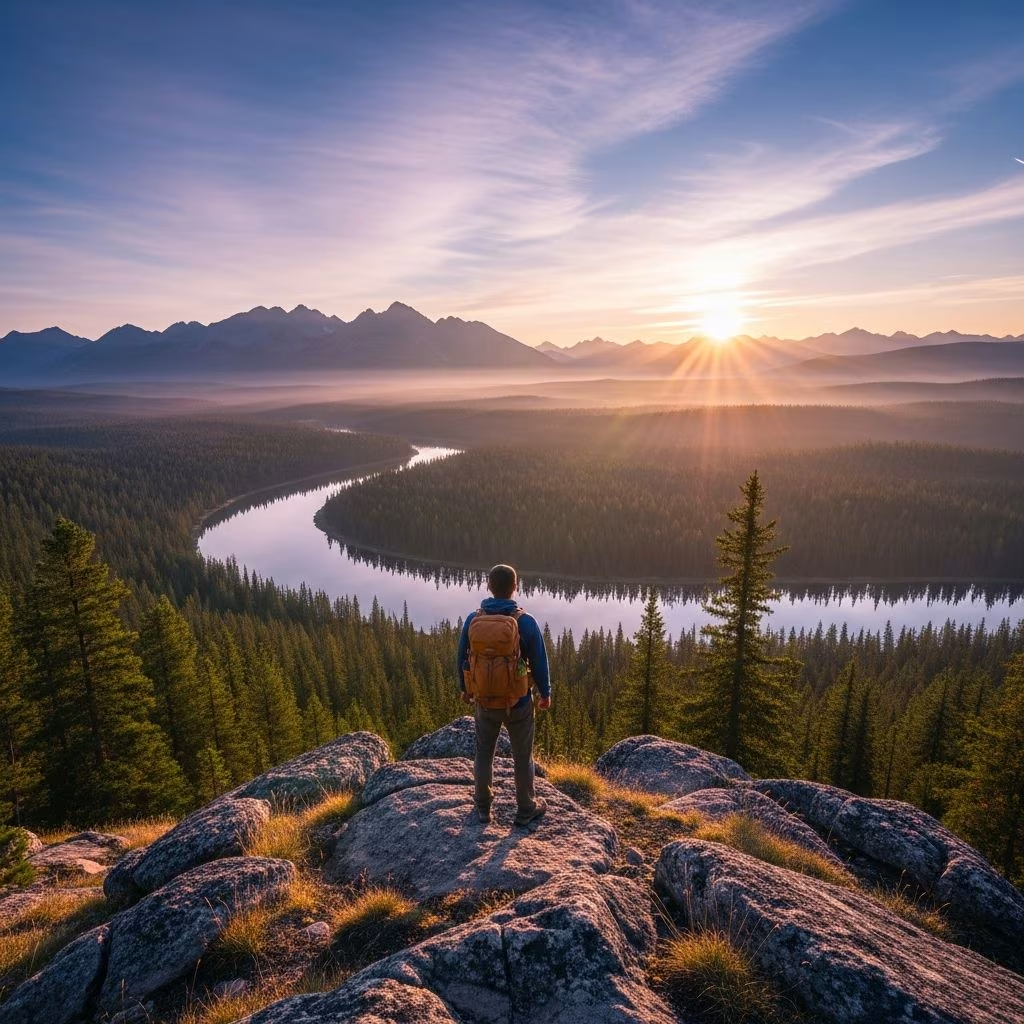
Find calm and renewal outdoors with solo activities like hiking, fishing, birdwatching, stargazing, and mindful time in nature.
 Travel Essentials
Embracing the outdoors alone offers a profound way to recharge amid crowded daily life. These pursuits emphasize personal space, natural immersion, and mental clarity without relying on group interactions.
Nature exposure boosts mental health by reducing stress hormones and enhancing mood through sunlight and fresh air. Solitary activities allow full sensory engagement with environments, from rustling leaves to distant bird calls, fostering mindfulness. Health experts note that such practices strengthen immunity and improve sleep patterns when done regularly.
In regions with high visitor traffic, choosing less-traveled paths ensures uninterrupted tranquility. This approach aligns with guidelines promoting physical separation for safety, turning potential restrictions into opportunities for deeper self-connection.
Walking lesser-known paths provides exercise and discovery. Select routes in state forests or community greenways where trails widen naturally, minimizing encounters. Pack essentials like water, a map app, and layered clothing for variable weather.
Benefits include cardiovascular improvement and vitamin D absorption from sunlight exposure. Always check local access updates via official park sites.
Fishing from shorelines or docks offers meditative calm. Obtain digital permits where available to avoid in-person lines. Basic gear—a rod, line, and lures—suffices for ponds, rivers, or lakes teeming with local species.
Observe water ripples and wildlife patiently; this hobby teaches timing and observation skills. Many areas report thriving fish populations due to reduced angling during quiet periods.
| Location Type | Best Gear | Tips for Solitude |
|---|---|---|
| Quiet Lakes | Light rod, worms | Midweek visits |
| Riverbanks | Spinning reel, lures | Dawn sessions |
| Ocean Shores | Surf rod, bait | Off-peak tides |
Spotting birds sharpens senses and connects you to ecosystems. No equipment needed initially; free online guides aid identification by size, color, and song. Visit wetlands or wooded edges at dawn or dusk for peak activity.
This pastime ranks among top leisure activities worldwide, promoting patience and environmental awareness.
Meditate amid trees to ease anxiety. Find a clearing, sit comfortably, and focus on breath or natural sounds. Techniques range from guided audio sessions to silent reflection on surroundings.
Studies link nature meditation to lower cortisol levels and better focus. Combine with tree recognition using field guides—start with distinctive bark or leaves like oaks or pines.
After sunset, gaze upward from dark sites away from city lights. Identify planets and constellations with free sky maps. No telescope required; the Milky Way reveals itself on clear nights.
Seasonal events like meteor showers add spectacle. This activity enhances perspective, reminding us of vastness beyond daily concerns.
Suspend a hammock between trees or use a blanket for outdoor reading. Breezes and shade create ideal nooks. Choose immersive books on nature or adventures to blend with your setting.
This low-effort escape aids relaxation, with fresh air improving concentration spans. Portable setups work in backyards or parks.
Roll up pants and step into shallow streams to explore rocky bottoms. Discover minnows, stones, or insects unique to your region. Waterproof footwear prevents slips on mossy surfaces.
Such micro-adventures reveal hidden waterway life, encouraging curiosity without travel. Stay aware of currents and wildlife.
For the agile, low-branch climbing offers elevated views. Supervise children closely, selecting sturdy, wide-trunked trees. Builds confidence and strength safely.
Bike on dedicated paths or quiet roads for cardio and scenery. Rentals or personal bikes suit varied terrains, from flat neighborhoods to gentle hills.
Maintain speed to cover distances while enjoying panoramas. Helmets and lights ensure safety.
Capture photos or videos of discoveries for personal albums or sharing. Experiment with angles, focusing on textures like bark or water reflections. Sparks creativity and preserves memories.
Stand-up paddleboarding on calm waters challenges balance and core muscles. Rent boards or use inflatables; paddle rhythmically across lakes or bays.
No waves needed—glide solo, observing aquatic life below. Life vests are essential.
Use chalk on pavements or dirt for murals depicting nature scenes. Involves family at safe distances, fostering artistic expression.
Pitch tents in yards for starlit sleeps and s’mores. Simulates wilderness without travel, promoting adventure close to home.
Plant herbs or flowers in pots or plots. Nurturing growth teaches patience and yields fresh produce.
Create lists of natural items to find, like specific leaves or rocks. Adaptable for all ages, encourages exploration.
Basics include sturdy shoes, water bottles, sunscreen, and insect repellent. Specialized items like binoculars or rods enhance specific pursuits.
Yes, with weather-appropriate clothing. Check forecasts and trail conditions via official sources.
Opt for weekdays, early hours, or obscure locales. Apps show real-time crowd levels where available.
Absolutely—designate personal spaces during activities to maintain separation.
Fishing and some parks require them; many are online now for convenience.
