

 Travel Essentials
 Travel Essentials

Discover a comprehensive guide to combining Argentina's cultural treasures with a polar Antarctic cruise, featuring expert itinerary planning and insider travel tips.
 Travel Essentials
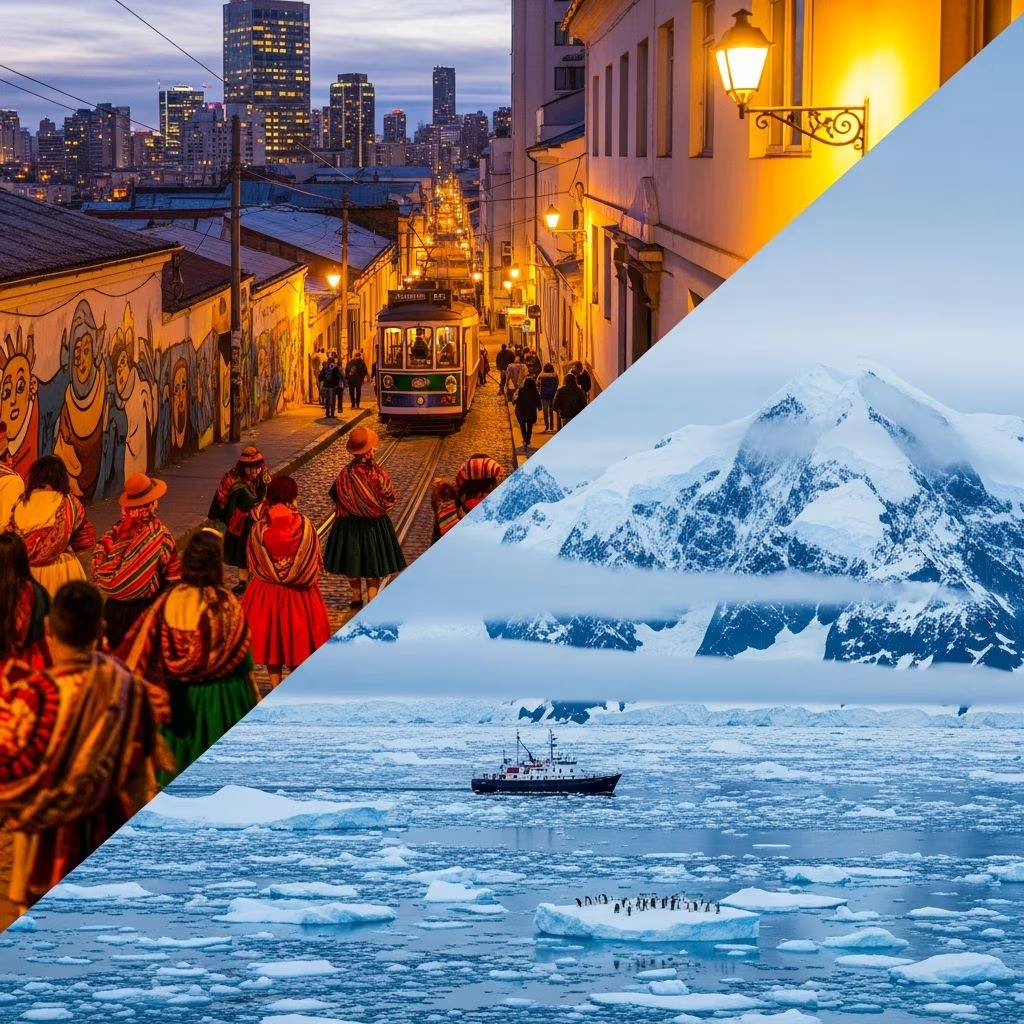
For travelers seeking an extraordinary adventure that blends cosmopolitan culture with untamed wilderness, a 17-day journey through Argentina and Antarctica represents one of the most comprehensive experiences available. This expedition-style vacation takes adventurers from the passionate streets of Buenos Aires through one of Earth’s most remote and pristine environments, concluding with visits to some of the hemisphere’s most awe-inspiring natural formations.
This specialized itinerary divides naturally into three distinct experiences. The first phase immerses travelers in Argentina’s vibrant capital city, where European elegance meets Latin American rhythm. The second phase constitutes the centerpiece—a transformative polar expedition that carries adventurers across treacherous waters to encounter Antarctic wilderness firsthand. The final phase provides spectacular waterfall viewing and optional cultural immersion, creating a balanced experience that caters to both adrenaline seekers and cultural enthusiasts.
The journey begins in Buenos Aires, Argentina’s sophisticated capital city, where travelers spend the initial days acclimating to local rhythms and soaking in the metropolitan atmosphere. This opening section typically spans three days, allowing sufficient time to appreciate the city’s layered history and contemporary vibrancy.
Upon arrival, travelers typically experience an orientation dinner that introduces authentic Argentinian cuisine paired with traditional entertainment. These evening experiences often feature live performances of Argentina’s signature dance form, complete with regional dish tastings that showcase the country’s diverse culinary traditions. Historic neighborhoods provide intimate settings where visitors can appreciate the architectural heritage and understand the cultural significance of Argentina’s most storied districts.
Guided walking tours navigate through neighborhoods containing landmark government buildings and significant historical sites connected to Argentina’s complex political history. Visitors encounter carefully preserved cemeteries that serve as open-air museums showcasing artistic and architectural achievement across centuries. The combination of structured tours with free exploration time allows travelers to discover both major attractions and hidden gems within the urban landscape.
The final Buenos Aires days typically focus on exploring distinctive residential neighborhoods known for distinctive architecture, vintage shops, and working-class port districts. Streets declared historical landmarks showcase colorful buildings and authentic street life that reveal the genuine character of Argentinian urban culture beyond tourist-focused areas.
The Antarctic phase constitutes the expedition’s heart, encompassing approximately eight to ten days of polar exploration. This section requires significant preparation, as travelers prepare for one of Earth’s most extreme environments.
The journey from South American southernmost points to the Antarctic Peninsula requires crossing the Drake Passage, a challenging strait known for unpredictable weather patterns and significant ocean swells. This two-day crossing tests travelers’ adaptation to maritime conditions while building anticipation for Antarctic arrival. Modern expedition vessels employed for these voyages feature advanced stabilization technology and experienced crew expertise that prioritizes passenger safety and comfort throughout the crossing.
Upon reaching Antarctic waters, travelers engage with the continent’s dramatic landscape through multiple exploration methods. Zodiac boat excursions allow close approach to icebergs, glaciers, and wildlife without disturbing fragile ecosystems. Guided landings on ice combine scientific education with physical adventure, where trained expedition teams facilitate wildlife observation and environmental understanding.
Antarctica’s wildlife presents remarkable opportunities for observing creatures in their natural habitat. Penguin colonies, seals, and diverse seabirds populate the region, with viewing success dependent on seasonal timing and weather conditions. Professional expedition photographers document these encounters, creating lasting memories of experiences few humans ever witness. Some expeditions offer optional polar plunges into Southern Ocean waters, with professional safety supervision and documentation of participant achievement.
Antarctic exploration requires flexibility, as captain decisions respond to real-time weather conditions and ice formations. Rather than following predetermined routes, expedition vessels navigate toward optimal wildlife viewing opportunities and safe passage conditions. This approach transforms each expedition into a unique experience, as actual routes vary based on environmental factors encountered during each voyage.
Following Antarctic exploration, travelers transition to the expedition’s final phase, which showcases one of South America’s most significant natural features and provides cultural and culinary enrichment.
Upon returning to Argentina, travelers typically enjoy curated wine experiences highlighting the country’s renowned viticulture heritage. Tastings often feature multiple varietals from major wine-producing regions, paired with local cheeses and traditional preparations. These experiences combine sensory education with cultural context, deepening appreciation for Argentinian agricultural traditions and terroir influence on final products.
Iguazu Falls represents one of Earth’s most powerful waterfall systems, straddling the Argentina-Brazil border. The falls comprise nearly 300 individual cascades distributed across approximately 1.7 miles of landscape. Visitors encounter the phenomenon from multiple vantage points, with Argentine-side walkways providing close approach to dramatic cascades, while Brazilian-side perspectives offer expansive vista points capturing the falls’ full scope.
Regional cooking classes allow travelers to engage with Argentinian culinary traditions hands-on. Workshops focusing on traditional pastry preparation combine cultural education with practical skill development, often concluding with tasting freshly prepared regional specialties. These activities connect travelers with local expertise while creating tangible memories beyond photographic documentation.
The geographic location of Iguazu Falls enables unique cross-border experiences. Argentine-side exploration emphasizes intimate waterfall perspectives and close-range viewing, while Brazilian-side platforms offer broader panoramic experiences. Strategic timing of visits allows comprehensive understanding of the phenomenon from multiple geographical and compositional angles, with each perspective revealing different characteristics of this powerful natural feature.
Antarctic expedition availability restricts travel to Southern Hemisphere summer months, typically November through March, when weather conditions permit safe polar exploration. This seasonal limitation means travelers must plan significantly in advance to secure accommodations and expedition berths during available windows.
Polar expeditions demand reasonable physical fitness for activities including Zodiac navigation, landing procedures, and extended time in cold conditions. Most expeditions establish age minimums and may require health documentation. Pre-departure conditioning improves comfort and safety, particularly for passengers unfamiliar with maritime environments or extreme climates.
Modern expedition vessels balance weight and operational requirements with passenger comfort through thoughtfully designed accommodations and shared facilities. Premium vessels include diverse dining venues, lecture halls for expert environmental presentations, observation decks, and wellness amenities. Complimentary amenities often encompass welcome beverages, stocked in-room refreshments, and gratuity arrangements simplifying budgeting.
Quality expedition providers employ specialized staff including naturalists, historians, and wildlife photographers who enhance understanding through daily presentations and field expertise. English-speaking guides and private transportation in South American cities ensure seamless movement and contextual understanding of visited locations. Customization options allow travelers to emphasize particular interests, whether cultural, environmental, or culinary.
17-day Antarctica and Argentina itineraries typically range from $8,000 to $25,000+ per person, depending on accommodation quality, vessel type, and included services. Premium options with enhanced amenities and smaller passenger counts command higher prices.
Travel insurance is strongly recommended for expeditions involving remote location access and significant investments. Comprehensive policies should cover trip cancellation, emergency medical evacuation, and coverage for activities in extreme environments.
Travelers require valid passports with sufficient validity, with tourist cards or visas required depending on nationality and destination countries. Antarctic travel doesn’t require special permits, though some expeditions may have environmental compliance requirements.
Activity intensity varies by expedition design. Most activities accommodate varying fitness levels, though Zodiac operations and frequent landings require reasonable mobility and comfort with maritime environments. Expedition staff assists passengers in selecting appropriate activity participation levels.
Wildlife viewing cannot be guaranteed due to natural variability in animal presence and distribution. Reputable operators focus on maximizing observation opportunities rather than promising specific wildlife encounters.
Successful polar expeditions require thoughtful preparation extending beyond typical vacation planning. Packing requires balancing weight constraints with extreme climate needs, including specialized cold-weather gear designed for polar environments. Pre-departure health preparation, including cardiovascular conditioning and familiarity with maritime motion, improves comfort and safety during the expedition.
Booking well in advance secures optimal vessel selection and accommodation preferences. Coordinating domestic and international flights ensures seamless transitions between journey phases. Consulting with experienced expedition operators provides invaluable guidance on equipment, conditioning, and expectation-setting for first-time polar travelers.
A 17-day expedition combining Argentina’s cultural richness with Antarctic exploration creates transformative experiences rarely accessible to most travelers. The journey balanced structured cultural engagement with wild environmental immersion, challenging travelers both physically and intellectually while creating lasting memories. From passionate Buenos Aires evenings through pristine polar wilderness to the thundering power of Iguazu Falls, this expedition encompasses the continent’s most spectacular experiences within a single comprehensive itinerary designed for adventurers seeking genuinely transformative travel experiences.
