

 Travel Essentials
 Travel Essentials

Unlock the charms of Podgorica with a compact 48-hour adventure: stroll historic quarters, savor local flavors, cross iconic bridges, and venture to vineyards and monasteries—all without the tourist crowds.
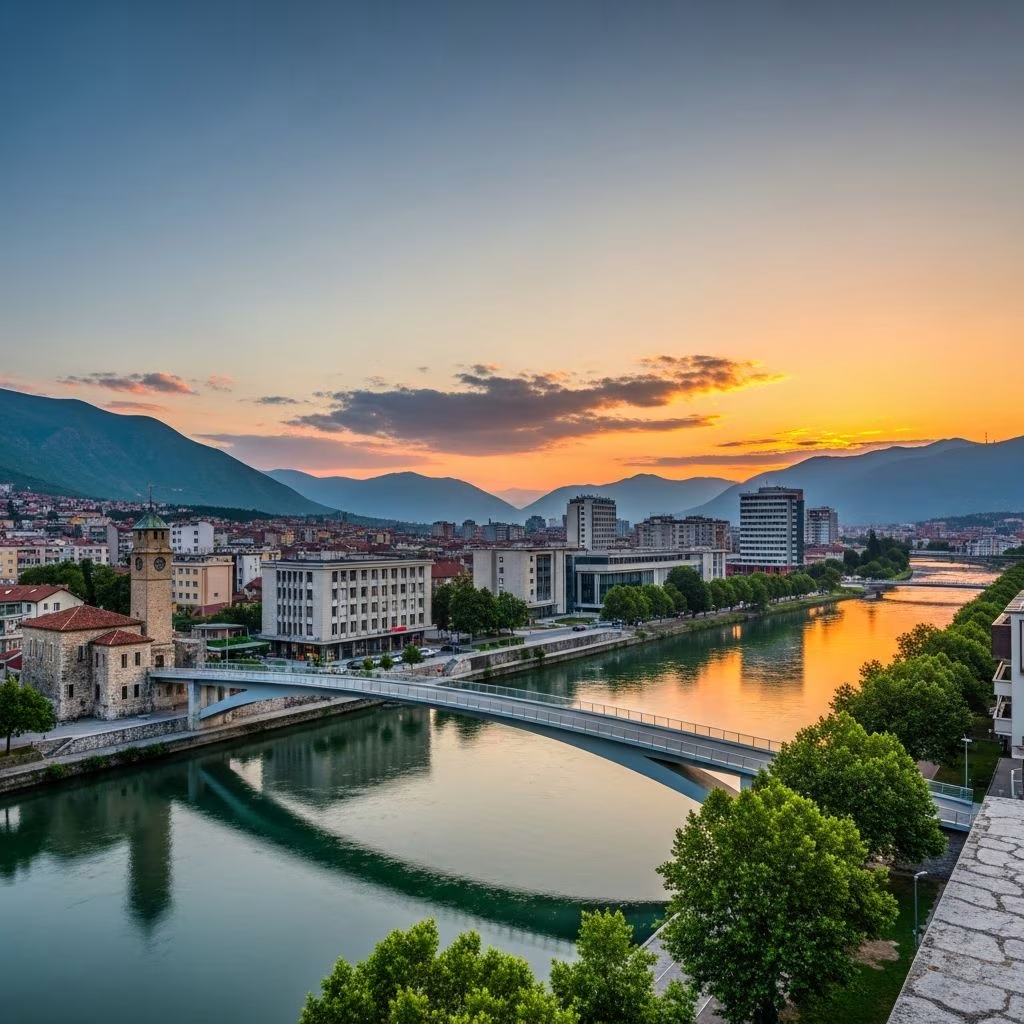 Travel Essentials
Podgorica, the bustling heart of Montenegro, often flies under the radar for travelers chasing coastal glamour. Yet this inland gem offers a perfect blend of Ottoman relics, Soviet-era architecture, contemporary bridges, and easy access to natural wonders. With rivers carving through its core and surrounding hills promising adventure, a quick two-day visit reveals why it’s Europe’s most budget-friendly city break. Expect warm hospitality, fresh cuisine, and zero crowds at spots like the Millennium Bridge or hidden monasteries.
Nestled at the confluence of the Morača and Ribnica rivers, Podgorica blends layered history with modern vitality. Rebuilt after World War II bombings, it showcases resilience through monuments, parks, and a pedestrian-friendly center. Travelers rave about its affordability—a full 48 hours, including meals and sights, can cost under €200 per person. Dive into local coffee culture, hike scenic canyons, or sip indigenous wines; this itinerary maximizes every moment.
Kick off in Stara Varoš, the preserved Ottoman quarter where narrow lanes whisper tales of centuries past. Settle at a cozy café for domaća kafa—thick, strong coffee grounds-side up—paired with baklava or apple strudel. This ritual sets a relaxed tone amid stone houses and minaret silhouettes.
Cross the ancient Ribnica stone bridge, a Roman-era survivor, into the main pedestrian zone. Here, the Marko Miljanov statue embodies Montenegrin valor—čojstvo i junaštvo (humanity and heroism). Peek into contemporary art at a nearby gallery, then rest on the Pushkin bench, a nod to Russian literary romance.
Trek across the Blaža Jovanovića bridge for panoramic views: spot the sleek Millennium Bridge, Podgorica’s futuristic icon, and the cliffside Hotel Podgorica, designed by pioneering architect Svetlana Kana Radević. Its terrace beckons for lunch—opt for popeci (grilled meat rolls) or raštan (crispy kale-like greens) with river vistas.
Post-meal, wander to the Morača-Ribnica confluence, a lively picnic spot with stone steps and clear waters. Rent bikes for a 5km riverside path, weaving past green banks ideal for a refreshing dip.
| Spot | Highlight | Time Needed |
|---|---|---|
| Millennium Bridge | Cable-stayed marvel, photo ops | 30 mins |
| Hotel Podgorica Terrace | Local dishes, architecture | 1 hour |
| River Confluence | Relax, bike ride | 1.5 hours |
Head west to the Cathedral of Christ’s Resurrection, a golden-domed behemoth with frescoes blending biblical lore and Montenegrin history—including cheeky modern figures in Hell’s scenes. As dusk falls, cross the Suspension Bridge for twinkling river lights.
Wind through Njegoš Park, honoring the poet-prince, to Bokeška Street’s garden pubs. Sample rakija (fruit brandy) and live folk tunes amid fairy lights—perfect for people-watching.
Choose your adventure: For thrill-seekers, drive north on the Cijevna Canyon circuit—Montenegro’s first scenic route through Kuči cliffs, Orthodox-Muslim villages, and hairpin turns. Stop at Stara Kuća for hearty stews.
Prefer ease? Taxi to Plantaže vineyards for a tourist train ride across Ćemovsko Polje plains. Taste Vranac (robust red) and Krstač (crisp white), Montenegro’s stars, amid olive groves.
Continue to Montenegro’s Niagara—Vodopad Nijagara—where the Cijevna plunges into shadowy depths. Dine on trout at a riverside eatery, then visit Dajbabe Monastery. This 19th-century cave church, cross-shaped within a hill, houses vivid icons and serene crypts.
Optional: Detour to Ostrog Monastery (30 mins away), clinging to cliffs like a spiritual aerie, drawing pilgrims worldwide.
Podgorica Airport (TGD) is 10km out; taxis cost €15. City buses are €1/ride; walks cover the center. Rent a car (€40/day) for outskirts.
| Category | Cost for 2 Days (per person) |
|---|---|
| Accommodation | €60-100 |
| Meals | €40 |
| Transport | €30 |
| Attractions | €20 |
| Total | €150-190 |
Source: Recent affordability studies highlight Podgorica as Europe’s cheapest capital break.
Absolutely—its mix of history, nature, and value makes it ideal for a relaxed Balkan intro without Kotor crowds.
May-October for warmth; avoid peak July-August heat.
Highly—most Day 1 sights are within 3km; taxis fill gaps.
Common in tourist spots; point-and-smile works elsewhere.
Yes—Budva (1.5hr bus) or Kotor possible, but focus on Podgorica for depth.
Explore Gorica Park for Stalinist statues, or Capital Plaza’s Hard Rock Café—the Balkans’ first. Night owls hit Delta City mall for late eats. For families, University Park’s massive St. Peter statue impresses.
