

 Travel Essentials
 Travel Essentials

Explore Veliko Tarnovo's ancient fortress, artisan streets, historic churches, and scenic monuments in this compact 48-hour itinerary for history lovers.
 Travel Essentials
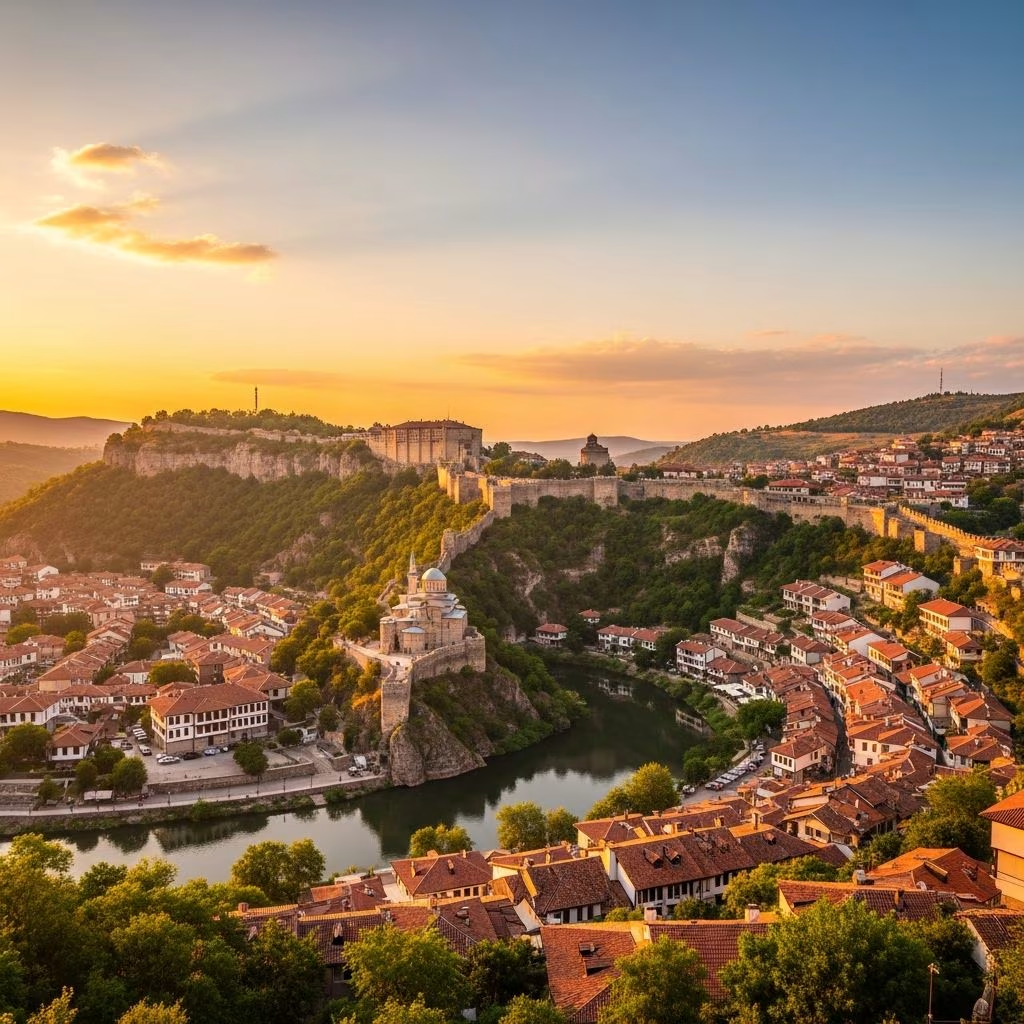
Perched dramatically along the Yantra River on three hills, Veliko Tarnovo stands as Bulgaria’s medieval powerhouse, once the thriving capital of the Second Bulgarian Empire from the 12th to 14th centuries. This compact city blends crumbling fortresses, vibrant artisan traditions, and stunning panoramas, making it ideal for a quick escape. In just two days, you can immerse yourself in its layered history—from Thracian roots to Ottoman influences—while savoring modern Bulgarian hospitality.
Veliko Tarnovo’s allure lies in its rugged topography and preserved heritage. The city sprawls across Tsarevets, Trapezitsa, and Sveta Gora hills, with houses clinging to steep cliffs like colorful jewels. As the ‘City of the Tsars,’ it witnessed imperial glory, brutal sieges, and a renaissance in the 19th century as a craft hub. Today, it’s a UNESCO tentative site draw, offering hikes, museums, and festivals that echo its proud past.
Start your adventure at dawn to beat crowds and catch golden light on the hills. Focus on the iconic core sites that defined medieval Bulgaria.
The undisputed star is Tsarevets Fortress, crowning the highest hill at 675 feet above the river. Enter via the grand drawbridge and explore 50,000 square feet of restored walls up to 12 meters thick. Once home to 18 churches, a royal palace, and noble residences, it served as the empire’s stronghold from 1185 to 1393. Walk the battlements, peer into the Throne Room foundations, and climb the Patriarch’s Church for murals depicting Bulgaria’s turbulent saga.
Don’t miss the evening sound-and-light show (seasonal), where the fortress glows with dramatic narration of its sieges and triumphs. Entry: around 6-12 BGN; open daily.
Descend to Trapezitsa Hill for over 400 medieval houses and churches unearthed in excavations. Hike the paths for river vistas rivaling any in Europe. Nearby, the Church of the Holy Forty Martyrs, built in 1230 by Tsar Ivan Asen II to honor a battle victory, boasts intricate frescoes and a serene courtyard. Rebuilt post-Ottoman destruction, it’s a poignant symbol of resilience.
| Site | Key Feature | Time Needed | Highlight View |
|---|---|---|---|
| Tsarevets Fortress | Palace ruins, walls | 2-3 hours | Yantra River gorge |
| Holy Forty Martyrs | Frescoes, history | 45 mins | City skyline |
| Trapezitsa Hill | Archaeological digs | 1 hour | Panoramic cliffs |
Cross the modern Stambolov Bridge to the Asenevtsi Monument, a 32-meter sword piercing the sky, honoring the Asen dynasty rulers who elevated Bulgaria’s power. Climb for 360-degree vistas as the sun sets. Refuel at a riverside tavern with banitsa (cheese pastry) and rakia (fruit brandy), or upscale spots serving sashlik skewers.
Shift to the city’s living heritage, where 19th-century crafts thrive amid Ottoman-era architecture.
Head northwest to this revived market square, buzzing since the 1800s with silversmiths, potters, and woodcarvers. Watch coppersmiths hammer intricate trays, browse ceramics inspired by medieval motifs, and sample fresh bread from stone ovens. It’s a sensory dive into Bulgaria’s folk soul—pick up hand-painted icons or leather goods as souvenirs.
Visit the Archaeological Museum for artifacts from prehistoric Thracians to imperial gold—see Roman mosaics and tsarist crowns. Next, the Hadji Nikoli Inn Museum, a 19th-century merchant’s home turned hostel, reveals Revival Period life with period furnishings and a cozy tavern. For thrills, try the Sky Walk bridge with glass floors over the abyss.
Extend to Arbanassi village (short bus ride) for frescoed churches and stone mansions from the Ottoman era, blending Bulgarian and Greek influences.
Wander ul Gurko, the old town’s curving spine lined with National Revival houses in candy colors. End at a viewpoint over the lit-up fortress. Dine on kavarma stew or river trout, paired with Bulgarian wines from nearby vineyards. Catch live folk music if timed for a festival.
Veliko Tarnovo is walkable but hilly—wear sturdy shoes. Stay in a guesthouse on Sveta Gora for authenticity (50-100 BGN/night). Buses from Sofia take 3-4 hours (20 BGN). Best in spring/fall to avoid summer heat; check fortress hours.
| Essentials | Details |
|---|---|
| Getting There | Bus/train from Sofia; airport in nearby Gorna Oryahovitsa |
| Best Time | May-Oct for shows; Apr/Jun mild |
| Budget/Day | 50-80 BGN (sites, food, no lodging) |
| Must-Pack | Comfortable shoes, layers, camera |
Walk uphill from the old town center via marked paths; taxis cost 5 BGN.
Yes—fortress trails are stroller-accessible in parts, plus kid-friendly museums.
Primarily April-October; confirm schedules on-site.
From Veliko Tarnovo, bus to Etara Open-Air Museum for a 19th-century village with watermills, blacksmiths, and live demos—pure folk immersion. Or Dryanovo Monastery in a limestone gorge for hikes and cave explorations.
This itinerary packs Veliko Tarnovo’s essence into 48 hours, balancing must-sees with serendipitous discoveries. Its medieval pulse and warm locals ensure memories that linger long after the hills fade.
