


Paris attracts millions of visitors annually, each eager to experience the magic of the City of Light. However, many travelers inadvertently undermine their own experiences by falling into predictable traps that can be easily avoided with proper preparation and cultural awareness. Understanding the most frequent missteps made by visitors allows you to sidestep frustrations and make the most of your time in this extraordinary destination.
The Accommodation Location Dilemma
One of the earliest decisions travelers make involves selecting where to stay in Paris. Many visitors automatically gravitate toward accommodations near the Eiffel Tower, believing proximity to this iconic monument is essential. While the tower’s allure is undeniable, this choice often results in inflated pricing and crowded, touristy surroundings that diminish the authentic Parisian experience.
The eastern districts of Paris offer a more balanced approach, providing access to vibrant restaurants, independent cafes, and local bars while maintaining reasonable accommodation rates. These neighborhoods allow you to experience Paris as residents do, rather than as a visitor confined to the most commercialized areas. Strategic accommodation placement enables you to venture throughout the city efficiently while preserving your travel budget for experiences rather than inflated room rates.
Transportation Misconceptions and Missed Opportunities
A significant portion of visitors to Paris either avoid or underutilize the metro system, often due to misconceptions about safety or complexity. This represents a substantial missed opportunity, as the Paris metro is remarkably efficient and far superior to navigating streets during peak traffic congestion.
The metro system operates with impressive reliability, with most lines running trains every two to three minutes during regular service hours. The infrastructure includes visually stunning stations, such as Cluny La Sorbonne, which serve as attractions in themselves. Travelers can enhance their metro experience by downloading the Bonjour RATP application, which provides real-time navigation and route planning. Cards can be purchased and easily refilled directly from your smartphone, eliminating the need for physical tickets and streamlining your transportation experience.
Equally problematic is the common practice of attempting to hail taxis mid-block, an approach that rarely succeeds in Paris. Rather than wasting time on this ineffective strategy, consider using G7, the app-based service integrated with Paris’s official taxi network, or the widely available Uber platform. These services offer predictable pricing and eliminate negotiation uncertainties.
Understanding Metro Regulations and Compliance
Traveling on Paris public transportation carries specific regulatory requirements that visitors frequently violate, sometimes unknowingly. Transit inspectors operate continuously throughout the system and can impose on-the-spot fines for violations.
Common infractions include:
- Traveling without a validated ticket or pass
- Failing to validate your ticket upon boarding
- Placing feet on seating surfaces
- Engaging in disorderly conduct or prohibited activities such as smoking
Even when possessing valid passes like the Navigo Easy card, inspectors routinely scan tickets to verify validation. Understanding these requirements and adhering to them prevents unexpected financial penalties and maintains harmonious relationships with fellow commuters.
The Restaurant and Cafe Experience: Timing and Etiquette
Dining in Paris represents one of travel’s great pleasures, yet cultural differences in dining practices frequently confuse international visitors. The fundamental distinction centers on dining as a cultural experience rather than mere fuel consumption. Leisurely meals lasting two hours or longer are standard practice, whether during lunch or dinner service.
Before selecting seating at outdoor terraces, make eye contact with a server and signal your intent to sit. Simply positioning yourself at a table without acknowledgment risks creating friction with staff and establishing a negative tone for your meal. This simple courtesy prevents the scenario where apparent rudeness from service staff stems entirely from your initial approach rather than any genuine hostility.
Another critical distinction involves the check itself. In Paris, servers do not automatically present the bill at a meal’s conclusion. To receive your check, request it politely using the phrase “l’addition, s’il vous plaît.” Anticipate an additional wait period before the bill arrives. This practice allows diners to linger without pressure, fundamentally different from American dining customs where the rapid check delivery signals table turnover expectations.
Museum Preparation and Advanced Planning
Paris houses more than 100 museums, each drawing substantial visitor volumes, particularly during peak seasons. Many travelers arrive at museums only to discover closure on their intended visit day, wasting precious time and disrupting carefully planned itineraries. The majority of French museums observe closure on either Mondays or Tuesdays, though specific schedules vary by institution.
Purchasing tickets in advance through platforms like Tiqets or directly via museum websites eliminates extended queue lines and guarantees entry, particularly important for the Louvre and other major attractions. Digital ticket acquisition requires minimal additional effort while providing significant convenience and time savings throughout your visit.
Pedestrian Behavior and Urban Navigation
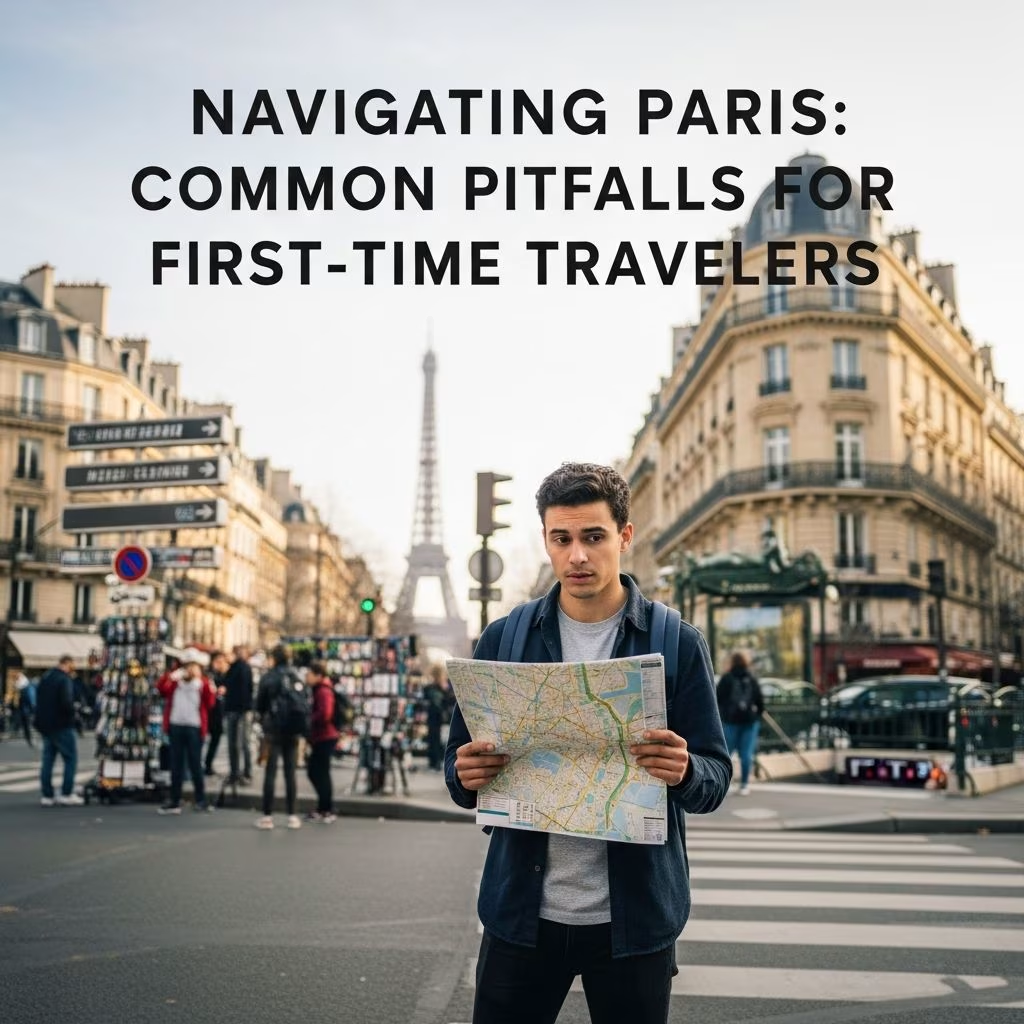
Paris’s narrow sidewalks and rapid pedestrian flow rate create challenges for visitors accustomed to different urban environments. Abruptly stopping on sidewalks to consult maps, photograph facades, or check smartphones disrupts foot traffic flow and frustrates locals who navigate these routes efficiently.
When consulting navigation tools or admiring architecture, position yourself against a building or move to a cafe entrance rather than halting traffic flow. Think of yourself as a vehicle briefly pulling to the side of the road rather than stopping in an active lane. This simple awareness significantly improves your integration into the urban environment and prevents unnecessary irritation from residents.
Similarly, crossing streets requires adherence to traffic signals. Red pedestrian signals indicate genuine danger from vehicular traffic moving at considerable speeds. While jaywalking occasionally occurs, doing so exposes you to accidents and near-misses, particularly at busy intersections and multi-lane thoroughfares.
Speaking Volume and Social Awareness
Cultural norms regarding conversation volume differ markedly between visitor home countries and French customs. Many Americans, in particular, speak at volumes that stand out dramatically in Parisian cafes and public spaces. Moderate your speaking voice to match the ambient noise level, particularly in restaurants, museums, and public transportation.
This adjustment requires conscious effort but demonstrates cultural respect and allows you to blend more seamlessly into your surroundings. Loud conversations mark you immediately as a tourist and can negatively impact your experience and that of those around you.
Building Restoration Time into Your Itinerary
The temptation to maximize every moment of a Paris visit by maintaining constant activity paradoxically diminishes your overall experience. Paris contains nearly 500 parks, gardens, and squares, spaces that residents actively utilize for respite and reflection.
Incorporating deliberate quiet time allows mental restoration, physical rest, and genuine atmospheric absorption. Spending thirty minutes in a park observing Parisian life provides more meaningful engagement than rushing through another monument. This practice also prevents burnout that frequently accompanies aggressive tourist schedules, allowing you to return home with memories of authentic moments rather than photographic check-lists.
Personal Safety and Security Awareness
While Paris maintains safety comparable to other major international cities, travelers must maintain consistent awareness of their surroundings and personal belongings. Thieves operate efficiently in crowded environments, particularly in subway cars and major tourist attractions, targeting inattentive visitors with coordinated movements.
Practical security measures include:
- Wearing cross-body purses secured against your body
- Keeping phones in pockets or bags rather than hand-carrying them visibly
- Never placing purses loosely on restaurant floors or chair backs
- Maintaining distance from bag edges in crowded transit situations
- Dividing credit cards and cash across multiple locations
Photographing credit cards and passport identification before departure and storing copies separately from originals provides recovery documentation if theft occurs. These precautions represent standard urban travel practices applicable to most major cities worldwide.
Distinguishing Legitimate Services from Street Scams
Street-level scams targeting tourists in Paris typically follow predictable patterns. Common schemes include shell games promising unrealistic financial returns, requests to sign petitions for fake charitable causes, and individuals claiming you’ve dropped valuable items like gold rings.
Similarly suspicious are offers of cotton bracelets or unsolicited services from street vendors. The universal principle applies: if an offer seems implausible, it certainly is. Moving away from such situations protects both your finances and personal security. Street-level observation of ongoing “games” quickly reveals the coordinated nature of such schemes and their inevitable bias against participants.
Airport Transportation and Legitimate Taxi Services
Approaching transportation from Paris airports requires awareness of legitimate options and pricing structures. Fixed-rate pricing between airports and central Paris varies based on destination location, whether right bank or left bank neighborhoods.
Avoid taxis whose drivers approach you proactively in airport terminals or who insist on cash-only payment and personally escorting you to ATMs. Legitimate drivers accept credit card payment and operate according to regulated fare structures. Using official taxi stands or app-based services like G7 ensures transparent pricing and genuine service provision.
Comprehensive Dining Exploration Beyond Instagram Fame
Many travelers restrict dining to restaurants and cafes that have achieved Instagram prominence, missing exceptional local establishments that serve equally extraordinary cuisine without the tourist premium. The city contains thousands of restaurants representing diverse price points, cuisines, and atmospheres beyond the most photographed venues.
Asking locals, reading off-the-beaten-path review sources, and exploring residential neighborhoods uncovers dining experiences that simultaneously provide superior value and authentic Parisian culinary traditions. This approach aligns your travel experience with resident practices rather than tourist consumption patterns.
Avoiding Overly Structured Itineraries
The temptation to create comprehensive checklists of “must-see” attractions frequently results in rushed, unfulfilling experiences. Paris’s true magic emerges through unplanned wandering, chance discoveries, and moments of genuine connection with the environment.
While prioritizing key attractions is reasonable, building flexibility into your schedule allows spontaneity and authentic engagement. Some of your most memorable experiences will likely emerge from unplanned detours rather than scheduled activities.
Power Adapter and Technology Preparation
While seemingly minor, inadequate technology preparation creates disproportionate frustration during travel. Ensuring you possess correct power adapters and preferably extra-long charging cables prevents constant battery anxiety and failed connectivity when you need it most. These inexpensive items represent essential trip preparations rather than optional luxury items.
FAQ Section
Q: Is the Paris metro safe for tourists?
A: Yes, the metro is generally safe and remains the most efficient transportation option. Standard urban awareness applies: maintain awareness of surroundings, secure personal belongings, and avoid isolated platform areas during late-night travel.
Q: Should I tip in Paris restaurants?
A: Tipping is not obligatory in France as service charges are typically included in menu prices. Rounding up the bill or leaving a small additional amount is appreciated but optional.
Q: What neighborhoods offer the best balance of authentic experience and accessibility?
A: Eastern Paris districts, including areas along the Canal Saint-Martin and neighborhoods in the 10th, 11th, and 12th arrondissements, provide resident atmosphere, excellent dining, and reasonable accommodation costs while maintaining transit accessibility.
Q: How far in advance should I purchase museum tickets?
A: Purchasing several days to a week in advance is advisable during peak seasons, particularly for major attractions like the Louvre. Off-season visits sometimes allow same-day purchases, but advance booking eliminates uncertainty.
References
- Ten Tourist Mistakes to Avoid in Paris — The Earful Tower. 2021-08-31. https://theearfultower.com/2021/08/31/ten-tourist-mistakes-to-avoid-in-paris/
- 10 Common Mistakes to Avoid in Paris and Throughout France — Two Boomers Abroad. https://www.twoboomersabroad.com/post/10-common-mistakes-to-avoid-in-paris-and-throughout-france
- 11 Costly And Embarrassing Travel Mistakes To Avoid In France — France Travel Tips. https://www.francetraveltips.com/costly-embarrassing-mistakes-avoid-in-france/
- Mistakes to Avoid in Paris, According to a Tour Guide — Business Insider. 2024-10. https://www.businessinsider.com/tourist-mistakes-to-avoid-in-paris-from-tour-guide-2024-10
- 10 Paris Travel Mistakes You’re Probably Already Making — YouTube. https://www.youtube.com/watch?v=y94cHnkSR3Q

