


 Food & Culture
Food & Culture
2026 Beer Trends: Lagers, NA Beer, and Value-Driven Drinking
Explore the transformative trends reshaping the beer industry in 2026, from the lager renaissance to the rise of non-alcoholic options and value-driven consumption.
 Food & Culture
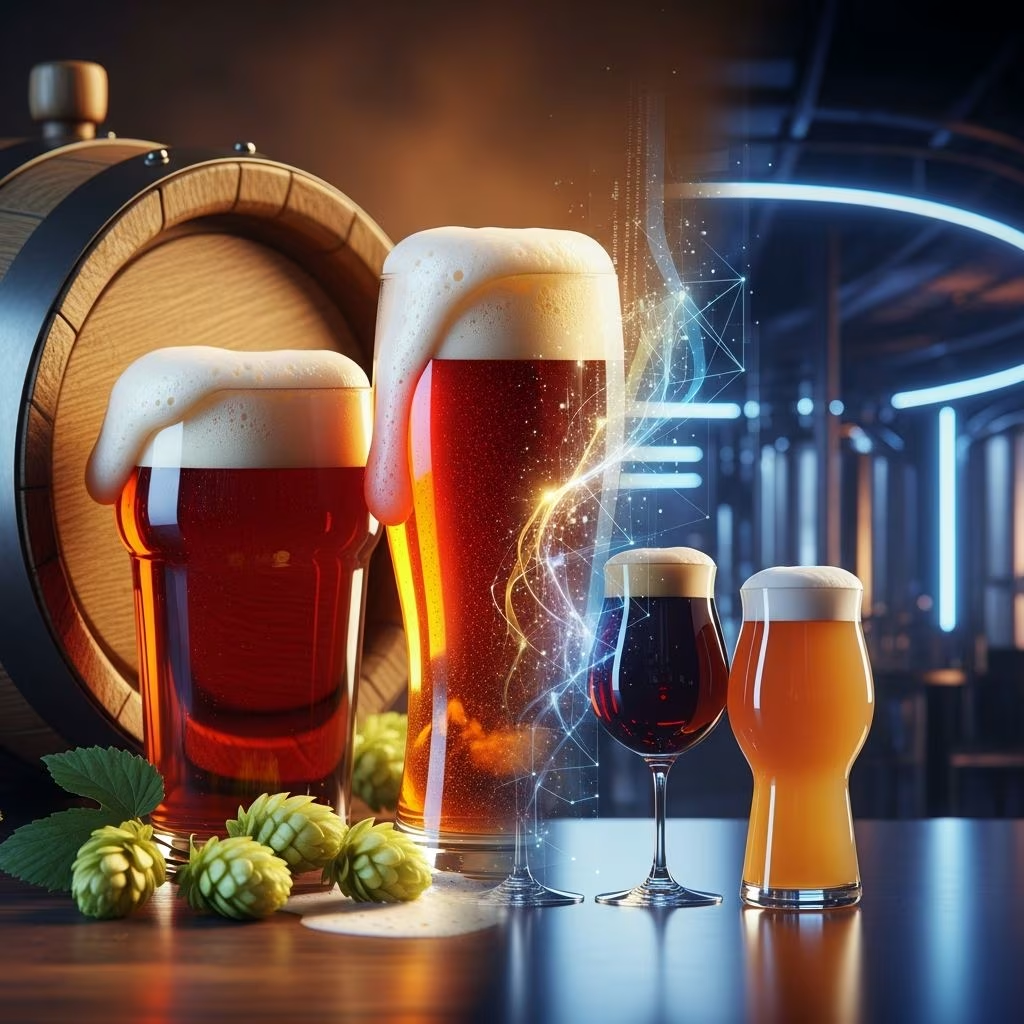
The beer industry is experiencing a fundamental shift in consumer preferences and industry priorities. What once defined the market—extreme flavor profiles, novelty adjuncts, and experimental brewing methods—is giving way to a more thoughtful, balanced approach to beer consumption and production. This transformation reflects broader changes in how people view social drinking, value, and sustainability. Understanding these emerging patterns provides insight into where the beverage industry is heading and what drinkers can expect to find on shelves and in establishments over the coming months.
The Resurgence of Classic Lager Styles
One of the most significant developments in contemporary beer culture is the renewed appreciation for lager beers. After years when craft brewing focused primarily on hoppy India Pale Ales and experimental styles, breweries are redirecting their attention toward perfecting traditional lager production. This shift isn’t merely nostalgia; it reflects a genuine evolution in consumer tastes and lifestyle choices.
The appeal of lagers lies in their fundamental characteristics: clean, crisp flavor profiles combined with moderate alcohol content and excellent drinkability. Modern consumers, particularly younger drinkers entering the craft beer market, appreciate beers that don’t overwhelm the palate or require extensive food pairings. Lagers offer accessibility without sacrificing quality or sophistication.
Bar programs and retail shelves are now curating diverse lager selections rather than stocking a single generic option. This diversification includes authentic German Pilsners, Czech Dark Lagers, crisp Helles-style beers, and Mexican-style premium lagers. Each variation presents distinct characteristics while maintaining the core appeal of the lager category: refreshment, balance, and consistent quality.
- Light lagers dominate outdoor social gatherings and group events
- Premium imports command higher price points based on heritage and execution quality
- Breweries previously focused on IPAs are now developing specialty lager portfolios
- Lower alcohol-by-volume content attracts moderation-focused consumers
Flavor Innovation Within Classical Boundaries
While classic beer styles are gaining prominence, innovation hasn’t disappeared—it has simply changed direction. Brewers are now experimenting with subtle flavor enhancements rather than radical departures from traditional formulas. Tropical hop varieties, citrus notes, and fruit-forward aromatics are being integrated into established beer styles rather than creating entirely new categories.
Hazy India Pale Ales continue to offer tropical and bright hop characteristics, but increasingly in sessionable formats with lower alcohol content. A lager infused with lime provides a crisp alternative to heavily modified beer styles. These developments demonstrate that flavor exploration continues, but within frameworks that prioritize drinkability and balance.
The breeding of new hop varieties with fruit-forward aromas represents a strategic approach to innovation—enhancing existing styles through agricultural development rather than chemical experimentation or extreme adjunct additions. This methodology appeals to consumers seeking novelty within recognizable parameters.
The Non-Alcoholic Beer Transformation
The non-alcoholic beer category has transitioned from a niche wellness product to a mainstream industry mandate. This evolution encompasses both market growth and fundamental changes in how these products are perceived and marketed.
Recent years have witnessed extraordinary growth in this segment, with non-alcoholic beers posting expansion rates near 22 percent annually. Major breweries have begun releasing non-alcoholic versions of their flagship products, legitimizing the category and expanding consumer access. The quality improvements in non-alcoholic brewing have been substantial, making these options genuinely appealing rather than merely acceptable compromises.
Marketing strategy has shifted significantly. Non-alcoholic beers are no longer positioned as sacrificial alternatives for those who “can’t” drink alcohol. Instead, they’re presented as lifestyle choices suitable for health-conscious consumers, designated drivers, those moderating intake, and individuals participating in social drinking rituals without full alcohol consumption. This repositioning has profound psychological and market implications.
For serious bars and restaurants, offering high-quality non-alcoholic options has become as essential as maintaining a light beer selection. This development particularly resonates with Millennial and Generation Z consumers who value the social and sensory experience of beer drinking independent of intoxication effects.
The Great IPA Recalibration
India Pale Ales remain significant in craft beer markets, but their dominance has fundamentally changed. The “more is more” philosophy that characterized earlier IPA development—extreme bitterness, maximum hop intensity, and massive alcohol content—is giving way to a more balanced approach.
The extreme end of the IPA spectrum, including triple IPAs and heavily adjunct-laden variations, is contracting. In their place, two categories are gaining traction: classic West Coast IPAs featuring clear appearance, bitter-forward profiles, and citrus-pine aromatics, and session hazy varieties combining juicy tropical characteristics with lower alcohol content and refined sweetness levels.
This correction reflects several factors: palate fatigue among long-term craft beer drinkers, a desire for greater complexity in flavor development, and consumer preference for beers suitable for extended social consumption rather than singular exceptional experiences. Session hazy offerings, typically ranging from four to five-and-a-half percent alcohol, represent this middle ground perfectly.
Value-Driven Decision Making
Economic pressures are substantially influencing beer purchasing decisions across demographic segments. Inflation fatigue has made consumers more price-conscious, prompting them to evaluate value propositions more rigorously. This shift has created opportunities for craft breweries to develop approachable, lower-priced options designed for regular consumption rather than special occasions.
Many craft producers are expanding their portfolios with lagers specifically priced to compete with macro-brewery offerings while maintaining superior quality standards. This strategic positioning allows consumers to experience craft beer benefits without premium pricing that might limit regular purchases.
The emphasis on value doesn’t necessarily mean compromising quality; rather, it reflects a maturing market where consumers distinguish between necessary premiums justified by superior execution and unnecessary markups based on novelty or brand mystique. Breweries demonstrating genuine value—excellent quality at reasonable prices—are capturing market share from those relying on premium positioning alone.
Sustainability and Local Community Integration
The “support local” sentiment remains strong within beer consumption patterns, but it has evolved beyond simple geographic preference. Contemporary consumers increasingly expect local breweries to demonstrate commitment to sustainability practices, environmental stewardship, and community engagement.
For many consumers, sustainability considerations represent mandatory expectations rather than optional differentiators. Breweries implementing water conservation measures, reducing packaging waste, sourcing local ingredients, and minimizing carbon footprints attract and retain conscious consumers. These commitments extend beyond environmental ethics to encompass economic sustainability, fair labor practices, and community support.
Successful breweries in this environment offer more than quality beer; they provide community spaces facilitating social connection, demonstrate cultural relevance to their neighborhoods, and contribute meaningfully to local economic development. This holistic approach to brewery operations has become increasingly important to discerning consumers.
Emerging Beverage Crossover Trends
Breweries are increasingly exploring categories beyond traditional beer, creating products that blur boundaries between beer, seltzers, functional beverages, and alternative adult drinks. Hop-infused waters, beer-based cocktail products, and hemp-derived THC beverages represent brewery expansion into adjacent markets.
These innovations aren’t necessarily designed to replace beer but rather to maintain brewery relevance across diverse consumption occasions and consumer preferences. A brewery offering multiple beverage categories can serve guests with varying dietary preferences, consumption goals, and social circumstances. This diversification strategy reflects sophisticated understanding of modern consumer behavior and market dynamics.
Generational Preferences and Market Dynamics
Younger consumers entering craft beer markets exhibit different preferences than previous generations. They prioritize balance, authenticity, and value rather than extremity or novelty. This preference shift has cascading effects throughout the industry, influencing brewery focus, bar program development, and retail shelf allocation.
Nostalgia marketing is proving particularly effective, especially among consumers who grew up seeing traditional beer brands ubiquitously and younger drinkers attracted to retro aesthetics. In increasingly crowded markets, familiarity functions as a powerful differentiator. Breweries successfully invoking heritage while demonstrating contemporary relevance capture multi-generational appeal.
Industry Consolidation and Market Fragmentation
As shelf space constraints intensify, breweries must adopt increasingly targeted release strategies and focused portfolio development. This dynamic creates simultaneous consolidation and fragmentation: larger producers streamline offerings while specialty breweries develop highly specific products for particular market niches and consumer segments.
This environment rewards breweries with clear positioning, excellent execution, and genuine value propositions. Generic products struggle regardless of scale, while distinctive offerings with authentic appeal command shelf space and consumer loyalty.
Frequently Asked Questions
What makes lagers appealing to modern consumers?
Lagers offer clean, crisp flavor profiles with lower alcohol content, excellent drinkability, and balance—characteristics modern consumers increasingly prioritize over extreme flavor experiences or novelty.
Are hoppy IPAs becoming obsolete?
No, but their market dominance is shifting toward more balanced expressions. Classic West Coast IPAs and session hazes are gaining prominence while extremely bitter or heavily adjunct-laden varieties are declining.
Why is non-alcoholic beer growing so rapidly?
Quality improvements, better marketing positioning as lifestyle choices rather than compromises, and changing consumer attitudes toward moderation and social drinking are driving non-alcoholic beer growth.
How are breweries addressing economic pressures?
Many craft breweries are developing lower-priced lager options providing genuine value—superior quality at competitive pricing—rather than relying entirely on premium brand positioning.
What role does sustainability play in beer purchasing?
For contemporary consumers, sustainability represents an expected standard rather than optional differentiator, influencing brewery selection and purchase decisions significantly.
Looking Forward
The beer industry in 2026 reflects broader consumer evolution toward balance, authenticity, and thoughtful consumption. While experimentation continues, it occurs within frameworks prioritizing drinkability, quality execution, and genuine value. The convergence of these trends—lager renaissance, IPA rebalancing, non-alcoholic normalization, value emphasis, and sustainability expectations—creates an industry more diverse and consumer-responsive than ever before.
For drinkers, this environment offers unprecedented access to quality options across style preferences, price points, and consumption goals. Whether seeking classic refreshment, innovative flavor exploration, or alcohol-free participation in drinking culture, contemporary beer selections provide genuine alternatives rather than compromises. This democratization of quality and diversity of options represents perhaps the most significant development in beer culture, benefiting consumers and rewarding breweries that prioritize authenticity and excellence.
References
- 2026 Beer Industry Trends — Beer Institute. 2026. https://www.beerinstitute.org/2026-beer-industry-trends/
- Beyond the Haze: 5 Beer Trends That Will Define Your Bar in 2026 — GetBackBar Academy. 2026. https://academy.getbackbar.com/2026-beer-trends
- 8 Beer Industry Trends to Watch Out For in 2026 — American Craft Beer. 2026. https://www.americancraftbeer.com/8-beer-industry-trends-to-watch-out-for-in-2026/
On This Page
The Resurgence of Classic Lager Styles Flavor Innovation Within Classical Boundaries The Non-Alcoholic Beer Transformation The Great IPA Recalibration Value-Driven Decision Making Sustainability and Local Community Integration Emerging Beverage Crossover Trends Generational Preferences and Market Dynamics Industry Consolidation and Market Fragmentation Frequently Asked Questions Looking Forward← Previous
Best All-Inclusive Resorts in Jamaica for Families and Adults
Next →
Top Global Sporting Events to Travel For
Related Reading
More in Food & Culture
Food & Culture Food & Culture
 Food & Culture
Best Places to Eat in Rome: Neighborhood Dining Guide
 Food & Culture
 Food & Culture