

 Travel Essentials
 Travel Essentials

Comprehensive guide to attending the 2026 Winter Olympics in Italy: discover event locations across Milan, Cortina, and beyond, navigate transport amid crowds, secure accommodations, and explore cultural gems for an unforgettable experience.
 Travel Essentials
The 2026 Winter Olympics, hosted across northern Italy from February 6 to 22, promise a spectacular blend of world-class athleticism and stunning alpine scenery. Followed by the Paralympics from March 6 to 15, this event draws around 3,000 athletes competing in 16 sports, with 1.5 million tickets available for fans. Unlike traditional Games concentrated in one city, these are spread across clusters including urban Milan, glamorous Cortina d’Ampezzo in the Dolomites, ski havens like Valtellina and Val di Fiemme, and historic Verona for the closing ceremony. This guide equips you with practical strategies for travel, stays, and enjoyment amid expected congestion.
Italy’s 2026 Games stand out for their geographic diversity, connecting fashion-forward Milan with rugged mountain resorts. The Milano Cluster handles hockey, skating, and the opening ceremony in the city center. Cortina d’Ampezzo, a two-hour drive from Bolzano, hosts curling, biathlon, women’s alpine skiing, and sliding events amid the UNESCO-listed Dolomites. Valtellina welcomes skiing, snowboarding, and the new ski mountaineering discipline, while Val di Fiemme features cross-country, Nordic combined, and ski jumping in eco-certified forests. Verona’s ancient Arena caps the festivities.
This setup means travelers must plan multi-destination itineraries. Milan serves as the primary gateway with international airports, while alpine sites require regional connections. Expect heightened activity on highways, trains, and buses between these spots, which are up to five hours apart by car with no direct Milan-Cortina rail.
Most visitors fly into Milan Malpensa (MXP), the main hub for long-haul flights, or Linate (LIN) for closer city access. From MXP, high-speed trains or shuttles reach Milan Centrale in under an hour. Book flights early, as demand surges during the Games. Consider arriving a few days prior to acclimate and avoid peak arrival rushes on February 6.
Italy’s efficient rail system is your best ally. High-speed Frecciarossa and Italo trains link Milan to Verona, Venice, and regional hubs quickly, even in winter. For mountains, switch to regional trains and buses—allow extra time for snow delays. Driving offers flexibility but demands winter tires, chains, and parking savvy in crowded resorts; public options are simpler for most.
| Route | Best Mode | Duration | Tips |
|---|---|---|---|
| Milan to Cortina | Train + Bus | 5-6 hours | Book combo tickets via Trenitalia app |
| Milan to Valtellina | High-speed Train | 2 hours | Direct from Centrale station |
| Cortina to Verona | Bus/Coach | 3 hours | Scenic Dolomites route |
| Any Cluster | Olympic Shuttles | Varies | Free with tickets; reserve ahead |
Monitor official sites for Games-specific schedules, as lines to Venice and Bolzano will see Olympic spillover.
Accommodations will be scarce and pricey in host areas—book 12-18 months ahead. Milan offers urban variety: luxury near Duomo for events, or outskirts for value. Cortina’s resorts cater to skiers but fill fast; consider nearby Dolomite villages like Val di Fiemme for cross-country vibes.
Alternatives like Bergamo or Brescia provide cheaper bases with train access to clusters, ideal if not venue-tied.
Olympic tickets went on sale in late 2024 via the official portal. Prioritize multi-session passes for clusters. Expect dynamic pricing—popular events like alpine skiing in Cortina command premiums. Pair with hospitality packages for guaranteed hotels and transport if budget allows.
Non-ticketed fans can enjoy public viewing zones in Milan piazzas or Cortina streets, often with giant screens and festivities.
February brings cold snaps: Milan 0-10°C (32-50°F), mountains -5 to 5°C (23-41°F) with snow. Pack layers, waterproof gear, sturdy boots, and gloves. Download translation apps, as English is common but Italian aids in rural spots. ATMs abound, but carry euros for small vendors; cards work widely.
Maximize your trip with Italy’s offerings. In Milan, tour the Duomo, savor risotto alla Milanese, and shop Galleria Vittorio Emanuele. Cortina offers après-ski with speck and polenta. Valtellina’s bresaola and Valtellina wines pair perfectly post-snowboard. Verona’s opera heritage shines even off-season. Day trips to Lake Como or Venice fit between events.
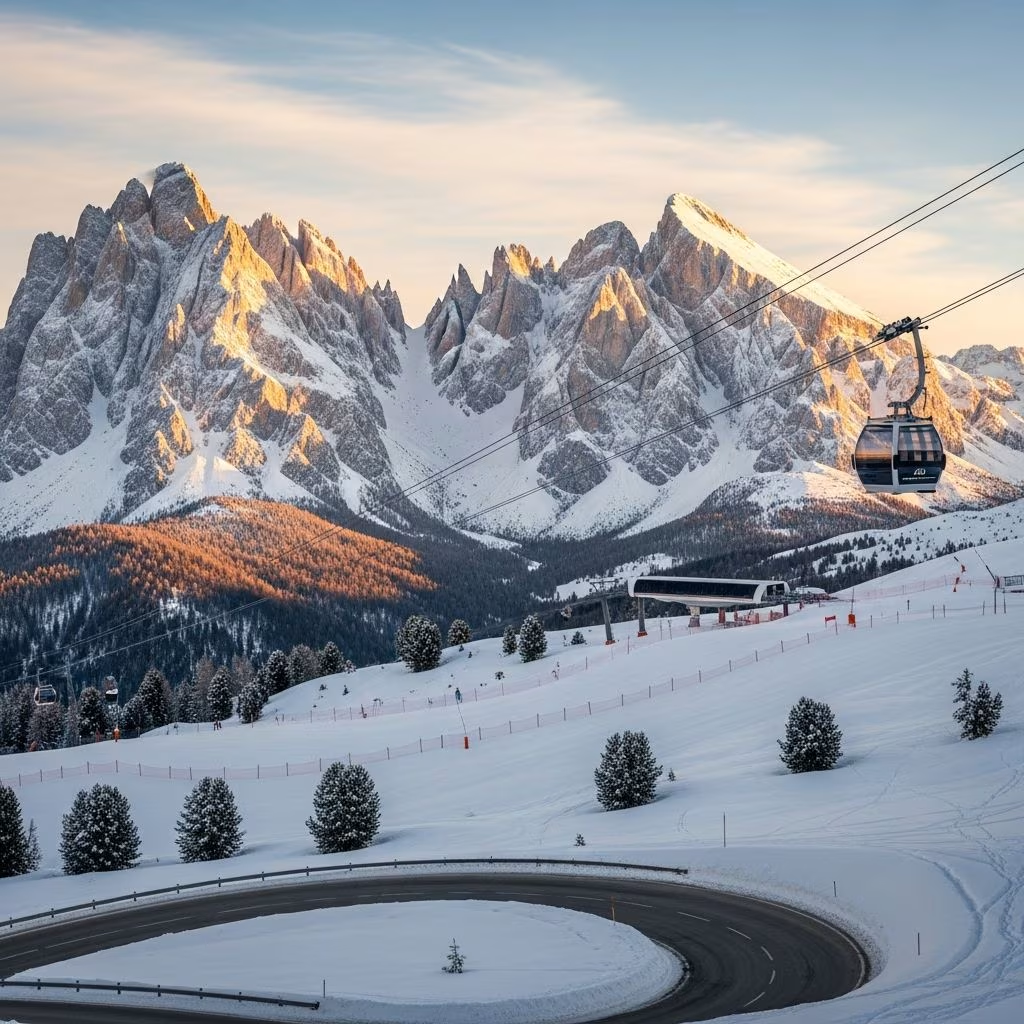
February-March transforms the Alps into a snowy wonderland—gondolas, villages, and hikes for non-athletes.
Expect 20-50% hikes in host cities; early reservations mitigate this. Budget €200-500/night for hotels, €50-150 meals, €100+ transport daily. Skip cars to save; leverage rail passes like Eurail Italy. Watch for scalpers—use official resale only.
No—trains and buses suffice, avoiding winter driving hassles.
Milan-Cortina: 5 hours drive; use rail-bus combos.
Yes, Paralympics, kids’ zones, and non-competitive alpine fun abound.
Public screenings and training watches offer thrills.
Steer clear of Feb 6-22 unless attending; Paralympics less intense.
This itinerary balances action and relaxation across clusters.
