

 Travel Essentials
 Travel Essentials

Discover essential strategies to avoid common Europe travel blunders, from overpacking and poor booking habits to safety oversights and cultural missteps, ensuring a stress-free journey.
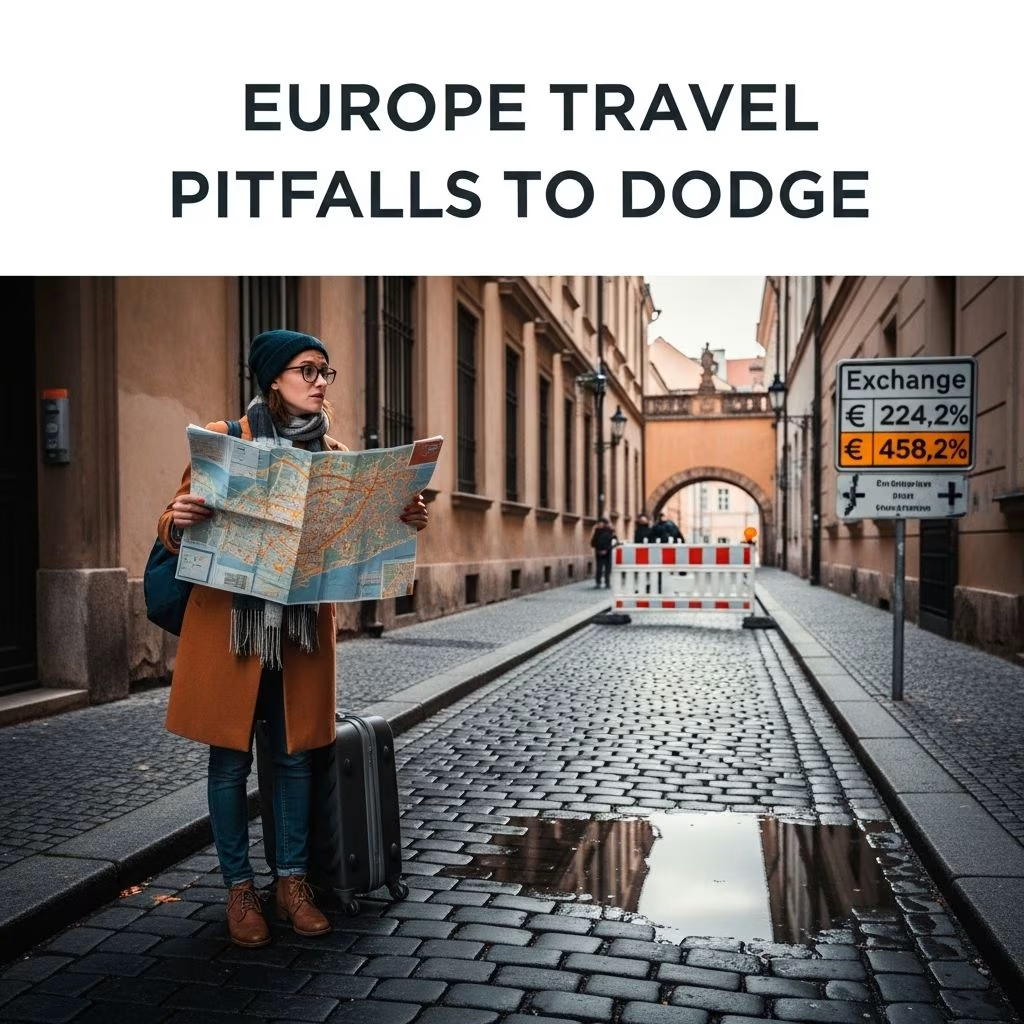 Travel Essentials
Planning a journey across Europe’s diverse landscapes and historic cities promises excitement, but first-time visitors often stumble into avoidable errors that drain budgets, sap energy, and sour experiences. By recognizing these issues early, travelers can craft itineraries that maximize joy and minimize frustration. This guide draws from proven strategies to help you navigate cobblestone streets, bustling trains, and vibrant markets with confidence.
One of the most frequent oversights is overloading suitcases with unnecessary items, turning every transfer into a chore. Europe’s compact cities, filled with stairs and uneven paths, demand mobility. Opt for versatile clothing that layers well and withstands re-wearing, such as neutral tops, durable pants, and a lightweight jacket suitable for variable weather.
Comfortable footwear is non-negotiable given the daily mileage on foot—cobblestones punish new or unsupportive shoes. Test gear at home to ensure reliability. Lighter bags also ease budget airline restrictions and train hauls.
Delaying reservations for flights, hotels, or attractions leads to inflated prices and sold-out options, especially in high-demand seasons. Popular spots like Paris or Rome rarely offer walk-up availability anymore. Book flights over two months ahead and accommodations as soon as dates firm up, favoring flexible cancellation policies.
Pre-reserve must-see sites via platforms for timed entries, avoiding long queues at museums or tours. This practice, solidified post-pandemic, ensures access without stress. For events or summer peaks, plan six months out in advance destinations.
| Booking Type | Ideal Timeline | Why It Matters |
|---|---|---|
| Flights | 2-3 months ahead | Balances cost and availability |
| Hotels | Upon itinerary lock-in | Prevents overcrowding in hotspots |
| Attractions/Tours | 1-2 months prior | Secures timed slots amid demand |
Overlooking regional norms can lead to awkward encounters or fines. In many areas, quiet public behavior, modest dress at religious sites, and greeting with polite phrases build goodwill. Learn basics like ‘bonjour’ in France or ‘grazie’ in Italy to enhance interactions.
Avoid loud conversations on trains or flashing valuables, as discretion aligns with local understatement. At meals, skip tipping extravagance—service charges often cover it—and pace dining slowly to match European rhythms.
Pickpocketing thrives in crowded metros, tourist hubs, and events, targeting obvious newcomers. Minimize risks by using crossbody bags, securing zippers, and distributing valuables across pockets or money belts.
Europe’s urban density amplifies these threats, but awareness turns potential issues into non-events.
Carrying excess cash invites trouble in card-dominant regions like Scandinavia, where contactless reigns. Limit to small amounts for markets; rely on fee-free cards. Always choose local currency at payment terminals to dodge poor exchange rates.
Seek ATMs from major banks to avoid skimming, and notify your provider of travel for smooth transactions. Budget apps track euros effectively across varying costs.
Tourist traps near landmarks serve mediocre fare at premium prices. Venture one or two blocks away for family-run spots with locals. Shun places with aggressive touts or photo menus, indicators of inauthenticity.
Embrace street food, markets, or aperitivo hours for value. In Italy, opt for trattorias; in Spain, tapas bars away from plazas yield genuine tastes without crowds.
Underutilizing public systems wastes time and money versus taxis. Eurail passes suit multi-country jaunts, while city cards cover metros and buses. Allow buffers for connections—minimum 90 minutes for flights—to counter delays.
Download apps for real-time schedules; validate tickets to evade fines. Bikes or walks in pedestrian zones beat traffic.
Forgetting adapters or data plans strands you. Europe’s plugs vary—Type C for most, G in UK. Verify carrier international options or grab eSIMs for affordability.
Enable roaming judiciously or use Wi-Fi hotspots. Offline maps like Google prevent data drain.
Rushing between cities exhausts, yielding superficial visits. Anchor 3-4 nights per base, using day trips for variety. This fosters immersion versus checklist tourism.
Build rest days amid adventures; Europe’s charm unfolds unhurriedly.
Skipping coverage risks financial ruin from medical or cancellation issues. Comprehensive policies cover theft, health, and delays. Check vaccinations and pack meds, as pharmacies differ.
Variable climates demand flexible wardrobes. Rain gear and breathable layers handle transitions from Mediterranean sun to Alpine chill.
Aim for 5-7 versatile outfits, two shoe pairs, and essentials in a carry-on for ease.
Minimal amounts suffice; cards dominate, but have euros for rural spots.
Use secure bags, avoid crowds with valuables, and stay aware.
Yes for peaks: flights 2+ months, hotels and sites sooner.
Absolutely—Europeans prioritize practicality over daily changes.
