


 Food & Culture
Food & Culture
24 Hours Eating in San Sebastián: Pintxos, Basque Cuisine & Fine Dining
Experience San Sebastián's renowned food culture in one day with this comprehensive guide to pintxos bars, local specialties, and culinary traditions.
 Food & Culture
San Sebastián stands as one of Europe’s most celebrated food destinations, a city where gastronomy transcends mere dining to become a profound expression of Basque identity and cultural heritage. This coastal Spanish city has earned an international reputation for its remarkable concentration of world-class restaurants, innovative chefs, and deeply rooted food traditions that have been cultivated over centuries. For visitors seeking to understand the essence of Basque cuisine, a focused 24-hour exploration reveals the layers of culinary excellence that make this destination truly exceptional.
Understanding Basque Food Culture
The foundation of San Sebastián’s food scene rests upon a profound cultural relationship with cuisine. For the Basque people, food represents far more than simple sustenance; it embodies a complete expression of regional identity, ancestral knowledge, and collective passion. This philosophy permeates every aspect of local dining, from the way ingredients are selected at markets to the ritualistic gatherings in gastronomic societies where members collectively prepare meals and share dining experiences.
The city’s culinary landscape reflects both a commitment to traditional recipes passed down through generations and an innovative spirit that pushes the boundaries of modern cuisine. This balance between heritage and innovation creates an environment where diners encounter authentic Basque dishes prepared with techniques refined over decades, alongside creative interpretations that challenge conventional approaches to flavor and presentation.
The Pintxos Culture: Small Bites, Big Flavors
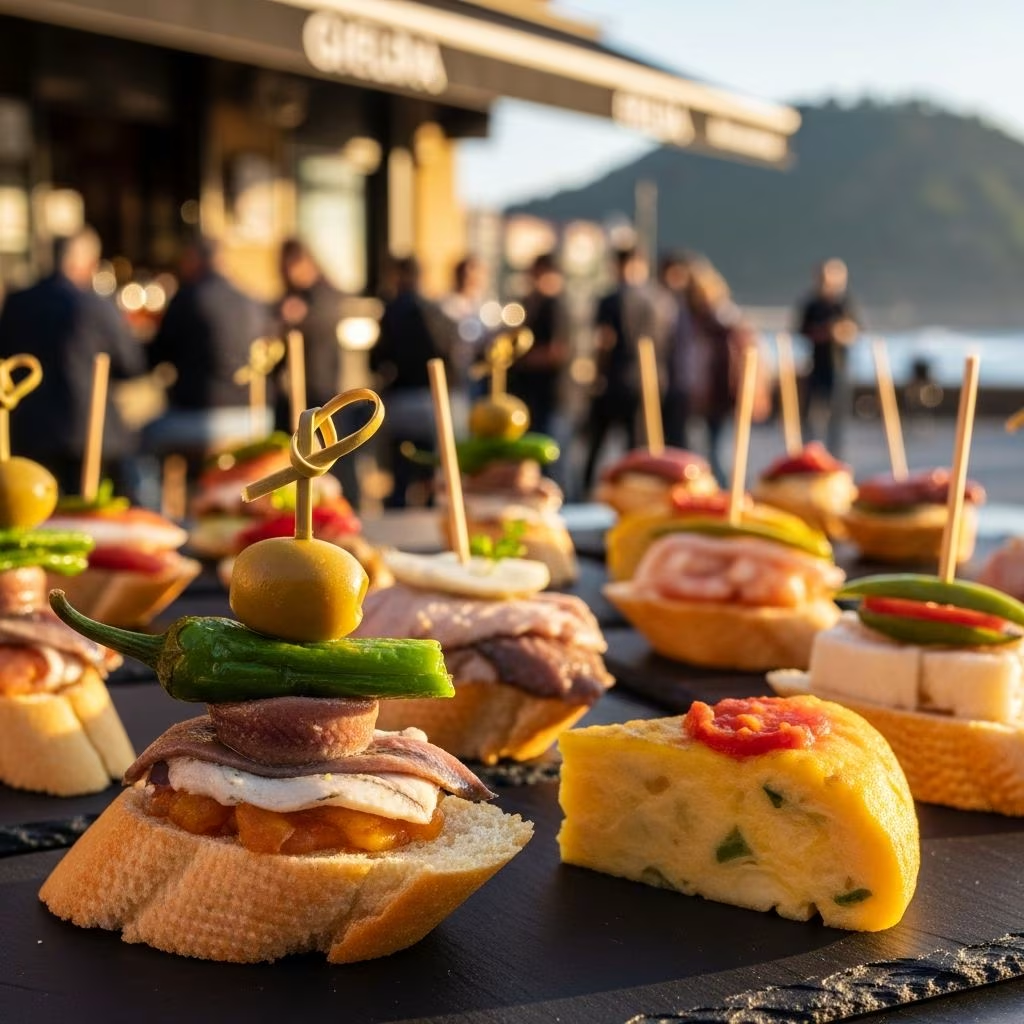
At the heart of San Sebastián’s food identity lies the pintxo, a Basque term for small tapas-like bites that serve as the cornerstone of the city’s casual dining experience. These are not afterthoughts or simple appetizers; rather, pintxos represent the democratic nature of Basque gastronomy, where exceptional flavors are accessible to everyone regardless of their budget or time constraints.
Pintxos bars operate on a unique social model where locals and visitors gather at counters to sample multiple creations during a single evening, often moving between several establishments in what locals call a pintxo crawl. Each bar typically displays dozens of options, with diners selecting their choices and settling their tabs based on the number of small plates consumed. This informal setting masks the sophistication often present on each plate.
The traditional pintxos showcase local ingredients prepared with remarkable technical skill. Common offerings include beef cheeks braised until tender, fresh seafood creations featuring local catch, mushroom-based preparations highlighting seasonal varieties, and innovative combinations that merge Spanish and international influences. The presentation of each pintxo matters considerably; chefs take pride in plating these small creations with the same attention to detail found in fine dining establishments.
Morning Rituals and Breakfast Traditions
A 24-hour culinary journey through San Sebastián begins early, embracing local breakfast customs that differ notably from typical continental fare found elsewhere in Europe. Morning establishments focus on quality coffee, fresh baked goods, and the opportunity to experience pintxos from a different perspective as these bars prepare fresh creations for the day ahead.
Bakeries throughout the city open early to serve residents seeking freshly prepared bread, pastries, and regional specialties. These establishments represent where locals actually eat during their daily routines, offering authentic insights into Basque food culture beyond tourist-focused establishments. Many bakeries incorporate traditional recipes alongside modern interpretations, creating environments where quality ingredients and skilled preparation are non-negotiable standards.
Midday Exploration: Neighborhood Dining
The afternoon hours present opportunities to explore neighborhoods beyond the Old Town’s main tourist corridors. The Gros district, situated behind Zurriola Beach, functions as the residential heart where locals conduct their daily food shopping and dining activities. This neighborhood houses some of the city’s most authentic eating establishments, where menus reflect the true preferences of residents rather than visitor expectations.
Establishments in these residential areas maintain the authentic spirit of Basque dining traditions without the premium pricing often associated with tourist-heavy districts. The quality of ingredients remains equally high, the technical skill of preparation equally impressive, yet the overall experience feels more integrated into daily community life rather than existing as isolated tourist attractions.
Essential Basque Dishes and Flavors
Understanding San Sebastián’s food scene requires familiarity with signature dishes that define Basque gastronomy. These preparations have evolved over centuries, becoming cultural touchstones that locals take seriously and visitors anticipate with genuine excitement:
- Carrilleras (Beef Cheeks): Slow-cooked until achieving remarkable tenderness, often prepared with red wine reductions or tomato-based sauces that deepen complex flavors over extended cooking times
- Pulpo (Octopus): Fresh local catch typically grilled or prepared in traditional preparations that highlight the delicate texture and subtle sweetness of this ingredient
- Fresh Seafood: Grilled fish and shellfish preparations showcase the quality of local catches, often requiring minimal intervention to allow ingredient quality to shine
- Gilda: A traditional pintxo combining green olives, anchovies, and peppers on a single skewer, representing the intersection of simplicity and sophisticated flavor pairing
- Croquetas: Cream-filled fritters that achieve crispy exteriors while maintaining silky interiors, popular variants include cheese, jamón ibérico, and seafood versions
- Pimientos de Gernika: Blistered peppers with fleur de sel, a seemingly simple preparation elevated through ingredient quality and proper technique
- Txipis a la Plancha: Baby squid grilled on hot plates, representing the direct approach to showcasing ingredient excellence
The Pintxo Bar Experience: A Practical Guide
Navigating pintxo bars requires understanding the unique customs and expectations that govern these spaces. Unlike formal restaurants with reserved seating and predetermined courses, pintxo bars operate on principles of spontaneity and self-direction that initially confuse visitors accustomed to different dining models.
Upon entering a pintxo bar, visitors typically find themselves at standing-room-only counters facing displays of prepared small plates. Pointing to desired selections prompts bartenders to hand over plates, with prices determined at checkout based on consumption rather than predetermined menus. Conversations occur across crowded bars, wine pours flow freely, and the atmosphere pulsates with energy rather than structured formality.
Successful pintxo experiences involve sampling multiple preparations across several establishments rather than attempting to order complete meals at individual bars. This approach allows visitors to experience diverse preparations while absorbing the social dimensions of Basque food culture. Moving between establishments becomes part of the experience, with each bar offering distinct specialties and atmospheres.
Evening Fine Dining: Excellence Elevated
While pintxos represent the democratic face of San Sebastián’s food scene, the city also hosts some of the world’s most prestigious restaurants, with multiple establishments holding three Michelin stars. These establishments operate under completely different dining philosophies, offering multi-course tasting menus that showcase contemporary interpretations of Basque and Spanish culinary traditions.
Fine dining in San Sebastián emphasizes technical precision, ingredient sourcing, presentation artistry, and the chef’s creative vision in ways that distinguish these establishments from casual dining experiences. Reservations require advance planning, often months in advance for the most prestigious venues. These restaurants attract serious food enthusiasts willing to invest significant time and expense for the opportunity to experience culinary innovation at the highest levels.
Neighborhood Highlights and Specialized Establishments
San Sebastián’s Old Town contains the highest concentration of pintxo bars, with Fermín Calbeón Street emerging as a particularly dense cluster of exceptional establishments. Each bar within this compact area maintains distinct specialties and atmospheres, allowing visitors to experience variations in preparation approaches and ingredient selections.
The museum district offers complementary dining experiences, with establishments like Kafe providing contemporary spaces to pause and reflect, featuring outdoor seating that overlooks bustling plazas. These locations serve multiple functions simultaneously, functioning as cafés for quick refreshment, restaurants for more substantial meals, and social gathering points for casual encounters.
Seasonal Ingredients and Market Culture
San Sebastián’s food scene responds dynamically to seasonal availability, with menus shifting to reflect current harvests and catches. Spring brings asparagus, early vegetables, and fresh fish arriving from the Atlantic. Summer emphasizes grilled preparations showcasing peak-season vegetables. Autumn introduces mushroom specialties and game meats. Winter features heartier preparations utilizing preserved ingredients and root vegetables.
Local markets function as windows into the ingredients that inform restaurant menus. Visiting these spaces reveals the ingredients chefs prioritize, the quality standards maintained, and the direct relationships between local producers and culinary professionals. Market visits also provide opportunities to purchase specialty items unavailable in other regions.
Planning Your 24-Hour Culinary Experience
Maximizing a 24-hour food-focused visit requires strategic planning that balances spontaneity with intentional destination selection. The optimal approach combines pintxo bar exploration during afternoon and evening hours with reserved fine dining experiences, complemented by neighborhood exploration and market visits during morning hours.
Starting the day with breakfast in residential neighborhoods provides authentic perspectives on local food culture before transitioning to tourist-focused areas. Afternoon hours work well for neighborhood exploration in districts like Gros, where residential dining establishes different tones than Old Town establishments. Evening hours accommodate either additional pintxo bar exploration or reserved fine dining experiences.
Beverage Pairings and Local Wines
San Sebastián’s dining scene pairs seamlessly with Spanish wines, local ciders, and regional beverages that enhance rather than overwhelm the subtle flavors in Basque preparations. Txakoli, a local white wine, possesses crisp acidity and subtle fruit notes that complement seafood-forward pintxos. Spanish wines from nearby regions provide additional pairing options for both casual and fine dining experiences.
Many pintxo bars encourage wine exploration, allowing visitors to sample multiple selections across successive bars rather than committing to full bottles. This approach enables systematic discovery of preferences and pairing principles that inform dining selections.
Practical Considerations for Food Travelers
Visiting San Sebastián with food as the primary focus requires understanding timing conventions that differ from other European destinations. Lunch service peaks between 1 and 3 PM, with many establishments closing between services. Dinner service begins around 8 PM, with pintxo bar activity intensifying after 6 PM. Planning around these rhythms ensures access to desired establishments and optimal experiences.
Most pintxo bars operate on cash basis or accept card payments; confirming payment methods before ordering prevents awkward situations. Language considerations matter less than in other Spanish destinations, as English proficiency remains higher in this international tourist destination. However, attempting basic Spanish phrases generates goodwill among proprietors and staff.
Beyond the 24 Hours: Extended Exploration
Visitors able to remain longer than 24 hours should consider reserved fine dining experiences at respected establishments, additional neighborhood exploration in areas like Zurriola and Amara, visits to the Basque Culinary Center for educational perspectives on regional gastronomy, and cooking classes that provide hands-on engagement with traditional preparations.
Extended visits also allow for day trips to surrounding regions famous for specific ingredients: Getaria for txakoli wine and grilled fish, Tolosa for black beans used in traditional preparations, and Idiazabal for the renowned cheese bearing the region’s name. These regional excursions contextualize San Sebastián’s food scene within the broader Basque country agricultural and culinary landscape.
Conclusion: More Than Food
A 24-hour culinary journey through San Sebastián transcends typical food tourism, offering instead an immersive experience into a culture where cuisine functions as the primary language through which community identity expresses itself. The pintxo bars, fine dining establishments, neighborhood restaurants, and casual bakeries collectively represent centuries of accumulated knowledge, experimentation, and collective passion for ingredient quality and technical excellence.
Whether experiencing the democratic conviviality of pintxo bars or the structured innovation of fine dining, visitors encounter the same fundamental commitment to excellence that defines Basque food culture. This consistency across all dining tiers, from casual neighborhood bars to prestigious Michelin-starred restaurants, distinguishes San Sebastián as a destination where food culture has achieved rare integration into every aspect of daily community life.
References
- The ULTIMATE guide on where to eat in San Sebastián — My Travel Monkey. 2026. https://www.my-travelmonkey.com/where-to-eat-in-san-sebastian/
- Eating & drinking through San Sebastian, Spain — The Curious Appetite. 2017-08-31. https://thecuriousappetite.com/2017/08/31/eating-drinking-through-san-sebastian-spain/
- A San Sebastián Travel Guide – The Foodie City — Bald Hiker. https://www.baldhiker.com/a-san-sebastian-travel-guide-the-foodie-city/
- Everywhere we ate in San Sebastian — Sophie etc. https://www.sophieetc.com/everywhere-we-ate-in-san-sebastian/
- A Food Lover’s Guide to San Sebastian — The Quality Edit. 2025. https://www.thequalityedit.com/articles/san-sebastian-guide
- San Sebastian Restaurants — Globalphile. https://globalphile.com/gastronomy-san-sebastian-spain/
On This Page
Understanding Basque Food Culture The Pintxos Culture: Small Bites, Big Flavors Morning Rituals and Breakfast Traditions Midday Exploration: Neighborhood Dining Essential Basque Dishes and Flavors The Pintxo Bar Experience: A Practical Guide Evening Fine Dining: Excellence Elevated Neighborhood Highlights and Specialized Establishments Seasonal Ingredients and Market Culture Planning Your 24-Hour Culinary Experience Beverage Pairings and Local Wines Practical Considerations for Food Travelers Beyond the 24 Hours: Extended Exploration Conclusion: More Than Food← Previous
3,500-Year-Old Dumplings Unearthed in Western China
Next →
Brazil Travel Guide for First-Time Visitors
Related Reading
More in Food & Culture
Food & Culture Food & Culture
 Food & Culture
Best Places to Eat in Rome: Neighborhood Dining Guide
 Food & Culture
 Food & Culture