

 Travel Essentials
 Travel Essentials

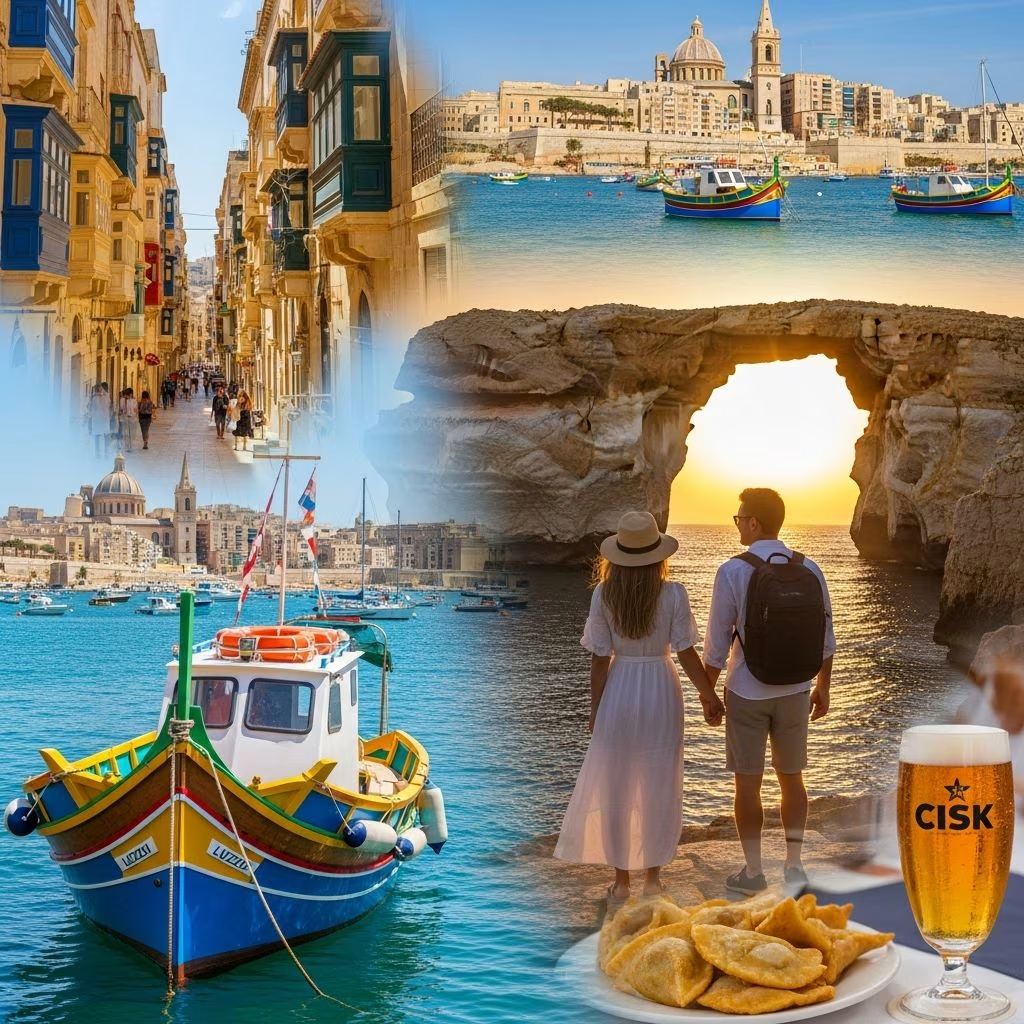
A comprehensive guide to experiencing Malta's best destinations in 24 hours, from historic capitals to stunning coastal views and local dining experiences.
 Travel Essentials
Malta, a small Mediterranean island nation situated between Sicily and North Africa, offers an impressive concentration of historical, cultural, and natural attractions that can be experienced within a single day. Whether you’re arriving as a cruise passenger with limited time or maximizing a brief vacation, a well-planned 24-hour itinerary allows visitors to sample the island’s most compelling destinations while avoiding the common pitfall of feeling rushed.
Before diving into a specific itinerary, understanding Malta’s geography proves essential for efficient travel planning. The island measures approximately 246 square kilometers, making it one of Europe’s most compact destinations. Valletta, the fortified capital, sits on the eastern coast and serves as the primary transportation hub. Most major attractions are accessible either by public buses, ferries, or organized tours, allowing visitors without rental cars to explore comprehensively.
The island’s public transportation system operates reliably throughout the day, with bus routes connecting major towns and attractions. Alternatively, rental cars provide flexibility for those wanting to customize their pace, while taxis and ride-sharing services offer convenience for point-to-point travel. For island-hopping enthusiasts, regular ferries connect Malta to Gozo (the larger sister island) and Comino (a smaller, largely uninhabited island known for pristine beaches).
Starting your Malta day in Valletta provides immediate cultural immersion and sets a strong foundation for subsequent exploration. This UNESCO World Heritage Site was designed in the 16th century following a devastating siege and remains one of Europe’s most intact fortified cities. Begin your morning by ascending to the Upper Barrakka Gardens, where panoramic vistas overlook the Grand Harbour and its three historically significant cities across the water.
Republic Street, Valletta’s main thoroughfare, warrants at least two hours of unhurried exploration. This pedestrian-friendly avenue showcases distinctive Maltese architecture, particularly the iconic enclosed balconies that project from building facades—a unique design element reflecting the island’s cultural evolution. Scattered along this route are boutique shops, cafes, and galleries offering opportunities for souvenir shopping and light refreshment.
Key morning attractions to prioritize:
Plan to complete Valletta exploration by early afternoon, allowing approximately 4-5 hours for this phase of your journey. This timing ensures you can enjoy a leisurely lunch at one of the numerous waterfront restaurants before proceeding to your next destination.
After lunch, take the short ferry crossing from Valletta to explore the Three Cities—Vittoriosa, Senglea, and Cospicua—collectively representing centuries of maritime and military significance. These settlements earned their historical importance through their roles in protecting Malta during various occupations and conflicts.
Fort St. Angelo stands as the primary attraction in Vittoriosa, commanding spectacular views of the Grand Harbour from its strategic peninsula position. Originally constructed by the Knights of St. John and subsequently modified by various occupying powers, the fort underwent extensive restoration and now welcomes visitors for guided tours exploring its layered history.
Additional Three Cities attractions worth exploring include the Malta at War Museum, which documents the island’s experiences during World War II through interactive exhibits and historical artifacts, and the Maritime Museum, showcasing Malta’s naval heritage spanning centuries. In nearby Senglea, the Gardjola Gardens provides tranquil viewing platforms overlooking the harbor.
Allow approximately 2-3 hours for Three Cities exploration, ensuring you complete this section by mid-afternoon to maintain schedule flexibility for subsequent destinations.
The afternoon presents a crucial decision point in your 24-hour Malta experience. Depending on your personal interests and energy levels, you can pursue either a culturally-focused route or a nature-oriented pathway.
Mdina, Malta’s ancient capital and former seat of Arab governance, presents a stark contrast to the modern hustle of Valletta. Perched on the island’s highest elevation, this walled medieval city maintains narrow, atmospheric streets that seemingly transport visitors backward in time. The peaceful ambiance—earned through vehicle restrictions within the old town—creates an almost dreamlike quality, particularly during late afternoon hours when tour groups diminish.
Within Mdina’s walls, the Metropolitan Cathedral showcases impressive ecclesiastical architecture, while the surrounding ramparts offer expansive countryside vistas extending to the Mediterranean Sea. Adjacent Rabat, technically outside Mdina’s walls, contains the St. Paul Catacombs—underground burial chambers dating to early Christian periods that provide archaeological insight into Malta’s religious history.
For visitors prioritizing historical depth, the cultural route requires approximately 3-4 hours including travel time, making it ideal for those departing Malta in the evening.
Alternatively, afternoon hours can be allocated to coastal exploration, particularly for travelers prioritizing swimming and natural beauty. Marsaxlokk, a picturesque fishing village on Malta’s southern coast, offers the most photogenic harbor experience with traditional colorful fishing boats creating vibrant waterfront scenery. This authentic working village maintains strong connections to local maritime traditions while providing excellent seafood dining options featuring daily catches.
Nearby St. Peter’s Pool presents a stunning natural swimming hole carved into dramatic limestone formations, offering refreshing Mediterranean waters and memorable photo opportunities. The dramatic rocky backdrop and crystalline waters make this location particularly appealing during warmer months.
Hagar Qim and Mnajdra Temples, located in southern Malta, represent among Europe’s oldest free-standing structures, predating Egypt’s pyramids by centuries. These UNESCO-listed megalithic temples provide profound archaeological significance while offering scenic overlooks of agricultural landscapes and distant coastlines.
The natural route typically requires 3-4 hours including travel and activity time, making it suitable for afternoon scheduling.
Regardless of which midday route you selected, allocating late afternoon hours to coastal experiences provides essential relaxation before concluding your Malta day. Golden Bay, consistently ranked among Malta’s finest beaches, features golden sandy shores, clear swimming waters, and dramatic cliff formations creating stunning sunset backdrops. The beach attracts both casual swimmers and more adventurous visitors seeking water sports opportunities.
For those seeking alternatives to crowded popular beaches, Mellieha Bay on Malta’s northern coast offers comparable beauty with marginally fewer visitors. The wide sandy expanse, shallow entry waters, and surrounding green hills create family-friendly swimming environments.
Budget 1-2 hours for beach time, allowing sufficient duration for swimming, toweling dry, and positioning yourself advantageously for sunset photography.
Maltese cuisine reflects the island’s historical crossroads position, incorporating Mediterranean and North African influences alongside distinctive local preparations. The evening dining experience should showcase authentic Maltese flavors rather than international resort-style offerings.
Signature Maltese dishes to seek:
For dinner venues, Valletta and Sliema waterfront areas provide excellent restaurant concentrations with varying price points and ambiance levels. Marsaxlokk fishing village restaurants offer particularly authentic seafood experiences with casual atmospheres reflecting the working harbor setting. Reserve tables in advance during peak travel seasons to ensure seating availability.
Depending on your departure timing, evening hours can accommodate additional attractions. Valletta presents particularly magical qualities after sunset when atmospheric lighting illuminates historic architecture, creating photogenic opportunities distinct from daytime visits. Many restaurants feature outdoor seating permitting leisurely dining with harbor vistas and gentle evening breezes.
Alternatively, evening strolls through Mdina’s narrow streets offer contemplative experiences within this peaceful medieval setting, with reduced daytime crowds and cooler temperatures enhancing comfort levels.
Transportation Logistics: Utilize public buses for economical travel between major destinations. Day passes provide unlimited bus access, making this the most cost-effective transportation option for comprehensive island exploration. Alternatively, taxi services or organized tours eliminate navigation concerns and provide professional guidance.
Pacing and Flexibility: This itinerary provides a structured framework rather than rigid requirements. Adjust timing based on personal interests—allocate additional time to attractions capturing your particular enthusiasm while reducing time at less compelling destinations.
Hydration and Sun Protection: Malta’s Mediterranean climate delivers intense sun exposure, particularly during summer months. Carry adequate water supplies, apply high-SPF sunscreen consistently, and seek shade during peak afternoon hours (12-3 PM) when UV intensity peaks.
Comfortable Footwear: Extensive walking characterizes this itinerary, particularly within Valletta and Mdina where cobblestone streets and uneven surfaces dominate. Wear supportive, broken-in walking shoes to prevent foot discomfort compromising your experience.
Cash Considerations: While credit cards see widespread acceptance, certain establishments—particularly family-run restaurants and street vendors—prefer cash transactions. Maintain accessible cash supplies for seamless transactions throughout your day.
Q: Is 24 hours sufficient for meaningful Malta exploration?
A: Yes, Malta’s compact geography and high attraction concentration enable substantial 24-hour experiences. However, visitors should maintain realistic expectations—a single day permits sampling rather than exhaustive exploration of each destination’s depths. Return visits typically reveal additional layers and nuances missed during initial visits.
Q: Should I rent a car for the day?
A: Car rental benefits those seeking flexibility and remote attraction access. However, public transportation adequately serves major tourist destinations, and parking challenges in historic city centers like Valletta and Mdina can complicate vehicle access. First-time visitors unfamiliar with Maltese driving customs may find public transportation less stressful.
Q: What’s the best time of year for a one-day Malta visit?
A: April through June and September through October offer optimal conditions—pleasant temperatures without extreme summer heat or winter rainfall. These shoulder seasons reduce crowds while maintaining comfortable swimming conditions.
Q: Can cruise passengers realistically complete this itinerary?
A: Yes, with careful planning. Cruise passengers should confirm port return deadlines and budget travel time accordingly. Organized shore excursions provide guided alternatives eliminating navigation concerns, though independent exploration offers greater flexibility and personalization.
A single day in Malta presents surprising depth of experience when strategically planned and thoughtfully executed. By balancing historical exploration, natural beauty appreciation, and authentic cultural engagement, visitors extract maximum value from limited time. The island’s manageable scale, reliable transportation infrastructure, and concentrated attraction distribution enable comprehensive experiences that belie Malta’s modest geographic dimensions. Whether your 24 hours represent a cruise port stopover or a dedicated vacation component, this framework optimizes your Mediterranean adventure.
