

 Travel Essentials
 Travel Essentials

Explore Indianapolis's best free attractions including parks, art installations, cultural venues, and scenic walks that showcase the city's vibrant character.
 Travel Essentials
Indianapolis offers visitors and residents alike an impressive array of activities that require no financial investment. Whether you’re planning a day trip, relocating to the area, or simply looking to maximize your leisure time on a tight budget, Indiana’s capital city delivers exceptional experiences across its diverse neighborhoods and attractions. This comprehensive guide highlights the most rewarding free activities that showcase Indianapolis’s cultural richness, natural beauty, and community spirit.
The city maintains an extensive network of public parks that serve as gathering places for outdoor enthusiasts and nature lovers. With over 212 municipal parks scattered throughout Indianapolis, residents and visitors have countless opportunities to connect with natural environments.
White River State Park stands as the crown jewel of Indianapolis’s public green spaces, offering 250 acres of riverside terrain in the downtown area. This sprawling park provides multiple recreational opportunities including paved walking trails, picnic facilities, scenic overlooks, and peaceful seating areas where visitors can observe the city skyline. The park’s central location makes it an ideal starting point for exploring downtown attractions, and the surrounding landscape accommodates various activities from casual strolls to athletic pursuits.
Beyond the main downtown park, Eagle Creek Park presents visitors with a more expansive natural experience on the northwestern edge of the city. This reservoir-based park features extensive trail systems winding through forested areas, providing opportunities for hiking, jogging, and wildlife observation. Similarly, Highland Park offers some of the most dramatic panoramic views of the Indianapolis skyline, particularly during sunset hours when the cityscape transforms into a tapestry of golden light and architectural silhouettes.
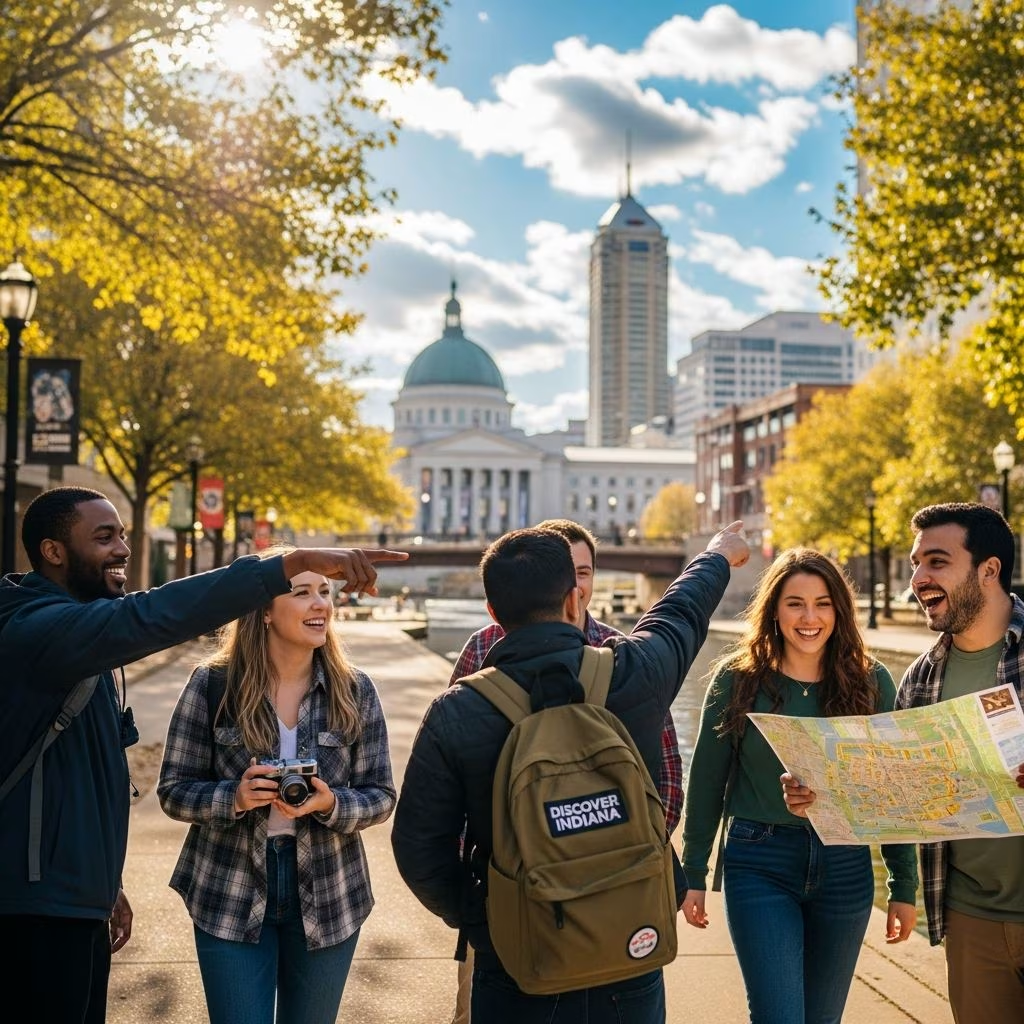
The Canal Walk represents one of Indianapolis’s most distinctive recreational features, consisting of a 3-mile pedestrian pathway that winds through the downtown core. This urban waterway corridor connects numerous attractions including White River State Park, the Indianapolis Zoo area, and the NCAA Hall of Champions. The pathway accommodates walkers, joggers, and cyclists throughout the day, while evening visits reveal an entirely different character as ambient lighting reflects off the water’s surface, creating atmospheric photo opportunities.
Along the Canal Walk, visitors encounter various public art installations that enhance the visual landscape. Notable pieces include “The Tent,” a distinctive sculpture featuring stacked, brightly-colored ceramic tiles that sway gently in the breeze, transforming throughout the day as light angles shift. These artworks demonstrate how municipalities can integrate cultural expression into utilitarian spaces, making even routine walks into opportunities for aesthetic appreciation.
The Monon Trail, stretching 26 miles through Indianapolis and surrounding communities, provides an exceptional resource for cyclists, runners, and walkers. This multi-use pathway connects diverse neighborhoods and passes through various parks, offering both recreational value and practical transportation infrastructure. The trail’s length allows users to customize their experience based on available time and fitness levels.
Indianapolis’s commitment to public art extends beyond traditional museum settings into community spaces and outdoor environments. The Indianapolis Art Center operates as a comprehensive cultural facility featuring gallery spaces, a library, and a nine-and-a-half acre open-air garden known as ARTSPARK. This entire campus maintains free admission seven days weekly, making it consistently accessible to the public.
ARTSPARK particularly appeals to visitors seeking interactive experiences and contemplative spaces. The garden landscape incorporates whimsical sculptures designed for exploration, including the popular “Twisted House,” a sculptural installation that creates fantastical visual experiences through its unconventional proportions and architectural forms. Visitors frequently describe the sensation of stepping into imaginative realms when encountering this distinctive artwork.
The Virginia B. Fairbanks Art & Nature Park, situated on the Newfields campus, spans 100 acres combining natural landscape with contemporary outdoor sculpture. This hybrid space demonstrates how art institutions can extend their reach beyond traditional gallery walls into public environments. The installation “Funky Bones” presents a particularly striking presence within the landscape, offering both visual intrigue and opportunities for interactive engagement.
Monument Circle anchors downtown Indianapolis with a daily evening light show that transforms the city’s central intersection into an illuminated spectacle. The monument itself commemorates the Civil War and stands as an architectural centerpiece, while the surrounding plaza hosts various community activities and seasonal celebrations. The light show’s nightly performances provide accessible entertainment requiring no admission fee.
The Stutz Building offers visitors an opportunity to explore automotive history within a beautifully restored historic structure originally constructed as a car factory. Inside this landmark building, classic vehicles are typically on display, including examples like the 1914 Stutz Bearcat and vintage Ferraris. This museum-quality experience within a distinctive architectural space provides cultural enrichment at no cost.
Crown Hill Cemetery merits attention not merely as a burial ground but as a significant historical site and landscape destination. This expansive cemetery contains the tomb of James Whitcomb Riley, an important figure in American literature, and numerous monuments representing various periods of Indianapolis history. The elevated terrain provides city views, and the grounds offer peaceful environments for reflection and exploration.
The Indianapolis Artsgarden, a suspended architectural structure positioned above downtown streets, functions as a major cultural venue hosting nearly 300 free performances annually. This striking glass building featuring high vaulted ceilings and panoramic city views provides an exceptional setting for live music, dance performances, spoken word events, and art exhibitions. The venue’s unique architectural character enhances audience experiences, and its downtown location facilitates easy access to surrounding attractions and dining establishments.
Art & Soul Sundays presents a weekly tradition featuring legendary Black musicians performing within the Artsgarden for one-hour sessions, providing access to accomplished performers in an intimate yet grand setting. These performances contribute to the city’s cultural vitality and demonstrate how cultural institutions can honor artistic traditions while remaining accessible to broad audiences.
First Fridays celebrations throughout the city showcase visual arts and live performances, with multiple venues participating in this monthly initiative. The Murphy Art Center in Fountain Square hosts up-and-coming musical acts alongside new visual art installations that change monthly. The Harrison Center in the historic Old Northside neighborhood features rotating thematic exhibitions showcasing local artists working across diverse mediums.
Morris Bicentennial Plaza, situated adjacent to the Gainbridge Fieldhouse, functions as an animated community hub featuring interactive sculptures, outdoor seating areas, and recreational facilities including a full-size basketball court. This plaza, supported by the Lilly Endowment, hosts community events and activities throughout the year, establishing itself as a vibrant social nexus.
Midtown Plaza in Carmel provides an alternative gathering space combining recreation with entertainment. This interactive plaza offers amenities including ping-pong tables, billiards, bocce ball courts, cornhole boards, and seasonal outdoor movies. The plaza’s design emphasizes public accessibility, with free admission to all amenities, making it particularly attractive to families and social groups.
Broad Ripple Village represents a distinctive neighborhood character combining art galleries, locally-owned businesses, dining establishments, and cultural programming. The area hosts free events year-round including summer concerts at Opti Park, the Broad Ripple Art Walk, and outdoor movie screenings. Beyond organized events, the neighborhood itself rewards exploration through boutique shops featuring locally-made gifts and home décor items, vintage record stores, and distinctive architectural features reflecting the area’s creative identity.
Fountain Square and the Old Northside neighborhoods similarly offer walkable environments encouraging pedestrian exploration and casual discovery. These areas showcase local entrepreneurship, public art installations, and cultural institutions that create distinctive neighborhood identities.
The Marian University EcoLab provides accessible opportunities for understanding regional ecosystems through trail exploration and wetland observation. Adventure backpacks available for borrowing enhance exploratory experiences by providing interpretation materials and activity suggestions. Similarly, various nature centers throughout the metropolitan area offer drop-in discovery programs and educational workshops addressing environmental themes and natural history topics.
The Zionsville Nature Center hosts drop-in discovery programs that evolve monthly, ensuring repeat visitors encounter new content and learning opportunities. These programs introduce participants to Indiana’s native flora and fauna while fostering environmental stewardship and ecological awareness.
Indianapolis maintains numerous public recreational facilities that accommodate various activity preferences without requiring membership fees or participation costs. Public pickleball courts scattered throughout the city enable access to this increasingly popular sport, while basketball courts, open field spaces, and trail systems support diverse athletic pursuits.
The city’s playground infrastructure, repeatedly recognized for quality and innovative design, provides opportunities for children’s physical activity and family recreation. Indoor community centers, libraries with recreational programs, and parks with comprehensive facilities establish Indianapolis as exceptionally well-resourced for cost-conscious recreation.
Throughout the calendar year, Indianapolis hosts numerous free community celebrations and events. Summer movie nights, outdoor concert series, seasonal festivals, and neighborhood celebrations create opportunities for social connection and entertainment. Community centers, parks departments, and cultural organizations coordinate extensive programming that remains accessible to all residents and visitors regardless of financial circumstances.
Visitors planning zero-cost exploration should consider seasonal timing, with summer months offering expanded outdoor programming and favorable weather conditions. Downtown attractions remain accessible year-round, while specific venues may have seasonal programming variations worth researching before visits.
Combining multiple attractions in single outings maximizes efficiency and encourages comprehensive neighborhood exploration. A downtown day might incorporate Canal Walk strolls, Monument Circle evening light shows, Artsgarden performances, and surrounding neighborhood discoveries. Similarly, suburban excursions can integrate multiple parks, nature centers, and community spaces into cohesive itineraries.
