

 Travel Essentials
 Travel Essentials

Discover the best no-cost and low-cost activities across Nova Scotia, from coastal hikes to art festivals and historic lighthouses.
 Travel Essentials
Nova Scotia, a Canadian maritime province renowned for its rugged coastlines, vibrant communities, and rich cultural heritage, offers travelers an exceptional opportunity to experience world-class attractions without depleting their vacation budget. With over 13,000 kilometers of coastline and countless outdoor spaces, the province has positioned itself as an ideal destination for those seeking authentic experiences at minimal cost. Whether you’re an adventure enthusiast, art lover, or nature photographer, Nova Scotia provides an extensive array of complimentary activities that showcase the region’s distinctive character and natural splendor.
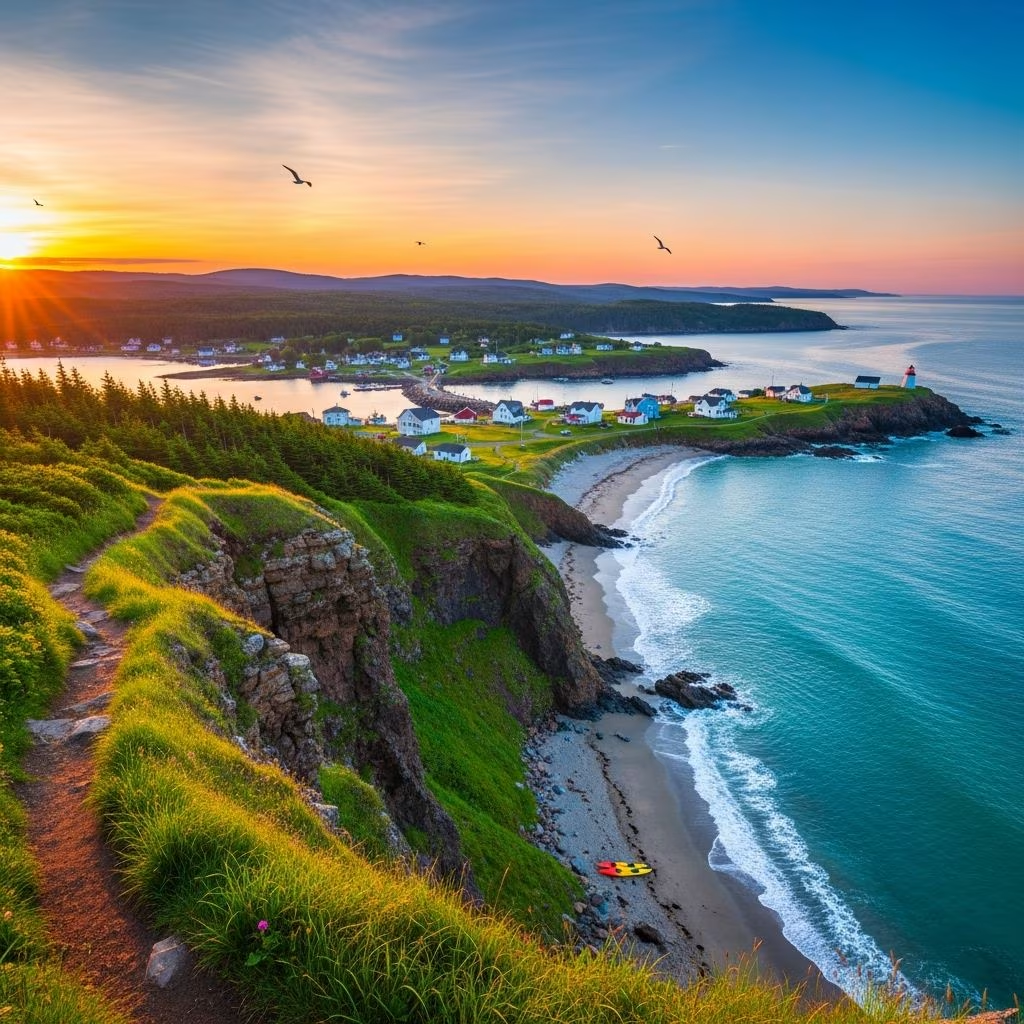
The province’s maritime identity is perhaps most vividly expressed through its iconic lighthouses and dramatic coastal formations. These structures serve not only as navigational aids but as cultural symbols that draw visitors from around the globe. Exploring these landmarks requires no admission fee, making them accessible to all travelers regardless of budget constraints.
The most celebrated coastal attraction is the historic lighthouse situated near Peggy’s Cove, a quaint fishing village perched on the south shore within easy driving distance of Halifax. Visitors can wander freely across enormous granite boulders, experience the invigorating maritime breeze, and browse the attached restaurant’s gift merchandise without any purchase obligation. Adjacent to this main attraction stands an artist’s memorial sculpture and gallery space, with optional paid admission for those interested in viewing interior exhibitions. The surrounding geography features additional hiking pathways, including trails accessible from nearby Polly’s Cove, offering extended exploration opportunities for those with time to spare.
For those seeking alternative lighthouse experiences, the region boasts numerous additional examples scattered throughout the province. The structure at Fort Point, situated near Liverpool, represents one of Canada’s oldest surviving examples of this maritime architecture. A distinctive feature allows visitors to operate an antique hand-cranked foghorn mechanism located on the second floor, providing a memorable interactive experience at no charge. Adjacent to this location, Queen’s County beaches and Thomas Raddall Provincial Park provide complementary day-use recreation areas.
Additional lighthouse locations worthy of exploration include Walton Lighthouse, accessible during standard operating hours, and Medway Head Lighthouse, which offers panoramic vistas of Port Medway’s picturesque harbor. Sandy Point Lighthouse in Shelburne occupies a distinctive position overlooking a family-oriented beach that emerges exclusively during low-tide periods, creating a naturally variable landscape that shifts with oceanic rhythms.
One of Earth’s most dramatic natural occurrences happens along Nova Scotia’s Bay of Fundy coastline, where tidal fluctuations represent some of the planet’s most extreme. Burntcoat Head Park provides visitor access to this geological marvel without requiring advance reservations or financial contributions. The bay experiences vertical water-level changes approaching 50 feet twice daily, a phenomenon that creates unique opportunities for ground-level observation of seabed environments normally submerged beneath substantial water depth.
Budget-conscious travelers can pack personal meals and enjoy dining experiences while observing the dramatic tidal mechanics unfold. As ocean waters gradually retreat, revealing expansive mudflat territories, visitors witness the transformation of the seascape in real-time. This natural spectacle requires only appropriate footwear—rubber boots provide optimal protection against muddy conditions—and consultation of tide schedule information to ensure safe access timing.
In western Nova Scotia, the Joggins Fossil Cliffs present another geological attraction of international significance. These formations, representing sedimentary deposits from 300 million years in the past, yield observable fossil specimens distributed across accessible beach zones. While beach visitation remains complimentary, visitors should note that fossil collection is prohibited; however, observation and photography of these ancient remnants provides substantial educational and recreational value without cost.
Nova Scotia’s capital city, Halifax, concentrates numerous recreational opportunities within its municipal boundaries. The Victorian-era Halifax Public Gardens, enclosed within protective fencing and situated in the downtown district, furnish pedestrians with peaceful natural environments featuring manicured landscapes and historical planting schemes. This centralized sanctuary offers respite from urban activity while remaining accessible to foot traffic without admission barriers.
Beyond the gardens, Point Pleasant Park attracts joggers and casual strollers across its extensive network of pathways. This venue gains further significance from its position overlooking water features and incorporation of historical fortification structures. The park’s combination of recreational infrastructure and historical context creates layered experiences for diverse visitor interests.
The Northwest Arm waterway, positioned as an alternative to the more heavily trafficked Halifax Harbour, encompasses several notable destinations. York Redoubt Historic Site preserves military heritage structures, while Sir Sanford Fleming Park and the Dingle Tower provide elevated vantage points for landscape observation. Frog Pond completes this circuit of complimentary venues, each contributing distinct environmental and recreational characteristics.
Africville Park and Historic Site, located in Halifax’s northern neighborhoods, combines outdoor recreational space with interpretive installations documenting regional history. The venue’s sunset vistas across Bedford Basin provide photographic opportunities and contemplative spaces for reflection on the province’s cultural narratives.
Nova Scotia’s reputation for outdoor recreation extends significantly into its extensive trail infrastructure. The province maintains diverse pathway networks accommodating varying skill levels and time commitments. Waterfall-focused expeditions appeal to those seeking concentrated natural features, with multiple cascades distributed across provincial geography.
Uisge Ban Falls Provincial Park, accessible from Baddeck, features a four-kilometer pathway terminating at a 16-meter vertical waterfall. The park’s name derives from Gaelic linguistic traditions, reflecting the region’s cultural heterogeneity. Victoria Park near Truro encompasses 3,000 acres containing dual waterfall features alongside abundant wildlife viewing opportunities, particularly deer populations. The park’s infrastructure includes constructed stairway systems facilitating access to elevation changes throughout its expanse.
Additional waterfall destinations include Baxter’s Harbour Falls, Delaps Cove Waterfall, Hells Gate Falls, Wentworth Valley Falls, Annandale Falls, and Egypt Falls, each offering distinct characteristics and accessibility features. The Salt Marsh Trail in Cole Harbour and Harvest Moon Trail in Kentville represent further hiking alternatives for those exploring the province’s diverse terrain.
The Cabot Trail in Cape Breton comprises an interconnected collection of pathways, with certain sections traversing the boundaries of Highlands National Park while others remain independent. This trail network consistently receives acclaim for visual spectaculars and environmental diversity, though some portions may require park entrance fees depending on specific route selection.
Nova Scotia’s creative communities actively generate cultural programming that welcomes public participation at minimal or no expense. The Peggy’s Cove Area Festival of the Arts, typically occurring during July months, organizes a self-guided exploration of artist studios distributed across 40 geographic locations throughout St. Margaret’s Bay vicinity. This festival format permits comprehensive cultural engagement without ticket purchases, enabling direct access to creative practitioners’ workspaces and artistic processes.
Lunenburg, a coastal municipality, concentrates approximately 10% of its commercial enterprises around artistic activities, establishing a significant cultural district within its compact geography. The municipality hosts numerous galleries, pottery workshops, and boutique retail establishments selling artisan products. The Lunenburg Arts Festival brings together creative professionals, craft vendors, and performing artists, creating multifaceted cultural experiences that welcome attendance regardless of purchase intentions. Window-shopping and informal browsing of artist work provides substantial cultural exposure without financial obligation.
Halifax provides complimentary museum access through scheduled programming arrangements. The Art Gallery of Nova Scotia extends free admission privileges every Thursday, enabled through institutional partnerships with financial institutions. This scheduled access model permits regular visitors and opportunistic tourists alike to engage with visual art collections at strategic intervals throughout the week.
Blue Rocks, situated within Lunenburg Municipal District, exemplifies the picturesque village aesthetic that characterizes Nova Scotia’s smaller settlements. Positioned approximately six minutes’ driving distance from Lunenburg proper, this former fishing village retains authentic maritime character through its preservation of traditional architecture and natural harbor geography. The distinctive blue slate geological formations creating the location’s namesake provide photographic subjects and geological interest without requiring formal admission arrangements.
Eastern Passage waterfront district features brightly painted commercial establishments along pedestrian boardwalk infrastructure, creating visually compelling environments suitable for photography and casual exploration. The adjacent Fisherman’s Cove Heritage Centre provides local information services and maintains modest art exhibition spaces. McCormacks Beach Provincial Park, positioned at the boardwalk’s terminus, permits walking, bird observation, and recreational fishing for mackerel. Notably, tidal water conditions eliminate licensing requirements for angling activities in these specific locations.
Nova Scotia’s extensive coastline encompasses diverse beach environments accommodating varied preferences and recreational interests. Carter’s Beach in Port Mouton has gained recognition for exceptional sand quality and water clarity, featuring characteristics more typically associated with tropical destinations despite its northern geographic position. The combination of white sand and transparent water conditions creates visual experiences that reward photographic documentation.
Beach accessibility varies according to tidal schedules, seasonal conditions, and specific geographic characteristics. Sandy Point Lighthouse’s associated beach exemplifies this variability, emerging as explorable territory exclusively during low-tide periods. This temporal dimension adds unpredictability to beach experiences, creating dynamic landscapes that transform according to oceanic cycles.
Halifax’s Emera Oval provides complimentary admission to recreational facilities accommodating both seasonal activities and year-round programming. The venue offers complimentary equipment rentals including ice skates, roller skates, and protective helmets across winter and summer operational periods. Periodic special events including musical performances and community activities further enhance the facility’s recreational value for budget-conscious visitors.
| Activity Type | Primary Locations | Best Season | Time Required |
|---|---|---|---|
| Lighthouse Exploration | Peggy’s Cove, Fort Point, Walton, Sandy Point | Spring-Fall | 2-4 hours |
| Waterfall Hiking | Uisge Ban, Victoria Park, multiple others | Summer-Early Fall | 1-3 hours |
| Beach Activities | Carter’s, Sandy Point, McCormacks | Summer | 2-4 hours |
| Urban Parks | Halifax Public Gardens, Point Pleasant | Year-round | 1-2 hours |
| Art Festivals | Peggy’s Cove Area (July), Lunenburg | Seasonal | 4-6 hours |
| Tidal Observation | Burntcoat Head Park | Year-round (tide-dependent) | 2-4 hours |
Summer months (June through September) provide ideal conditions for hiking, beach exploration, and coastal activities, with favorable weather and maximum daylight hours. However, spring and fall offer smaller crowds and equally compelling visual experiences. Winter visits require adjusted expectations but remain viable for waterfront exploration and urban park visitation.
Yes, Burntcoat Head Park permits unrestricted access for tidal observation. Visitors may observe the bay’s dramatic water-level fluctuations, walk on exposed seabed areas during low-tide periods, and enjoy personal meals or packed provisions. Only specialized dining events incur charges; casual visitation remains completely complimentary with appropriate footwear and tide schedule consultation.
Absolutely. Many featured attractions involve outdoor exploration, photography, and informal observation requiring no entrance fees. Museums offering periodic free-access programming (such as Thursday gallery visits) provide alternatives to paid admission. Artists’ festival self-guided tours enable direct creative engagement without commercial transactions.
Rubber boots protect against muddy conditions during low-tide exposure. Tide schedule consultation prevents timing miscalculations that could trap visitors during rising water conditions. Local information services provide current schedule data and safety recommendations specific to particular locations.
Trail diversity accommodates multiple ability levels. Shorter urban park walks require minimal exertion, while longer waterfall trails demand sustained physical effort. Individual trail descriptions and distance information enable appropriate selection based on visitor capabilities and time availability.
