

 Travel Essentials
 Travel Essentials

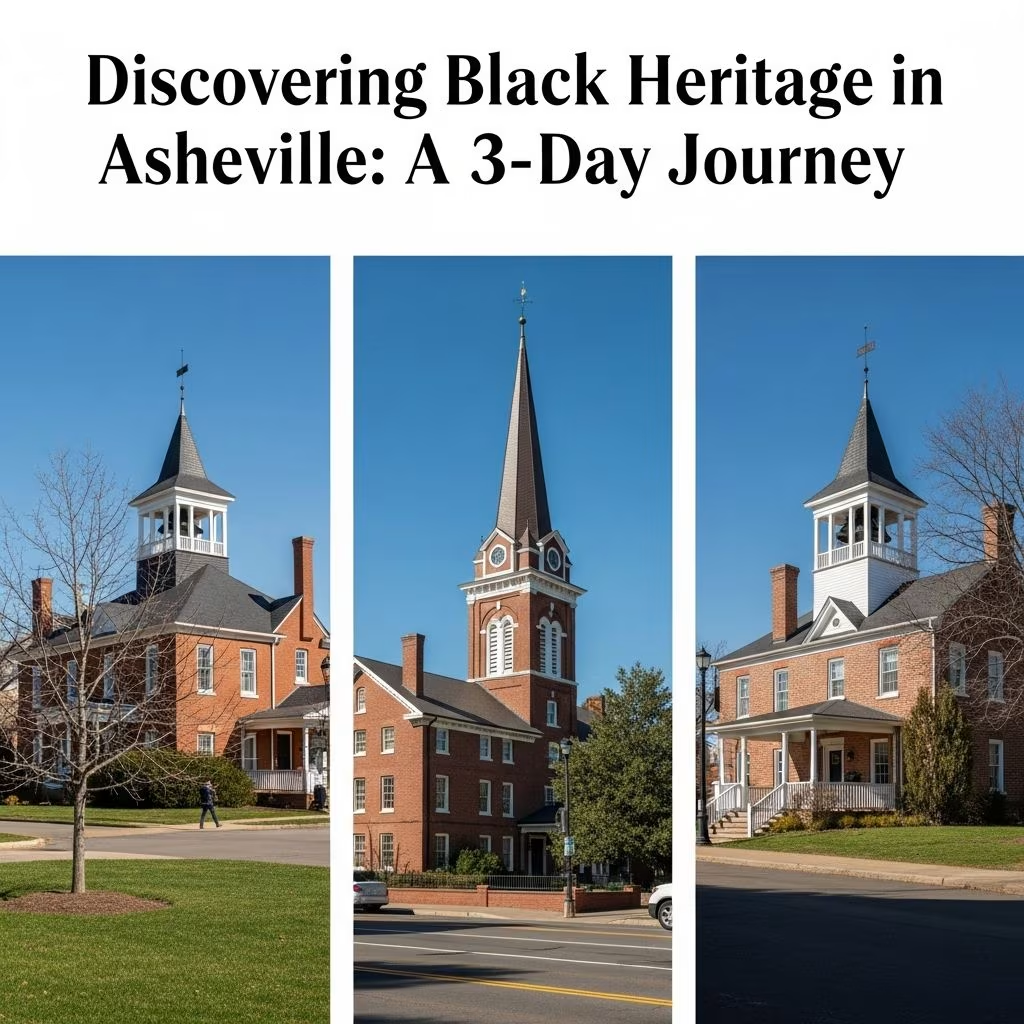
Experience Asheville's rich Black cultural legacy with a curated 3-day itinerary featuring heritage trails, Black-owned businesses, guided tours, and soulful dining for an authentic exploration.
 Travel Essentials
Asheville, nestled in the Blue Ridge Mountains, boasts a dynamic Black history that has shaped its identity for over 160 years. Black residents have driven economic growth, cultural innovation, and community resilience, often against significant odds. This three-day itinerary invites travelers to engage deeply with that legacy through self-guided walks, intimate tours, artistic showcases, and flavorful culinary experiences at Black-owned establishments.
The city’s Black community has left indelible marks on its arts, commerce, and social fabric. From pioneering medical facilities to vibrant business districts, their contributions were nearly erased by mid-20th-century urban renewal policies that displaced thousands. Today, initiatives like the Black Cultural Heritage Trail and organizations such as Hood Huggers International are revitalizing these narratives, offering visitors a chance to honor unsung heroes and luminaries alike.
Key figures include Dr. John Wakefield Walker, America’s first Black pulmonologist who established a tuberculosis clinic in 1915, capitalizing on Asheville’s fresh mountain air, and William R. “Seabron” Saxon, who challenged bus segregation four years before Rosa Parks. These stories of dignity and defiance underscore the trail’s focus on resilience.
Begin your journey in Asheville’s downtown core, where the echoes of Black innovation resonate strongest. Start with a leisurely exploration of the Black Cultural Heritage Trail, a one-mile self-guided path spanning Downtown, Southside, and the River Arts District. Featuring 14 stops and 20 interpretive panels, it highlights Black churches, educational institutions that nurtured Civil Rights leaders, and the first sanatorium for Black tuberculosis patients.
Scan QR codes at each marker for audio narrations, music, and videos that animate these histories.
Afternoon brings you to the YMI Cultural Center in The Block, one of America’s oldest Black community centers, designed by Biltmore architect Richard Sharp Smith. Founded as the Young Men’s Institute, it now hosts the Kuumba Artist in Residence program, featuring Affrilachian and Black Highlander artists. Browse rotating exhibits, purchase handmade works, and absorb the center’s role in fostering creativity—note its grand reopening post-renovations.
Cap Day 1 with self-care at Asheville Pro Lash, where a mother-daughter team offers facials and lash services in a welcoming atmosphere. Refreshed, savor dinner at a soulful spot emphasizing Gullah Geechee influences, like dishes blending Southern and Caribbean flavors.
Dive deeper with Hood Huggers International Tours, led by DeWayne Barton, a poet and visionary committed to storytelling. Choose from walking tours of Burton Street—one of Asheville’s oldest Black neighborhoods founded by E.W. Pearson—or driving excursions covering Shiloh, East End/Valley Street, and Southside. These intimate experiences reveal architecture, community centers like Stephens-Lee, and hidden gems of African American ingenuity.
| Tour Type | Highlights | Duration |
|---|---|---|
| Walking: Eagle Street & The Block | YMI Center, artisan shops, historic architecture | 2-3 hours |
| Walking: Burton Street | Oldest Black neighborhood, community stories | 2 hours |
| Driving Tour | Multiple neighborhoods, broader history | 3-4 hours |
Post-tour, shop at Noir Collective AVL for apparel and accessories by Black creators, or LEAF Global Arts for global multicultural art. These venues support the ongoing revival of The Block.
Evening dining transports you to Benne on Eagle in The Block, themed around the Adinkra symbol Sankofa—”go back and get it.” The menu fuses soul food and Caribbean elements: think Jamaican Bun and Cheese, Lamb Dibi, or Fried Green Tomatoes, prepared by descendants of 1960s-70s Block business owners. The ambiance, art, and family-staffed kitchen evoke ancestral pride.
Morning fuels up at a Black-owned cafe offering hearty Southern breakfasts. Then, venture to West Asheville’s Different Wrld, an underground arts collective and performance venue pulsing with live events and creative energy.
Indulge in a hands-on experience at Healed Skin and Candle Co., crafting custom candles that double as skincare products—a nod to innovative Black entrepreneurship.
Afternoon relaxation at The Foundry Hotel in The Block, originally a brick factory for the Biltmore Estate. Enjoy its modern luxury and catch free Live Jazz Night on Saturdays, immersing in musical heritage.
Conclude with dinner at Chai Pani, a James Beard-recognized gem (Outstanding Restaurant 2022) serving Indian street food with bold, shareable plates—perfect for reflecting on your trip’s flavors and stories.
A self-guided 1-mile trail with 14 stops across three neighborhoods, featuring panels and QR codes for digital stories of Black Asheville.
DeWayne Barton, offering personalized walks and drives into Black neighborhoods and history.
Yes, it features art exhibits and residencies; confirm hours, especially around its 2024 reopening.
Spots like Benne on Eagle and Chai Pani highlight soulful, fusion cuisines in historic settings.
It demolished half the Black housing stock in the mid-20th century, but trails now reclaim those narratives.
For longer visits, join LEAF Festival events, explore Shiloh’s community vibes, or hike nearby trails with cultural overlays. Asheville’s Black heritage continues evolving through new ventures by artists, chefs, and entrepreneurs.
