

 Travel Essentials
 Travel Essentials

A comprehensive guide to experiencing Asheville's rich African American heritage through historic trails, local entrepreneurs, and authentic cultural destinations.
 Travel Essentials
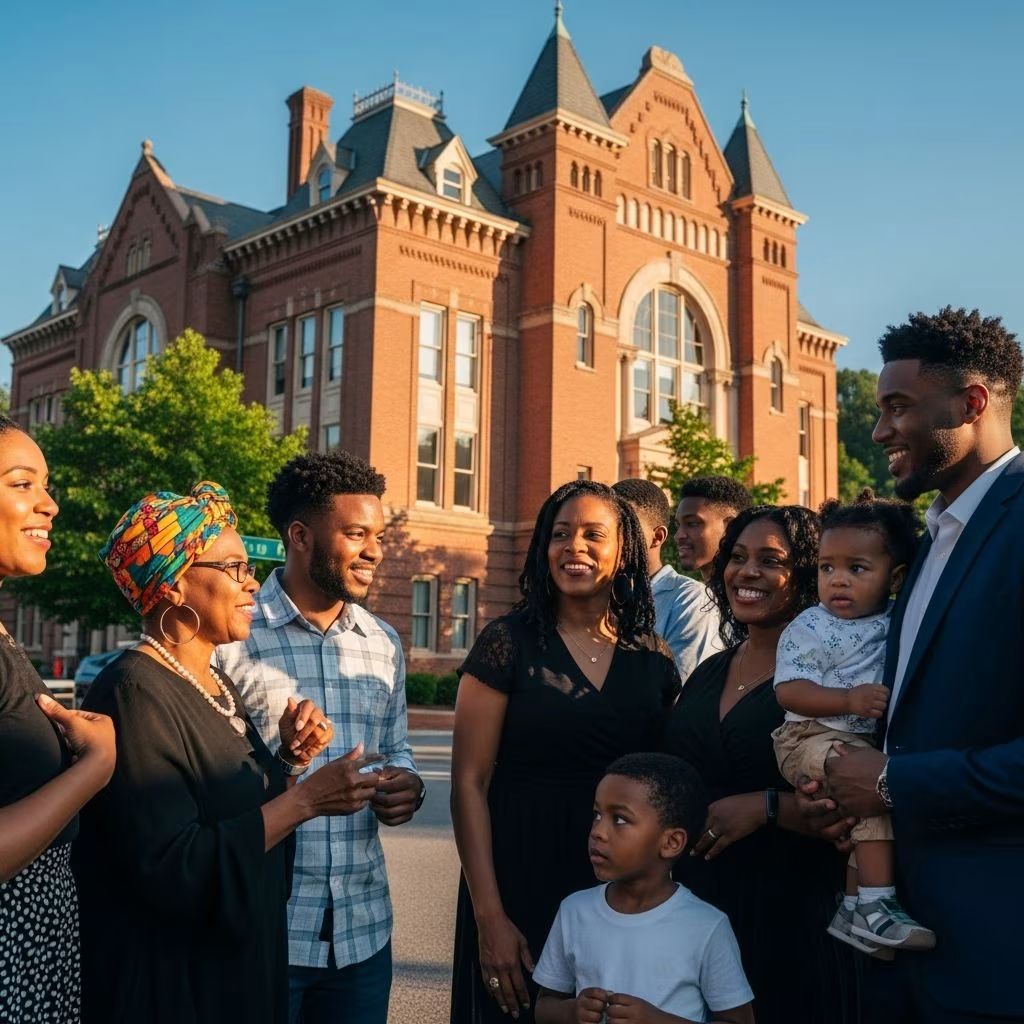
Asheville, North Carolina, stands as a beacon of African American cultural richness and entrepreneurial spirit. For generations, Black residents have shaped the city’s identity, contributing significantly to its economic development and cultural landscape. Yet many of these vital contributions have remained underrecognized and at risk of being forgotten. In recent years, dedicated community efforts have worked to preserve and celebrate this important history, creating meaningful opportunities for both visitors and locals to engage with Asheville’s Black heritage in authentic and impactful ways.
This three-day itinerary guides you through the heart of Asheville’s African American community, connecting you with historic landmarks, vibrant entrepreneurs, and the stories of resilience that define this remarkable city.
Before embarking on this cultural journey, it helps to understand the historical foundation. Asheville’s Black community has navigated both tremendous achievement and significant adversity. Throughout the early to mid-twentieth century, Black entrepreneurs established thriving businesses, cultural institutions, and neighborhoods that became centers of innovation and creativity. However, urban renewal policies of the mid-twentieth century devastated many of these communities, displacing residents and demolishing homes. Despite these challenges, Asheville’s African American population persevered, and today the city is experiencing a renaissance of Black-owned enterprises and cultural reclamation.
Your first day begins with the Black Cultural Heritage Trail, a one-mile pathway that traverses three historically significant neighborhoods: Downtown, Southside, and the River Area. This trail represents a collaborative effort by residents of the historic East End and Valley Street communities to preserve and share their neighborhood’s story. The trail features fourteen stops and twenty informational panels that illuminate the experiences, struggles, and triumphs of Asheville’s African American residents.
As you walk the trail, strategically placed markers provide context about multiple dimensions of Black Asheville’s history. You’ll encounter information about historic Black churches that served as spiritual and social anchors for the community. The trail also documents the medical professionals and facilities that served Black patients, particularly the tuberculosis sanatorium that operated during the era when Asheville’s mountain air attracted patients seeking health remedies. Educational institutions featured on the trail educated many leaders who later became instrumental in the Civil Rights movement.
One particularly notable figure highlighted on the trail is William R. “Seabron” Saxon, an often-overlooked hero who refused to give up his bus seat four years before Rosa Parks’s iconic act of resistance. The trail also celebrates Nina Simone, the legendary musician and activist who attended boarding school in Asheville during her formative years.
Following your trail exploration, transition into Asheville’s contemporary Black cultural scene with lunch at Good Hot Fish. This restaurant, helmed by James Beard Award finalist Ashleigh Shanti, specializes in Black Appalachian cuisine, often called “Affrilachian” cuisine. The menu reflects the unique intersection of African American and Appalachian food traditions, featuring creative dishes such as sweet potato cabbage pancakes, trout bologna and cheese, and battered fried fish nuggets. Dining here provides not merely sustenance but an educational experience in how cultural identities blend and create something entirely unique.
After your meal, spend your afternoon at the YMI Cultural Center, located in the historic Black business district known as “The Block.” The YMI (formerly the Young Men’s Institute) ranks among the oldest Black cultural centers in the United States. This venue showcases contemporary Black artists through its Kuumba Artist in Residence program, which brings six different Affrilachian and Black Highlander artists annually to display and sell their work. Wandering through the galleries provides direct support to these artists while offering you exposure to diverse artistic perspectives and creative expressions rooted in Asheville’s community.
Day two focuses on supporting Black-owned businesses that continue building Asheville’s economic vitality. Begin by exploring Noir Collective AVL, a boutique vendor space dedicated to Black artists and creators. This establishment serves as both a retail destination and a statement about supporting Black entrepreneurship in Asheville. The carefully curated merchandise reflects the diverse talents of local creators, from jewelry designers to visual artists.
As you shop through the afternoon, consider visiting complementary Black-owned businesses throughout The Block and surrounding downtown areas. These enterprises span multiple industries and service categories, reflecting the multifaceted nature of Asheville’s Black business community. From specialty retail to service providers, each business represents individual entrepreneurial vision and community investment.
Pamper yourself at Asheville Pro Lash, operated by the mother-daughter duo Trina Gragg-Jackson and Kahlani C. Jackson. This establishment offers a range of self-care services designed to rejuvenate you before your evening activities. Luxurious facials and other skincare treatments ensure you’re refreshed and glowing for the evening ahead. This stop demonstrates how Black entrepreneurs in Asheville have established sophisticated service businesses that meet contemporary wellness needs.
Conclude day two with dinner at Chai Pani, a restaurant recognized as “Outstanding Restaurant” by the James Beard Foundation in 2022. This accolade reflects the caliber of culinary excellence present in Asheville’s dining scene. The restaurant offers an opportunity to experience world-class cuisine while supporting Black culinary professionals who have earned national recognition for their work.
Your final day features Hood Huggers International Tours, founded by Asheville local DeWayne Barton, an artist and poet whose visionary approach brings Asheville’s African American history to life. Barton leads intimate, interactive tours that provide contextual understanding impossible to achieve through solitary exploration. His company offers multiple tour formats to suit different preferences and physical abilities.
For those preferring to walk, the Burton Street walking tour explores one of Asheville’s oldest Black neighborhoods. Founded in 1912 by E.W. Pearson, Burton Street holds tremendous historical significance. Walking through this neighborhood with Barton’s guidance allows you to literally walk in the footsteps of generations of African Americans who built community and created culture in this space.
Alternatively, the driving tour covers more geographic territory, encompassing multiple communities including Shiloh, East End/Valley Street, and Southside. This option works well for visitors with limited mobility or those wanting a broader geographic overview. Regardless of which tour format you select, Barton’s presentation style transforms historical facts into personal, relational narratives that resonate emotionally and intellectually.
The Block deserves special attention as it represents both Asheville’s African American heritage and its contemporary renaissance. During the early twentieth century, The Block served as the thriving center of Black innovation and economic activity. Legendary musicians including Louis Armstrong performed in venues throughout this district during the 1950s. Black businesses flourished, creating a self-sufficient economic ecosystem.
Urban renewal policies of the mid-twentieth century devastated The Block, demolishing homes and displacing businesses and families. However, in recent decades, The Block has experienced a remarkable revival. New Black-owned businesses have established themselves in these historic locations, some intentionally connecting their operations to The Block’s entrepreneurial legacy. This contemporary renaissance demonstrates both the resilience of Asheville’s African American community and the ongoing commitment to reclaiming and reimagining historically significant spaces.
One distinctive aspect of Asheville’s cultural experience involves engaging with Affrilachian cuisine and culture. This term describes the intersection of African American and Appalachian cultural identities, particularly relevant in mountain regions of the Southeast. Rather than viewing these identities as separate or competing, Affrilachian frameworks recognize and celebrate their synthesis.
Restaurants like Good Hot Fish exemplify this fusion through menu offerings that blend traditional Appalachian ingredients and cooking techniques with African American culinary traditions. Understanding Affrilachian identity enriches your engagement with Asheville’s cultural landscape and demonstrates how cultural identities are complex, multifaceted, and continually evolving.
Asheville welcomes visitors year-round, though different seasons offer varying experiences. Summer months attract outdoor enthusiasts with hiking, biking, and swimming opportunities, alongside numerous festivals and outdoor events. Fall features stunning foliage and comfortable temperatures. Spring offers pleasant weather and blooming natural landscapes. Winter is quieter and less crowded, appealing to those seeking more intimate experiences.
The Black Cultural Heritage Trail is accessible to walkers of varying abilities, though it involves outdoor terrain. Hood Huggers International offers both walking and driving tours to accommodate different accessibility needs. Most restaurants and cultural centers are located in downtown Asheville, making the itinerary relatively compact and navigable.
This itinerary includes dining, cultural experiences, and tours, which represent investments in Black-owned businesses and cultural preservation. Prices vary by specific venue and service selection. Many cultural institutions offer suggested donation options, allowing flexible participation regardless of budget constraints.
Yes, many components are family-friendly. The heritage trail is accessible to families with children of various ages. Tours with Hood Huggers can be customized to accommodate family groups. However, some restaurants may be better suited for adult-oriented experiences, and you may want to research specific venues regarding age-appropriateness and amenities.
Asheville’s dining scene generally accommodates various dietary needs. Contact restaurants in advance to discuss specific requirements. The restaurants featured have sophisticated culinary programs and typically work with diners to accommodate dietary preferences and restrictions.
Costs vary depending on your specific choices. The heritage trail features free or low-cost exploration. Restaurant prices range from moderate to upscale. Tours and cultural experiences vary in price. Consider budgeting for all components to plan accordingly, though the itinerary can be adjusted to different budget levels.
Reservations are recommended for restaurants and tours, particularly during peak seasons. Booking ahead ensures availability and allows you to plan your itinerary with certainty. Many venues offer online booking systems or can be reached by phone.
This three-day journey through Asheville’s African American heritage transcends typical tourism. Rather than passive observation, you actively support Black entrepreneurs, engage with living cultural practitioners, and participate in the ongoing work of historical preservation and community celebration. Your presence and participation validate the importance of this history and contribute directly to the economic vitality of Black-owned businesses and cultural institutions.
Asheville’s African American community has navigated historical challenges with creativity, resilience, and vision. By engaging authentically with this heritage across three transformative days, you honor that legacy while supporting contemporary expressions of Black culture, entrepreneurship, and artistic excellence.
