

 Travel Essentials
 Travel Essentials

A comprehensive guide to experiencing the best of the Catskills and Hudson Valley over a long weekend, featuring outdoor adventures, local dining, shopping, and cultural attractions.
 Travel Essentials
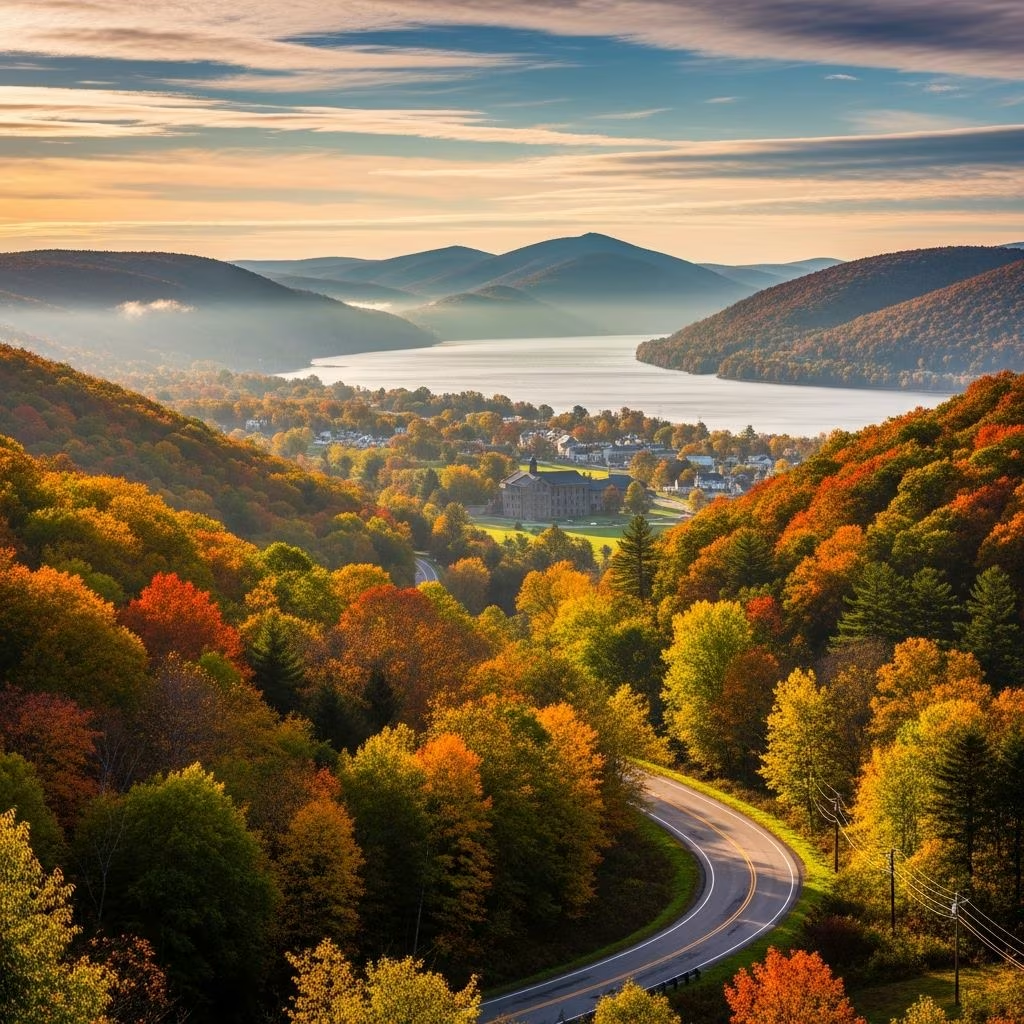
The Catskills and Hudson Valley region offers visitors an exceptional blend of natural beauty, vibrant communities, and culinary excellence. Whether you’re seeking outdoor adventures, artistic exploration, or simply a respite from urban life, this corner of upstate New York delivers memorable experiences across a compact geographic area. A three-day weekend provides the perfect timeframe to explore multiple villages, sample local cuisine, and engage with the region’s distinctive character.
The Catskills mountain range and adjacent Hudson Valley have become increasingly popular destinations for travelers seeking authentic experiences beyond typical tourist attractions. The region’s charm derives from its combination of natural landscapes, preserved historic architecture, thriving arts communities, and farm-to-table dining establishments. Small towns throughout the area maintain their independent character while offering sophisticated amenities that appeal to contemporary visitors.
The region’s history as a haven for Hudson River School artists continues to influence its cultural identity. Many locations that inspired 19th-century landscape paintings remain accessible to modern travelers, allowing visitors to connect with both natural beauty and artistic heritage.
Begin your adventure by arriving at your accommodation during late morning hours. Whether you choose a boutique hotel, country inn, or specialized resort property, take time to familiarize yourself with the facilities and immediate surroundings. Many properties offer complimentary breakfast services or on-site coffee bars, providing an ideal way to start your journey. If your accommodation includes morning activities such as yoga classes or guided nature walks, consider participating to acclimate yourself to the mountain environment.
Unpack and prepare for the afternoon by changing into appropriate clothing for outdoor exploration or retail browsing. Request recommendations from hotel staff regarding nearby attractions and current conditions—local knowledge often reveals hidden gems not found in standard guidebooks.
The afternoon presents an opportunity to explore one of the region’s distinctive villages. Each settlement possesses its own character and attractions, allowing you to customize your experience based on personal interests.
For those prioritizing retail therapy and urban energy, a village visit offers abundant opportunities. Local Main Streets feature independent coffee establishments, bookstores that incorporate bar service, and restaurants showcasing regional cuisine. Vintage clothing boutiques, antique dealers, and specialty shops line walkable commercial districts where pedestrian exploration reveals constantly changing window displays and merchandise selections.
If shopping doesn’t captivate you, alternative afternoon pursuits include visiting art galleries, exploring historic sites, or sampling local beverages at craft cideries and wineries. The flexibility of a self-directed afternoon allows you to prioritize activities matching your travel style.
Return to your accommodation as daylight fades to enjoy the property’s amenities before dinner. Many visitors appreciate the transition time between outdoor exploration and evening activities, using this period to freshen up and prepare for dining.
Dinner reservations at established restaurants should ideally be arranged in advance, particularly during peak seasons. The region’s culinary scene emphasizes seasonal ingredients, locally-sourced proteins, and creative preparations that reflect both traditional and contemporary techniques.
Day two prioritizes outdoor exploration, requiring an early morning departure to maximize daylight hours. Consume breakfast—whether provided by your accommodation or sourced from local establishments—and gather necessary supplies including water, snacks, and weather-appropriate clothing.
Trail selection depends on fitness level, available time, and weather conditions. The region offers options ranging from gentle walking paths suitable for families to strenuous alpine routes challenging experienced hikers. Research trail conditions and difficulty ratings before departing to ensure your selection matches your capabilities and expectations.
Several distinctive trails provide different experiences depending on your preferences:
Wildlife inhabits hiking areas throughout the region, requiring awareness and appropriate precautions. Visitors should maintain distance from encountered animals and store food securely. During winter months or following precipitation events, trails may become icy or slippery. Footwear with enhanced traction significantly improves safety on challenging terrain. Always inform someone of your intended route and expected return time.
If hiking doesn’t appeal to you or weather prevents trail exploration, numerous alternative activities provide outdoor engagement. Depending on seasonal conditions and regional offerings, consider:
After physical exertion, your accommodation’s spa facilities, hot tub, or fire pit gathering areas provide excellent venues for recovery and relaxation. Many properties encourage guests to gather communally for evening activities, creating opportunities for social connection.
Dinner might feature casual fare from local pizzerias or more refined cuisine at established restaurants. Some visitors enjoy preparing evening meals on-site if their accommodations include cooking facilities, selecting ingredients from regional farmers markets or local specialty shops.
Your final morning begins with breakfast at your accommodation before checkout time. This unhurried meal provides an opportunity to reflect on previous experiences and plan your departure route.
If your schedule permits, morning activities might include yoga classes, nature walks, or visiting nearby destinations before initiating your return journey. Some travelers use this time to explore areas they missed on previous days or to revisit particularly appealing locations.
Rather than immediately departing the region, many travelers stop in additional villages during their return journey. This approach maximizes destination exposure and allows gradual transition back to daily routines. Transit towns offer opportunities for lunch, additional shopping, or brief cultural experiences that extend your regional engagement without requiring overnight stays.
Smaller settlements along the return route feature local character distinct from larger commercial centers. Independently-owned restaurants, bookstores, and specialty shops provide authentic representations of community life beyond primary tourist corridors.
The region’s dining scene encompasses establishments ranging from casual neighborhood venues to destination restaurants. Advance reservations are strongly recommended for dinner, particularly on weekends. Many restaurants emphasize seasonal menus featuring ingredients from nearby farms and producers, ensuring that dishes change throughout the year.
Breakfast venues offer distinctive morning experiences, from hotel-provided continental spreads to beloved local diners. Historic establishments have earned reputations for consistent quality and generous portions. Coffee quality has improved significantly with the emergence of specialty roasteries emphasizing single-origin beans and sustainable practices.
Beyond traditional restaurants, the region’s craft beverage scene deserves exploration. Wineries offer tastings accompanied by educated staff guidance, cider producers showcase regional apple varieties through tasting flights, and microbreweries maintain taprooms where visitors sample house specialties. These establishments frequently feature seating areas with scenic views, encouraging lingering visits beyond simple consumption.
The region has developed an international reputation for antique shopping and vintage merchandise availability. Main Streets throughout the area contain numerous dealers specializing in everything from fine furnishings to quirky collectibles. Prices vary considerably based on item rarity, condition, and dealer expertise. Many visitors enjoy the treasure-hunt aspect of browsing multiple shops, often discovering unexpected finds beyond initial shopping intentions.
Beyond antique establishments, villages feature contemporary boutiques, bookstores, art galleries, and specialty shops. Independent retailers often carry curated selections emphasizing local artisans, regional products, and distinctive items unavailable through mainstream retail channels. Supporting these businesses contributes directly to community vitality and character preservation.
The region experiences distinct seasonal characteristics affecting available activities and visitor experiences. Fall foliage attracts significant crowds and warrants early accommodation reservations. Winter enables snow sports and creates picturesque landscapes but may cause trail closures and require specialized winter gear. Spring and early summer offer mild temperatures and wildflower displays, while summer accommodates water activities and outdoor concerts.
Mountain environments experience rapid weather changes requiring flexible packing strategies. Layered clothing systems allow temperature adjustment without excessive luggage volume. Waterproof outerwear and sturdy footwear represent essential items regardless of season.
The region offers diverse accommodation options reflecting varying budgets and preferences. Luxury resorts provide comprehensive on-site amenities, while boutique properties emphasize character and personalized service. Budget-conscious travelers find acceptable options in smaller establishments or locations slightly removed from primary tourist centers.
| Interest Category | Recommended Activities | Best Timing |
|---|---|---|
| Outdoor Adventures | Hiking, mountain biking, waterfall visits, scenic overlooks | Spring through fall |
| Retail Therapy | Antique shopping, vintage boutiques, local retailers, galleries | Year-round |
| Culinary Experiences | Farm-to-table dining, wine tastings, craft beverage tours | Year-round |
| Winter Sports | Skiing, snowboarding, tubing, snowshoeing | December through March |
| Cultural Engagement | Art galleries, historic sites, theater performances | Year-round |
During peak seasons (fall foliage and winter holidays), reservations should be made 2-3 months in advance. For shoulder seasons and weekdays, 3-4 weeks typically suffices. Popular restaurants similarly benefit from advance reservations, particularly for dinner seatings on weekends.
Layer clothing to accommodate temperature fluctuations common in mountain environments. Include waterproof outerwear, sturdy hiking boots with good traction, and weather-appropriate accessories. Even summer visits warrant jackets for evening temperatures and unexpected weather changes.
The region offers numerous family-friendly trails and activities. Research difficulty ratings and distance requirements to select appropriate options. Many villages provide alternative activities suitable for all ages, including animal sanctuaries, scenic walks, and interactive museums.
Each season offers distinct advantages. Fall provides foliage and comfortable temperatures but attracts crowds. Winter enables snow sports and peaceful landscapes. Spring features wildflowers and mild weather, while summer accommodates water activities. Choose based on your preferred activities and crowd tolerance.
Casual meals range from $12-20 per person, while fine dining establishments charge $50-150+ per person. Picnic lunches prepared from local market items offer budget-friendly alternatives without sacrificing quality ingredients. Beverage tastings typically cost $15-30 per person.
A three-day visit to the Catskills and Hudson Valley allows visitors to experience the region’s multifaceted appeal across outdoor adventure, cultural engagement, culinary excellence, and retail discovery. The region’s compact geography enables efficient travel between destinations while maintaining relaxed pacing that prevents rushed tourism. Whether your priorities emphasize physical activity, relaxation, social connection, or cultural enrichment, the area accommodates diverse travel styles and preferences. Return visitors consistently discover new establishments and experiences, ensuring that repeat visits reveal previously unexplored dimensions of this distinctive region.
