


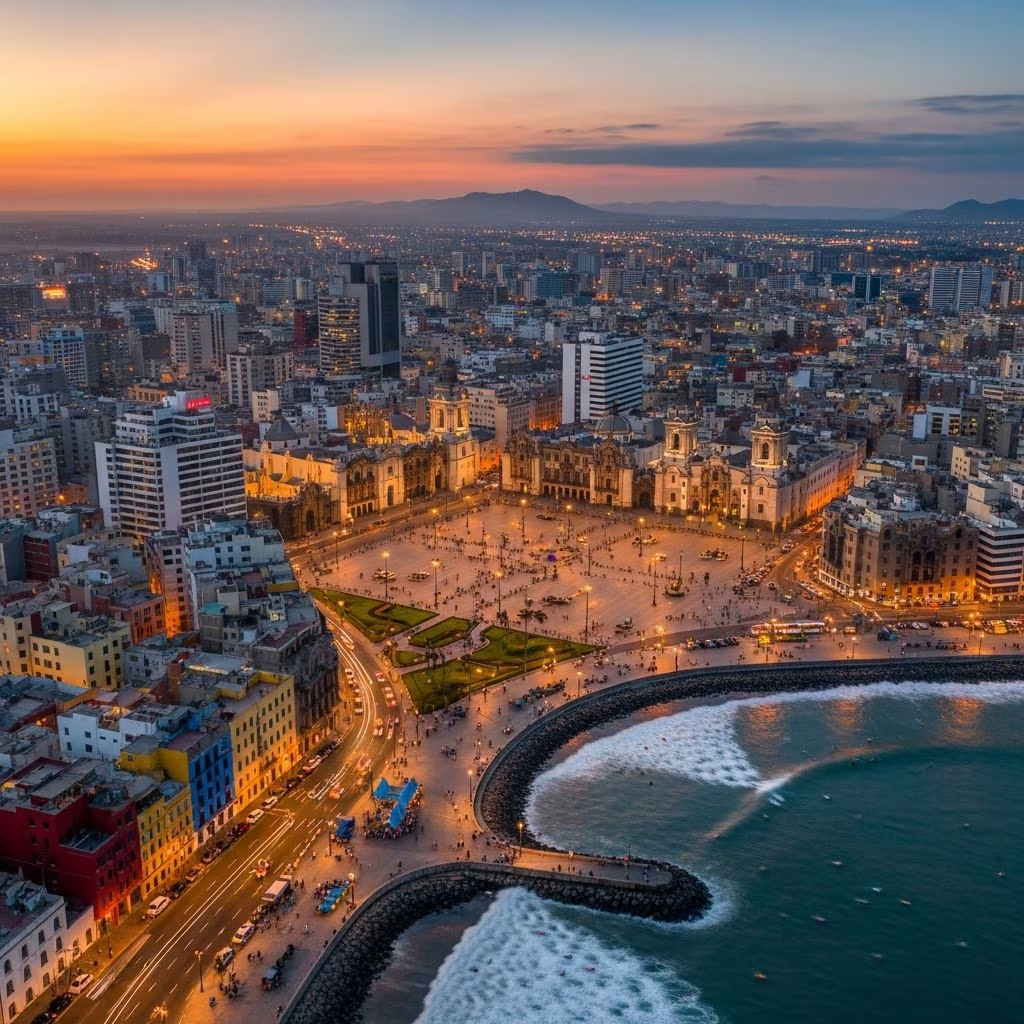
Lima represents one of South America’s most dynamic urban centers, offering visitors a compelling blend of pre-Columbian heritage, colonial architecture, contemporary art, and internationally acclaimed cuisine. The Peruvian capital’s appeal lies not merely in its individual attractions but in how these elements weave together across distinct geographic zones. For travelers with limited time, understanding how to navigate the city’s neighborhoods strategically becomes essential to maximizing cultural immersion while minimizing logistical challenges.
The traffic congestion that characterizes modern Lima necessitates a focused approach to weekend exploration. Rather than attempting to crisscross the sprawling metropolis, concentrating your activities within specific neighborhoods allows for deeper engagement with local culture, cuisine, and attractions. This methodology transforms a potentially frustrating weekend into an enriching experience where you can genuinely absorb the character of each district rather than spending excessive time in transit between scattered destinations.
Understanding Lima’s Neighborhood-Based Approach
Lima’s geography divides naturally into several distinctive zones, each offering unique characteristics and attractions. The historic center serves as the city’s colonial heart, where centuries-old architecture and religious monuments dominate the landscape. Miraflores represents the modern, cosmopolitan face of Lima, featuring contemporary amenities, ocean vistas, and upscale dining establishments. Barranco embodies the city’s artistic spirit, characterized by bohemian culture, creative communities, and street art. By concentrating one full day within each neighborhood, visitors can develop genuine familiarity with local rhythms, discover hidden establishments beyond major guidebook recommendations, and reduce transit time to manageable levels.
This concentrated approach acknowledges a fundamental truth about urban exploration: depth of experience often surpasses breadth. Rushing between multiple neighborhoods daily fragments your visit into disconnected snapshots. Conversely, dedicating substantial time to single districts allows for spontaneous discoveries, conversations with local residents, and appreciation for architectural details that escape hurried observers. The neighborhoods themselves function almost as separate cities, each with distinct characteristics, resident populations, and cultural identities.
Day One: Colonial Heritage and Historical Foundations
Morning Immersion in Pre-Columbian Cultures
Begin your Lima exploration at Museo Larco, an institution housing one of the world’s most comprehensive pre-Columbian art collections. The museum’s holdings span approximately 5,000 years of cultural development, encompassing over 45,000 artifacts that chronicle Peru’s indigenous civilizations. Rather than navigating this extensive collection independently, opt for a guided tour that provides contextual framework and prevents the overwhelming sensation that can accompany such vast assemblies of artifacts. Knowledgeable guides transform disparate objects into coherent narratives about ancient societies, religious practices, and artistic development.
After your museum visit, forgo the on-site café in favor of exploring the surrounding Pueblo Libre neighborhood’s specialty coffee establishments. Origen Tostadores and Abisinia Café both roast their own beans, offering substantially higher quality beverages than institutional museum cafés. This deliberate choice to venture beyond the museum grounds into surrounding streets provides your first genuine neighborhood exploration, introducing you to local commercial life beyond tourist infrastructure.
Historic Center Navigation and Architectural Study
Transition toward the historic center where colonial architecture dominates the urban landscape. Begin at Bar Cordano, one of Lima’s oldest taverns, where a traditional butifarra (pork sandwich) paired with a national lager represents authentic Lima hospitality and provides the cultural entry point many travelers seek. This establishment, steeped in decades of history, serves as an ideal location for observing local patterns and absorbing the district’s character.
The Monasterio de San Francisco offers one-hour guided tours through atmospheric catacombs, revealing the underground dimensions of colonial-era Lima that shaped early city development. These subterranean spaces tell stories of religious practice, burial customs, and urban organization during Peru’s Spanish colonial period. The physical experience of descending into these chambers connects visitors viscerally to centuries past.
Dedicate time to examining Plaza Mayor’s architectural diversity, where successive reconstructions following devastating earthquakes created a palimpsest of building styles. The Cathedral of Lima still stands where conquistador Francisco Pizarro allocated land for it during the 16th century. The Baroque structure houses Pizarro’s tomb and one of South America’s finest wooden choirs, artifacts that bridge political and artistic history. The Presidential Palace’s imposing presence completes the monumental civic architecture surrounding the plaza.
Contemporary Art Within Historical Frameworks
Visit Museo Central (MUCEN) to observe contemporary art exhibitions housed within the historic district. This juxtaposition of modern artistic expression within colonial structures reflects Lima’s ongoing cultural evolution. MALI (Museo de Arte de Lima) provides comprehensive coverage of Peruvian artistic development from pre-Columbian periods through contemporary work, offering curatorial context that helps visitors understand artistic progression across millennia.
Day Two: Culinary Exploration and Artistic Neighborhoods
Market Immersion and Gastronomic Discovery
Move toward Surquillo Market, a crucial hub of Lima’s vibrant food culture where vendors display extraordinary produce diversity. The market experience transcends simple shopping; it represents direct encounter with Lima’s culinary foundations. Arranging a guided food tour provides interpretive context about ingredient sourcing, preparation techniques, and cultural significance of various foods. Alternatively, self-guided exploration allows spontaneous interactions with vendors and organic discovery of food categories unfamiliar to most international visitors.
Mercado Central de Lima offers similar immersive experiences with particular strength in afternoon hours when visitor numbers peak and atmospheric energy reaches maximum intensity. Traditional Peruvian dishes like lomo saltado (beef stir-fry) and anticuchos (grilled meat skewers) appear throughout the market in prepared-food stalls. Local fruits including granadilla (passion fruit relatives) and conventional tropical varieties provide nutritional variety and gustatory novelty.
Miraflores District and Oceanfront Recreation
Following morning market exploration, transition to Miraflores, where La Postrería Café provides excellent breakfast options featuring egg dishes, açaí bowls, and house-made juices served within plant-surrounded patios offering quiet morning spaces. El Malecón de Miraflores, the oceanfront promenade, creates Lima’s most inviting pedestrian environment with manicured parks, ocean vistas, and artistic installations integrated throughout the landscape.
Lugar de la Memoria functions as both museum and monument addressing Peru’s violent period from 1980 through the early 2000s when fighting between Sendero Luminoso (Shining Path) and the Peruvian government devastated the nation. The imposing architecture itself merits observation regardless of interior exhibition engagement. For Spanish speakers, the exhibitions provide profound historical context; non-Spanish speakers can appreciate the architectural statement and contextual significance.
Culinary Excellence and Evening Dining
Avenida Mariscal La Mar hosts numerous seafood restaurants representing Lima’s gastronomic excellence. Lima ranks among the world’s top culinary destinations, with multiple establishments recognized in international rankings. If restaurant reservations have been secured at acclaimed establishments, timing your Miraflores day around these dining experiences makes strategic sense, as restaurant locations and reservation times should inform neighborhood selection and daily scheduling.
Day Three: Artistic Expression and Contemporary Culture
Barranco’s Bohemian Character
Dedicate your final day to Barranco, Lima’s artistic neighborhood embodying bohemian culture, creative communities, and visual expression through street art and murals. Begin morning explorations in local cafés serving quinoa oatmeal (a native Peruvian grain), pan con palta (avocado toast), and alfajores (caramel-filled pastries). These breakfast experiences ground you in local culinary traditions while establishing comfortable spaces for neighborhood observation.
The neighborhood’s street art transforms entire districts into open-air galleries where local and international artists contribute to continuously evolving visual landscapes. Walking through Barranco neighborhoods exposes visitors to creative energy that fundamentally distinguishes this district from the historic center’s colonial formality or Miraflores’ cosmopolitan polish.
Museum Collections and Specialized Exhibitions
Museo Amano specializes in pre-Columbian textiles, representing a sophisticated curatorial focus within Lima’s broader museum ecosystem. The textile collection demonstrates ancient Peruvian artistic sophistication applied to functional objects, revealing cultural values and technical mastery that preceded European contact by millennia. This specialized museum experience complements broader institutional collections, providing depth within specific artistic domains.
Neighborhood Immersion Without Itinerary Pressure
The final afternoon should prioritize spontaneity and unstructured exploration. Allow serendipitous discoveries—unmarked cafés, neighborhood galleries, street vendor interactions, and chance conversations—to shape your remaining hours. This unscheduled time often produces the most memorable travel experiences, creating personal narratives that transcend guidebook recommendations.
Practical Considerations for Efficient Navigation
Transportation Strategies
Lima’s traffic congestion represents a genuine challenge for visitors attempting to cover multiple neighborhoods daily. Taxis provide convenient point-to-point transportation, though negotiating rates beforehand or utilizing meter systems prevents fare disputes. Ride-sharing applications offer transparent pricing alternatives. The concentrated neighborhood approach minimizes transit time, allowing you to walk extensively within your chosen district rather than spending disproportionate time traveling between distant neighborhoods.
Dining Reservations and Restaurant Selection
Lima’s internationally recognized restaurants maintain reservation requirements, particularly for evening service at acclaimed establishments. Researching restaurants aligned with your neighborhood focus and securing reservations in advance prevents dining disappointments. Conversely, exploring unmarked local establishments, street food vendors, and casual eateries introduces authentic culinary experiences beyond internationally recognized venues.
Museum Hours and Admission Planning
Peru’s major museums maintain varying operational hours and may close on specific weekdays. Confirming hours before arrival prevents wasted travel time. Many institutions offer discounted admission during specific hours or for domestic visitors, though international visitors typically pay standard rates. Guided tours, while creating added expenses, substantially enhance interpretive experience and efficiency through curatorial insight.
Weather and Seasonal Considerations
Lima’s coastal location creates perpetual gray skies and cool temperatures throughout the year, characteristics that shouldn’t deter exploration but merit packing considerations. Lightweight layers accommodate temperature variations between sun-exposed and shaded areas. Sunscreen protection remains essential despite cloud cover, as UV rays penetrate maritime haze. Seasonal rainfall occurs during austral summer months (December through March), while cooler and drier conditions characterize austral winter (June through August).
Cultural Sensitivity and Local Engagement
Respectful interaction with Lima’s residents enhances travel experiences while supporting community relationships with visitors. Learning basic Spanish phrases facilitates communication and demonstrates respect for local culture. Photographing people requires permission; many residents object to being photographed without consent. Supporting local businesses—independent cafés, neighborhood restaurants, artisan vendors—distributes economic benefits throughout communities rather than concentrating spending within international corporate establishments.
References
- The Ultimate Weekend in Lima, Peru — Lonely Planet. Accessed April 2026. https://www.lonelyplanet.com/articles/weekend-itinerary-lima-peru
- How to Spend 2 Days in Lima – Exploring the City of Kings — Go Ask a Local. Accessed April 2026. https://goaskalocal.com/blog/lima-itinerary
- 3 Days in Lima, Peru: Urban Archaeology, World-Class Meals and More — Marriott Traveler. Accessed April 2026. https://traveler.marriott.com/weekend-getaways/lima-peru-weekend-guide/

