

 Travel Essentials
 Travel Essentials

Discover how to maximize a three-day Lisbon adventure with essential landmarks, hidden neighborhoods, and local culinary experiences.
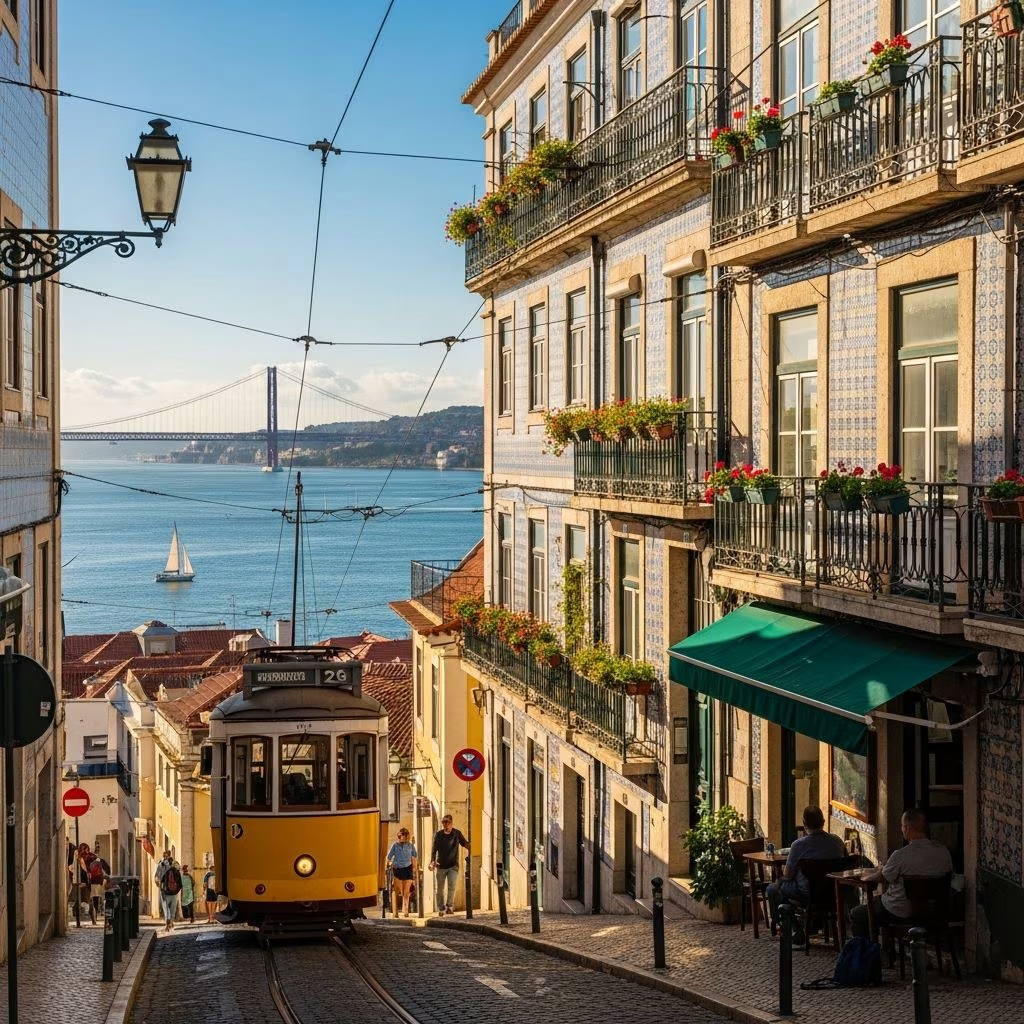 Travel Essentials
Portugal’s capital city offers an intoxicating blend of historic charm, contemporary culture, and world-class gastronomy that makes it an ideal destination for those seeking to experience European urban exploration without overwhelming crowds. A long weekend provides sufficient time to navigate beyond typical tourist paths while still absorbing the city’s most significant cultural attractions and natural beauty. This comprehensive guide presents a thoughtfully structured approach to maximizing your Lisbon experience across three distinct days, combining architectural marvels with neighborhood discovery and culinary adventures.
Before diving into specific itineraries, understanding Lisbon’s geographic organization proves invaluable for efficient navigation. The city unfolds across dramatic hillsides descending toward the Tagus River, creating distinct neighborhoods with unique characteristics and energy. Public transportation, particularly the iconic tram system and modern metro network, connects these areas affordably and efficiently. The city’s layout encourages exploration on foot, with numerous staircases and funiculars offering both practical transportation and scenic vistas throughout your journey.
Commence your Lisbon adventure in the western riverside district where Portuguese maritime history comes alive through architecture and cultural institutions. This waterfront neighborhood contains some of the city’s most recognizable structures, built during the nation’s period of global exploration and economic prominence. The area showcases exceptional examples of distinctive Portuguese architectural styles featuring intricate stonework, decorative tile work, and carefully proportioned facades that reflect centuries of artistic evolution.
Begin with a visit to one of the district’s most celebrated attractions: a historic pastry establishment renowned for producing custard-filled tarts that have achieved legendary status among both locals and visitors. Rather than waiting in lengthy takeaway lines, proceed directly to the dining area where hundreds of seats accommodate guests in a traditionally decorated interior. Order the signature pastry accompanied by an espresso to experience an authentic morning ritual that defines local food culture.
Continue your waterfront exploration by visiting nearby religious and cultural monuments that represent different periods of Portuguese history. These structures showcase architectural evolution from medieval periods through contemporary restoration, each offering unique perspectives on artistic and spiritual traditions.
Transition from the waterfront toward the city’s older urban core, where narrow cobblestone streets wind through layers of history spanning centuries. This ancient neighborhood features characteristics distinct from modern Portuguese construction: irregular street patterns, intimate courtyards hidden behind residential facades, and traditional buildings painted in vibrant hues that catch afternoon light beautifully.
Ascend toward one of the city’s most strategically positioned landmarks: a medieval fortress perched atop one of Lisbon’s highest elevations. This fortification offers commanding panoramic vistas encompassing the entire city sprawl, the river valley, and distant horizons. The site contains multiple towers, archaeological evidence spanning millennia, and specialized optical instruments enabling visitors to observe distant cityscape details.
Explore the fortress thoroughly, including specialized chambers and exhibitions revealing the region’s multicultural history from ancient periods through early modern times. The Archaeological Center provides context for various cultural layers revealed through excavation, illustrating how successive civilizations shaped the site.
As evening approaches, settle into a contemporary food market venue where multiple culinary vendors operate independently, offering diverse cuisines and preparation styles. This modern interpretation of traditional market spaces allows visitors to sample numerous dishes, wines, and beverages while observing the social dynamics of urban food culture.
Day two focuses on Portugal’s golden age, when maritime exploration and international commerce generated wealth supporting ambitious architectural projects. Several massive religious structures constructed during this prosperous period demonstrate the sophisticated architectural vocabulary that emerged during the Age of Discovery.
Visit the famous monastery complex featuring exceptional cloisters where elaborate stone columns display botanical and maritime motifs carved with extraordinary precision. The cloister represents the apex of Portuguese architectural sophistication, with arcades and vaulted corridors showcasing technical mastery and artistic vision.
Proceed to the adjoining church where you’ll encounter the tombs of two iconic Portuguese historical figures: the legendary navigator credited with establishing the sea route to India, and the celebrated poet who composed the nation’s most famous literary work chronicling Portuguese maritime achievements.
Shift focus toward Lisbon’s contemporary creative districts, where artists, designers, and entrepreneurs have transformed formerly industrial or neglected areas into vibrant cultural hubs. These neighborhoods showcase street art, independent boutiques, vintage establishments, and experimental culinary venues that reflect Lisbon’s evolving identity.
Navigate through these creative quarters on foot, allowing spontaneous discoveries to guide your route. Independent galleries, quirky cafes, and street performances emerge around every corner, providing authentic glimpses into how younger generations have reshaped urban spaces.
Conclude day two by experiencing one of Lisbon’s most distinctive cultural traditions: intimate musical performances of mournful, introspective songs that originated in working-class neighborhoods and now represent Portuguese emotional expression. Performances typically occur in atmospheric venue spaces within historic neighborhoods, often paired with traditional cuisine and regional wines.
Rather than revisiting famous panoramic vistas crowded with tourists, day three emphasizes exploring quieter observation points that offer equally compelling city views with significantly fewer visitors. These elevated platforms scattered throughout Lisbon’s hillside neighborhoods provide opportunities to observe how the city functions as a living, breathing organism.
Several of these viewpoint spaces function as neighborhood gathering places where locals socialize, particularly during evening hours. The terraces often feature casual bars and cafes, enabling visitors to linger while observing sunset light transform the cityscape.
Experience Lisbon’s flea market traditions by visiting weekly outdoor markets where locals buy and sell vintage goods, antiques, and curiosities. These markets operate on specific days and provide genuine cultural insights into how Lisbon residents shop, socialize, and recycle material goods.
Browse stalls methodically to discover authentic souvenirs with genuine history rather than mass-produced tourist merchandise. Market environments offer opportunities to interact with vendors, hear local perspectives, and understand what contemporary Lisbonites value and preserve.
Conclude your Lisbon exploration by visiting quieter religious structures that receive far fewer visitors than the famous waterfront monastery complex. These alternative sites feature equally impressive artistic elements, peaceful interiors, and often superior viewing platforms offering serene perspectives over the surrounding neighborhoods.
The absence of crowds enables unhurried appreciation of architectural details, decorative tile work, and the spiritual atmosphere that motivated their original construction. Rooftop terraces within these complexes provide intimate vantage points for observing residential districts and river valley views.
Lisbon’s public transportation system efficiently connects all neighborhoods mentioned in this itinerary. The famous vintage tram lines offer both practical transportation and nostalgic experiences, while the modern metro network provides faster point-to-point connections. Daily or multi-day transit passes offer economical options for frequent travelers. Walking remains the most rewarding transportation method for neighborhood exploration, enabling discovery of small plazas, staircases, and architectural details invisible from transit vehicles.
Lisbon’s food culture extends far beyond formal dining establishments. Local markets offer fresh produce, prepared foods, and beverages that reflect Portuguese agricultural traditions and contemporary food trends. Coffee culture pervades daily life, with espresso bars serving as social gathering spaces where brief ritualistic drinks accompany social interaction. Seeking out vendor-operated food court environments provides diverse culinary perspectives while observing how urban residents structure their dining choices.
| Season | Temperature Range | Precipitation | Visitor Volume | Recommended Activities |
|---|---|---|---|---|
| Spring (March-May) | 55-70°F (13-21°C) | Moderate | Medium | Neighborhood walks, outdoor markets, waterfront dining |
| Summer (June-August) | 75-85°F (24-29°C) | Minimal | High | Beach visits, rooftop venues, evening river cruises |
| Autumn (September-November) | 60-75°F (16-24°C) | Moderate | Medium | Walking tours, cultural events, wine tastings |
| Winter (December-February) | 48-60°F (9-15°C) | Higher | Low | Museum visits, indoor markets, intimate dining |
Plan 2-3 hours minimum for the medieval fortress, including exterior ramparts, tower climbing, archaeological displays, and optical chamber experiences. Budget additional time for the surrounding gardens and quieter observation areas.
Lisbon offers considerable diversity across price ranges. Market-style food venues typically cost €15-25 per person, while casual neighborhood restaurants range €20-40, and fine dining experiences extend beyond €60 per person.
While longer visits allow deeper exploration, three days enable meaningful engagement with primary cultural attractions, neighborhood discovery, and authentic dining experiences. The itinerary balances efficiency with allowing time for spontaneous discoveries and leisurely exploration.
The historic riverside district and ancient hillside neighborhoods maintain strong local presence while containing most significant architectural attractions. Lesser-visited neighborhoods north of the central districts offer even more authentic daily life observation.
The hilly terrain and cobblestone streets present challenges for individuals with movement restrictions. However, elevators and funiculars bypass many staircases, and modern neighborhoods feature improved accessibility.
