

 Travel Essentials
 Travel Essentials

A comprehensive three-day Miami itinerary covering South Beach, cultural districts, natural attractions, and dining hotspots for an unforgettable urban escape.
 Travel Essentials
Miami represents one of North America’s most dynamic urban destinations, combining Caribbean culture, contemporary art scenes, and world-class dining within a vibrant coastal setting. Whether you’re visiting for your first time or returning for another exploration, a carefully planned three-day itinerary allows you to experience the city’s diverse neighborhoods, architectural heritage, and natural attractions without feeling rushed. This guide breaks down how to structure your time across 72 hours to capture Miami’s essence while discovering both celebrated landmarks and lesser-known experiences.
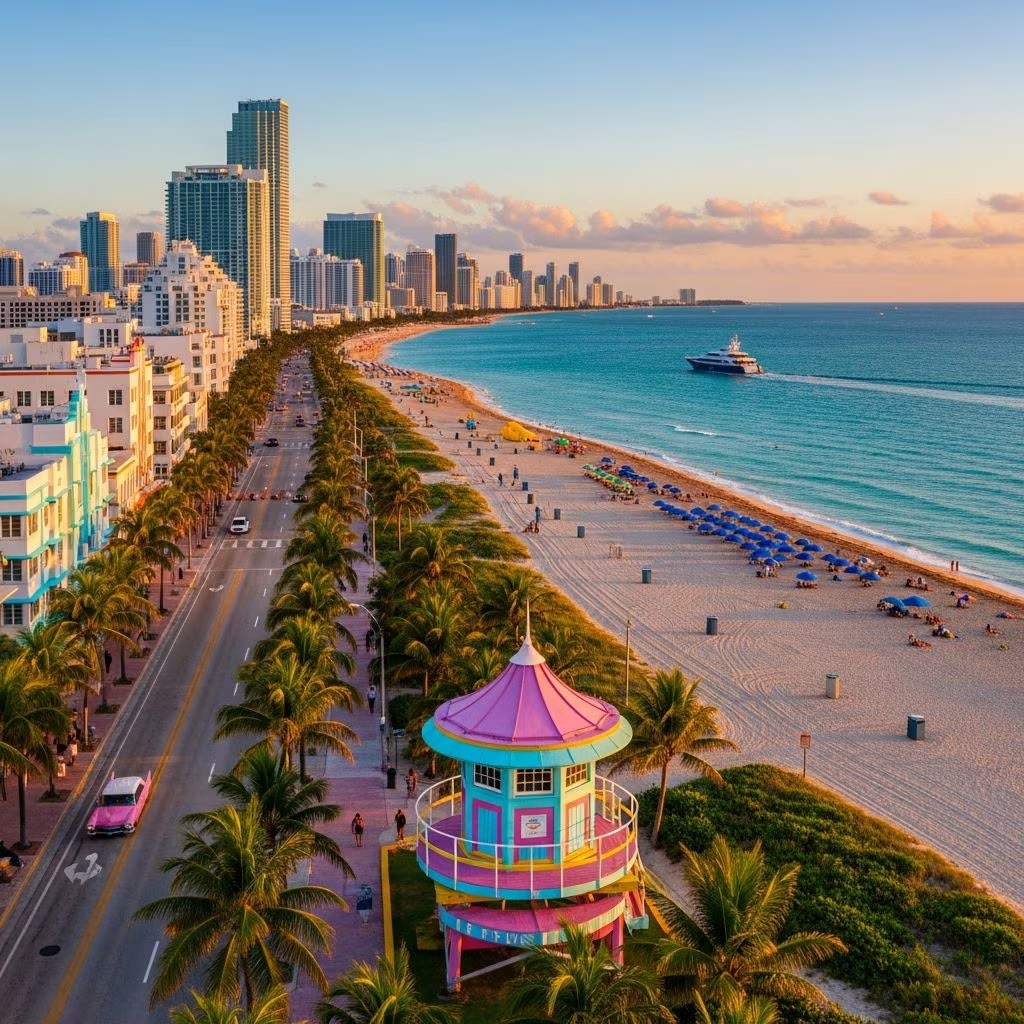
Begin your Miami adventure early by positioning yourself to witness the sunrise over the Atlantic Ocean from South Beach. This timing allows you to experience the beach in relative tranquility before crowds arrive and provides optimal lighting for photographs of the shoreline. The morning hours offer a peaceful perspective on Miami’s most famous beach while you settle into the rhythms of the city.
After sunrise, head to a local café for breakfast. Look for establishments offering fresh tropical options, as these provide authentic flavors reflecting South Florida’s climate and culinary influences. Many venues in the South Beach area specialize in acai bowls, fresh-pressed juices, and locally sourced ingredients that set the tone for an active day of exploration.
The afternoon should focus on the architectural corridor running along Ocean Drive. This historic thoroughfare showcases Miami’s most concentrated collection of Art Deco buildings, an architectural movement that defined the city’s aesthetic during the 1920s and 1930s. The style is recognizable by pastel color palettes, geometric patterns, and streamlined forms that you’ll observe on building facades, signage, and interior details. Whether you choose to walk, bicycle, or rollerblade along this strip, you’ll encounter numerous photo opportunities and can enter various buildings to appreciate their interiors.
Adjacent to Ocean Drive lies Española Way, a pedestrian-friendly avenue featuring boutique shopping, galleries, and dining establishments housed within restored historic structures. This area provides a more intimate experience than the main beachfront while maintaining convenient access to all major attractions. Stop for lunch at restaurants offering both traditional American fare and international cuisine, allowing you to refuel before afternoon activities.
Continue your exploration to Lincoln Road, a pedestrian mall that contrasts with the historical focus of Ocean Drive by emphasizing contemporary shopping, dining, and entertainment. This venue hosts both established retailers and local boutiques, restaurants ranging from casual to upscale, and frequently features live entertainment or cultural events. The open-air design creates an engaging atmosphere for browsing and people-watching.
Conclude your first day with dinner at an acclaimed restaurant in the South Beach area. Select venues that feature innovative cuisine, as Miami’s culinary scene has evolved significantly with contributions from renowned chefs and diverse cultural influences. The transition from day to evening allows you to experience how the neighborhood transforms as lighting changes and the nightlife scene activates.
Dedicate your second day to experiences that showcase Miami’s natural environment and waterfront character. Begin by venturing to Everglades National Park, situated approximately 45 minutes from downtown Miami. This vast ecosystem represents one of North America’s most unique natural areas, featuring sawgrass marshes, mangrove forests, and diverse wildlife including alligators, manatees, and numerous bird species. Guided airboat tours provide the most immersive experience, allowing you to penetrate areas inaccessible by conventional boats while learning from experienced naturalists about the ecosystem’s ecological significance.
Return to the central Miami area for lunch at Bayside Marketplace, a waterfront entertainment complex offering diverse dining options with views of Biscayne Bay. This venue combines shopping, dining, and waterfront access, making it an efficient stop for refueling while maintaining proximity to afternoon activities.
The afternoon should include a boat tour exploring Biscayne Bay. These excursions navigate through island-dotted waters while providing perspectives on Miami’s development, marine life, and geographical setting. Depending on the tour selected, you may visit Star Island, Hibiscus Island, and Palm Island, which showcase some of South Florida’s most expensive waterfront properties and offer historical context about Miami’s real estate significance.
Transition into evening by exploring the cultural enclave of Little Havana, a neighborhood reflecting Miami’s deep Cuban heritage. This area features Spanish-language signage, authentic restaurants and cafés, cigar shops, and cultural venues. The atmosphere becomes particularly vibrant during evening hours when locals frequent family-run establishments for dinner and socializing. Sample traditional Cuban cuisine, including ropa vieja, medianoche sandwiches, and café cubano, while observing the neighborhood’s distinctive character and cultural traditions.
Conclude your evening in downtown Miami’s entertainment district, which has undergone significant revitalization in recent years. This area features rooftop bars offering skyline views, upscale restaurants, and nightlife venues catering to diverse preferences. The concentration of entertainment options allows you to explore multiple venues or focus on a single establishment depending on your preferences.
Begin your final day with a leisurely breakfast at an establishment in your accommodation’s neighborhood, allowing flexibility in timing. Many neighborhoods throughout Miami feature quality café options suitable for starting the day unhurried.
The Design District represents your first major destination, located approximately 25 minutes from South Beach. This upscale neighborhood functions as both a shopping destination and cultural hub, housing flagship stores from international luxury brands alongside contemporary art galleries, public sculpture installations, and innovative restaurants. The architecture itself merits attention, with buildings designed by renowned architects creating visually interesting streetscapes. The Nadar Sculpture Park provides an outdoor exhibition space dedicated to three-dimensional art, and the Museum Garage stands out as a uniquely designed parking structure incorporating artistic elements and optical stairwells.
Mid-morning opportunities include visiting the Dior Café, housed within an iconic structure with a distinctive bubble dome, or exploring the Institute of Contemporary Art, which offers free admission and features rotating exhibitions of modern and contemporary work.
The afternoon introduces Wynwood, a neighborhood that has transformed from industrial area into a thriving arts district. This transformation centers on large-scale murals covering building facades, creating an outdoor gallery that reflects diverse artistic styles and cultural themes. Street food tours combine walking through the neighborhood with culinary experiences at local restaurants, providing comprehensive exposure to both the visual art and food culture. Independent exploration also works well for this area, allowing self-directed discovery of murals and venues.
Incorporate a visit to the Museum of Ice Cream if you desire an interactive, photo-friendly experience. This attraction features immersive installations, whimsical backdrops designed for photography, and ice cream tastings throughout the venue, making it particularly appealing to visitors seeking unique social media content or lighthearted entertainment.
For your final evening, position yourself to experience sunset at South Pointe Park or through a sunset city flight. The pier at South Pointe extends into the bay, providing unobstructed views of the western horizon during sunset hours and perspectives on cruise ships departing for Caribbean destinations. Alternatively, a seaplane or helicopter tour provides an aerial perspective of Miami’s geography and development pattern, with the added dimension of viewing the sunset from above the landscape.
Complete your three-day experience with dinner in the Brickell neighborhood, downtown Miami’s residential and commercial district characterized by modern high-rises, contemporary architecture, and a concentrated dining and nightlife scene. This area represents Miami’s continued evolution and provides contemporary contrast to the historical focuses of earlier days.
Miami’s geography requires understanding neighborhood locations and transportation connections. South Beach serves as a convenient base for visitors new to the city, providing walkable access to major attractions within the neighborhood while positioning you near transportation to other areas. Ride-sharing services operate throughout the city and provide the most flexible transportation option for point-to-point travel between attractions. Some neighborhoods, including the Design District and Wynwood, benefit from walking once you’ve arrived in the area, though initial transit requires external transportation.
Timing considerations matter significantly for specific experiences. Sunrise and sunset hours offer optimal photography conditions and unique atmospheric qualities. Boat tours and water activities depend on weather conditions and tide timing, so confirming departure times and any weather-related scheduling beforehand prevents disappointment. Restaurant reservations are advisable for establishments with strong reputations, particularly for dinner services during weekends or peak travel seasons.
Miami’s restaurant scene reflects the city’s cultural diversity and culinary innovation. Expect diverse offerings ranging from casual street food to fine dining establishments. Cuban cuisine dominates certain neighborhoods and represents Miami’s historical cultural foundation. Contemporary restaurants feature chef-driven menus incorporating local ingredients and international influences. Casual dining options provide authentic experiences at lower price points, while upscale venues offer refined atmospheres suitable for celebratory meals.
November through April offers optimal weather with mild temperatures and lower humidity compared to summer months. This period aligns with peak travel season, resulting in higher accommodation costs and increased crowds at popular attractions. Summer months feature hot, humid weather with afternoon thunderstorms, but accommodation rates decrease and fewer tourists visit.
Budget requirements vary substantially based on accommodation selection, dining preferences, and activity choices. Mid-range hotels cost approximately $150-300 per night, dining ranges from $15-20 for casual meals to $75+ for fine dining, and most attractions cost $20-50 per entry. Daily spending of $200-400 per person (excluding accommodation) allows for comfortable mid-range experiences, while luxury-focused visitors should plan $500+ daily.
Car rental is not essential if using ride-sharing services or staying in walkable neighborhoods like South Beach. Public transportation options exist but require more planning. Ride-sharing provides convenient point-to-point transport without parking concerns, making it practical for most visitors.
South Beach, the Design District, Wynwood, and downtown Miami areas frequented by tourists maintain visible security and attract large visitor populations. Standard urban travel precautions apply, including avoiding unfamiliar areas after dark and maintaining awareness of surroundings.
