

 Travel Essentials
 Travel Essentials

Explore Belgrade's fortress views, cultural landmarks, riverside neighborhoods, and local café culture across three unforgettable days in the Balkans.
 Travel Essentials
Nestled in the heart of the Balkans, Belgrade stands as a dynamic European capital that seamlessly blends history, culture, and contemporary energy. With its position at the confluence of two major rivers and a history shaped by empires and conflict, the city offers visitors an intoxicating mix of architectural grandeur, world-class museums, vibrant neighborhoods, and an exceptional café culture. Whether you’re traveling from Berlin, Budapest, or elsewhere in Europe, Belgrade is remarkably accessible and offers an easily navigable downtown core perfect for weekend exploration.
A three-day visit to Belgrade allows sufficient time to absorb the city’s most significant attractions while still maintaining a relaxed pace that honors the local philosophy of savoring each moment. This guide provides a thoughtfully structured approach to experiencing the capital’s finest offerings without feeling rushed.
Belgrade’s layout is surprisingly visitor-friendly, with most major attractions concentrated within walking distance of the city center. The downtown region radiates outward from Republic Square, a bustling hub surrounded by impressive civic architecture including the National Theater and National Museum. The city’s public transportation system—comprising trams, buses, and an efficient metro network—provides convenient connections to outlying neighborhoods.
English is widely spoken throughout Belgrade, particularly among younger residents and in tourist-oriented establishments, making navigation straightforward for international visitors. The historic prevalence of Cyrillic script may seem intimidating initially, but major signs, menus, and transportation information typically include Latin alphabet translations.
Upon arrival, settle into a centrally-located hotel to maximize convenience. Historically significant properties like Hotel Moskva offer elegant Art Nouveau design and proximity to the main city plaza, though numerous contemporary options provide excellent value and location throughout the downtown core.
Begin your Belgrade experience at Republic Square, the pulsating heart of the city where locals congregate at all hours and vibrant energy permeates the atmosphere. From this central landmark, orient yourself to the city’s geography and absorb the buzz of urban life before venturing deeper into exploration.
Proceed on foot toward the Dorćol neighborhood, a hip quarter renowned for its thriving specialty coffee scene. This historic district showcases Belgrade’s contemporary cultural renaissance, with meticulously curated coffee bars serving expertly prepared beverages in thoughtfully designed spaces. Multiple excellent options dot the area, allowing flexibility based on your preferences and the welcoming atmosphere you encounter.
Dorćol itself warrants exploration beyond coffee procurement. Narrow streets lined with period buildings, independent boutiques, and artistic installations reveal the neighborhood’s character. The area represents Belgrade’s capacity to honor its past while embracing modern creative energy—a theme recurring throughout the city.
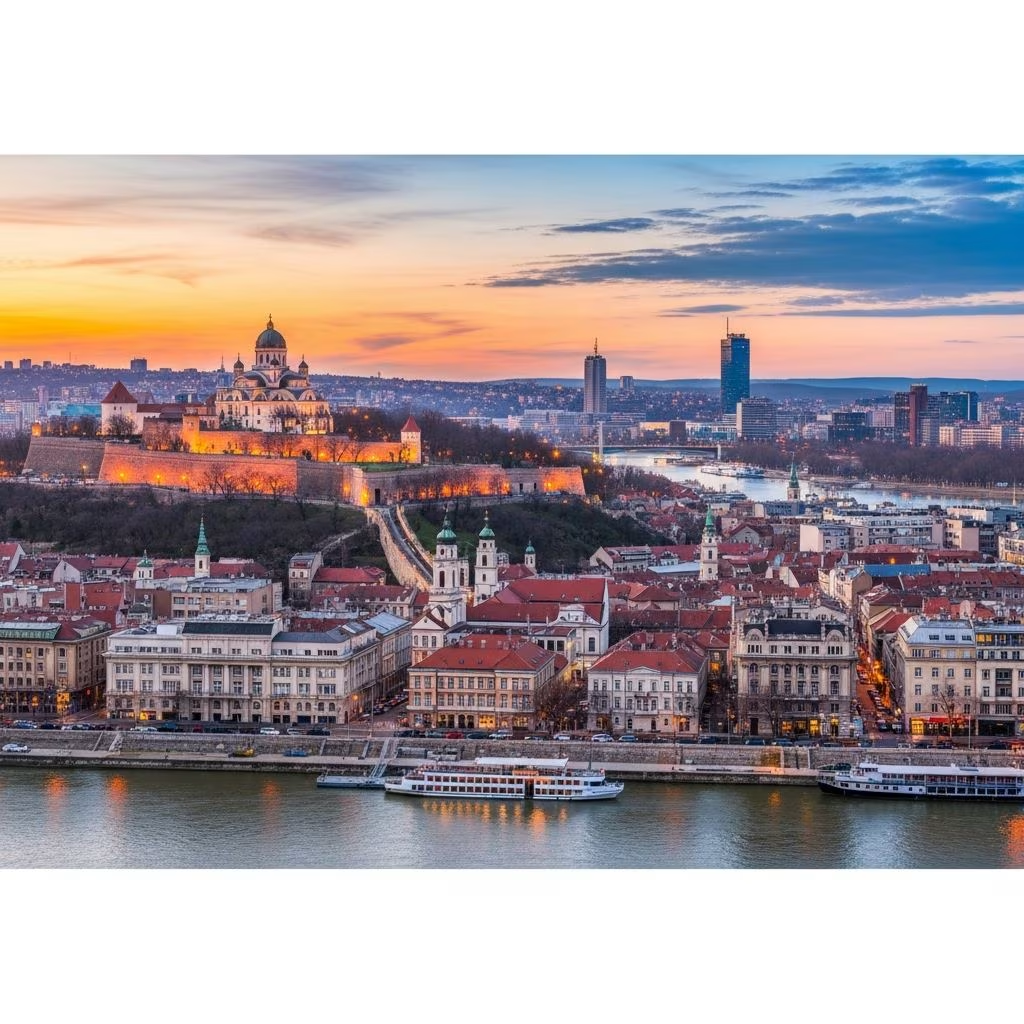
Proceed to Kalemegdan Park, one of Belgrade’s most significant attractions and a must-visit destination regardless of your specific interests. This expansive public space encompasses both manicured parkland and the historic Belgrade Fortress, a military stronghold whose strategic importance shaped regional history across multiple centuries.
The fortress’s Stambol Gate provides access to elevated vantage points offering panoramic city views. From these heights, observe the confluence of the Sava and Danube rivers—the geographical intersection that made Belgrade strategically valuable throughout history. The vista is particularly striking during golden hour, when light transforms the urban landscape into a photographer’s paradise.
The park itself offers numerous activities beyond fortress exploration: picnicking with views toward the river valleys, observing locals socializing with companions and pets, and discovering quieter corners of this substantial public space that reveal different perspectives on the city.
As daylight fades, descend toward the city center and access Knez Mihailova Street, Belgrade’s primary pedestrian thoroughfare and de facto “living room” where residents gather for evening strolls, shopping, dining, and social interaction. This elegant street connects Kalemegdan Fortress with Republic Square, passing numerous shops, galleries, and establishments reflecting contemporary retail culture alongside traditional Serbian commerce.
The architecture along this avenue showcases multiple historical periods—Baroque, Art Nouveau, and twentieth-century styles—creating a visual narrative of the city’s evolution. Street performers frequently entertain passersby with traditional Serbian music and contemporary performances, adding vibrancy to the evening atmosphere.
Conclude your first evening by selecting from the numerous cafés and bars concentrated particularly toward the street’s southern terminus near Pariska Street. These establishments range from casual coffee venues to sophisticated cocktail bars, accommodating diverse preferences and budgets.
Dedicate your second day to Zemun, a distinctive neighborhood perched on the Danube’s right bank that maintains a character and spirit quite separate from central Belgrade despite official administrative consolidation in 1934. This former border town between Ottoman and Austro-Hungarian empires retains visible architectural and cultural influences from both imperial powers.
Commence your Zemun exploration with breakfast at a local establishment specializing in traditional Serbian pastries. Uštipci—a fried dough preparation served individually or in combinations—provides an authentic local experience. This casual meal allows observation of how residents begin their mornings, anchoring your visit in genuine local practice rather than touristic convention.
Dedicate substantial time to wandering Zemun’s streets without rigid itineraries. This unstructured exploration reveals small galleries, antique shops, family-run restaurants, and architectural details that guidebooks inadequately capture. The neighborhood’s riverside promenade, popular with locals for evening strolls and observation of river traffic, offers peaceful respite from urban intensity.
Ascend to Gardoš Tower, also known as the Millennium Tower, positioned strategically to command views across Zemun toward the Danube and central Belgrade. This nineteenth-century structure, renovated to commemorate the millennium, offers a different vantage point than Kalemegdan, revealing how river topography and regional geography influenced settlement patterns and strategic positioning.
The tower’s base encompasses small museums and informational displays contextualizing Zemun’s historical significance. The surrounding parkland provides pleasant settings for contemplation and photography, with numerous benches positioned to maximize view enjoyment.
Return toward central Belgrade and visit Sveti Sava Temple, the largest Orthodox church in Serbia. This architectural masterpiece features elaborate interior decoration including an extraordinarily beautiful mosaic-covered dome that ranks among Serbia’s most significant artistic achievements. The profound spiritual atmosphere within the church, regardless of visitor religious background, creates a meditative space distinct from secular tourism.
From the temple, proceed to the Nikola Tesla Museum, housed in a UNESCO-protected archive facility that honors Serbia’s most celebrated scientific figure. Tesla’s contributions to electrical engineering and wireless transmission remain foundational to modern technology, and the museum provides comprehensive documentation of his life, work, and legacy. Original manuscripts, diagrams, and technological artifacts create an engaging educational experience that transcends specialized interest.
Stop at Pekara Trpković in the Slavija district, one of Belgrade’s oldest continuously operating bakeries, renowned for burek—a savory pastry traditionally stuffed with meat or cheese and baked to golden perfection. This establishment provides authentic Serbian culinary experience at minimal cost, with the option to consume purchases on-site or carry them to nearby locations for consumption during continued exploration.
If time permits, walk toward the Old Palace, the former royal residence of the Serbian Obrenović Dynasty. This historically significant structure, though not always open for interior touring, provides architectural context for understanding Belgrade’s political history and the city’s evolution from Ottoman outpost to Balkan capital.
Return to Knez Mihailova Street for evening shopping and café culture. This pedestrian avenue accommodates every retail preference—international luxury brands, local designers, perfume specialists, souvenir vendors, and bookstores create browsing opportunities for hours. The street’s cafés and bars intensify activity during evening hours, with outdoor seating permitting observation of passersby while consuming beverages and refreshments.
Belgrade’s museum landscape extends significantly beyond the Tesla Museum. The Museum of Yugoslavia offers substantial material documenting the country’s complex twentieth-century history—from Yugoslav federation through civil conflict to contemporary independence. This institution requires sufficient time for adequate engagement; morning visits allow afternoon flexibility.
The National Museum of Serbia, positioned adjacent to Republic Square, houses collections spanning prehistoric artifacts through contemporary art, offering cultural context for understanding Serbian civilization across centuries.
Jevremovac Botanical Garden provides natural respite from urban intensity, particularly valuable during pleasant weather. This extensively cultivated space preserves numerous plant species within thoughtfully designed landscape compositions, offering peaceful alternative to city streets.
Ada Ciganlija, an island within the Sava River accessible via short tram ride, transforms into recreational destination during warmer months. This location accommodates swimming, sunbathing, cycling, and adventure sports alongside café facilities, allowing varied activities within single venue. Even during cooler seasons, the riverside paths provide pleasant walking opportunities with local populations.
Belgrade’s dining scene ranges from casual street food through fine dining establishments. Skadarlija Street, the old bohemian quarter, maintains traditional atmosphere with numerous restaurants specializing in Serbian cuisine and wines. This pedestrian street, historically significant as artistic and creative hub, retains character despite tourism prevalence.
The Belgrade Waterfront development, a contemporary urban renewal project along the Sava River, provides modern recreational infrastructure including promenades, restaurants, and entertainment venues. Evening visits particularly reward visitors with atmospheric lighting and social energy.
Belgrade’s nightlife features distinctive splavovi—floating river clubs permanently moored along the Danube and Sava—which function as restaurants, bars, and dance venues simultaneously. These establishments remain culturally significant gathering spaces where locals and visitors intermingle across age groups and backgrounds, creating genuine social experiences.
Skadarlija Street’s nightclubs and bars, some positioned with terrace seating overlooking the Sava, maintain lively atmospheres extending well past midnight. The neighborhood’s historical association with bohemian culture creates authentic atmosphere distinct from purely commercial entertainment venues.
Visitors with additional time should explore less central neighborhoods where residential areas reveal authentic Serbian urban life removed from tourism infrastructure. The brutalist architecture characteristic of 1970s-80s construction, while initially appearing utilitarian, represents significant architectural movement worthy of documentation and study. Guided tours of these districts provide historical context explaining their construction rationale and contemporary cultural significance.
Zeleni Venac Market, a traditional produce and merchant market, immerses visitors in daily local commerce while providing fresh ingredients and prepared foods representing authentic Serbian dietary patterns. This genuinely local venue, minimally oriented toward tourists, offers price advantages and authentic cultural observation opportunities.
Hotel selection significantly impacts weekend experience. Central locations near Republic Square provide maximum convenience, though residential neighborhoods like Dorćol offer character-driven alternatives. Budget options exist throughout the city, with numerous guesthouses and smaller hotels providing excellent value and personal service compared to large international chains.
Belgrade’s tram system, despite appearing initially complex through numerous overlapping routes, becomes navigable with minimal effort. Single-journey tickets cost minimal amounts, with multi-day passes available for intensive public transportation users. Most visitors successfully navigate the system through mobile applications providing real-time route information and journey planning.
Serbian cuisine emphasizes meat-based preparations, particularly grilled specialties, alongside bread-based items like burek and extensive dairy products. Vegetarian options, while less prevalent in traditional establishments, increasingly appear in contemporary restaurants. Wine culture remains significant, with local varieties warranting exploration alongside international selections.
Café culture pervades Belgrade existence—residents spend substantial daily time in coffee establishments, making this activity central to local social patterns. Participation in this custom, rather than viewing it as mere refreshment stop, provides cultural immersion and observation opportunities.
Belgrade experiences four distinct seasons, each offering different experiences. Spring and fall provide pleasant temperatures and comfortable walking conditions. Summer heat occasionally intensifies, though evening hours and riverside locations provide respite. Winter temperatures require appropriate clothing, though snowfall remains moderate and city infrastructure accommodates seasonal conditions effectively.
Understanding seasonal variations helps calibrate activity planning—Kalemegdan’s fortress ruins and riverside walks offer year-round appeal, while water-based activities concentrate during warmer months.
Three days in Belgrade permits substantial engagement with major attractions while maintaining pace allowing genuine appreciation rather than rushed documentation. The city’s character emerges through combination of structured visits to significant sites alongside unstructured neighborhood exploration, café sitting, street observation, and conversation with residents. This balance between itinerary adherence and spontaneous discovery creates memorable travel experiences transcending typical tourism consumption.
Belgrade’s resilience following historical trauma, contemporary creative energy, riverside geography, and distinctly Balkan cultural character create destination appeal extending beyond conventional European capitals. Weekend visitors frequently discover unexpected personal affinity for the city, frequently resulting in return visits and deeper long-term engagement with Serbian culture and contemporary society.
