

 Travel Essentials
 Travel Essentials

Explore Zadar's UNESCO-protected heritage, iconic Sea Organ, Roman landmarks, and nearby natural wonders in three unforgettable days.
 Travel Essentials
Nestled along Croatia’s Dalmatian coast, Zadar stands as a captivating destination where centuries of history converge with contemporary cultural innovation. This charming peninsula city has rapidly emerged as one of the Adriatic’s most compelling destinations, offering visitors an intoxicating blend of Roman archaeological treasures, medieval architecture, Venetian fortifications, and cutting-edge artistic installations. With its compact geography, vibrant local culture, and proximity to pristine natural attractions, Zadar provides an ideal setting for an immersive three-day exploration. Whether you’re a history enthusiast, food lover, nature seeker, or sunset chaser, this Mediterranean jewel delivers unforgettable experiences within a remarkably accessible timeframe.
Your initial day in Zadar should focus on acclimating to the city’s atmospheric old town while absorbing its layered historical narrative. Begin your journey at the city’s geographic and cultural heart, where marble-paved streets wind through neighborhoods that reflect distinct eras of occupation and influence. The main commercial corridor, known locally as the historic spine, connects the traditional gathering square to monumental Roman archaeological sites, establishing the framework for your walking exploration.
Start by ascending the bell tower attached to the prominent Romanesque cathedral dominating the old town’s skyline. The 162-step climb rewards visitors with panoramic vistas encompassing terracotta rooftops, the archipelago’s scattered islands numbering over two hundred, and the glimmering Adriatic horizon. Time this ascent for late afternoon to capture the bell tower experience bathed in golden light while positioning yourself perfectly for sunset observation from elevated vantage points.
After descending, wander deliberately through the narrow pedestrian alleyways branching from main thoroughfares. These intimate passages reveal architectural layers—Roman column fragments embedded in medieval walls, Venetian doorway carvings, contemporary graffiti art, and hidden courtyards hosting local residents. Unlike many European old towns that feel manufactured for tourism, Zadar’s residential character remains authentic, with laundry strung between buildings and neighborhood residents conducting daily life alongside wandering travelers.
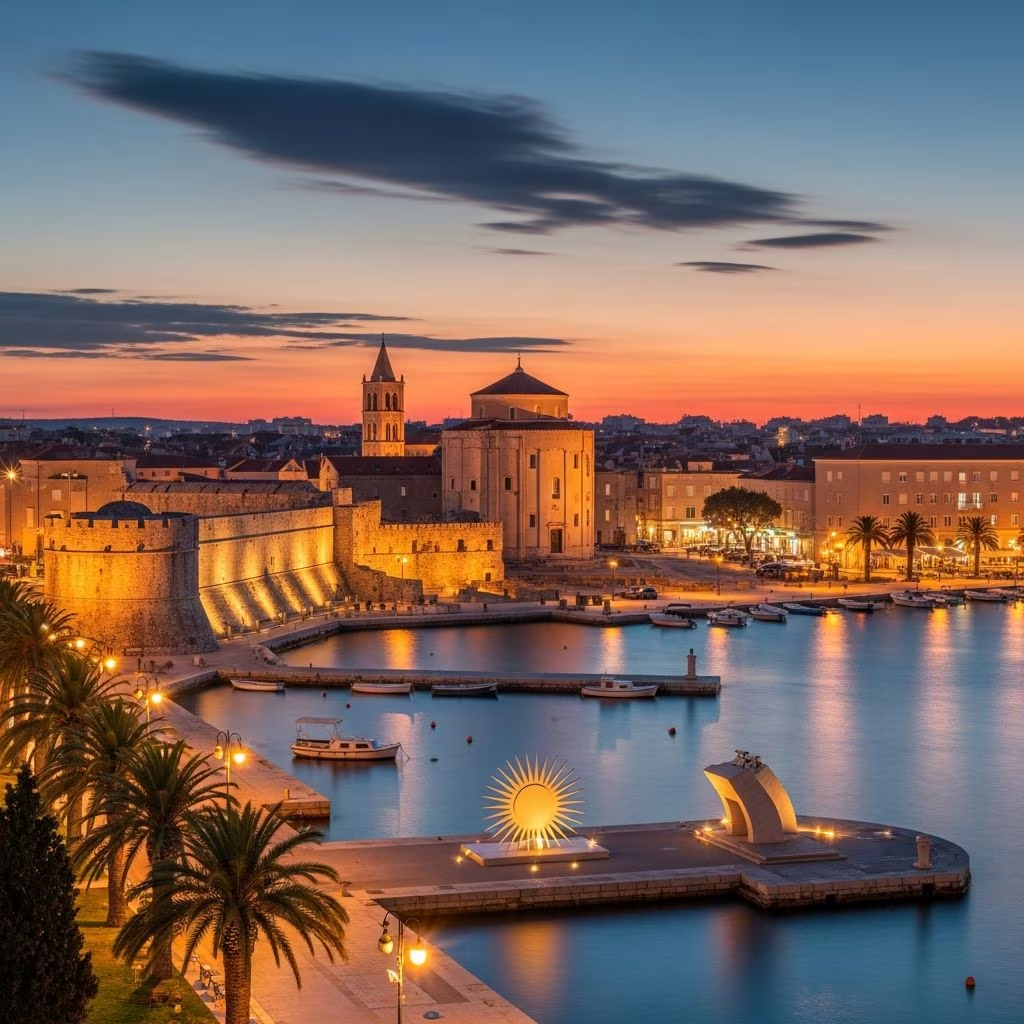
As daylight transitions toward evening, direct your steps toward the waterfront promenade fringing the peninsula’s extremity. This harborside pathway has undergone significant transformation through artistic intervention and urban design innovation. Two particularly distinctive installations command attention: the first is an ingeniously engineered mechanism that transforms oceanic wave energy into harmonic sounds, creating an ever-changing musical composition synchronized with natural water movements. The second is an illuminated architectural pattern embedded in the ground that captures and reflects solar radiation throughout daylight hours, then gradually releases this energy as luminescence during twilight and darkness.
Conclude your first evening observing the celebrated Mediterranean sunset from the waterfront, when the sky transitions through progressively warmer color palettes—initially gold, then transitioning through coral and pink hues, finally reaching deep purple before succumbing to darkness. This daily spectacle draws both locals and visitors, creating a communal moment of pause and appreciation for natural beauty.
Dedicate your second day to deeper cultural engagement and strategic day trips accessing the broader regional landscape. Begin with a guided or self-directed exploration of indoor cultural institutions that contextualize Zadar’s historical significance. Multiple museums preserve artifacts spanning millennia—prehistoric findings, Roman period treasures, medieval religious art, and ethnographic collections illustrating traditional Dalmatian life. Consider prioritizing institutions displaying ancient glassware collections, which showcase the sophistication of Roman craftsmanship, or administrative buildings featuring period furnishings reflecting aristocratic life during Venetian administration.
Midday presents an opportunity to engage with local food culture through market exploration and culinary experiences. The traditional market operates with distinct sections—one dedicated to seafood featuring the morning’s catch, another showcasing seasonal produce sourced from surrounding agricultural regions. This sensory experience introduces visitors to the Mediterranean ingredients fundamental to regional cuisine: locally harvested olive oils, fresh Mediterranean fish species, sun-ripened vegetables, and artisanal dairy products. Purchase provisions for an afternoon picnic or secure reservations at a neighborhood restaurant specializing in traditional recipes passed through generations.
The afternoon offers flexibility depending on your interests and physical energy levels. Beach enthusiasts can access swimming areas situated beyond the old town’s defensive perimeter, featuring both sandy shores and rocky outcrops suitable for various water activities. Alternatively, organize transportation to one of two principal national park destinations accessible within three hours’ driving distance.
Regional Natural Attractions:
Allocate your final day to maritime exploration and peripheral island discovery. The archipelago surrounding Zadar represents one of Europe’s most complex coastal geographies, with numerous inhabited and uninhabited islands providing distinctive ecological and cultural experiences.
Morning departure via organized boat tour grants access to island communities maintaining traditional Mediterranean lifestyles. These excursions typically include stops at several islands, permitting exploration of village architecture, local restaurants serving fresh seafood preparations, and natural features including secluded beaches and limestone formations. Alternatively, more active visitors can participate in guided kayaking expeditions permitting independent navigation through shallow waters while remaining within supervised parameters.
For those preferring land-based activities, several nearby destinations merit exploration: accessible via short ferry rides or organized ground transportation, these locations offer distinct perspectives on Dalmatian culture and landscape. Specific islands host unique attractions—medieval fortifications, Byzantine churches, contemporary artist communities, or fishing villages virtually untouched by mass tourism.
Reserve late afternoon for personal reflection, final cultural purchases, or unstructured wandering through favorite neighborhoods identified during earlier exploration. Many visitors discover that returning to beloved locations—whether a particular café, market, church, or waterfront section—provides unexpected richness through unhurried observation and informal local interactions.
| Aspect | Details |
|---|---|
| Optimal Timing | Mediterranean climate features warm, dry summers and mild winters; shoulder seasons (May-June, September-October) offer ideal conditions balancing pleasant weather with manageable tourist density |
| Transportation | The compact old town remains entirely walkable; regional excursions require organized tours or rental vehicles; public ferries connect island destinations |
| Accommodation | Options range from budget-conscious hostels to luxury boutique hotels; booking advance reservations during peak season (July-August) prevents disappointment |
| Dining | Mediterranean cuisine emphasizes fresh seafood, local olive oils, and seasonal vegetables; restaurant quality ranges from casual family operations to sophisticated establishments |
| Budgeting | Daily costs average moderate European levels; guided tours, national park entrance fees, and boat excursions represent primary expense categories beyond accommodation |
Yes, concentrated visitors can traverse primary historical sites and installations within six to eight hours. However, three days permits leisurely pacing, cultural institution visits, and multiple sunset observations that enhance the overall experience and provide deeper local engagement.
Mediterranean coastal conditions require sun protection including quality sunscreen, hat, and sunglasses. Comfortable walking shoes facilitate pedestrian exploration; modest clothing displays respect when visiting religious sites. Evening temperatures warrant light sweaters or jackets even during summer months.
The old town’s compact size and clear pedestrian infrastructure support self-guided exploration effectively. However, professional guides provide contextual historical knowledge, access to restricted areas, and insider perspectives enriching the experience. Many visitors combine self-directed exploration with selective guided segments.
Market-adjacent restaurants featuring family recipes spanning generations offer authentic experiences and excellent value. Waterfront establishments provide atmospheric dining locations, though prices reflect premium positioning. Casual neighborhood trattorias accessible beyond tourist zones frequently offer superior quality-to-cost ratios.
Zadar distinguishes itself through smaller scale relative to Split or Dubrovnik, reduced tourist saturation, younger demographic population, innovative cultural projects, and authentic preservation of residential character. This combination creates accessibility for those preferring less-crowded Mediterranean experiences.
Success in experiencing Zadar intensively within three days hinges on strategic time management balanced with spontaneous discovery. Establish daily anchoring activities—specific monuments, meals, or sunset observations—then permit unstructured intervals for wandering, conversation, and serendipitous encounters. Engage with locals through casual interactions in markets, cafés, and public spaces; their recommendations frequently lead to discoveries unavailable through guidebook consultation.
The city’s rising prominence as a travel destination reflects justified appeal without yet reaching saturation points experienced by certain competing Mediterranean locations. This fortunate timing permits visitors to experience sophisticated culture, world-class scenery, and authentic community character before inevitable mass tourism transforms the destination’s essential character.
Zadar ultimately rewards visitors who approach the destination with genuine curiosity about Mediterranean history, openness to culinary experimentation, appreciation for artistic innovation, and respect for the communities inhabiting this ancient peninsula. Within seventy-two hours, this coastal Croatian jewel transitions from travel destination to cherished memory, compelling many visitors toward return visits exploring dimensions impossible to fully appreciate during initial encounters.
