

 Travel Essentials
 Travel Essentials

A comprehensive 3-day itinerary covering Zagreb's historic Upper Town, vibrant Lower Town, museums, parks, and culinary highlights for first-time visitors.
 Travel Essentials
Zagreb, the vibrant capital of Croatia, offers a compelling blend of imperial architecture, contemporary culture, and warm Mediterranean hospitality. Despite its modest size compared to other European capitals, this city punches well above its weight in terms of attractions, culinary offerings, and cultural experiences. A three-day weekend provides the ideal timeframe to absorb the essence of Zagreb without rushing through its neighborhoods and museums. This comprehensive guide will help you navigate the city’s two distinct regions and discover why Zagreb has become an increasingly popular destination for European travelers.
To maximize your weekend experience in Zagreb, it’s essential to understand how the city is organized. The Croatian capital naturally divides into two complementary areas, each with its own character and attractions. The Upper Town (Gornji Grad) represents the historic heart of Zagreb, where medieval streets wind through centuries-old architecture and cultural institutions. This elevated neighborhood feels removed from the bustle below, offering visitors a glimpse into Zagreb’s past. The Lower Town (Donji Grad) serves as the city’s commercial and cultural center, featuring grand plazas, tree-lined avenues, and an impressive collection of museums and galleries. Understanding this division helps you plan each day’s activities logically and makes navigating the city much more efficient.
Begin your Zagreb adventure early by heading to Ban Jelačić Square, the city’s central hub, where you’ll find the entrance to one of Europe’s most remarkable transportation systems. The Zagreb funicular railway, operational since 1893, holds the distinction of being the world’s shortest funicular at just 66 meters in length. The ride takes mere seconds, yet it efficiently transports visitors from the Lower Town up to the Upper Town while offering glimpses of the city below. This historic cable car represents more than just practical transportation; it’s a tangible connection to Zagreb’s 19th-century engineering heritage and provides an authentic slice of how locals have accessed the Upper Town for generations.
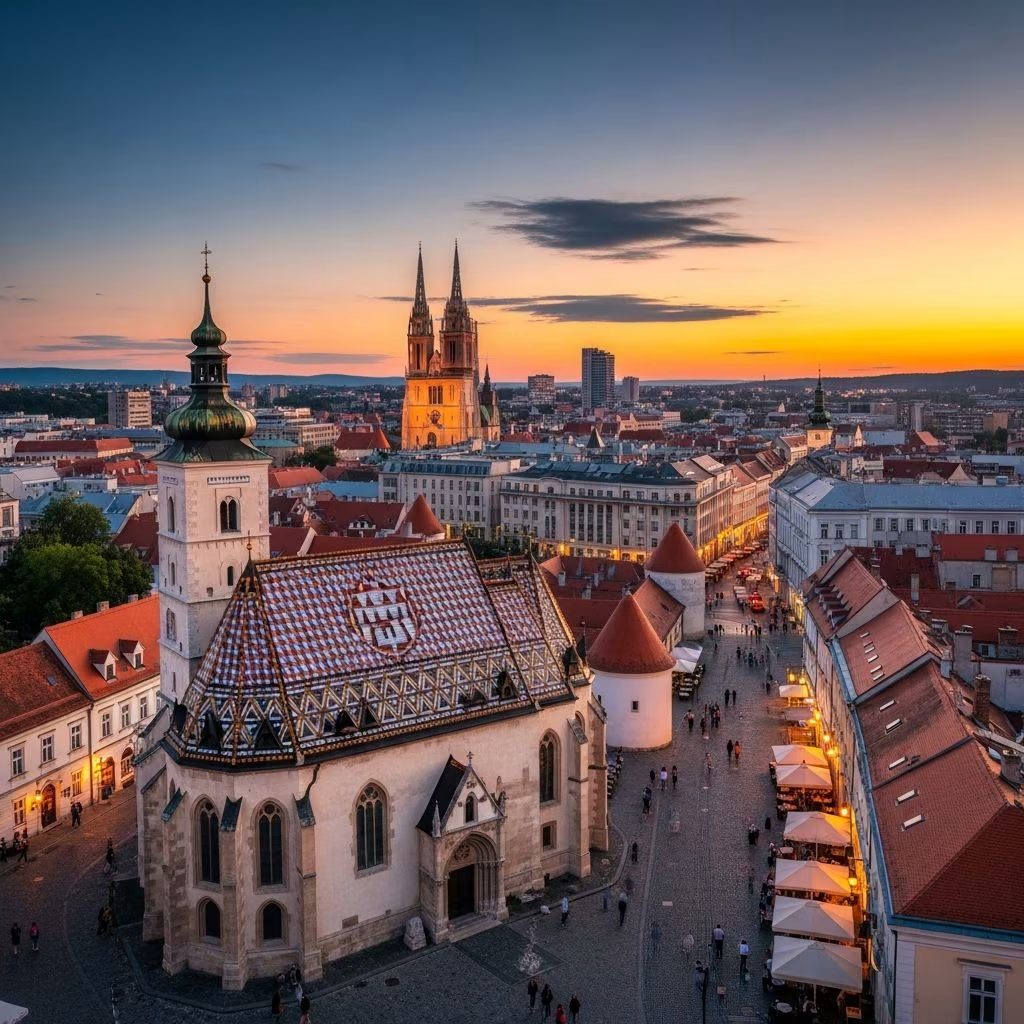
Once you’ve ascended via the funicular, take time to wander the narrow, winding streets of the Upper Town. The architecture here tells stories of occupations, trade, and cultural exchange. Buildings showcase Austro-Hungarian influences alongside contemporary urban art. Your first significant stop should be St. Mark’s Church, identifiable from considerable distances by its distinctive roof featuring red and white tiles arranged to form the Croatian shield. This Gothic church dates back to the 13th century and remains one of Zagreb’s most photographed landmarks. The interior, though modest in size, contains valuable religious artworks and maintains a peaceful atmosphere despite its popularity.
Near St. Mark’s Church, you’ll discover the Stone Gate (Kamenita Vrata), one of the few remaining gates of the original medieval fortification. This atmospheric passage contains a shrine to the Virgin Mary, adorned with candles left by visitors over the decades. The flickering lights and quiet reverence create an almost meditative space within the bustling city. Many locals and visitors pause here for a moment of reflection, contributing to the spiritual significance the site has maintained across centuries.
The Museum of Broken Relationships offers a refreshingly unconventional museum experience that resonates with visitors on an emotional level. The concept is straightforward yet profound: visitors have donated personal items and written accounts of their failed relationships, creating a collection that celebrates human vulnerability and resilience. Objects range from wedding invitations to photographs to handwritten letters, each accompanied by brief narratives. This museum appeals to visitors of all ages and backgrounds, as the universal experience of romantic disappointment transcends cultural and generational boundaries. Plan to spend at least an hour here, as the exhibits reward careful attention and reflection.
If your interests lean toward visual arts, the Klovićevi Dvori Gallery provides rotating exhibitions of contemporary and classical works in a beautiful Renaissance palace. The gallery space itself merits appreciation, with vaulted ceilings and period details that enhance the viewing experience. Check the current exhibition schedule upon arrival to ensure the show aligns with your artistic interests.
As afternoon transitions to evening, make your way back toward the Lower Town via the Lotrščak Tower, a 13th-century structure that offers panoramic views over Zagreb’s rooftops and surrounding landscape. From this vantage point, you gain perspective on the city’s physical layout and can spot landmarks visible from your hotel. Photographers particularly appreciate the light quality during late afternoon hours. Before descending, grab refreshments at one of the small cafés tucked into Upper Town’s squares, where local pastries and coffee provide perfect sustenance.
Your second day shifts focus to the Lower Town’s cultural institutions and green spaces. Begin with what locals call Lenuci’s Horseshoe, a strategic collection of parks and cultural venues connected by scenic pathways. This route, developed during the late 19th century, links several of Zagreb’s finest public spaces in an elegant arc. Start at Zrinjevac Park, recognizable by its fountain and tree-lined pathways. This Victorian-era park provides peaceful respite from urban streets and attracts a mix of locals and visitors seeking shade and tranquility.
Continue along the Horseshoe route to the Croatian Museum of Naïve Art, which houses an exceptional collection of works by self-taught Croatian artists. The term “naïve art” refers to artwork created by artists without formal training, yet these pieces display remarkable technical skill and imaginative vision. The collection captures rural Croatian life, traditional themes, and contemporary perspectives through the lens of artists who approached their craft from outside academic traditions. The museum occupies a charming building that feels intimate despite the breadth of its holdings, allowing visitors to engage deeply with individual artworks rather than rushing through galleries.
Following the Horseshoe route further leads to the Botanical Garden of the Faculty of Science, where carefully curated plant collections from around the world create small ecosystems within Zagreb’s urban landscape. The garden provides welcome shade during warm months and offers photography opportunities among flowering plants and tranquil water features. Even visitors without botanical expertise appreciate the aesthetic beauty and the peaceful respite the garden provides.
The route culminates at King Tomislav Square (Trg Kralja Tomislava), distinguished by the striking yellow Art Pavilion and an equestrian statue of King Tomislav, Croatia’s first medieval king. The Art Pavilion occasionally hosts contemporary exhibitions, though its exterior architecture photographs well regardless of interior availability. During winter months, this square hosts Zagreb’s famous ice skating rink, which creates a festive atmosphere and provides an alternative recreational activity for different seasons.
Zagreb’s food scene reflects both traditional Croatian cuisine and contemporary culinary innovation. For dinner, venture beyond the heavily touristed areas near Ban Jelačić Square to discover restaurants frequented by locals. Traditional Croatian restaurants, known as konobas, serve hearty dishes featuring locally sourced ingredients. Dishes to sample include structure, a Croatian version of goulash; struklji, sweet or savory rolled pastries; and fresh fish preparations reflecting the country’s Adriatic coastline. Wine selections showcase Croatia’s emerging wine regions, offering alternatives to the more familiar European wines.
On your final morning, consider exploring attractions often missed by travelers on rushed schedules. The Grič Tunnel, originally built in 1943 as a civilian shelter during World War II, offers a unique historical perspective. The tunnel was later utilized during the Croatian War of Independence in the 1990s and subsequently transformed into an event space. Today, it hosts exhibitions and special installations, including elaborate light displays during the winter Advent festival. While not suitable for those with claustrophobic tendencies, the tunnel provides fascinating insights into Zagreb’s 20th-century history.
If you haven’t yet indulged in the Museum of Hangovers, your final morning offers an opportunity to experience this playful institution. Despite its tongue-in-cheek name, the museum makes valid points about cultural attitudes toward alcohol and celebration. Visitors receive a complimentary “hair of the dog” beverage upon entry, setting the tone for a humorous yet educational experience. The collection includes items and stories from visitors worldwide, creating a surprising depth beneath the humorous presentation.
For shopping, explore the Ilica Street, Zagreb’s primary commercial thoroughfare. This street stretches for several kilometers and contains everything from high-end fashion boutiques to local craft shops. Even visitors without significant shopping intentions find Ilica interesting for observing how contemporary Zagreb balances international brands with locally owned businesses.
If museum time remains, the Mimara Museum offers an impressive collection spanning ancient civilizations through contemporary art. Alternatively, if you prefer outdoor time before departure, Maksimir Park provides extensive grounds suitable for leisurely walking. This Victorian-era park includes the Zagreb Zoo, botanical collections, and peaceful pathways, making it suitable for visitors seeking relaxation rather than intensive sightseeing.
Zagreb possesses an efficient public transportation system featuring trams and buses. A three-day tourist card provides unlimited transportation and discounted museum admission, representing excellent value. Alternatively, the city remains walkable for visitors willing to cover moderate distances, particularly when focusing on specific neighborhoods during individual days. Most hotels are located within reasonable proximity to primary attractions.
| Dining Category | Experience Type | Estimated Cost Range | Best Locations |
|---|---|---|---|
| Traditional Konoba | Authentic Croatian cuisine in casual settings | €8-15 per person | Upper Town, side streets near Ban Jelačić Square |
| Contemporary Restaurants | Modern interpretations of Croatian dishes | €15-30 per person | Lower Town cultural quarter |
| Cafés and Casual Dining | Light meals, pastries, coffee | €3-8 per person | Throughout city, particularly parks and squares |
| Fine Dining | Upscale culinary experiences | €30-60+ per person | Selected locations in Lower Town |
Zagreb experiences four distinct seasons, each offering different atmospheric qualities. Summer months bring warm weather but also crowds and higher prices. Spring and autumn provide comfortable temperatures and fewer tourists. Winter transforms the city with holiday decorations and special events, though some outdoor attractions have reduced hours. Plan your visit timing based on personal preferences regarding weather, crowds, and specific seasonal events.
As your weekend concludes, resist the urge to rush through final hours. Instead, sit in a café with a final coffee or glass of wine, observe how locals move through their city, and reflect on experiences gained over three days. Zagreb rewards visitors who embrace an unhurried pace and notice details—the architectural flourishes on buildings, the multilingual conversations in cafés, the way trees frame different streets. These subtle observations often provide more lasting memories than rushing through another museum or checking off another attraction. Your three-day weekend provides sufficient time to gain genuine appreciation for Zagreb’s character while leaving enough unexplored to justify a return visit.
