


 Food & Culture
Food & Culture
4-Day Toronto Food Itinerary: Best Eats, Markets & Neighborhoods
A comprehensive 4-day culinary exploration of Toronto featuring local markets, international cuisines, specialty food experiences, and Michelin-starred dining.
 Food & Culture
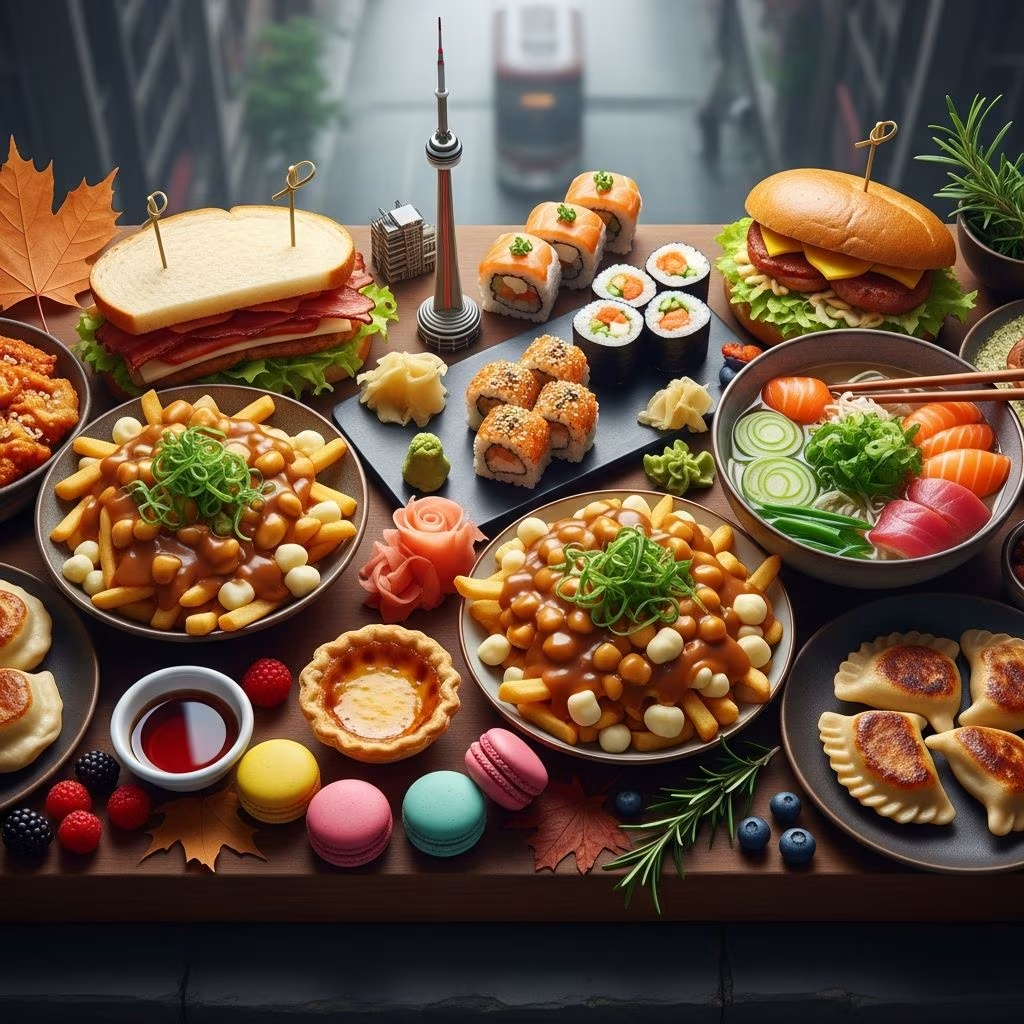
Toronto stands as one of North America’s most dynamic culinary destinations, where international flavors converge with innovative cooking techniques and deep-rooted food traditions. For visitors passionate about gastronomy, the city offers far more than typical tourist attractions—it delivers authentic food experiences that reveal the character and diversity of contemporary Canadian cuisine. This comprehensive four-day itinerary guides food enthusiasts through Toronto’s most compelling culinary neighborhoods, specialty retailers, and dining establishments that define the city’s food identity.
Day 1: Opening Your Palate with Fine Dining and Rooftop Experiences
Begin your Toronto food adventure with an evening of refined cuisine that establishes the caliber of dining available throughout the city. The first night sets the tone for your journey by introducing you to contemporary gastronomy at its finest, where culinary artistry takes center stage.
Fine Dining Excellence at Premium Venues
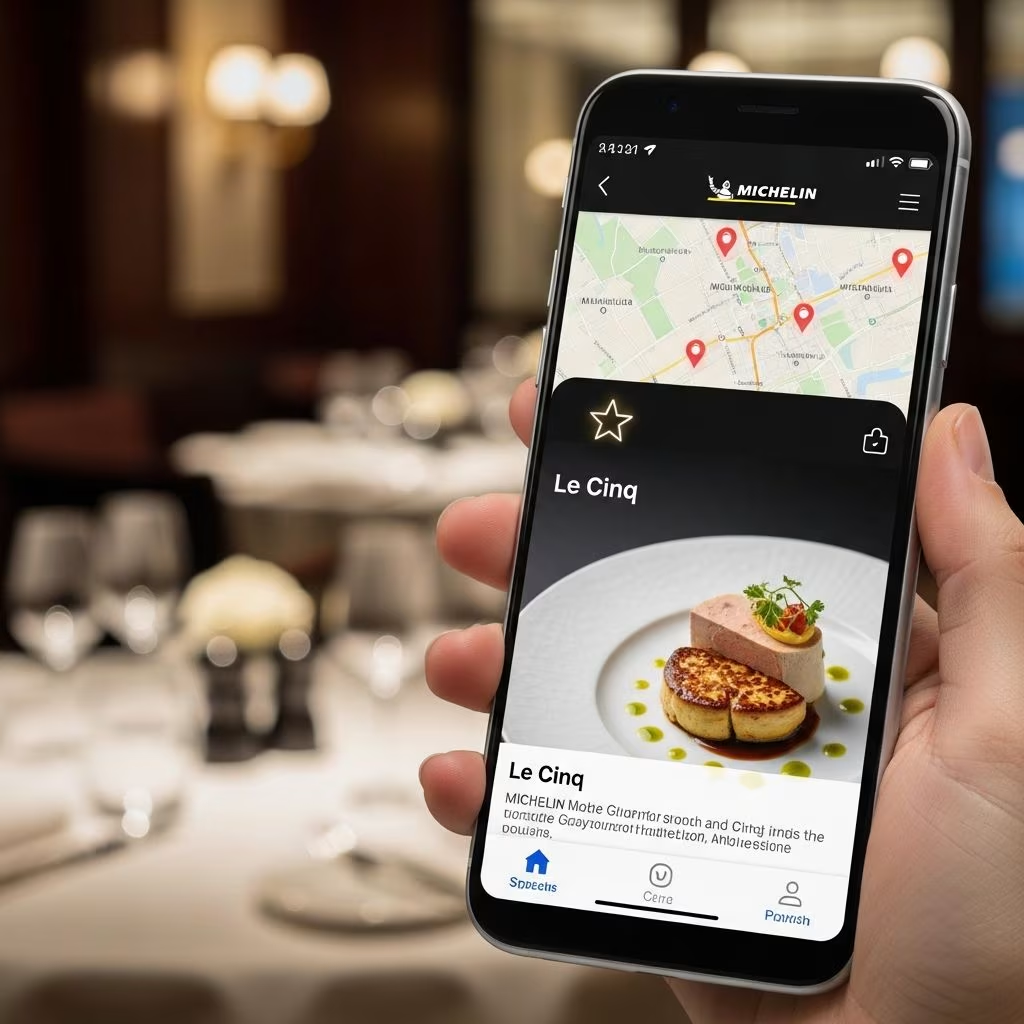
Start your culinary exploration at an upscale restaurant where executive chefs blend traditional techniques with modern sensibilities. Toronto’s dining landscape includes establishments where chefs draw inspiration from European and Asian culinary traditions, creating tasting menus that tell stories through carefully composed plates. These venues typically feature dishes such as creamy risotto preparations paired with delicate seafood options, showcasing how international ingredients find their way into Toronto kitchens. The ambiance complements the food, with impeccable service that guides diners through each course and explains the inspirations behind every creation.
Expect to encounter dishes that challenge conventional understanding of Canadian cuisine while honoring quality ingredients sourced from local and international suppliers. These fine dining experiences demonstrate why Toronto competes on a global culinary stage.
Evening Beverages with City Views
Following dinner, venture to a rooftop bar where panoramic vistas of Toronto’s skyline provide the backdrop for craft cocktails. These elevated venues craft drinks using premium spirits and fresh ingredients, with bartenders who understand flavor composition as deeply as any chef. The combination of innovative beverages, sophisticated atmosphere, and urban scenery creates memorable moments that highlight Toronto’s contemporary food culture.
Day 2: Exploring Spirits, Markets, and Neighborhood Dining
The second day shifts focus toward understanding Toronto’s artisanal production traditions while sampling neighborhood-level restaurants that represent the city’s multicultural character.
Distillery Tours and Craft Spirit Education
Begin your day by visiting a local distillery where educational tours reveal the complexities of spirit production. These experiences typically begin with a welcome cocktail, followed by guided explanations of how raw materials transform into finished spirits. Tour participants explore production facilities while learning about botanical selections, distillation methods, and aging processes. The experience culminates in tasting sessions where attendees sample multiple expressions from the distillery’s range, understanding how subtle variations in production create distinct flavor profiles. This hands-on knowledge enriches your appreciation for craft spirits encountered in bars and restaurants throughout your visit.
Dinner Featuring Regional Fusion Cuisine
Complete your day with dinner at a restaurant where chefs integrate Asian and Canadian flavors into constantly evolving menus. These establishments prioritize seasonal ingredients and regularly introduce new dishes that reflect the chef’s current inspirations. Menu items might feature deconstructed versions of traditional dishes combined with contemporary cooking techniques, creating familiar flavors presented in unexpected ways. The approach demonstrates how Toronto’s multicultural population influences restaurant innovation.
Day 3: Specialty Food Retailers and Artisanal Production
Day three focuses on the specialized food retailers and artisanal producers that represent Toronto’s commitment to quality and craftsmanship beyond restaurant settings.
Exploring Gourmet Cheese Collections
Visit a specialty cheese boutique that functions as both retail shop and educational institution. These establishments maintain climate-controlled environments designed to preserve cheese quality while offering extensive selections sourced from Canadian and international producers. Knowledgeable staff guide visitors through tastings that reveal how terroir, production methods, and aging affect flavor development. Many of these venues include vaults showcasing rare selections, creating spaces where cheese appreciation becomes an interactive experience. The tours conclude at in-house cafes serving pastries and beverages designed to complement cheese selections, creating complete tasting experiences.
Bakery Partnerships and Pastry Traditions
Connected to many gourmet retailers are bakery operations that emphasize handcrafted production and quality ingredients. These establishments honor European pastry traditions while incorporating elements reflecting Toronto’s cultural diversity. The partnership between cheese retailers and bakeries creates natural pairings where artisanal bread accompanies cheese tastings, and pastries provide accompaniment to coffee or tea service.
Day 4: Historic Markets and Mediterranean Flavors
Conclude your culinary journey by exploring Toronto’s most iconic food markets and experiencing global cuisine with contemporary presentation.
Historic Market Exploration
Toronto’s central markets represent the city’s food heritage, where vendors operate from spaces steeped in local history. These indoor markets provide weather-protected environments for sampling regional specialties and local products. Markets feature multiple vendor stalls offering fresh produce, cured meats, prepared foods, and specialty ingredients reflecting the diverse populations that have shaped Toronto’s food culture over decades.
The markets showcase products unique to Ontario and Canada, including specialty cuts of meat, regional vegetables, and distinctive condiments unavailable in standard grocery channels. First-time visitors often discover local products they associate with Toronto’s culinary identity, making market visits essential components of comprehensive food tourism.
Contemporary Mediterranean Dining
Complete your four-day journey with dinner featuring Mediterranean and Middle Eastern cuisine presented through contemporary culinary lenses. These restaurants honor traditional flavor profiles while employing modern cooking techniques and plating approaches. Menus typically feature fried cheese preparations, seafood dishes incorporating traditional flavor combinations, and vegetables prepared to showcase their inherent qualities. The cuisine celebrates bold flavors and quality ingredients, with preparations that respect traditional methods while embracing innovation.
Navigating Toronto’s Culinary Neighborhoods
Beyond specific restaurants and markets, Toronto’s neighborhoods each contribute distinct culinary characteristics that merit exploration.
Kensington Market: Bohemian Food Culture
This eclectic neighborhood has evolved into a cultural destination where vintage aesthetics mix with authentic international cuisines. Unlike corporate chain establishments, Kensington Market features independent restaurants and food vendors representing genuine cultural communities. The neighborhood remains relatively untouched by major commercial development, maintaining authenticity that appeals to food adventurers seeking genuine rather than commodified cultural experiences.
Chinatown: Asian Culinary Excellence
Adjacent to Kensington Market, Toronto’s Chinatown offers exceptional Asian cuisines ranging from traditional Chinese dim sum to contemporary preparations by chefs trained in multiple Asian culinary traditions. The neighborhood includes both casual street-level establishments and more refined dining venues, accommodating various budget levels and dining preferences.
Little India: Aromatic Spice Traditions
Running along Gerrard Street between specific avenue intersections, Little India transports visitors through aromatic spices and authentic Indian cuisine. The neighborhood’s restaurants and specialty food shops represent various Indian regional cuisines, offering experiences ranging from street food to formal dining.
Specialty Food Experiences Worth Prioritizing
Certain food experiences have become almost mandatory for culinary tourists visiting Toronto, representing products and traditions uniquely associated with the city and surrounding Ontario region.
Peameal Bacon: A Toronto Tradition
A wet-cured, unsmoked bacon made from pork loin rolled in cornmeal, peameal bacon represents a distinctly Ontario food tradition. Found primarily in Southern Ontario, this product defines Toronto’s food identity for many visitors. The most famous preparation consists of a peameal bacon sandwich from established vendors in historic markets, often accompanied by specialty mustards that create savory-sweet flavor combinations.
Diverse International Cuisines
Toronto’s multicultural population has created an environment where authentic international cuisines thrive across numerous neighborhoods. Vietnamese, Korean, Japanese, Italian, Mexican, Thai, and countless other culinary traditions operate through independent restaurants where cultural authenticity remains a priority. This diversity means that visitors can experience genuine cuisines representing multiple cultural communities rather than diluted versions designed for unfamiliar palates.
Practical Considerations for Food-Focused Travel
Timing and Reservations
Many acclaimed Toronto restaurants require advance reservations, particularly fine dining establishments. Planning your four-day itinerary with restaurant bookings made weeks in advance ensures access to popular venues. Consider timing your visits to align with restaurants’ operating hours, as some specialty venues maintain limited schedules.
Neighborhood Navigation
Toronto’s food districts cluster in specific areas, allowing efficient day planning. Grouping restaurants and markets by neighborhood minimizes travel time while maximizing food sampling opportunities. Public transportation efficiently connects major culinary destinations, making vehicle rental unnecessary for food-focused visitors.
Budget Flexibility
Toronto’s food scene accommodates various budget levels, from affordable street food and casual restaurants to premium fine dining establishments. Mixing budget-conscious neighborhood dining with occasional splurges at acclaimed venues creates satisfying experiences without excessive expenditure.
Beyond Four Days: Extended Culinary Exploration
Four days provides sufficient time to sample Toronto’s essential culinary highlights, but the city offers depth for extended stays. Food enthusiasts might dedicate additional time to exploring specific neighborhoods more thoroughly, visiting lesser-known restaurants, or taking cooking classes that provide hands-on experience with local ingredients and techniques.
Toronto’s position near wine-producing regions and Niagara Falls creates opportunities for extended food tourism combining urban dining with agricultural destination experiences.
Frequently Asked Questions
What makes Toronto’s food scene distinctive?
Toronto’s multicultural population and diverse immigration patterns have created a culinary environment where authentic international cuisines flourish alongside contemporary Canadian dining innovation. The city balances respect for traditional cooking methods with creative experimentation, resulting in unique food experiences unavailable elsewhere.
How should I budget for a four-day food-focused trip?
Budget varies dramatically based on dining choices. Street food and casual restaurants might average $15-25 per meal, while upscale establishments range from $75-200+ per person. Mixing budget levels throughout your stay creates satisfying experiences across price ranges.
Which neighborhoods should I prioritize for food exploration?
Kensington Market, Chinatown, Little India, and areas surrounding historic markets offer the most concentrated food experiences. However, neighborhoods throughout Toronto contain quality dining establishments worthy of exploration.
Do I need vehicle transportation to explore Toronto’s food scene?
No. Public transportation and walking sufficiently serve Toronto’s culinary districts. The city’s compact layout and efficient transit system make vehicle rental unnecessary for food-focused visits.
What local products should I try during my visit?
Peameal bacon, Ontario maple syrup, local craft spirits, artisanal cheeses, and foods reflecting Toronto’s multicultural communities represent authentic local products that define the city’s food identity.
References
- Four-Day Travel Itinerary of Toronto’s Local Cuisine — AFAR Magazine. 2024. https://www.afar.com/journeys/four-day-travel-itinerary-of-torontos-local-cuisine
- 4-Night Toronto Itinerary for First-Time Visitors — Appetites Abroad. 2024. https://www.appetitesabroad.com/toronto-itinerary/
- The Best 4 Day Toronto Itinerary for Visiting Canada — Madison’s Footsteps. 2024. https://madisonsfootsteps.com/4-day-toronto-vacation-guide/
- Foodie Tour Itinerary: Toronto Street Food & More — Destination Toronto. 2024. https://www.destinationtoronto.com/plan-your-trip/trip-ideas-and-itineraries/culinary/
- The Perfect 4 Days in Toronto, According to Locals — AFAR Magazine. 2024. https://www.afar.com/magazine/how-to-spend-four-days-in-toronto
On This Page
Day 1: Opening Your Palate with Fine Dining and Rooftop Experiences Day 2: Exploring Spirits, Markets, and Neighborhood Dining Day 3: Specialty Food Retailers and Artisanal Production Day 4: Historic Markets and Mediterranean Flavors Navigating Toronto's Culinary Neighborhoods Specialty Food Experiences Worth Prioritizing Practical Considerations for Food-Focused Travel Beyond Four Days: Extended Culinary Exploration Frequently Asked Questions← Previous
3-Day LGBTQ+ Toronto Itinerary: Pride, Village & Island Escapes
Next →
3-Day Toronto Art Itinerary: Museums, Murals & Neighborhoods
Related Reading
More in Food & Culture
Food & Culture Food & Culture
 Food & Culture
Best Places to Eat in Rome: Neighborhood Dining Guide
 Food & Culture
 Food & Culture