

 Travel Essentials
 Travel Essentials

Complete guide to experiencing Merida's cultural richness, vibrant markets, archaeological wonders, and authentic Yucatecan cuisine in four unforgettable days.
 Travel Essentials
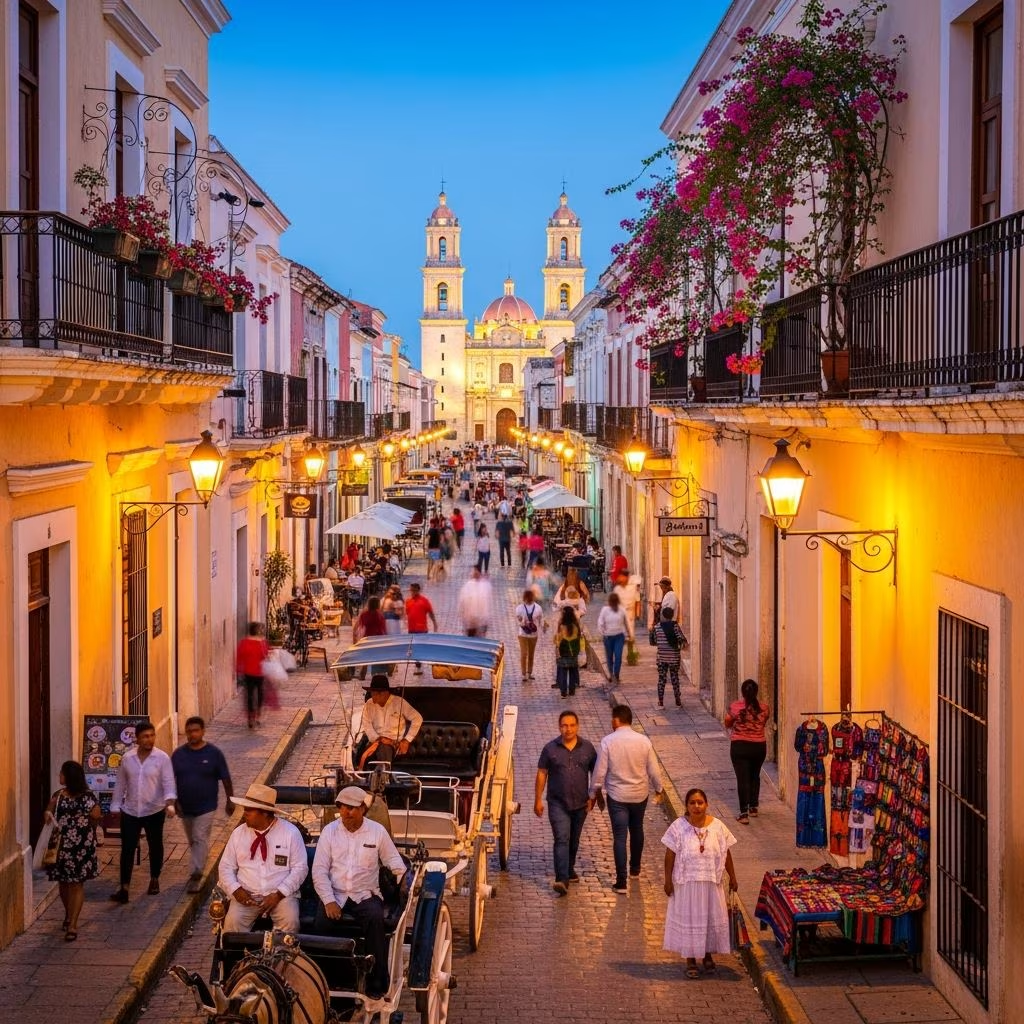
Nestled in the heart of Mexico’s Yucatan Peninsula, Merida represents a captivating blend of colonial heritage, indigenous Mayan culture, and contemporary vibrancy. This remarkable destination offers travelers an exceptional opportunity to immerse themselves in authentic Mexican experiences without the overwhelming crowds of more touristy areas. A four-day visit provides the perfect timeframe to navigate the city’s diverse attractions, from its enchanting plazas to its world-class culinary scene and nearby archaeological treasures.
The capital of Yucatan State, Merida serves as an ideal base for exploring one of Mexico’s most historically significant regions. Whether you’re seeking cultural immersion, gastronomic adventures, or connections to ancient civilizations, this itinerary guides you through the essential experiences that make Merida an unforgettable destination.
Before diving into specific activities, it’s essential to understand how Merida is organized and what makes it unique among Mexican destinations. The city’s layout follows a numbered grid system, making navigation straightforward once you grasp the basic structure. The historic center, known as the Centro, houses most of the colonial architecture and cultural attractions, while Paseo Montejo extends northward as a grand boulevard lined with elegant estates and modern establishments.
Merida distinguishes itself through its commitment to cultural preservation and community engagement. The city consistently ranks as one of Mexico’s safest destinations, allowing visitors to explore neighborhoods confidently. The local population takes considerable pride in their Mayan heritage and colonial history, evident in every restored facade and community celebration. This pride translates into exceptional hospitality and a genuine interest in sharing their culture with respectful visitors.
Your first day should focus on acclimating to Merida’s rhythm while absorbing its architectural heritage. Begin early in the morning with a leisurely walk along Paseo Montejo, the city’s most iconic boulevard. This tree-lined avenue stretches for several kilometers, showcasing mansions that once belonged to henequen plantation owners during Merida’s prosperous early twentieth century. The grand architecture reflects European influences, creating an atmosphere reminiscent of old-world elegance.
As morning transitions to midday, navigate toward the Centro, where Merida’s most significant plazas and monuments converge. The Plaza Grande serves as the heart of the historic district, surrounded by the magnificent Cathedral of Merida. This imposing structure, begun in 1561, represents centuries of religious and architectural significance. Take time to step inside and appreciate the soaring ceilings and historic artworks that chronicle the region’s spiritual journey.
Adjacent to Plaza Grande stands the Palacio del Gobierno, an administrative building transformed into an art gallery of sorts. The interior walls feature stunning murals by renowned artist Fernando Castro Pacheco, depicting scenes from Yucatecan history and Mayan mythology. These artistic renditions provide visual context for understanding the region’s complex past and the interweaving of indigenous and Spanish colonial influences.
For your first evening, head to Parque Santa Lucia, a charming square that comes alive as the sun descends. The park is surrounded by restaurants and cafes, making it an ideal spot for dinner while observing local life. The atmosphere here epitomizes Merida’s welcoming character, with families, couples, and groups of friends gathering to enjoy the pleasant evening air.
The second day introduces you to Merida’s gastronomic soul through its bustling markets and authentic dining venues. The Lucas de Galvez Market represents one of Mexico’s most impressive traditional marketplaces, encompassing 156,000 square feet with over 2,000 vendors. This sprawling bazaar attracts approximately 100,000 visitors daily, all seeking fresh produce, regional delicacies, artisanal crafts, and everyday essentials. The sheer scale and energy can be overwhelming, but that authenticity is precisely what makes the experience valuable.
Navigating the market independently offers adventure and discovery, but consider hiring a local guide familiar with the vendors and available products. A culinary-focused tour with a professional chef can transform your market visit into an educational experience where you learn about indigenous ingredients, traditional preparation methods, and regional specialties that define Yucatecan cuisine. These guided experiences typically cost around $100 per person for a two-hour exploration combined with a cooking demonstration.
The market sells far more than fresh goods. You’ll encounter stalls featuring:
After your market adventure, enjoy lunch at a traditional establishment where locals dine regularly. These unassuming restaurants typically feature simple plastic chairs and bright umbrellas, serving authentic Yucatecan dishes prepared using market ingredients purchased that very morning. The casual atmosphere and genuine flavors provide far more cultural insight than upscale tourist establishments.
A short journey outside Merida reveals the region’s agricultural past and natural splendors. The Sotuta de Peon hacienda represents one of the most well-preserved colonial estates in the region, offering comprehensive tours that illuminate the henequen industry that once drove the Yucatan’s economy. These tours last approximately three and a half hours and cost around 600 Mexican pesos (approximately $30 USD).
The hacienda experience includes multiple components that together paint a picture of colonial-era life and labor practices. Visitors tour the grand residence where plantation owners lived, then progress to areas explaining henequen cultivation and processing. A traditional mule-drawn cart traverses the fields themselves, providing a tangible connection to historical transportation and agricultural methods. Most tours include a stop at a traditional Mayan house, offering perspective on how indigenous families lived while working on these estates.
The highlight for most visitors involves swimming in the Dzul Ha cenote, a natural limestone sinkhole filled with crystalline freshwater. Cenotes hold profound significance in Mayan cosmology and served essential functions for ancient civilizations. Today, they represent refreshing natural attractions and ecological wonders. The cenote’s waters provide relief from the tropical heat while offering an intimate connection to the landscape that shaped this region’s history.
The hacienda, located approximately 45 minutes south of Merida, is easily reached via rideshare services. An onsite restaurant serves buffet-style meals, making it convenient to extend your visit and fully absorb the experience without logistical complications.
Your final day should balance relaxation with cultural engagement. Morning hours are ideal for any remaining exploration or revisiting favorite locations from previous days. Many visitors use morning hours to shop for souvenirs at smaller boutiques or visit artisan workshops showcasing local craftsmanship.
The evening transforms Merida into a celebration of cultural expression. On Thursday nights, Parque Santa Lucia hosts a free weekly performance featuring live music, traditional dancing, and poetry recitations. The event, conducted rapidly in Spanish with local commentary and audience participation, captures the spirit of community celebration. Merida’s residents treat this gathering as a social anchor, making it an authentic cultural experience rather than a tourist spectacle.
Position yourself at one of the restaurants surrounding the plaza, such as Apoala, to enjoy dinner while waiting for the 9 PM performance to commence. This establishment serves regional cuisine in a relaxed atmosphere conducive to people-watching and soaking in the plaza’s energy. Apoala also features a hidden bar accessible through an unmarked door in the parking area, offering an intimate space for after-performance drinks if desired.
The weekly performance showcases Yucatecan culture in its most genuine form—not choreographed for tourist consumption, but rather expressions of community identity and artistic tradition maintained by locals for locals. Your presence as a respectful observer adds to the international appreciation of these traditions rather than diminishing their authenticity.
While four days provides sufficient time for essential Merida experiences, additional attractions merit consideration for extended visits or future trips. The region hosts multiple archaeological sites, including the renowned Chichen Itza pyramid, approximately 120 kilometers from Merida. Cenotes abound throughout the countryside, each with distinct characteristics and varying levels of development. Some remain largely untouched natural features, while others offer amenities for swimming and exploration.
The nearby town of Valladolid, designated as a Pueblo Magico (magical town), deserves a day trip for its colonial architecture and bohemian character. The Ria Lagartos Biosphere Reserve attracts flamingos and other bird species, appealing to nature enthusiasts and photographers. Cooking classes in Merida teach preparation of authentic regional dishes, adding culinary skills to your cultural education.
Climate and Timing: Merida experiences a tropical climate with warm temperatures year-round. November through April offers the most comfortable weather, while May through October brings higher humidity and occasional heavy rainfall. Consider visiting during the dry season for optimal exploration conditions.
Transportation: Merida’s compact center is navigable on foot, though comfortable walking shoes are essential given the distances involved. Rideshare services provide affordable options for reaching outlying attractions. The city also features a colorful bus system for those comfortable with public transportation, though services are most convenient for major routes.
Dining Approach: Budget dining experiences offer exceptional value and authenticity. Street food and market restaurants serve delicious regional specialties at modest prices. Upscale establishments exist for special occasions, but your best gastronomic experiences likely await in humble settings frequented by locals.
Currency and Costs: Mexico uses the Mexican peso. Budget approximately $30-60 USD daily for meals outside upscale restaurants, $15-25 for museum entries and attraction fees, and $5-15 for local transportation. Tours and specialized experiences typically range from $25-100 per person depending on duration and inclusions.
Merida offers diverse lodging options accommodating various budgets and preferences. Budget travelers find hostels throughout the Centro offering dormitory and private room options. Mid-range hotels cluster around Paseo Montejo and the historic center, offering comfortable amenities with local character. Luxury properties provide resort-style experiences with pools and premium dining, though their corporate feel contrasts with the authentic experiences that make Merida special.
Staying in the historic center or near Paseo Montejo provides optimal access to primary attractions while minimizing transportation needs. The short distances between major sites reduce time spent traveling and maximize hours available for genuine exploration and cultural engagement.
Successful visits require minimal preparation but benefit from basic awareness. Spanish language skills enhance interactions, though English is spoken in tourism-oriented establishments. Learning basic Spanish phrases demonstrates respect for local culture and frequently results in warmer welcomes and more authentic experiences.
Sun protection is essential given intense tropical UV radiation. Apply sunscreen liberally and frequently, wear hats and sunglasses, and seek shade during peak afternoon hours. Hydration requires consistent attention—the heat and humidity facilitate rapid dehydration, so carry water throughout the day.
Respect for local customs and traditions enhances your experience while demonstrating appreciation for the communities hosting you. Dress modestly when visiting religious sites, ask permission before photographing individuals, and support local businesses rather than international chains whenever feasible.
Four days allows comprehensive exploration of the city and at least one extended excursion to nearby attractions. This duration balances time efficiency with experiential depth, preventing rushed itineraries while respecting time constraints typical of most travelers.
November through April offers optimal weather with lower humidity and minimal rainfall. May through October brings higher temperatures and humidity, though tourism crowds decrease correspondingly, potentially allowing more intimate cultural engagement.
Merida consistently ranks among Mexico’s safest destinations, with lower crime rates than many international cities. Standard travel precautions apply, but visitors can explore neighborhoods with confidence during daylight and early evening hours.
Cochinita pibil (slow-roasted pork), panuchos (stuffed tortillas), and ceviche represent quintessential Yucatecan dishes. Fresh tropical fruits and indigenous herbs reflect agricultural traditions. Market dining and cooking classes provide optimal venues for authentic culinary exploration.
Yes, Chichen Itza, Uxmal, and other significant sites are accessible via day trips from Merida. Guided tours typically include transportation, entrance fees, and historical context, simplifying logistics while enhancing educational value.
