

 Travel Essentials
 Travel Essentials

Explore Asheville's rich musical traditions across four days, featuring live music venues, record shops, and the city's legendary Americana heritage.
 Travel Essentials
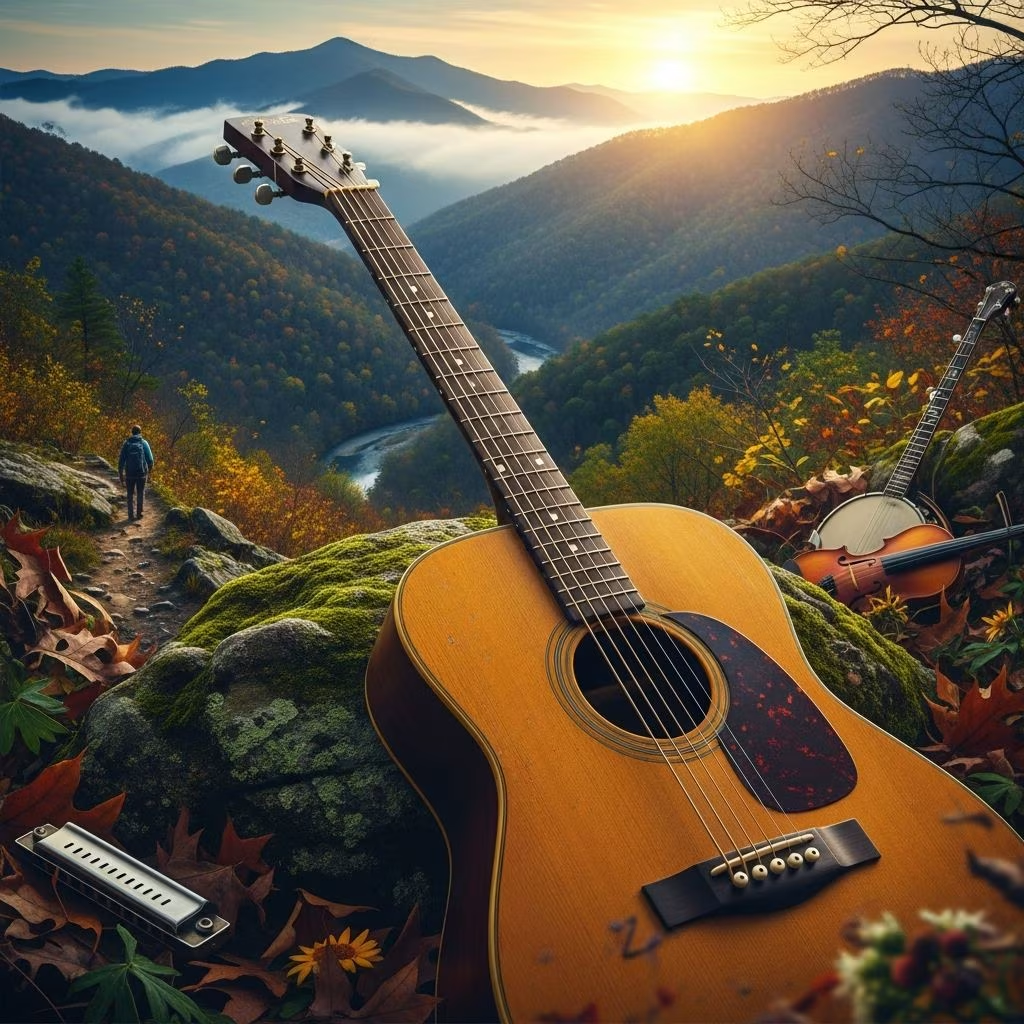
Nestled in the Blue Ridge Mountains of North Carolina, Asheville has earned its reputation as one of the Southeast’s premier destinations for music enthusiasts and cultural explorers. The city’s relationship with music extends far beyond contemporary performances; it is woven into the very fabric of the region’s identity, connecting modern audiences to decades of artistic expression and traditional American sound. For those seeking an immersive experience that combines live performances, historic discovery, and hands-on engagement with music culture, a four-day expedition through Asheville offers an unparalleled opportunity to experience how a community celebrates and preserves its sonic heritage.
The historical significance of Asheville in the broader context of American music cannot be overstated. The city became a focal point for early commercial recordings of traditional Appalachian music, establishing itself as a crucial documentation center for folk and roots traditions. This legacy continues to inform contemporary musical practices and cultural events throughout the region. The preservation of this history through educational initiatives, commemorative events, and dedicated music spaces demonstrates how communities can honor their past while fostering contemporary artistic innovation.
Understanding this historical context enhances any musical journey through the city. Rather than experiencing venues and performances in isolation, visitors can appreciate how current artists draw inspiration from earlier recording sessions and traditional forms that define regional identity. This connection between past and present creates a more meaningful engagement with live music and recorded material.
Begin your musical expedition by familiarizing yourself with Asheville’s vinyl culture. Local record shops serve as more than retail spaces; they function as informal archives and gathering points for music enthusiasts. These establishments stock curated selections spanning multiple genres, eras, and regional traditions. Staff members typically possess deep knowledge about inventory and can recommend starting points based on your musical interests.
Spend time browsing collections to identify albums that resonate with you, whether they represent classic recordings from the region’s golden era or contemporary releases by local artists. The tactile experience of examining vinyl records—reading liner notes, observing cover artwork, and understanding production details—provides context that digital formats cannot replicate.
Asheville’s live music venues range from intimate spaces accommodating modest audiences to larger theaters hosting performances by nationally recognized acts. Your first evening should introduce you to the venue ecosystem. Select a venue that matches your comfort level and musical preferences, understanding that venue culture significantly shapes the concert experience.
Arrive early to absorb the atmosphere, interact with venue staff and other music patrons, and potentially discover opening acts that may become new favorites. The social dimensions of live music—connection with fellow enthusiasts, shared emotional responses to performances, and the spontaneity of live presentation—distinguish these experiences from recorded listening.
Asheville offers educational opportunities that contextualize its musical significance. Libraries, cultural centers, and music organizations frequently host panels, lectures, and documentary screenings exploring regional music history. These programs often feature music historians, descendants of early recording artists, and contemporary performers who can articulate connections between historical traditions and modern musical practice.
Participation in these educational events provides framework for understanding the music you’ll encounter throughout your stay. Learning about recording techniques, historical social contexts, and the evolution of specific musical forms enriches your appreciation for both archival recordings and contemporary performances.
Use your second day to visit multiple venues across different neighborhoods. This geographical exploration reveals how music culture is distributed throughout the city rather than concentrated in a single district. Different venues attract different audiences and host varying musical genres, from jazz ensembles to folk performers to contemporary bands drawing on traditional influences.
Each venue develops its own character through architectural design, sound engineering, programming philosophy, and community engagement strategies. Visiting multiple spaces allows you to identify which environments best match your listening preferences and social comfort.
Dedicate your third day to extended musical engagement. Many visitors experience this day through attendance at larger festivals or by creating self-directed multi-venue itineraries. These approaches allow you to encounter diverse artists and musical styles within a concentrated timeframe.
Festival environments facilitate social connection with fellow music enthusiasts and provide opportunities to discover artists outside your established listening patterns. The curated programming typically includes both established performers and emerging talent, creating unexpected musical encounters that often become memorable highlights of any trip.
Beyond passive audience roles, many venues and organizations offer participatory experiences such as workshops, informal jam sessions, or artist meet-and-greets. These interactions provide opportunities to discuss music directly with performers, understand their creative processes, and form personal connections with artists.
Your concluding day should balance final musical experiences with reflective time. Return to a venue or performance space that resonated particularly strongly, or explore one final new location. This selective approach prevents fatigue while maintaining engagement with the musical ecosystem you’ve begun to understand.
Dedicate time to acquiring vinyl records, merchandise, or other musical materials. Purchases made at local shops support community businesses and provide lasting physical reminders of your musical journey. These items become conversation pieces and listening materials that continue your connection to Asheville’s music scene after returning home.
| Venue Category | Typical Capacity | Atmosphere | Audience Demographics |
|---|---|---|---|
| Intimate Clubs | 50-200 | Close proximity to performers, conversational energy | Local regulars, dedicated fans |
| Mid-Size Theaters | 300-800 | Professional staging, mixed standing/seating | Regional music enthusiasts, diverse ages |
| Large Performance Halls | 1000+ | Concert-style presentation, reserved seating | General audiences, touring act fans |
| Festival Grounds | Varies | Outdoor or mixed indoor/outdoor, community gathering | Festival-goers, casual music fans |
Asheville’s musical landscape encompasses multiple genres and traditions. Roots music, including bluegrass, folk, and Americana, connects contemporary performances to historical regional traditions. Jazz and blues traditions maintain strong presence through dedicated venues and performer communities. Contemporary rock, indie, and electronic music coexist with traditional forms, reflecting how communities evolve musically while maintaining historical connections.
Understanding these genre distinctions helps you navigate programming and select performances aligned with your interests. Many venues and organizations provide detailed program descriptions and artist bios that assist in decision-making.
Asheville’s climate and tourism patterns influence your trip experience. Spring and fall typically offer pleasant weather and substantial programming. Summer brings increased tourism, while winter programming becomes more selective. Planning around specific festivals or commemorative events creates thematic frameworks for your musical journey.
Selecting accommodations within walking distance of multiple venues reduces transportation concerns and encourages spontaneous exploration. Asheville’s downtown area concentrates many music venues, facilitating movement between locations. Understanding venue locations relative to dining, lodging, and retail options creates logistical efficiency.
Ticket prices vary significantly based on venue size, artist recognition, and performance type. Many venues and organizations offer free or reduced-cost programs, particularly educational panels and daytime performances. Record shop purchases and dining expenses contribute to overall trip costs, but numerous price points accommodate different budgets.
Live music venues in Asheville range from casual, intimate settings where you can easily interact with performers to professional concert halls with premium sound engineering and reserved seating. Many venues maintain relaxed atmospheres encouraging social interaction, while others emphasize focused listening experiences. Researching specific venues beforehand helps match expectations to actual environments.
Yes. Asheville’s vibrant local music community means venues regularly feature emerging artists, local bands, and opening acts alongside established performers. Festival programming typically includes emerging talent alongside headliners. Venue staff and fellow music enthusiasts can recommend up-and-coming artists worth exploring.
Prior knowledge enhances appreciation but is not essential. Educational programming and informal conversations with musicians and venue staff provide historical context for new visitors. Approaching the trip with curiosity rather than existing expertise often leads to organic learning and unexpected discoveries.
Vinyl records represent physical connections to musical history and creative processes. Record shops serve community functions beyond retail, acting as gathering spaces and cultural institutions. Collecting vinyl encourages sustained engagement with music and supports local businesses. The tactile experience of vinyl listening differs meaningfully from digital formats.
Both approaches have merit. Self-directed exploration allows personalized pacing and spontaneous discovery, while organized programs provide expert curation and educational frameworks. Many visitors combine approaches, following structured programs for historical orientation while maintaining flexibility for personal musical preferences.
Your four-day musical journey through Asheville creates opportunities for connection—to historical traditions, contemporary artists, fellow music enthusiasts, and your own musical identity. The city’s commitment to honoring its heritage while fostering contemporary expression provides space for meaningful engagement with music culture.
Visitors often find that their Asheville experiences spark deeper interest in regional music traditions, inspire support for local artists, and encourage future participation in music communities. The connections formed during these days—whether through specific performances, conversations with musicians, or shared experiences with fellow travelers—frequently become lasting elements of personal music appreciation practices.
By structuring your visit around systematic exploration of venues, educational engagement, record collection development, and reflective listening, you transform a brief trip into a comprehensive introduction to how contemporary communities celebrate, preserve, and create music culture rooted in deep historical traditions.
