


 Food & Culture
Food & Culture
48 Hours in Chişinău, Moldova: What to See and Do
Explore Chişinău's blend of Soviet architecture, cultural attractions, and wine traditions. A comprehensive guide to maximizing your short stay.
 Food & Culture
Nestled between Ukraine and Romania, Moldova’s capital city offers visitors an intriguing blend of historical layers, contemporary culture, and accessible attractions that make it an ideal destination for a short weekend escape. While Chişinău may not boast the iconic landmarks found in Western European capitals, its charm lies in the experience of wandering through tree-lined avenues, exploring diverse architectural styles, and engaging with the city’s vibrant cultural scene. This guide provides a strategic approach to experiencing the best of what this compact yet captivating city has to offer during a two-day visit.
Getting Oriented: Understanding Chişinău’s Layout and Accessibility
One of the greatest advantages of visiting Chişinău is its manageable size and walkability. The city center concentrates most major attractions within a half-kilometer radius, making it possible to navigate on foot without relying on public transportation. This compact geography means travelers can maximize their time experiencing attractions rather than spending it commuting between distant locations.
The main thoroughfare, Boulevard Ştefan cel Mare, serves as the city’s primary orientation point and cultural spine. This grand avenue connects numerous important institutions and showcases an architectural journey through different historical periods. For those preferring alternative transportation, taxis remain highly affordable, with local trips typically costing around $2 USD, making them accessible for occasional use.
Chisinau’s reputation as a “green city” reflects its abundant parks and tree-lined streets that provide pleasant walking environments throughout the downtown area. This abundance of green spaces offers respite from urban exploration and creates numerous opportunities for casual strolls between cultural visits.
Day One: Architectural Exploration and Historical Discovery
Morning: Navigating the Central Boulevard
Begin your first day by heading northwest along Boulevard Ştefan cel Mare, the city’s most important thoroughfare. This walk introduces you to Chişinău’s architectural diversity, where elegant fin-de-siècle buildings stand alongside imposing Soviet-era structures. The architecture itself tells the story of Moldova’s complex past, with each style representing different periods of governance and cultural influence.
Key stops along this route include:
- The City Hall, notable for its distinguished neoclassical design
- The Organ Hall, featuring impressive late 19th-century craftsmanship
- Various Soviet-era administrative buildings that exemplify the post-1940s urban planning philosophy
Mid-Morning: Museum Immersion
Southwest of the main boulevard lies the National Archaeology & History Museum, identifiable by the Soviet-era helicopter displayed in its courtyard. This institution houses approximately 300,000 artifacts documenting Moldova’s 2000-year history. The museum operates as a self-guided experience, allowing visitors to proceed through various exhibit rooms at their own pace and focus on periods of particular interest.
For those with artistic inclinations, the nearby National Art Museum offers a well-rounded collection of works spanning different periods and styles. Both museums are conveniently located near Street 31 Aug 1989, which functions as a dining and bar hub, positioning visitors perfectly for lunch decisions.
Afternoon: Cathedral Square and Government District
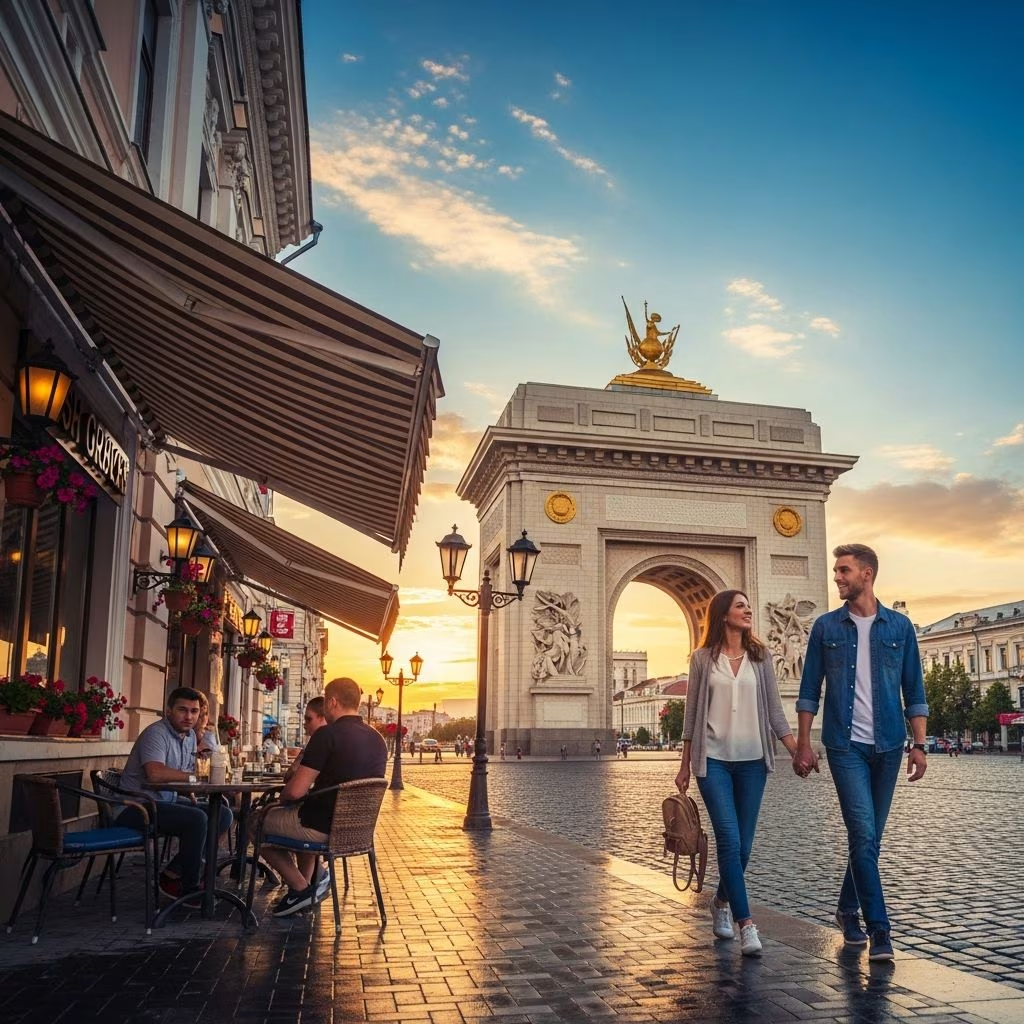
The area surrounding Cathedral Square (Parcul Catedralei) represents the governmental and spiritual heart of Chişinău. Most major attractions cluster within this zone, including the Orthodox Cathedral and the statue of Stephen the Great, the 15th-century Moldovan king whose image appears on the national currency. The triumphal arch adds to the architectural grandeur of this historic precinct.
From Cathedral Square, visitors can explore the adjacent Ştefan Cel Mare Park, which features the country’s revered national monument. This verdant space provides opportunity for leisurely contemplation while observing locals enjoying recreational activities.
Evening: Wine Introduction and Dining
Conclude your first day by exploring pedestrianized Str E Doga, which borders the northeast side of Cathedral Park. This area features numerous outdoor bars and restaurants where you can begin sampling Moldovan wines in a casual setting. Moldova’s wine tradition represents one of the country’s most significant cultural elements, and early evening provides an ideal time to familiarize yourself with local varieties.
Day Two: Wine, Culture, and Alternative Experiences
Morning: Coffee and Literary History
Start your second day at Crème de la Crème, a charming café that sets an appropriate tone for the morning. From here, a 10-minute walk through pleasant residential streets leads to the Pushkin Museum, situated on the site where renowned Russian poet Alexander Pushkin spent three years in exile during the 1820s. This intimate museum offers fascinating insights into the poet’s time in Moldova and the cultural connections between Russia and the region.
Mid-Day: Wine Production Experience
One of Chişinău’s most distinctive attractions involves descending beneath the earth to experience Moldova’s underground wine industry. The Cricova complex represents an extraordinary achievement in wine storage and production, with tunnels extending 80 meters underground. Visitors traverse these subterranean passages via electric tram, stopping at sections named for the wines aging in each area.
The Cricova experience includes:
- Observation of sparkling wine production facilities
- Access to the national wine collection featuring some of the world’s oldest bottles
- Tastings conducted in uniquely decorated underground chambers
- Historical anecdotes about notable visitors, including cosmonaut Yuri Gagarin
Visitor numbers remain limited at Cricova, necessitating advance booking through local travel agents. The facility is accessible via public bus or approximately 20-minute taxi ride from downtown Chişinău.
Alternative Excursion: Orheiul Vechi Monastery
For those preferring non-wine cultural experiences, the Orheiul Vechi (Old Orhei) cave monastery offers a compelling alternative half-day excursion. Located 50 kilometers north of Chişinău, this mesmerizing hilltop monastery overlooks the Răut River and represents Moldova’s most famous archaeological site. The journey provides opportunity to experience the rural countryside while encountering medieval religious architecture integrated dramatically into the natural landscape.
Evening: Cultural Performance
Conclude your 48-hour experience with an evening at the Opera & Ballet Theatre. Performance tickets remain remarkably affordable, typically ranging from 50 to 200 lei (approximately $2.50 to $10 USD). While the theatre maintains an erratic schedule and closes during much of the summer season, Sunday 4 p.m. performances are generally reliable. An evening at the opera provides a sophisticated cultural experience and an opportunity to observe the refined side of Chişinău society.
Final Hours: Reflection and Observation
After the performance, settle at Mojito, an outdoor terrace restaurant that offers optimal people-watching opportunities from elevated vantage points. Order a beverage—local Moldovan wines, international cocktails, or non-alcoholic options—and spend your final hours reflecting on the experiences accumulated during your short visit while observing the rhythm of evening life in Chişinău.
Practical Considerations for Your Visit
Seasonal Timing
Plan your visit strategically regarding season. The opera theatre’s summer closure and limited performance schedules mean spring and autumn typically offer more cultural programming options. Summer heat can make daytime walking less comfortable, though outdoor dining experiences become more pleasant.
Currency and Budget Planning
Moldova uses the Moldovan leu as its currency. Prices for attractions, dining, and transportation remain reasonable compared to Western European standards. Museums typically charge modest entrance fees, and wine tastings remain accessible regardless of budget level.
Archaeological and Architectural Appreciation
Visitors will benefit most from developing appreciation for architectural layering rather than seeking single iconic landmarks. The juxtaposition of neoclassical elegance, Soviet functionalism, and contemporary development creates the city’s distinctive character. Photography enthusiasts should prepare to capture this architectural diversity from varied angles and lighting conditions.
Frequently Asked Questions
Do I need a visa to visit Chişinău?
Moldova’s visa requirements depend on your nationality. Since Moldova is not part of the European Union, borders exist between Moldova and its neighboring countries. Citizens of many countries receive visa-free access for up to 90 days, but it is essential to verify specific requirements based on your passport before traveling.
How much time do I actually need for a meaningful Chişinău experience?
While 48 hours allows visitors to experience major attractions and gain a general impression of the capital, some travelers find that extended time better captures the city’s character and allows for deeper cultural engagement. However, two days suffices for visiting principal museums, trying wine, and observing the city’s architectural landscape.
What should I know about transportation between attractions?
The city center’s walkability means most major attractions are accessible on foot. Public transportation includes buses and trolleybuses, though these are unnecessary for central attractions. Taxis offer affordable alternatives for reaching more distant sites like the underground wineries.
Is Chişinău safe for tourists?
Chişinău is generally considered safe for tourists in the city center, particularly during daylight hours. Exercise standard urban safety precautions, particularly in less developed areas or late evening hours.
Extending Your Moldovan Experience
While this guide focuses on 48 hours in Chişinău specifically, visitors often discover that Moldova’s greatest appeal lies in the countryside beyond the capital. Rolling hills covered in sunflowers, lilac blossoms, and extensive vineyards comprise the rural landscape. Extending your visit to three or four days allows exploration of wine regions, monasteries, and villages that provide deeper understanding of Moldovan culture and natural beauty.
The architectural juxtaposition, cultural programming, and culinary traditions encountered in Chişinău serve as an excellent introduction to this frequently overlooked Eastern European destination. A 48-hour visit establishes familiarity with the capital while potentially inspiring return visits to explore the country more comprehensively.
References
- 48 Hours In Chisinau, Moldova: What To See — Julia Something. Accessed April 2026. https://juliasomething.com/how-to-spend-48-in-chisinau-moldova/
- Moldovan mini-break: two days in Chişinău — Lonely Planet. Accessed April 2026. https://www.lonelyplanet.com/articles/moldovan-mini-break-48-hours-in-chisinau
- 48 hours in Chisinau, Moldova – what to do and what to see — Places of Charm. June 2024. https://www.placesofcharm.com/blog/2024/6/16/what-to-do-what-to-see-in-chisinau-moldova
- 48 (or 72) Hours in Chisinau — Moldova Matters by David Smith. Accessed April 2026. https://www.moldovamatters.md/p/48-or-72-hours-in-chisinau
← Previous
Malta with Kids: Best Family Beaches, Attractions & Tips
Next →
Grenoble Travel Guide: Best Things to Do in the French Alps
Related Reading
More in Food & Culture
Food & Culture Food & Culture
 Food & Culture
Best Places to Eat in Rome: Neighborhood Dining Guide
 Food & Culture
 Food & Culture