


 Food & Culture
Food & Culture
48 Hours in Hiroshima: Peace Park, Miyajima & Okonomiyaki
Maximize your time in Hiroshima with visits to Peace Memorial sites, Miyajima's floating shrine, local okonomiyaki feasts, and vibrant nightlife.
 Food & Culture
Hiroshima stands as a city of profound resilience, blending somber historical reflections with vibrant modern life. Nestled along Japan’s Inland Sea, it offers visitors a compact yet immersive experience over two days. This guide outlines an efficient itinerary focusing on key landmarks, culinary delights, and serene escapes, allowing you to grasp the essence of this misunderstood metropolis without rushing.
Day 1: Embracing Remembrance and Revival
Begin your weekend by confronting Hiroshima’s past while discovering its cultural rebirth. Start early to avoid crowds and make the most of daylight hours.
Morning: Peace Memorial Park and Surroundings
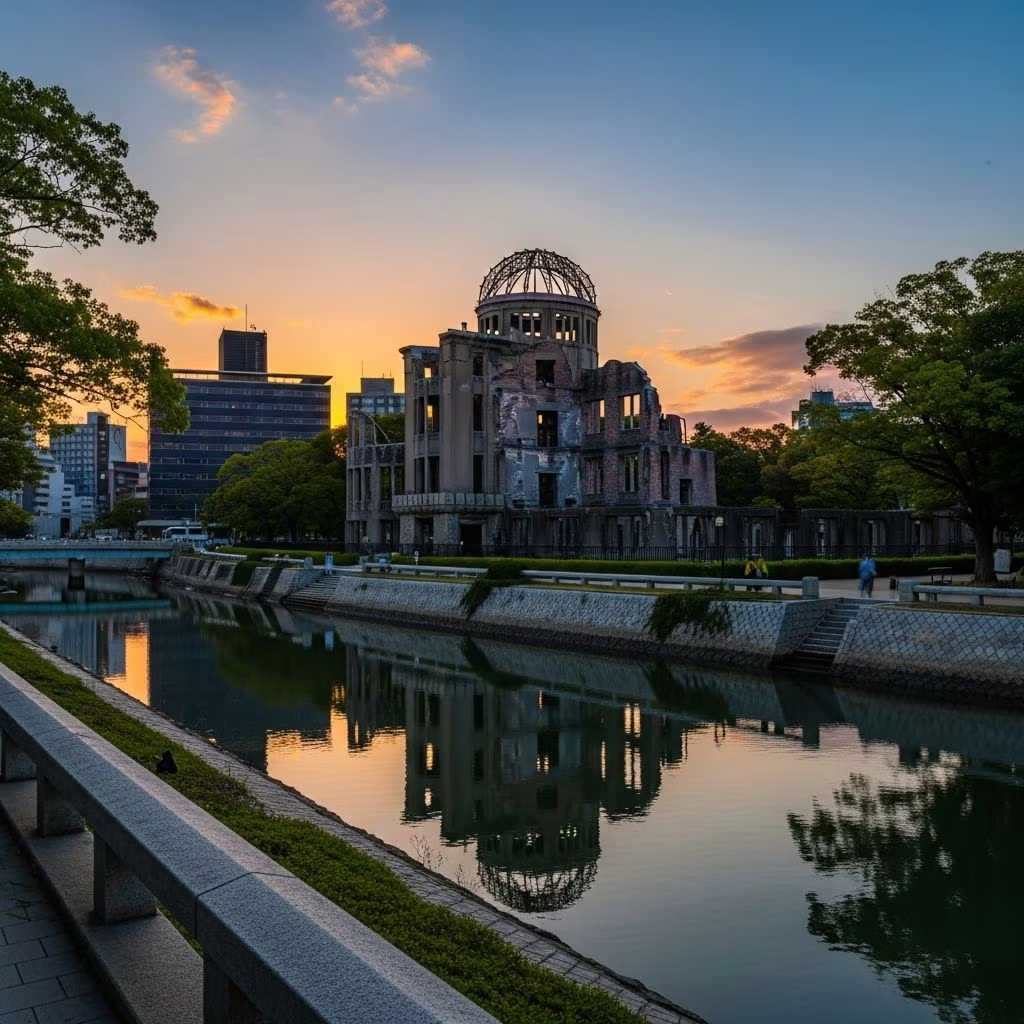
Your first stop is the Hiroshima Peace Memorial Park, a sprawling green space dedicated to the victims of the 1945 atomic bombing. Walk along the Ōta River bank toward the iconic Atomic Bomb Dome, a skeletal remnant of the Hiroshima Prefectural Industrial Promotion Hall that survived the blast. This UNESCO World Heritage site symbolizes the city’s destruction and determination to rebuild.
Continue to the park’s cenotaph, where an eternal flame burns as a plea for nuclear disarmament—intended to continue until all atomic weapons are abolished worldwide. Nearby, the Hiroshima National Peace Memorial Hall for the Atomic Bomb Victims offers a contemplative space. Designed by architect Kenzo Tange, its underground structure features rounded walls and a symbolic fountain providing water for the thirsty souls of victims.
- Tip: Allocate 2-3 hours here; audio guides enhance the emotional depth of exhibits.
- Entry fees are modest, around ¥200 for the hall.
Afternoon: Historical Landmarks and Art
From the park, head to Hiroshima Castle, reconstructed after the war to evoke its Edo-period grandeur. Climb to the top for panoramic city views and explore exhibits on samurai history. It’s a short walk or tram ride away, making it seamless to include.
For art enthusiasts, detour to the Hiroshima Museum of Art, housing works by Monet, Picasso, and local artists. Its modernist building complements the day’s themes of preservation and renewal.
Evening: Dive into Okonomiyaki Heaven
Hiroshima’s culinary claim to fame is okonomiyaki, a layered savory pancake customizable with cabbage, noodles, eggs, and toppings like oysters or pork. Head to Okonomimura, a multi-level food hall with dozens of stalls. Watch chefs perform the teppan grill dance—flipping and stacking ingredients before drizzling with sauce. Try it at a spot like Okonomiyaki Mitchan Sohonten for an authentic bite.
| Dish | Key Ingredients | Best Spots |
|---|---|---|
| Hiroshima-style Okonomiyaki | Cabbage, noodles, egg, sauce | Okonomimura, Mitchan Sohonten |
| Oyster Okonomiyaki | Fresh oysters, cheese optional | Street stalls near Miyajima |
| Yakitori Skewers | Grilled chicken, veggies | Torisei for budget bites |
After dinner, wander the lively streets for nightlife. Hiroshima pulses with izakayas and bars offering sake pairings. Taxis are affordable (under ¥1,000 per ride), perfect for hopping between spots.
Day 2: Island Adventures and Scenic Heights
Shift gears to nature with a day trip to Miyajima Island, one of Japan’s most photographed sites. It’s easily accessible via train and ferry from Hiroshima Station—JR Pass holders travel free.
Morning: Ferry to Itsukushima Shrine
Catch an early ferry from Miyajimaguchi (25 minutes south). As you approach, spot the massive vermillion torii gate of Itsukushima Shrine rising from the sea—a UNESCO marvel dedicated to sea and storm deities. At high tide, it appears to float; low tide reveals its sturdy legs. Slip off your shoes to explore the wooden corridors and pavilions.
Wild deer roam freely, adding whimsy—feed them crackers sold nearby, but watch your maps!
Afternoon: Temples, Trails, and Treetop Views
Climb to Daishō-in Temple, a serene Buddhist complex with manicured gardens, statues, and prayer wheels. Spin them clockwise for blessings.
Hike or take the Miyajima Ropeway to Mount Misen’s summit (535m). Cable cars whisk you through forests to observation decks with sweeping Inland Sea vistas. Trails pass maple groves (stunning in autumn) and ancient temples.
- Ropeway Details: Round-trip ~¥2,000; 20-30 minutes total ascent.
- Pack water; summit cafes serve matcha and deer-proof snacks.
Late Afternoon: Oyster Extravaganza and Shopping
Miyajima excels in oysters—grilled, fried, or raw. Sample at stalls like Kin no Kaki or Akushu Cafe, where cheese-topped versions shine. Stroll Omotesandō Street for souvenirs: momiji manju (maple leaf sweets), wooden rice scoops, and deer-themed trinkets.
Return via JR ferry (10 minutes) to the mainland for a quick stop at Orizuru Tower. Its observation deck offers 360° city views and origami crane exhibits symbolizing peace.
Practical Essentials for Your Trip
Stay centrally: Hilton Hiroshima provides modern comfort near landmarks, with pools and saunas for unwinding. Budget: ¥15,000-25,000/day including food, transport, entries (less with JR Pass).
- Getting Around: Trams (¥200/ride), bikes, or taxis.
- Best Time: Spring cherry blossoms or autumn foliage.
- Extensions: Day trip to Himeji Castle en route to Kyoto via shinkansen.
Frequently Asked Questions
How do I get to Miyajima from Hiroshima?
Take the JR Sanyo Line to Miyajimaguchi (25 min), then a 10-min ferry. Total ~45 min, covered by JR Pass.
Is Hiroshima safe for solo travelers?
Yes, extremely—low crime, efficient transit, English signage at majors sites.
What if it rains?
Indoors: Peace Museum, Castle, Okonomimura. Umbrellas everywhere; ropeway runs regardless.
Vegetarian okonomiyaki options?
Yes—request no meat/seafood; cabbage-noodle base is filling.
High tide times for torii gate?
Check apps like Tides Near Me; peaks 2x daily, best 9-11 AM/7-9 PM.
Why Hiroshima Captivates
Beyond sites, Hiroshima embodies peace advocacy. Annual ceremonies draw global visitors. Its food scene—oysters from bay farms, layered pancakes—fuels energy for exploration. Nightlife rivals Tokyo’s energy in a compact package. This 48-hour blueprint balances reflection with joy, leaving you inspired.
Extend for Carp baseball games or nearby Onomichi for cycling paths. Hiroshima reveals Japan’s multifaceted soul: scarred yet soaring.
References
- 48 Hours in Hiroshima – Peace Park, Miyajima Island & Okonomiyaki — YouTube (Allan Su). Accessed 2026. https://www.youtube.com/watch?v=BhELQO12yAc
- 48 hours in Hiroshima — Lonely Planet. Accessed 2026. https://www.lonelyplanet.com/articles/48-hours-in-hiroshima
- How to spend 48 hours in Hiroshima — The Spectator. Accessed 2026. https://spectator.com/article/how-to-spend-48-hours-in-hiroshima/
- 48 Hours in Hiroshima ⛩️ 8 Things to do in Japan’s Legendary City — YouTube. Accessed 2026. https://www.youtube.com/watch?v=EC2rOFE5TCs
- How to spend 48 hours in Hiroshima — Tatler Asia. Accessed 2026. https://www.tatlerasia.com/lifestyle/travel/how-to-spend-48-hours-in-hiroshima
← Previous
40 Amazing Europe Travel Experiences for Every Kind of Traveler
Next →
Azores Island Hopping Guide: Best Islands, Itineraries & Tips
Related Reading
More in Food & Culture
Food & Culture Food & Culture
 Food & Culture
Best Places to Eat in Rome: Neighborhood Dining Guide
 Food & Culture
 Food & Culture