

 Travel Essentials
 Travel Essentials

A comprehensive travel guide covering historical landmarks, dining experiences, and cultural attractions for visitors with limited time in Vietnam's dynamic commercial capital.
 Travel Essentials
Ho Chi Minh City, still affectionately called Saigon by locals and many travelers, stands as Vietnam’s most dynamic and economically significant urban center. This bustling metropolis represents a compelling blend of French colonial heritage, modern economic growth, and Vietnamese cultural authenticity. For visitors with limited time, strategically planning a two-day itinerary ensures you experience the city’s most compelling attractions while maintaining a sustainable pace. Whether you’re drawn to historical sites, culinary adventures, or architectural marvels, Ho Chi Minh City delivers memorable experiences within a 48-hour timeframe.
The city is organized into numerous districts, with District 1 serving as the primary hub for historical landmarks and tourist attractions. Most major sites cluster within walking distance or a short ride via Grab (Vietnam’s ride-sharing platform) or traditional taxis. The city’s wide boulevards reflect its French colonial planning, creating an unusual urban landscape for Southeast Asia. Understanding the basic geography—with Ben Thanh Market as a central reference point—helps optimize your movement between attractions.
Transportation options abound, from motorbike taxis to bicycles and walking. Given the chaotic traffic patterns and the adjustment period required for navigating Vietnamese roads, most visitors benefit from using organized transportation services rather than attempting independent navigation.
Begin your Ho Chi Minh City adventure at Ben Thanh Market with a traditional Vietnamese breakfast experience. Order a steaming bowl of pho—the herb-laden noodle soup that defines Vietnamese cuisine—and pair it with ca phe sua da, the iconic iced coffee prepared with sweetened condensed milk. This combination provides both nourishment and an authentic introduction to local food culture. Ben Thanh Market’s iconic clock tower serves as a recognizable landmark and gathering point for tourists and locals alike.
Beyond breakfast, this sprawling market offers an excellent opportunity to observe daily life and sample various Vietnamese products. The market’s sensory experience—vibrant colors, aromatic spices, and constant activity—captures the essence of urban Vietnamese commerce.
After breakfast, venture to the Fine Arts Museum, located approximately a 10-minute walk from Ben Thanh Market. This institution, housed in a building that exemplifies French colonial architecture, contains galleries displaying centuries-old statuary and compelling collections of propaganda art. The museum provides historical context for understanding Vietnam’s artistic traditions and wartime experiences. The elegant architectural style itself merits appreciation, representing the design sensibilities of the colonial era.
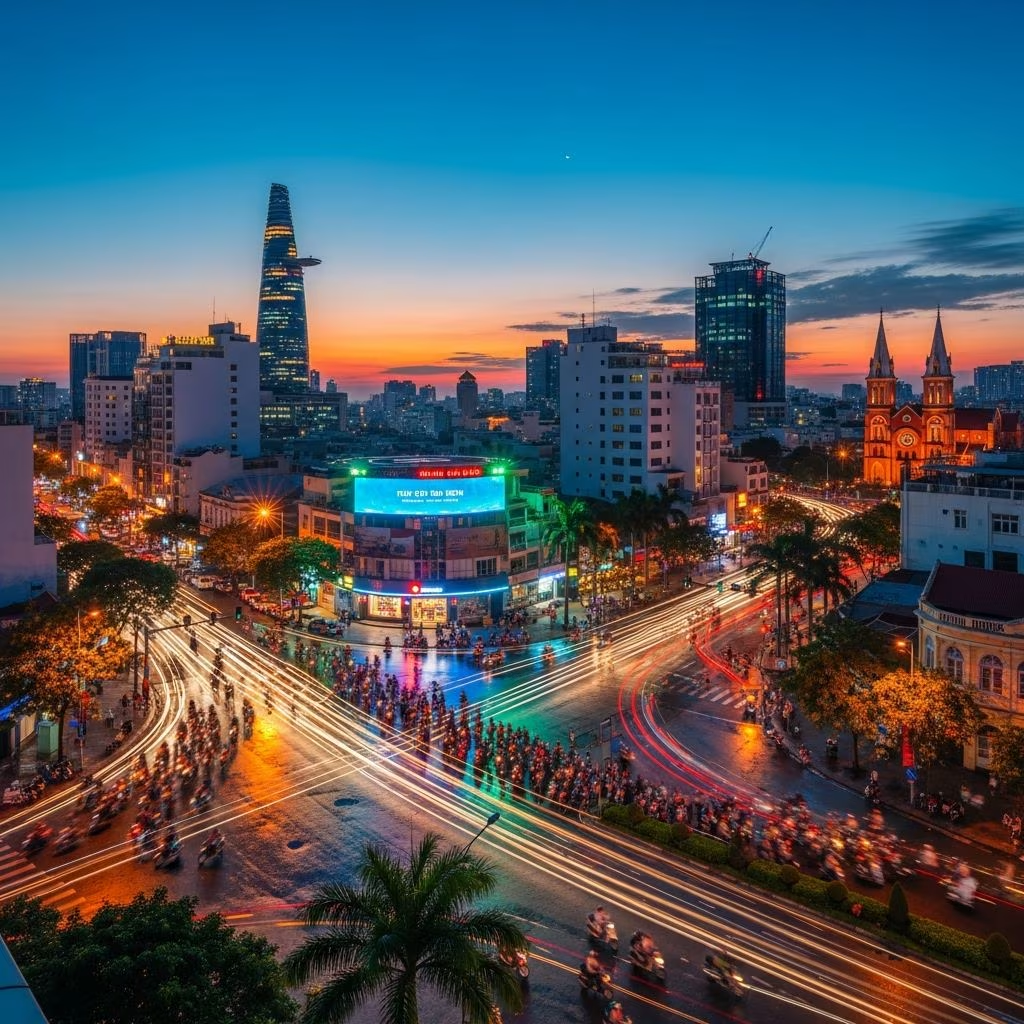
From the museum, transition to contemporary Vietnam by visiting the Bitexco Financial Tower. This 68-storey structure symbolizes Ho Chi Minh City’s rapid economic development and modernization. Ascending to the 48th-floor Saigon Skydeck offers panoramic views of the sprawling city, illustrating the scale and complexity of this metropolitan center. For those preferring a café experience with views, the EON Heli Bar on the 52nd floor provides an alternative setting to observe the cityscape while enjoying Italian coffee.
The colonial heart of Ho Chi Minh City deserves dedicated attention during the afternoon hours. Notre Dame Cathedral, with its distinctive red-brick construction and French architectural influences, stands as one of the city’s most recognizable structures. The cathedral’s facade and interior design transport visitors back to the colonial period, providing tangible connection to historical era.
Adjacent to the cathedral, the Central Post Office—constructed between 1886 and 1891—represents architectural excellence from the colonial era. Despite its age, the building remains fully functional as a postal facility. The interior features wall-mounted historic maps of the city, offering visual documentation of Ho Chi Minh City’s evolution. Visitors can purchase postcards and send correspondence, creating a unique souvenir of their visit.
A brief walk across 30/4 Park leads to the Reunification Palace, accessed through iron gates that hold symbolic significance. These gates were famously cast aside by Communist tanks on April 30, 1975, when the North Vietnamese Army captured the city, ending the Vietnam War. The palace’s 1960s architecture reflects the era of its construction. The basement contains a fascinating labyrinth of tunnels, situation rooms, and preserved telecommunications equipment that provide insight into the decision-making structures of the era.
As evening approaches, explore Dong Khoi Street, the primary commercial thoroughfare in central Ho Chi Minh City. This bustling street offers opportunities to purchase souvenirs, local handicrafts, and daily necessities. Hidden among the commercial establishments, you’ll discover L’Usine, a French-inspired lifestyle brand popular with younger, design-conscious visitors. The venue functions as both café and boutique, attracting a sophisticated local clientele.
For evening entertainment, consider attending a water puppet show at the Opera House—a traditional Vietnamese art form performed in water-filled stages with puppets manipulated by puppeteers behind screens. Alternatively, ascend to a rooftop bar for sunset or evening views of the illuminated city. The Caravelle Hotel rooftop bar offers 360-degree perspectives of Saigon’s landscape, highlighting the city’s architectural diversity and scale. These elevated venues provide respite from street-level energy while offering sophisticated ambiance.
Begin Day Two with a return to the market environment, but with different objectives. Ben Thanh Market’s evening transformation into a night market offers distinct experiences from daytime visits. Alternatively, explore Ben Thanh’s immediate surroundings, discovering Sri Mariamman Temple—a Hindu temple along Truong Dinh that illustrates Ho Chi Minh City’s unexpected religious and cultural diversity. This temple’s existence in Vietnam’s dominant Buddhist-influenced society testifies to the city’s cosmopolitan character and historical immigrant communities.
Adjacent to Ben Thanh Market lies Chinatown (Cholon), containing Thien Hau Temple. This stunning Chinese-style temple, dedicated to Thien Hau the goddess of the sea, features traditional architectural elements and remains an active worship site. Visiting during regular hours allows observation of local devotional practices and appreciation of intricate architectural details.
Lunch provides opportunity for exploring Vietnamese cuisine beyond the breakfast pho experience. Seek out local establishments serving com tam (broken rice)—a humble rice dish traditionally served with grilled proteins and vegetables. Alternatively, sample bun thit nuong, featuring grilled pork served alongside rice noodles and fresh herbs. These dishes represent authentic Vietnamese home cooking rather than tourist-oriented adaptations.
Street food vendors and small local restaurants near historical sites offer these authentic experiences at modest prices. Engaging with local vendors and observing how Vietnamese residents eat provides cultural insight beyond typical tourist experiences.
Time permitting, venture to Cu Chi Tunnels, an underground network located approximately 70 kilometers northeast of Ho Chi Minh City. These tunnels, extensively used by Viet Cong soldiers during the Vietnam War, include living quarters, bunkers, hospitals, and defensive structures. Guided tours provide historical context and explain the ingenious engineering that allowed soldiers to survive extended underground periods. This excursion requires substantial time commitment but offers profound understanding of Vietnam’s wartime experiences.
For those preferring to remain closer to the city, Bửu Long Pagoda—situated about 20 kilometers from central Ho Chi Minh City—offers peaceful retreat from urban intensity. Frequently referred to as the “Thai Temple of Vietnam” due to architectural similarities to Thai Buddhist temples, this location provides spiritual atmosphere and architectural interest. Transportation via Grab or taxi makes access straightforward.
Ho Chi Minh City’s evening scene extends far beyond rooftop bars. District 2 neighborhoods feature grilled seafood restaurants serving fresh catch with ice-cold 333 beer—a Vietnamese lager. Raucous rock clubs and bohemian music cafes cater to various entertainment preferences. These venues often feature live performances by local and international musicians.
For final evening activities, explore Air 360 or the M Bar at Majestic Hotel, each offering distinctive ambiance and river views. These establishments provide appropriate venues for concluding your 48-hour experience while reflecting on discoveries and experiences accumulated throughout your visit.
Ho Chi Minh City maintains tropical climate throughout the year, with distinct wet and dry seasons. The dry season (November through April) offers more comfortable conditions for extensive walking and sightseeing. The wet season (May through October) features heavy rainfall and higher humidity but fewer tourists and lower prices for accommodations.
Ho Chi Minh City remains remarkably affordable compared to many global destinations. Street food meals cost $1-3 USD, while mid-range restaurant meals range from $5-15 USD. Museum entries and attraction fees typically fall between $3-10 USD. Transportation via Grab costs significantly less than traditional taxis, averaging $1-3 USD for most city journeys.
English proficiency varies throughout the city. Tourist areas feature English-speaking staff, while local neighborhoods may present communication challenges. Learning basic Vietnamese phrases (“thank you” is “cam on,” “hello” is “xin chao”) enhances interactions and demonstrates respect for local culture. Mobile data availability throughout the city enables translation app usage when needed.
Beyond pho and banh mi, Ho Chi Minh City’s culinary scene deserves deeper exploration. Banh Mi Huynh Hoa, operating from late afternoon through midnight daily, represents one of the city’s most celebrated banh mi establishments. This Vietnamese sandwich—combining French baguette, pâté, cured meats, pickled vegetables, and fresh herbs—encapsulates the fusion of French colonial and Vietnamese influences. The contrast between soft-yet-flaky bread and crisp vegetable components creates textural complexity that elevates this humble sandwich.
Che, a Vietnamese dessert made from various fruits, beans, and jellies served in sweet syrup, offers refreshment during hot afternoons. Ben Thanh Market contains numerous vendors specializing in this dessert, each offering slightly different recipes and ingredient combinations.
While 48 hours allows experiencing primary attractions and cultural highlights, the city’s depth and complexity could support extended visits. Two days suffices for first-time visitors seeking introductory experiences but may leave those interested in deeper cultural immersion desiring additional time.
Grab ride-sharing offers the most convenient option for tourists unfamiliar with Vietnamese traffic patterns and roads. Walking between nearby attractions in District 1 remains feasible, though the climate and distances may present challenges. Traditional taxis and organized tours provide alternatives.
Popular attractions like the Reunification Palace and Fine Arts Museum rarely require advance booking, with day-of visits typically feasible. Water puppet shows at the Opera House may benefit from advance reservation during peak tourist seasons (November through February).
Lightweight, breathable clothing suits the tropical climate. Comfortable walking shoes remain essential given the amount of pedestrian exploration involved. Sun protection (sunscreen, hat, sunglasses) prevents discomfort from intense tropical sun. A light rain jacket proves useful during wet season months.
Ho Chi Minh City’s 48-hour experience balances historical immersion, architectural appreciation, culinary adventure, and cultural exploration. The city’s compact central district concentrates major attractions within manageable distances, allowing efficient experience accumulation within limited timeframes. Strategic planning—focusing on distinct thematic areas per half-day—prevents overwhelming sensory experience while ensuring comprehensive exposure to the city’s essential characteristics. Whether your interests lean toward history, food, architecture, or contemporary urban energy, Ho Chi Minh City delivers compelling experiences that linger long after departure.
