

 Travel Essentials
 Travel Essentials

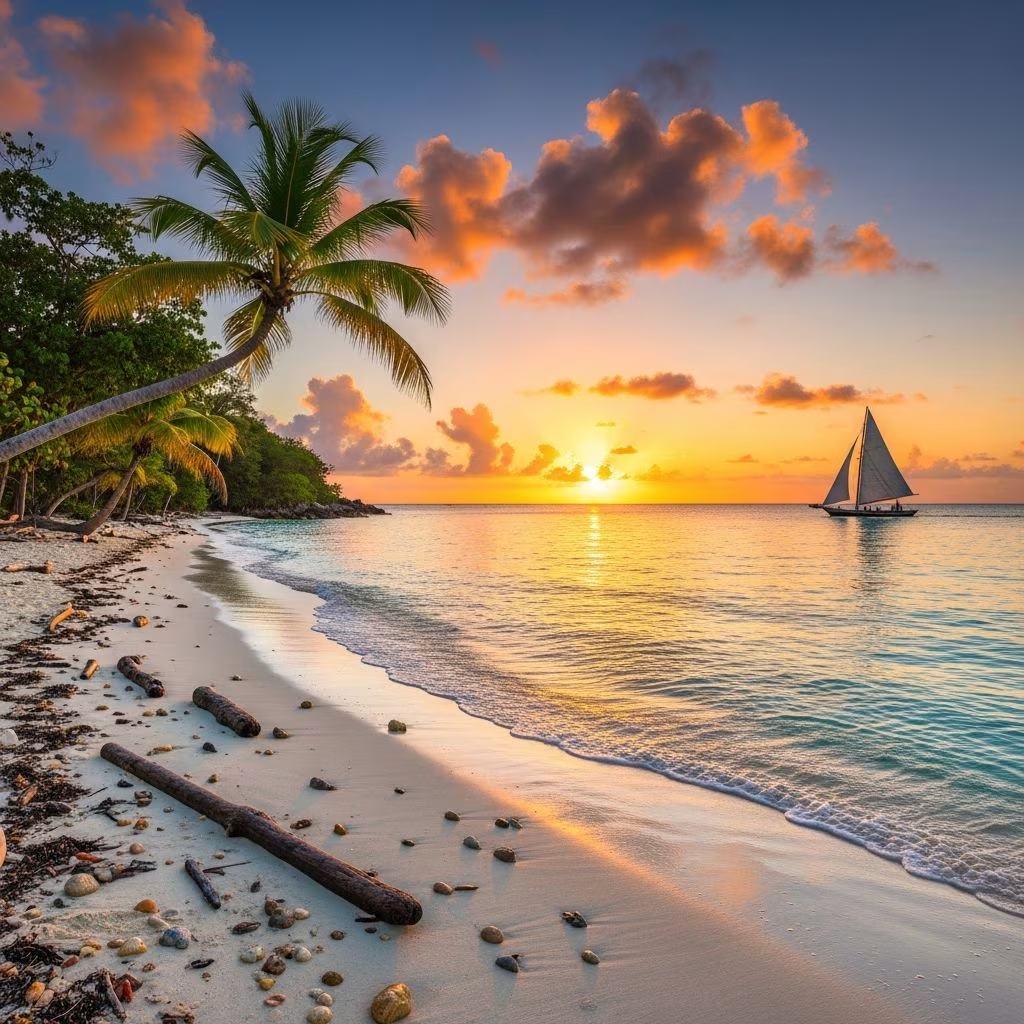
Explore St. Croix's Danish heritage, world-class snorkeling at Buck Island, scuba diving adventures, and local rum traditions in this comprehensive 5-day Caribbean itinerary.
 Travel Essentials
St. Croix, the largest island in the U.S. Virgin Islands, represents a remarkable fusion of Caribbean natural beauty and rich cultural heritage. This Danish-influenced destination welcomes American travelers without passport requirements, making it an accessible yet exotic vacation choice. Over five days, visitors can transition from exploring centuries-old colonial architecture to discovering vibrant underwater ecosystems teeming with marine life. This comprehensive guide provides a detailed roadmap for experiencing everything this island has to offer, from historical landmarks to world-class diving destinations.
St. Croix stands apart from other Caribbean destinations due to its unique combination of attributes. The island preserves architectural remnants from its Danish colonial past, with yellow-brick fortifications and charming town centers that transport visitors back several centuries. Simultaneously, the surrounding waters contain some of the Caribbean’s most pristine coral reef systems, protected within national monuments and marine parks.
The absence of passport requirements for U.S. citizens simplifies travel logistics considerably. Visitors can focus entirely on their vacation experience rather than managing additional travel documentation. Additionally, the island’s commitment to marine conservation has created thriving ecosystems where encounters with sea turtles, tropical fish species, and vibrant coral formations occur regularly.
Begin your St. Croix adventure in Christiansted, the island’s charming historic port town. This waterfront community features well-preserved Danish architecture and serves as the island’s cultural heart.
Start your day by visiting Fort Christiansvaern, an 18th-century yellow-brick fortress that dominates Christiansted’s harbor. This imposing structure represents Denmark’s colonial military presence and offers visitors insights into the island’s complex history. The fort’s thick walls, strategic cannon placements, and interior chambers reveal how European powers maintained control over Caribbean territories during the colonial era. Guided tours available through the National Park Service provide context about the fort’s role in trade and defense, transforming a simple stone structure into a narrative of colonial ambition and resistance.
Wander through the nearby historic district, where colonial-era buildings line cobblestone streets. Many structures have been converted into galleries, restaurants, and boutique shops, creating a living museum where history and contemporary island life coexist seamlessly. The architectural details—arched doorways, wrought-iron railings, and vibrant paint colors—reflect the Scandinavian influence that shaped the island’s development.
St. Croix’s rum heritage extends back to plantation days when sugar production drove the island’s economy. Visit one of the island’s rum distilleries to understand how this iconic Caribbean spirit is produced. Distillery tours typically include explanations of fermentation processes, aging techniques, and the specific characteristics that define Crucian rum. Tastings allow visitors to sample different varieties, from light silver rums to complex aged expressions. The distillery experience connects rum production to the island’s agricultural and cultural history, providing context for why this beverage holds such significance in Caribbean tradition.
Buck Island Reef National Monument represents one of the Caribbean’s premier snorkeling destinations. This 176-acre protected island features an underwater environment carefully preserved for educational and recreational purposes.
Depart from Christiansted harbor aboard a boat operated by authorized tour companies such as Caribbean Sea Adventures or Big Beard’s Adventure Tours. The 30-minute transit provides scenic views of St. Croix’s coastline and allows your body and mind to transition from land-based exploration to aquatic adventure. As you approach Buck Island, the dramatic contrast between the emerald vegetation and brilliant azure waters becomes immediately apparent, signaling entry into a distinct marine environment.
Upon arrival, don snorkeling equipment and follow the famous self-guided underwater trail. This marked route winds through coral formations, with plaques identifying specific species and ecological relationships. The trail guides snorkelers through ecosystems featuring elkhorn coral, brain coral, and dozens of other species that collectively create a three-dimensional underwater landscape.
The waters surrounding Buck Island support approximately 250 fish species. During your exploration, you’ll likely encounter blue tangs with their distinctive yellow bodies, parrotfish that munch constantly on coral, and yellowtail snappers darting through the reef structure. Sea turtles—both green sea turtles and hawksbill varieties—occasionally glide through the water with graceful efficiency. Spotted eagle rays sometimes appear, their flat bodies rippling through the water like underwater birds.
Turtle Beach, located on Buck Island’s western shore, provides a pristine white sand setting for post-snorkeling relaxation. Most tour operators include picnic lunches featuring fresh local ingredients and refreshing beverages. This midday break allows your body to recover and your mind to process the underwater wonders just experienced. The beach offers shaded areas and opportunities for additional swimming or simply floating in the tranquil waters.
After lunch, your captain repositions the boat to different snorkeling locations around the island. These varied sites expose you to different marine environments within the same protected area. Some spots feature shallow coral gardens suitable for less experienced snorkelers, while others reveal deeper reef structures populated by different species assemblages. This afternoon exploration expands your understanding of how marine ecosystems vary across relatively short distances.
St. Croix’s northern coast offers exceptional scuba diving opportunities for certified divers. The submarine topography creates dramatic vertical structures, underwater caverns, and diverse reef formations.
Begin this day before dawn to position yourself for sunrise diving. Early morning departures take advantage of optimal light conditions and calmer water surfaces that often characterize pre-dawn hours. The boat journey northward offers the aesthetic experience of witnessing sunrise across the Caribbean, a visual reward for the early wake-up time.
The north shore dive sites feature walls that drop dramatically into deeper water, creating habitat for species adapted to lower light conditions and higher pressure. Black coral formations—which despite their name often display vibrant colors—create otherworldly landscapes. Sponges in various shapes and sizes establish themselves on the reef walls, filtering nutrients from the water column. Fish species include larger predators like groupers, alongside schools of jacks and other open-water species.
Diving on these sites requires appropriate certification and physical conditioning. The deeper water demands attention to decompression procedures and air consumption rates. Professional dive operators manage these technical requirements, allowing you to focus on the remarkable environment surrounding you.
Maintain controlled descent and ascent rates to avoid rapid pressure changes. Move deliberately through the water, using minimal fin strokes to reduce disturbance and extend your bottom time. Observe the reef environment without collecting specimens or touching coral formations that can be damaged by physical contact. Position yourself to allow natural light to illuminate subjects you photograph, and remain aware of your buddy and other group members throughout the dive.
After two intense days of water-based activities, day four balances cultural exploration with leisurely beach time.
Visit local markets in Frederiksted or Christiansted to experience authentic island commerce. Markets feature fresh tropical fruits, local crafts, and prepared foods that reflect Crucian culinary traditions. Interacting with vendors provides insights into daily island life beyond the tourist infrastructure. Sample local specialties like johnny cakes, kallaloo, and other traditional dishes that reflect the island’s multicultural heritage.
Dedicate afternoon hours to unstructured beach time at locations like Cane Bay or Shoys Beach. These accessible beaches feature calm waters suitable for swimming, snorkeling in shallow areas, or simply floating while absorbing Caribbean sun and breezes. The contrast between action-packed earlier days and this leisurely pace creates temporal balance in your vacation rhythm.
Your final day combines natural preservation and cultural heritage at Salt River Bay, one of St. Croix’s most significant ecological and historical sites.
Begin at the Salt River Bay Visitor Contact Station to orient yourself with the area’s multiple layers of significance. Interpretive displays explain the ecological importance of mangrove systems, seagrass beds, and reef structures that collectively create one of the Caribbean’s most productive marine environments. The visitor center contextualizes the area as home to prehistoric archaeological sites where pre-Columbian peoples lived for centuries before European contact.
Explore the remains of Fort Salé, a French colonial earthwork fortification constructed approximately 1617. This structure represents the geopolitical competition among European powers attempting to establish Caribbean dominance. The fort’s strategic location overlooking Salt River Bay enabled controlling vessels entering and leaving the harbor. Walking among these ruins allows contemplation of how colonial ambitions shaped the Caribbean’s development, often through conflict and displacement.
Salt River Bay contains one of only two submerged canyons in the Caribbean, creating unique oceanographic conditions that support distinctive ecosystems. The underwater canyon allows deep ocean water to rise toward the surface, carrying nutrients that sustain abundant marine life. Snorkeling or diving in Salt River Bay reveals mangrove root systems providing critical nursery habitat for juvenile fish, alongside reef structures supporting adult populations.
Conclude your St. Croix adventure with a final rum tasting at a distillery or bar featuring local rum productions. Reflect on your five-day journey while enjoying a beverage deeply connected to the island’s history, agricultural traditions, and contemporary culture. This final experience creates a ceremonial closure to your Caribbean adventure while honoring the traditions that shaped the destination.
St. Croix’s tropical climate supports year-round visitation. However, hurricane season extends from June through November, with peak activity typically occurring August through October. Winter months provide the most predictable weather conditions and coolest temperatures, though never uncomfortably cold by most standards. Consider specific weather patterns when booking your trip to align with your preferences and risk tolerance.
St. Croix offers diverse lodging choices ranging from beachfront resorts providing comprehensive facilities to smaller inns reflecting local character. Select accommodations based on your priority balance between amenities and authenticity. Staying in Christiansted provides walkable access to historic sites and restaurants, while beach resort locations prioritize direct water access and relaxation.
| Category | Recommended Items |
|---|---|
| Sun Protection | High-SPF sunscreen, sunglasses, wide-brimmed hat |
| Water Activities | Rash guard, reef-safe sunscreen, water shoes |
| Casual Attire | Lightweight clothing, shorts, sundresses |
| Evening Wear | Light jacket, modest dinner clothes |
| Medications | Prescription medications, common pain relievers |
U.S. citizens do not require passports for travel to the U.S. Virgin Islands. Valid government-issued identification such as a driver’s license suffices for domestic travel purposes. This simplified documentation requirement makes St. Croix more accessible than many other Caribbean destinations.
Most dive operators require proof of open water scuba certification or greater. If uncertified, many operators offer brief resort courses allowing limited recreational diving with professional supervision. Certification courses typically require multiple days, so planning ahead remains important for your itinerary.
Travel insurance provides protection against unforeseen circumstances including flight cancellations, medical emergencies, and equipment loss. Given the remote island location and specialized nature of water activities, insurance coverage offers valuable security. Policies specifically covering diving activities provide additional protection for participants in water-based adventures.
The U.S. Dollar functions as the official currency throughout the U.S. Virgin Islands. Credit cards accepted at most establishments reduce the need for cash, though carrying modest cash amounts facilitates transactions at smaller vendors and ensures accessibility during electronic payment system failures.
Book diving and snorkeling tours through established operators with strong safety records and positive traveler reviews. Advance reservations ensure availability, particularly during peak travel seasons. Hotels typically provide referrals to reputable operators, or online travel platforms offer comprehensive operator comparisons with verified customer feedback.
