

 Travel Essentials
 Travel Essentials

Escape Copenhagen's crowds by exploring similar cities like Oslo, Glasgow, Utrecht, Hamburg, and Aarhus. Enjoy Scandi design, bike-friendly streets, and vibrant culture without the hustle.
 Travel Essentials
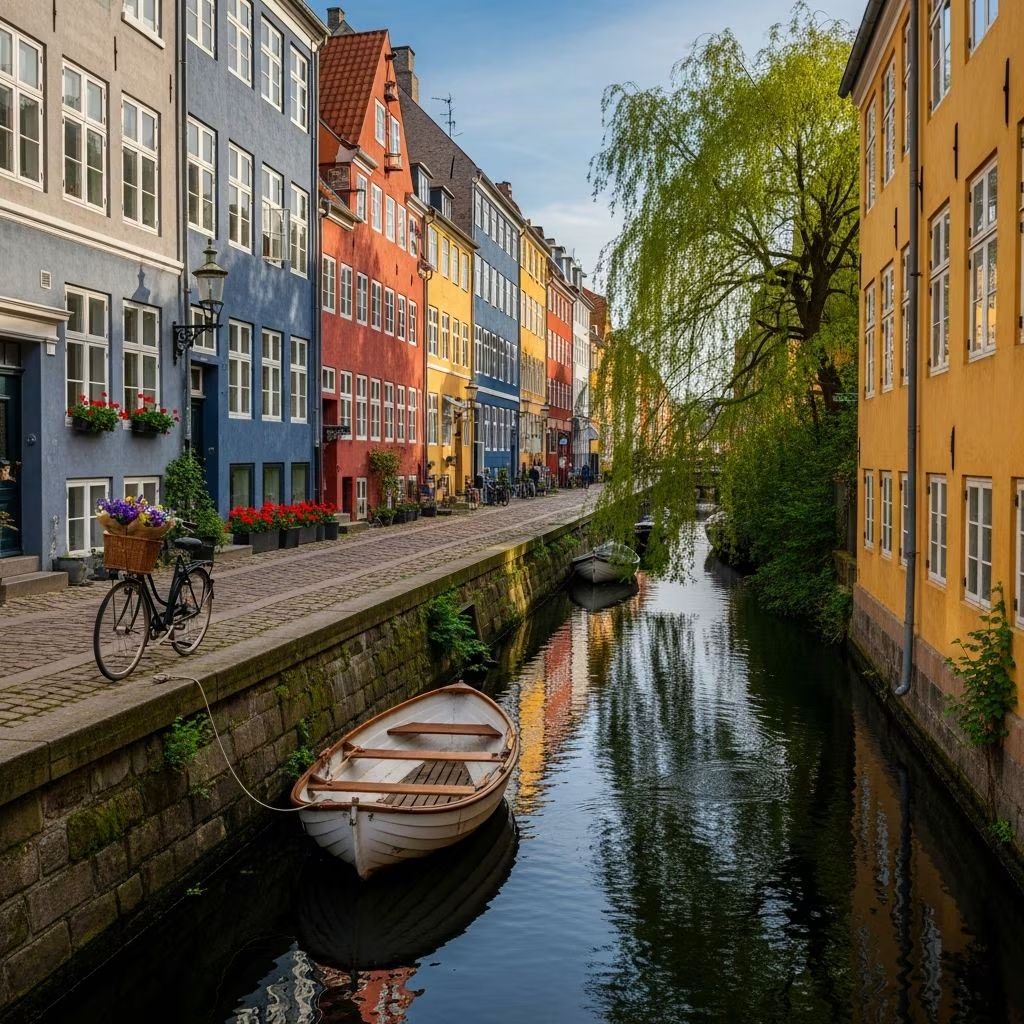
While Copenhagen captivates with its bike lanes, innovative cuisine, and hygge atmosphere, its popularity means packed streets and long lines. For travelers craving similar experiences—compact urban layouts, waterfront promenades, creative energy, and sustainable living—several nearby cities offer the essence without the elbow-to-elbow crowds. This guide highlights five standout destinations across Northern Europe, each blending Scandinavian-inspired design, cultural depth, and easy exploration. Dive into these alternatives for a refreshed take on Nordic cool.
Overcrowding in hotspots like Copenhagen diminishes the joy of discovery. These alternatives provide breathing room while mirroring key appeals: efficient public transit, pedestrian-friendly zones, farm-to-table dining, and waterfront leisure. Data from tourism boards shows visitor numbers in these cities remain 30-50% lower than Copenhagen’s peaks, ensuring serene strolls and genuine interactions. Whether you’re drawn to fjords, canals, or festivals, these spots deliver authenticity.
Norway’s capital stands out as a top pick for those loving Copenhagen’s waterfront chic but seeking solitude. Oslo’s elongated layout spreads attractions across fjordside neighborhoods, reducing density. Efficient trams, ferries, and buses make navigation effortless, much like Copenhagen’s seamless system.
Key draws include the Oslo Opera House, a sail-like marvel for panoramic climbs, and Vigeland Sculpture Park’s 200+ bronze figures amid lush greenery. Foodies rejoice in New Nordic spots like Maaemo, echoing Noma’s innovation with local foraged ingredients. Summers buzz with free outdoor concerts, while winters invite cross-country skiing on urban trails.
| Oslo Highlights | Why It Beats Crowds |
|---|---|
| Fjord cruises | Intimate boats vs. massive tours |
| Astrup Fearnley Museum | Contemporary art in serene settings |
| Grünerløkka district | Vintage shops, fewer queues |
Accommodations range from harbor hotels to eco-cabins, with daily costs 10-20% below Copenhagen’s. Fly in via Oslo Airport’s fast train link.
Scotland’s largest city swaps Nordic minimalism for bold creativity, yet shares Copenhagen’s festival spirit and street art vibe. Glasgow’s compact core invites walking tours past murals and Victorian architecture, unmarred by tourist swarms.
Highlights feature Kelvingrove Art Gallery’s eclectic collections—from Dali to Scottish masters—and the Riverside Museum’s transport exhibits. Music lovers hit King Tut’s Wah Wah Hut, a legendary venue. Culinary scenes thrive in Finnieston, with seafood shacks and gin distilleries rivaling Copenhagen’s smørrebrød houses.
The city’s bike network and low-emission zones promote green travel, akin to Danish standards. Annual events like Celtic Connections fill theaters without overwhelming streets.
This Dutch gem channels Copenhagen’s canal-side living with unique wharf cellars—medieval homes below street level—adding whimsy. Utrecht’s flat terrain and extensive bike paths make it a cyclist’s dream, often outpacing Danish efficiency.
Climb Dom Tower for city vistas, wander Oudegracht’s quayside cafes, and explore Centraal Museum’s Dutch masters. Progressive vibes shine in sustainable markets and vegan eateries. University energy infuses nightlife with jazz bars and breweries.
Trains from Amsterdam take 30 minutes, positioning it as an easy pivot from busier spots.
| Utrecht vs. Copenhagen | Standout Feature |
|---|---|
| Canals | Wharf cellars for dining |
| Bikes | World’s highest per capita |
| Culture | Rietveld Schröder House (UNESCO) |
Germany’s port powerhouse mirrors Copenhagen’s maritime soul with vast Elbe River views and warehouse districts reborn as hip enclaves. Speicherstadt’s brick canals, a UNESCO site, offer quieter cruises than Nyhavn.
Reeperbahn pulses post-sunset with theaters and clubs, while Planten un Blomen park hosts water-light concerts. Food markets like Fischmarkt buzz pre-dawn with fresh seafood. Bike ferries and U-Bahn streamline movement.
Affordable stays in HafenCity blend modern lofts with history, drawing design enthusiasts.
No need to leave Denmark—Aarhus, just three hours by train, packs Copenhagen’s punch in a cozier package. ARoS Art Museum’s rainbow panorama wows, and street food halls brim with global flavors.
Festivals like NorthSide and foodie events spotlight local talents. Latin Quarter’s cobbled streets host indie shops, while Marselisborg Woods invite forest baths. Sustainable initiatives include car-free zones and urban farms.
Ideal for New Nordic cuisine seekers, with spots like Gastromé offering tasting menus.
These cities shine via budget airlines or Eurail passes. Pack layers for variable weather, download transit apps, and book ferries ahead. Sustainable choices like public bikes reduce footprints.
| City | Travel Time from Copenhagen | Avg. Daily Cost (EUR) |
|---|---|---|
| Oslo | 1h flight | 120-150 |
| Glasgow | 1.5h flight | 100-130 |
| Utrecht | 1.5h flight + train | 110-140 |
| Hamburg | 4h train | 105-135 |
| Aarhus | 3h train | 90-120 |
Yes, Aarhus sees far fewer international tourists, offering similar cultural perks with space to breathe.
Shoulder seasons (May-Jun, Sep-Oct) balance weather and quiet streets.
Extremely—over 50% of trips are by bike, with dedicated superhighways.
Diverse, from Michelin stars to street stalls, emphasizing local and seasonal.
Possible by train, but overnight captures the nightlife magic.
