


 Food & Culture
Food & Culture
5 Magical Christmas Markets in Europe to Visit This Winter
Explore five standout Christmas markets in Europe, from Germany's historic stalls to Switzerland's indoor wonders, perfect for holiday shopping and festive fun.
 Food & Culture
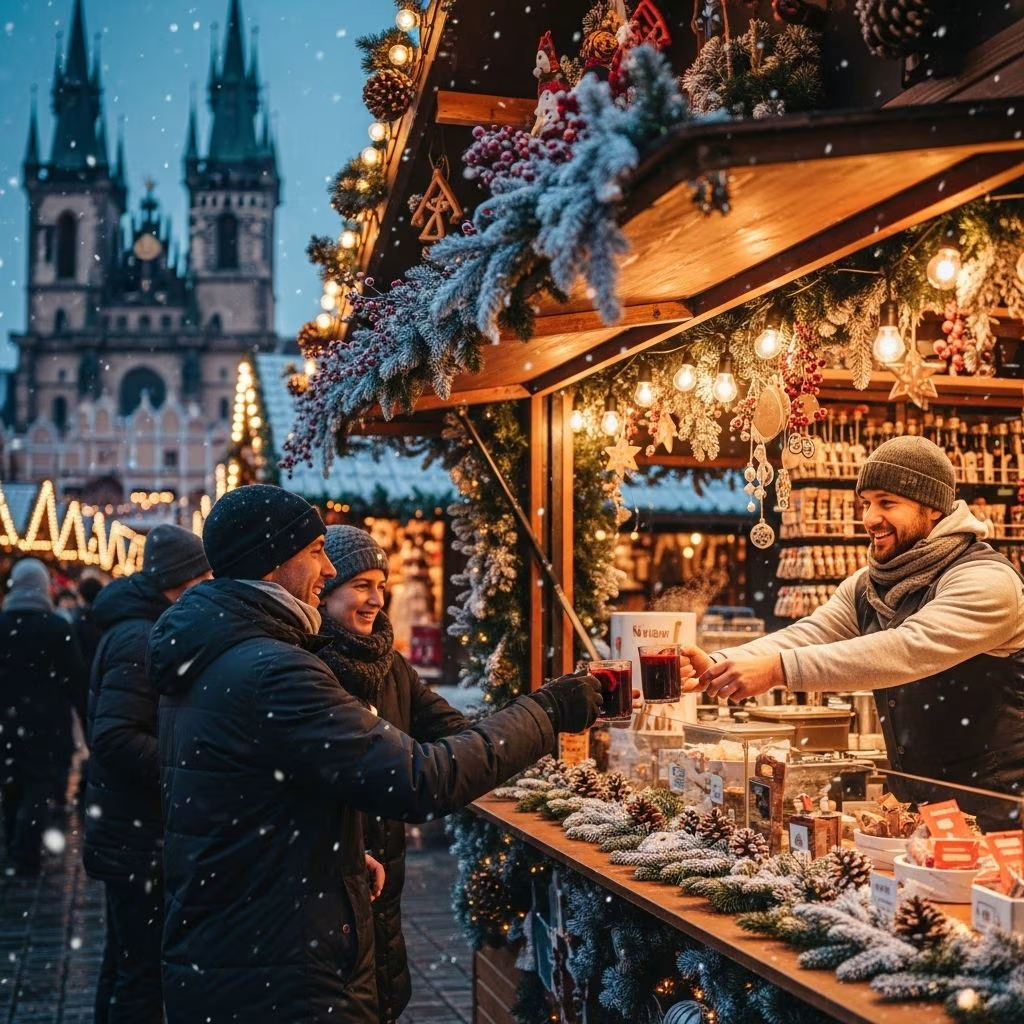
Christmas markets across Europe transform historic city centers into glowing hubs of joy during the winter season. These gatherings offer more than just shopping; they provide immersive experiences with local foods, artisan crafts, and live entertainment that evoke centuries-old traditions. Visitors wander through rows of wooden stalls adorned with lights, sipping warm drinks while discovering unique gifts. This guide highlights five exceptional markets, each with distinct charms that make them must-visits for holiday enthusiasts.
Why Visit European Christmas Markets?
Originating in medieval Germany, these markets have spread throughout the continent, blending commerce with celebration. They typically run from late November to early January, drawing millions annually. Expect mulled wine (known as Glühwein in German-speaking regions), gingerbread, roasted nuts, and handmade ornaments. Many feature towering Christmas trees, carolers, and ice rinks, creating family-friendly atmospheres. Beyond shopping, they showcase regional cultures through folk music, light displays, and craft demonstrations.
- Festive Ambiance: Twinkling lights and evergreen decorations set a magical mood.
- Culinary Delights: Sample local specialties like chimney cakes in Hungary or Belgian waffles.
- Unique Souvenirs: From leather goods to blown glass, find one-of-a-kind items.
- Entertainment: Live bands, parades, and light shows enhance the experience.
1. Munich’s Historic Holiday Haven
Munich kicks off Germany’s Christmas market season with grandeur. The city’s main market at Marienplatz features the iconic Neo-Gothic town hall as a backdrop, where a massive Christmas tree sparkles alongside nativity scenes and folk performances. Nearby, the Christmas Village in the Residenz courtyard recreates a fairytale world with artisan workshops, including glassblowing and woodworking. Stalls brim with Bavarian specialties like pretzels, sausages, and potent Glühwein. For a quieter vibe, explore the medieval market at Tollwood, emphasizing sustainable crafts and global cuisines.
Families appreciate child-friendly areas with carousels and storytelling. Evening visits reveal stunning light projections on historic buildings, amplifying the enchantment. Practical tip: Arrive early to avoid crowds and secure a spot for the daily Glockenspiel show.
2. Cologne’s Cathedral-Side Spectacle
Cologne boasts some of Germany’s largest markets, with the Weihnachtsmarkt am Kölner Dom dominating the square before its soaring Gothic cathedral. Over 150 stalls offer ornaments, candles, and wooden toys, while a giant tree anchors the scene. The harbor market at the Chocolate Museum adds a riverside twist with maritime-themed stalls serving fish dishes and overlooking the Rhine. Another highlight is the floating market on the river, blending festive cheer with scenic cruises.
Live music ranges from brass bands to choirs, and special events include lantern releases. Foodies rave about Reibekuchen (potato pancakes) paired with hearty stews. Cologne’s markets emphasize community, with charity stalls supporting local causes. Dress warmly, as Rhine winds can chill, but the warmth of Feuerzangenbowle (flaming punch) compensates.
3. Zurich’s Indoor Enchanted Bazaar
Switzerland’s Zurich offers a unique indoor market at the Hauptbahnhof station, shielding shoppers from alpine cold. The Christkindlimarkt features over 100 stalls under a crystal-lit tree, selling Swiss chocolates, cuckoo clocks, and embroidered linens. Aromas of cinnamon pastries and mulled wine fill the air. Outdoors, the Wienachtsdorf at Sechseläutenplatz mimics a village with jewelry from local designers and fondue stations before the opera house.
Zurich’s markets prioritize quality over quantity, with eco-friendly decorations and artisan focus. Ice skating nearby adds adventure. For luxury stays, upscale hotels like the Baur au Lac provide festive packages. This market suits those seeking refined, weather-proof holiday vibes.
4. Budapest’s Traditional Treasure Trove
Hungary’s Budapest shines with markets emphasizing handmade excellence. Vorosmarty Square dazzles with leather bags, blown glass, and intricate candles amid roasted chestnut vendors. The Basilica market before St. Stephen’s features fairy lights, chimney cake (kürtőskalács), and a 3D light show on the dome. An ice rink and concerts elevate the scene. These markets blend Central European heritage with vibrant energy, attracting shoppers for authentic souvenirs.
Explore nearby luxury spots like the Ritz-Carlton for post-market relaxation. Budapest’s affordable entry and diverse offerings make it ideal for budget-conscious travelers seeking cultural depth.
5. Vienna’s Fairytale Festivities
Vienna’s markets evoke imperial elegance. The Rathausplatz spans a vast square with a colossal tree, ice rink, and 100+ stalls offering marzipan, punch, and silver trinkets. The Schönbrunn Palace market transports visitors to a baroque wonderland with carousel rides and puppet shows. Artisans demonstrate lace-making and nutcracker carving. Evening concerts in nearby halls complement the experience.
Vienna excels in family entertainment, with children’s workshops and Santa visits. Savor Kaiserschmarrn (shredded pancakes) for a sweet treat. The city’s markets run longest, often into January, allowing flexible planning.
Comparing the Markets: A Quick Guide
| Market | Location | Key Attractions | Best For |
|---|---|---|---|
| Munich Marienplatz | Germany | Town hall lights, glassblowers | Families, tradition |
| Cologne Cathedral | Germany | Riverside views, giant tree | Foodies, scale |
| Zurich Station | Switzerland | Indoor stalls, jewelry | Weather-proof shopping |
| Budapest Basilica | Hungary | Handcrafts, light shows | Souvenirs, value |
| Vienna Rathausplatz | Austria | Ice rink, palace market | Luxury, entertainment |
Practical Planning Tips
Book accommodations early, as markets coincide with peak tourism. Use public transport; many cities offer festive shuttles. Check dates—most start November 25 and end December 23. Budget for €10-20 per person daily on food and drinks. Wear layers and comfortable shoes for cobblestone walks. Download apps for market maps and event schedules.
- Pack reusable mugs for eco-friendly sipping.
- Verify COVID rules or entry fees via official sites.
- Haggle politely for better deals on crafts.
Frequently Asked Questions (FAQs)
Are Christmas markets family-friendly?
Yes, most feature kid zones, rides, and non-alcoholic drinks. Vienna and Munich excel here.
What’s the best time to visit?
Weekdays or early mornings avoid crowds; evenings offer prime lights.
How much do souvenirs cost?
Ornaments €5-15, mugs €10-20, larger crafts €30+.
Can I visit multiple markets in one trip?
Easily—trains connect Munich, Vienna, and Budapest efficiently.
Are markets accessible year-round?
No, seasonal only; some cities host summer versions.
Upcoming Trends in Christmas Markets
Markets increasingly focus on sustainability with recycled decor and local sourcing. Virtual tours and hybrid events emerged post-pandemic. Expect more multicultural stalls and wellness zones like saunas in colder spots.
References
- Feel the Festive Spirit at Europe’s Top Christmas Markets — Marriott EMEA Travel Tips. 2023-12-01. https://www.emea.marriott.com/en/travel-tips/feel-the-festive-spirit-at-europes-top-christmas-markets
- The 20+ Best Christmas Markets in Europe to Visit This Season — Traveler Choice Blogs. 2024-11-15. https://www.travelerchoice.com/blogs/all-blogs/best-christmas-markets-in-europe
- 44 Wildly Magical Christmas Markets to Visit in Europe (Ranked!) — Happy to Wander. 2024-10-20. https://happytowander.com/best-christmas-markets-in-europe/
On This Page
Why Visit European Christmas Markets? 1. Munich's Historic Holiday Haven 2. Cologne's Cathedral-Side Spectacle 3. Zurich's Indoor Enchanted Bazaar 4. Budapest's Traditional Treasure Trove 5. Vienna's Fairytale Festivities Comparing the Markets: A Quick Guide Practical Planning Tips Frequently Asked Questions (FAQs) Upcoming Trends in Christmas Markets← Previous
How to Book Train Tickets in India: IRCTC, Quotas & Tips
Next →
15 Epic North America Road Trips and Scenic Drives
Related Reading
More in Food & Culture
Food & Culture Food & Culture
 Food & Culture
Best Places to Eat in Rome: Neighborhood Dining Guide
 Food & Culture
 Food & Culture