


 Food & Culture
Food & Culture
5 Underrated European Wine Regions to Visit in 2026
Explore lesser-known European wine regions offering unique grapes, breathtaking scenery, and immersive tastings away from crowded tourist spots.
 Food & Culture
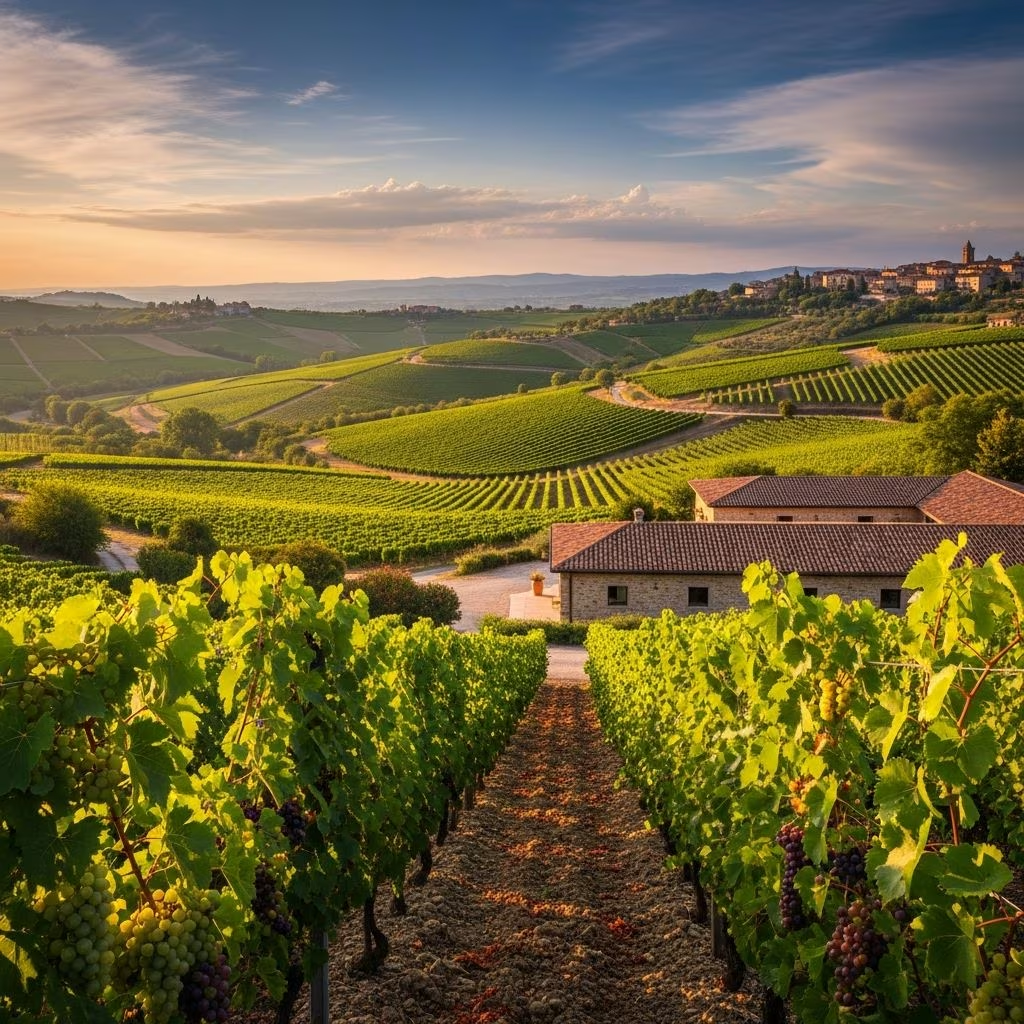
Europe’s wine landscape extends far beyond the well-trodden paths of Bordeaux and Tuscany. Emerging regions are captivating enthusiasts with their distinctive terroirs, innovative winemaking, and seamless blend of culture and nature. These destinations promise intimate tastings, scenic hikes through vine-covered hills, and flavors shaped by local traditions. From lakeside slopes in Germany to coastal cliffs in Italy, here’s a guide to five standout areas gaining momentum among savvy explorers.
1. Lakeside Vines of Bodensee, Germany
Nestled around the shimmering waters of Lake Constance, shared by Germany, Austria, and Switzerland, Bodensee boasts one of Europe’s most picturesque winegrowing zones. The German shores feature the largest expanse of vineyards, cascading down steep inclines toward the lake. Family-owned estates dominate, producing crisp whites from Müller-Thurgau and Pinot Blanc that thrive in the temperate microclimate moderated by the water.
Outdoor enthusiasts find paradise here. Cycle along the lake’s edge, passing terraced plots bursting with grapes, or hike trails that reward with panoramic views and pop-up tasting stations. Summer brings festivals where locals pair wines with freshwater fish and fresh salads. Winter offers cozy heurigers—wine taverns—serving mulled versions by crackling fires. A highlight is exploring smaller producers who craft limited-edition bottlings, emphasizing sustainable practices like hand-harvesting on precarious slopes.
- Signature grapes: Müller-Thurgau (light, fruity), Pinot Noir (elegant reds)
- Must-try experience: Boat tours with onboard tastings
- Pairing suggestion: Smoked trout or asparagus from nearby fields
For deeper immersion, join vineyard yoga sessions or foraging walks that highlight the lake’s biodiversity influencing wine profiles.
2. Sherry Heartland of Jerez de la Frontera, Spain
In Andalusia’s sun-drenched south, Jerez de la Frontera pulses with the rhythm of sherry production. This fortified wine hub, fortified by the chalky albariza soils, yields oxidative styles like fino and oloroso from Palomino grapes. The region’s magic lies in the solera system, blending old and young wines for complexity unmatched elsewhere.
Beyond cellars, Jerez thrums with flamenco passion and equestrian heritage. Wander bodegas like González Byass, where chalk-dusted barrels age under a unique yeast veil called flor. Horse fairs and sherry harvest festivals add cultural flair, while nearby beaches offer respite. Emerging natural wine producers experiment with unfortified Palomino, revealing fresh, saline expressions.
| Sherry Style | Flavor Profile | Best Paired With |
|---|---|---|
| Fino | Nutty, dry, almond hints | Tapas, seafood |
| Oloroso | Rich, caramel, dried fruit | Blue cheese, nuts |
| PX | Sweet, raisin, fig | Desserts |
Travel tip: Rent a bike to circuit the ‘Sherry Triangle’—Jerez, Sanlúcar, El Puerto—sampling at each vertex.
3. Cliffside Wonders of Cinque Terre, Italy
Liguria’s Cinque Terre, a UNESCO gem, clings to sheer cliffs above the Ligurian Sea. Dry-stone terraces, rebuilt after floods, cradle vines producing Sciacchetrà, a passito sweet wine from Bosco and Albarola grapes. Yields are tiny, making it a collector’s prize with honeyed, apricot notes.
Hiking the Azure Trail links five car-free villages, where every turn reveals vineyard vistas and seafood trattorias. Boat access unlocks hidden coves for swims amid salty breezes that shape the wines’ minerality. Family estates like Terra di Bargòn offer tours of hand-worked plots, culminating in tastings of this rare nectar.
- Key varietals: Bosco, Albarola for whites; a touch of reds
- Adventure add-on: Kayak between villages
- Local match: Anchovies, pesto
Sustainability drives the region; visitors contribute via entry fees supporting terrace maintenance. Off-season visits reveal quieter paths and harvest labors.
4. Riverside Charms of Bergerac, France
Dordogne’s Bergerac mirrors Bordeaux’s prestige but sans crowds. Monbazillac’s noble rot crafts luscious sweets from Sémillon, while robust reds from Merlot and Cabernet Franc shine from pecharmant hills. The Dordogne River nurtures this polyculture haven, blending vines with truffles and foie gras.
Castle-dotted landscapes invite canoeing, hot-air balloon rides, and cave explorations. Markets brim with duck confit to pair with bold locals. Wineries like Château de Monbazillac host blending workshops, demystifying the craft.
Bergerac’s rise stems from biodynamic pioneers emphasizing soil health, yielding vibrant, terroir-true wines. Pair a picnic of walnuts and goat cheese with river views for pure bliss.
5. Urban Vineyards of Vienna, Austria
Vienna uniquely fuses city sophistication with wine production within city limits. Grüner Veltliner and Gemischter Satz—field blends—flourish on Nussberg slopes, offering peppery whites and lively sparklers. Heurigers provide all-you-can-drink deals in garden settings.
Pedal through vineyards amid baroque architecture, or join wine hikes ending in Buschenschenken taverns. Classical concerts in cellars pair history with harmony. The Wachau nearby extends the adventure with terraced Rieslings.
- Standout wines: Grüner Veltliner (crisp, green apple)
- City perk: Metro to vines
- Food harmony: Wiener Schnitzel, cheese
Planning Your Wine Odyssey
Timing matters: Spring for blooms, autumn for harvests. Opt for agriturismos for authentic stays. Sustainable travel supports these fragile ecosystems—choose operators with eco-credentials. Budget €50-100/day for tastings, meals, transport.
| Region | Best Season | Budget Level | Accessibility |
|---|---|---|---|
| Bodensee | Summer | Medium | Train/Bike |
| Jerez | Autumn | Low-Medium | Bus/Car |
| Cinque Terre | Spring/Fall | Medium-High | Train/Boat |
| Bergerac | Autumn | Medium | Car |
| Vienna | Year-round | Medium | Public Transit |
FAQs
What makes these regions ‘upcoming’?
They offer authentic, less commercialized experiences with innovative wines gaining global acclaim, per expert guides.
Are they beginner-friendly?
Yes—many estates provide English tours, simple tastings, and food pairings to ease newcomers.
How to travel sustainably?
Use public transport, support family wineries, and follow leave-no-trace principles in vineyards.
Best for families?
Bodensee and Bergerac shine with outdoor activities beyond wine.
Pairings for novices?
Start with lighter whites and local charcuterie for approachable introductions.
These regions redefine wine travel, blending adventure, flavor, and discovery. Plan now for 2026 escapes that linger on the palate and in memory.
References
- The 10 Best Hidden-Gem Wine Country Travel Destinations in 2025 — Wine Spectator. 2025. https://www.winespectator.com/articles/travel-best-wine-country-hidden-gems-underrated-2025
- European Under-The-Radar Wine Regions To Visit Next — Carrots & Tigers. 2024-08-26. https://carrotsandtigers.com/2024/08/26/european-under-the-radar-wine-regions-to-visit-next/
- Top 5 Summer Wine Destinations in Europe (2026 Guide) — Wine Tourism. 2026. https://www.winetourism.com/summer-wine-destinations-europe/
- Europe’s best upcoming wine destinations — Lonely Planet. N/A. https://www.lonelyplanet.com/articles/europe-best-upcoming-wine-destinations
← Previous
Best Diving and Snorkeling Spots in Indonesia
Next →
Mae Hong Son Loop: Northern Thailand Road Trip Guide
Related Reading
More in Food & Culture
Food & Culture Food & Culture
 Food & Culture
Best Places to Eat in Rome: Neighborhood Dining Guide
 Food & Culture
 Food & Culture